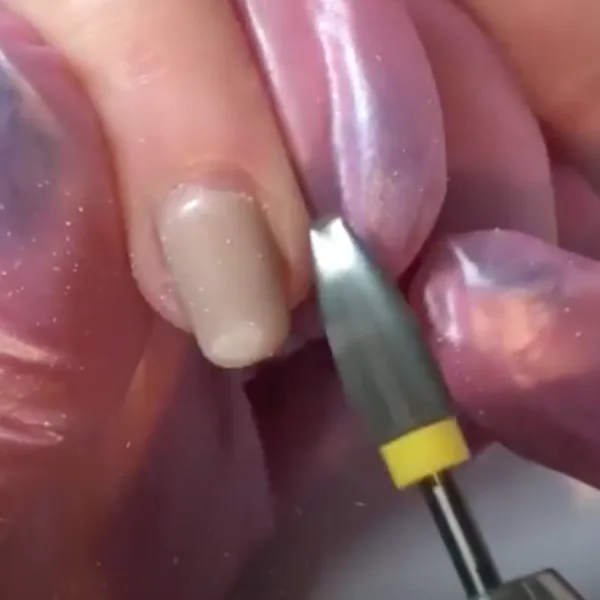
We have covered great cuticle work as an option to help prevent lifting. If you work with liquid-and-powder products another culprit can be the mix ratio. The mix ratio can vary from company to company, so
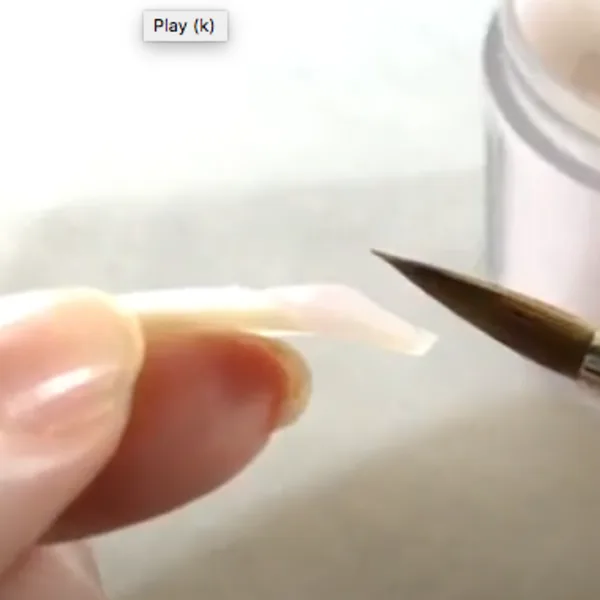
We have covered great cuticle work as an option to help prevent lifting. If you work with liquid-and-powder products another culprit can be the mix ratio. The mix ratio can vary from company to company, so it is important that you know and understand what the mix ratio is or should be like for the product you use. I made a video using CND Retention and Perfect Color Powder. But I’m also including some advice from educators of other companies listed to help non-CND users!
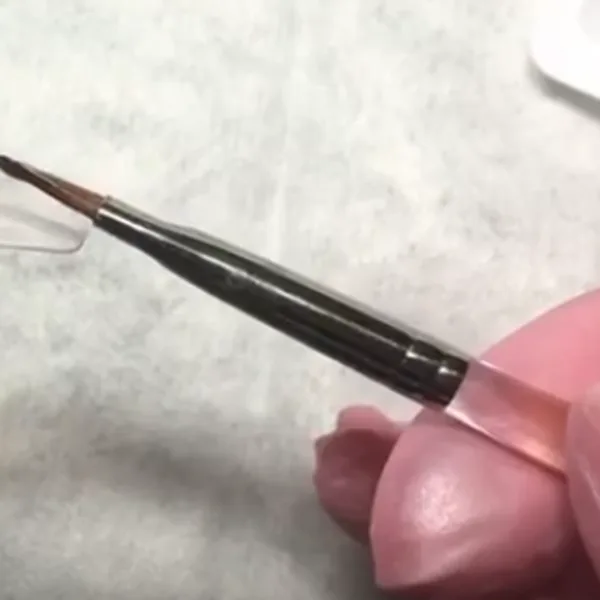
I don’t use a mix ratio because everyone uses a different (size) brush and each nail (size) is different. I dip my brush into the liquid, grabbing the appropriate amount and pick up a pearl of acrylic, generally half the size of the nail plate. Before I place my pearl, I look to make sure that it is smooth in texture and not too dry or wet. If it is too wet I will drain some liquid on my towel. Too wet of a pearl will cause flooding of the cuticle and will affect adhesion as well as unnecessarily over-exposing the skin to product. As for too dry, well, you can’t really work with it much without drowning it with liquid once it’s on the nail, so I just wouldn't try to use that pearl.
NSI Attraction liquid-and-powder requires a medium-wet mix ratio (1½ parts monomer to 1 part powder). To achieve this we recommend submerging your brush into the monomer liquid and gently spreading your brush on the bottom of the dappen dish. This will release any air that is trapped in your brush. Then using only the tip of your brush, gently drag and press your brush into the powder. When the bead is formed and removed from the powder, look at it and make sure that all the powder gets absorbed into the liquid. The bead should have a slightly dimpled look and resemble that of frosted glass — not to shiny with no excess powder around the edges of the bead. If the bead looks dry get rid of it and start over. If the bead is too shiny (wet) tap it gently back into the powder to pick up a small amount of powder. Service breakdown could result without the right amount of liquid. When the bead is too dry it will cause lifting, weakness, and bubbles. When the bead is too wet the result is potential lifting, bubbles, excessive shrinking, overexposure, and lengthened set and cure time.
Ad Loading...
When the correct mix ratio is achieved the following is assured:
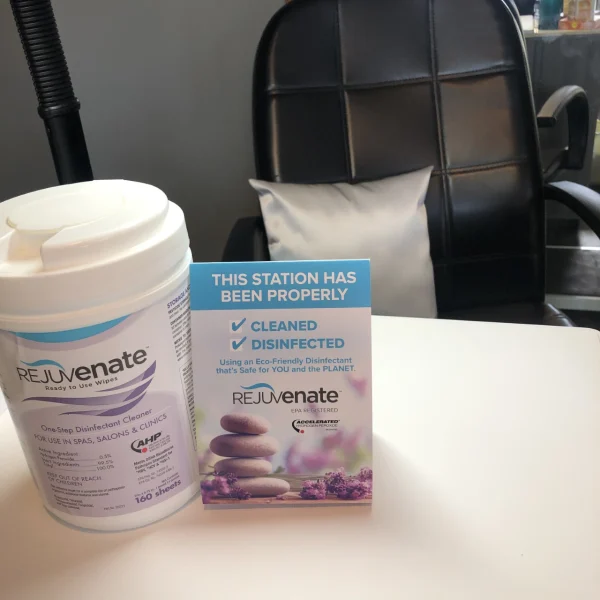
Here I am sharing a very comprehensive and well-rounded almost back to work package of information for you from Virox (Rejuvenate) that is the complete set of materials to help you feel confident that everything is in place and ready to go, even if you are already back at work!
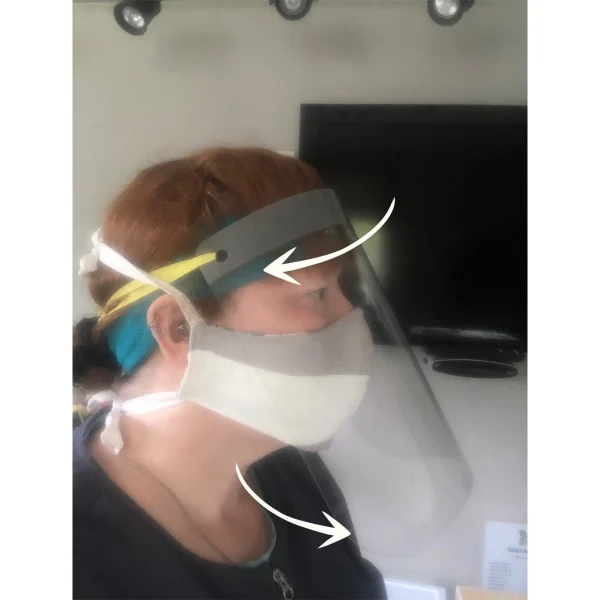
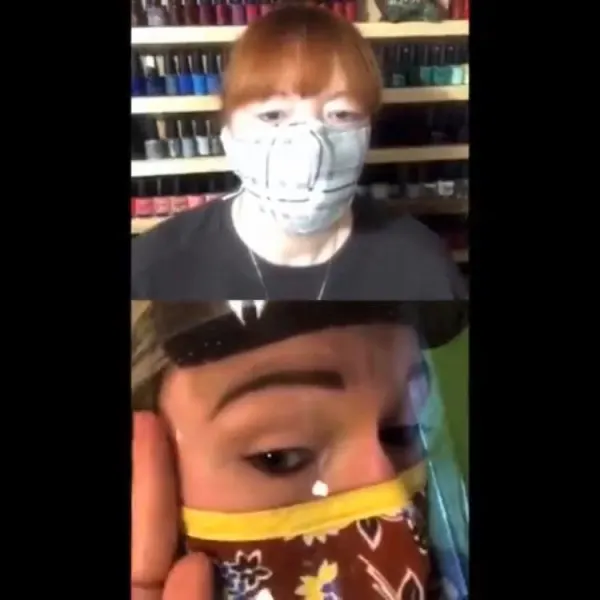
If your salon has re-opened, you may have found some challenges with wearing a face shield while working. If not, here are some tips that could help save you some headaches when you do get back.
This video is a really awesome resource for figuring out a reasonable hourly rate for yourself in addition to seeing the average your area can bear in service prices in some ways.
Have you ever heard of the stages of grief? With everything going on, we are grieving our “normal”. That means you should give yourself permission to feel the way you feel.
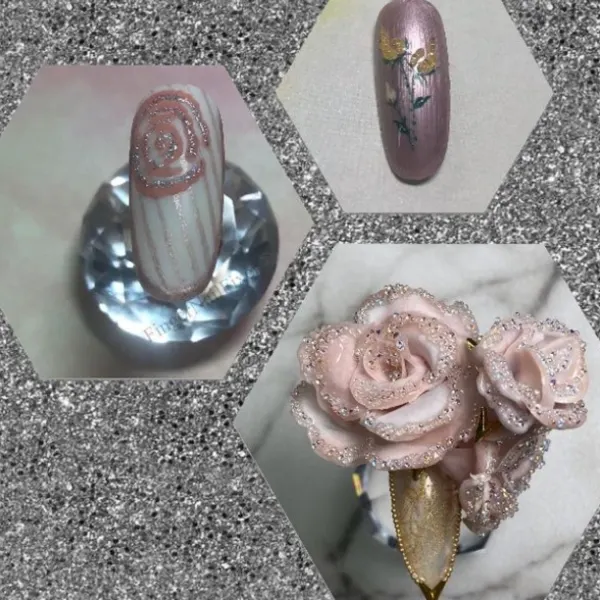
Has all this PPE business got you down? Does it feel like it cramps your style? One way to help it cheer you up which will in turn cheer up your clients is to add some sparkle.
For those of you that like a little data with your info, here is some really interesting information from salon owner Michele Baker in Georgia. Being one of the first states to open left the salon owners to scramble to learn a lot of things on their own and many have been generous in sharing things they have figured out to help make operating in the COVID-19 world more systematic and understandable.
It has been quite a while since I made a video for the e-file chronicles so an update to that seemed in order. The latest installment is removing gel-polish from an enhancement.