




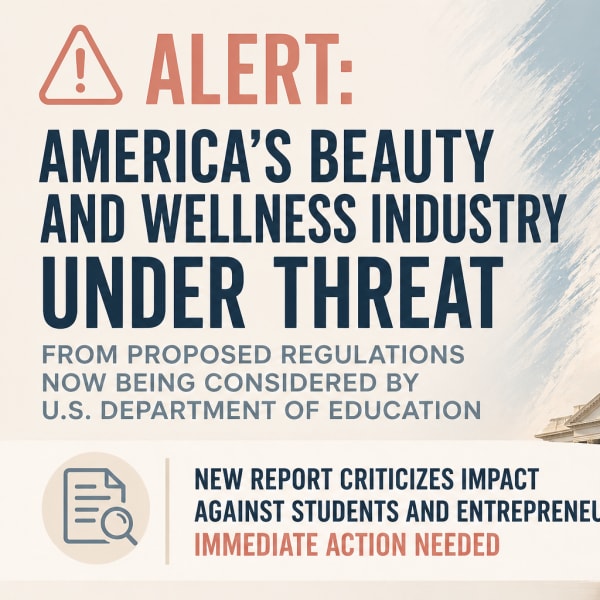
America’s Beauty and Wellness Industry Under Threat from Proposed Regulations Now Being Considered by U.S. Department of Education
A new report criticizes the regulations' impact against students and entrepreneurs.

 MENU
MENU SEARCH
An affordable option for starting your beauty education, this post talks about taking those first steps to launching a successful career in the beauty industry.
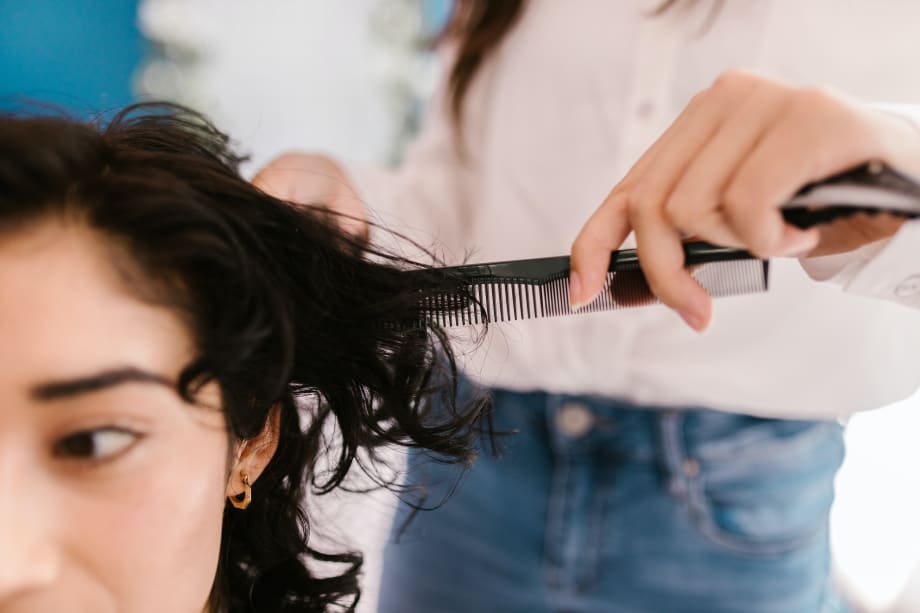
Although a college degree is essential in some industries, the beauty industry is not one of them. If you’re an aspiring beauty professional, trade school is a wonderful way to gain hands-on-experience at a lower cost and a faster path to earning.
Photo: Pexels.com / RODNAE Productions
The beauty industry is booming. The U.S. Bureau of Labor Statistics reports that jobs in cosmetology and barbering are projected to grow by 19% through 2030. And those are just two of several career paths in the $500 billion beauty industry. This kind of growth means there’s great opportunity for those with the right training. If you're considering a career in beauty, now is the time to begin mapping out your journey.
While a four-year degree may be essential in some industries, the beauty industry is not one of them. If you’re looking for an option with lower costs, lower barriers to entry, and a faster path to earning, trade school is the obvious choice. Another benefit of trade school is the opportunity to learn from experienced instructors. Many beauty schools have instructors with years of experience in the industry and they can provide you with valuable insights and guidance. You’ll also network with other students and professionals, starting your career with valuable industry contacts.
One of the main benefits of trade school is the opportunity to gain hands-on experience. This is essential in the beauty industry and it allows you to develop your skills and learn new techniques. And it’s not just about hair and makeup. A well-rounded beauty school curriculum offers the chance to learn about a variety of styles and techniques in barbering, hairstyling, esthetics, nails, and cosmetology. This can be a great way to broaden your skill set and make yourself more marketable in the beauty industry.
There are many different types of beauty schools, so it's important to do your research to find the right one for you. For example, some beauty schools focus on cosmetology, while others may offer programs in esthetics, nail technology, or even massage therapy. You'll also want to consider things like tuition costs, location, and accreditation when choosing a beauty school.
Once you've narrowed down your options, it's time to start the application process. Most schools require you to submit an application, and some may request a portfolio of your work. You may also be required to take an entrance exam, although this is not always the case. Once you've been accepted to a beauty school, the real work begins!
At a beauty school that offers a wide range of programs, like Tricoci University of Beauty Culture, for example, time between enrollment and graduation varies according to both state regulations and area of concentration:
Cosmetology: Ranges according to state requirements from 13 months (full-time) to 22 months (part-time)
Nail Technology: 7 months (part-time)
Barbering: 12 months (full-time) to 20 months (part-time)
Esthetics: 15 weeks (full-time) to 9 months (part-time) You'll need to complete a certain number of hours in order to graduate, again depending on your area of concentration.
Cosmetology: 1,500 hours in Illinois and Indiana, 1,550 in Wisconsin
Nail Technology: 600 hours in Indiana
Barbering: 1,500 hours
Esthetics: 600 in Wisconsin, 700 in Indiana, and 750 in Illinois
There are also state-mandated exams you'll need to pass in order to become a licensed beauty professional. When you find the right school, your instructors will be with you every step of the way. Remember: they’re invested in your success, too!
When you enroll in beauty school you’ll network with other students as well as with experienced professionals who can provide concrete guidance to help you pursue your goals. You’ll start your career with a network of connections in the industry to help you find potential job opportunities. You'll also have the chance to learn about the business side of the beauty industry. This will be especially helpful if you're interested in opening your own salon or becoming a freelance makeup artist. Knowing how to run a business can be an incredibly valuable skill.
If you're thinking about a career in the beauty industry, trade school is definitely a path worth pursuing. If you're passionate about the industry, want top-notch training, and a clear path to success, the right school can help you get there in far less time than a traditional four-year institution. Not only will you receive training and hands-on experience from some of the best professionals in the field, but you'll also learn all about the latest trends and techniques, while you network and make valuable industry contacts.
Originally posted on Modern Salon
A new report criticizes the regulations' impact against students and entrepreneurs.
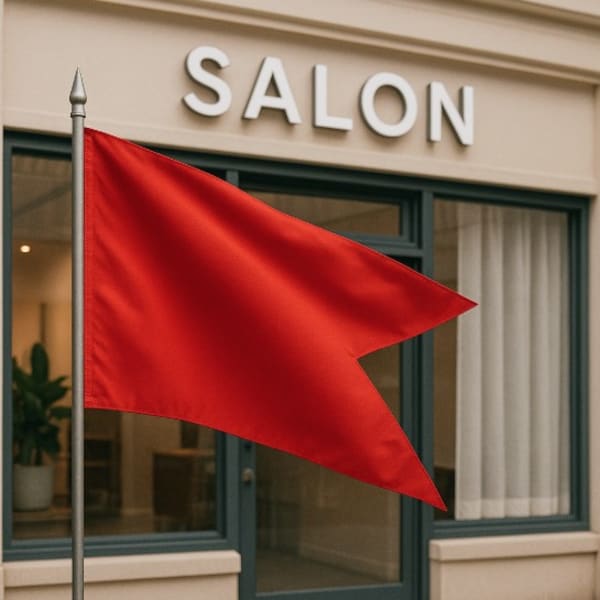
Looking for a healthy salon job? Watch for these red flags in listings, interviews, and salon culture to avoid a toxic environment and find the right fit.
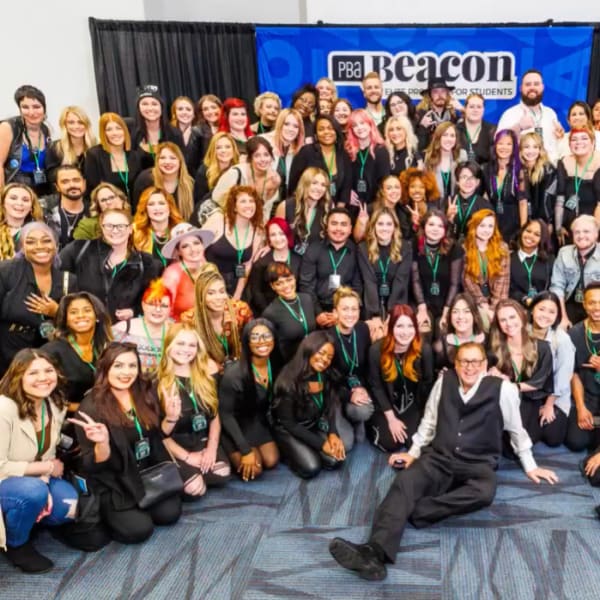
The 2024 The Professional Beauty Association (PBA) announces its Beacon Class recognizing top emerging talent in the beauty industry.

Do you often forget names? Here are some tips from global beauty educator Carlos Valenzuela to remember your clients.

Our cosmetology schools are at risk as proposed legislation would prevent many of them from participating in student federal loan programs. The American Association of Cosmetology Schools is asking for your help today!
Get the complete guide to navigating the world of professional beauty careers.

Paul DiGrigoli began his four-decade long career, opening his first salon in 1986 in Massachusetts. The DiGrigoli School of Cosmetology has recently added new nails and esthetics programs.

While everyone's experience is unique, here is what it was like for me to take my state board exam, with details on the actual examination experience, from the moment I entered the building.
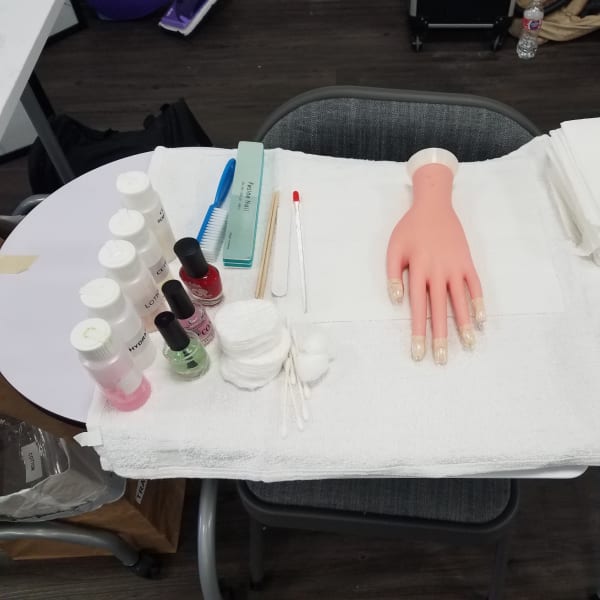
The Cosmetology Board Examination … the event that many, if not all, cosmetology students both anticipate and dread. Here is my story.
For those for whom I am just a hazy pre-pandemic memory, allow me to briefly introduce myself and summarize where I left off my story with this blog. And in future installments, I will cover more about practicing for the state board exam and the actual examination experience.
Getting employees to appreciate the importance of THE FUTURE with a 401K plan is the goal of Arik Efros, co-owner of the Eva Scrivo Salon. Efros outlines the importance of this perk and explains why many of the people in their NYC salon have already a nice bundle waiting for them upon retirement.

Julie Kandalec has fantastic personal style! Learn more about the manicurist to the stars.
Learn more about celebrity nail artist, editorial artist, NYFW regular and salon owner Joanne Sorbello.
Get the five tips to winning NAHA's nail category from Reiko Omae. She entered just once and won.

"That first set of nails I did in the salon sucked but that client still comes back to me, three years later, because of the connection we made that day." Hear from the winners of these scholarships on how beauty helps them change lives and how it has changed their own.

Keeping it all in the family, this Dad and daughter keep each other inspired as they train to become beauty professionals.
"The political climate led to suspicion of our true motives; could we really be spies?"