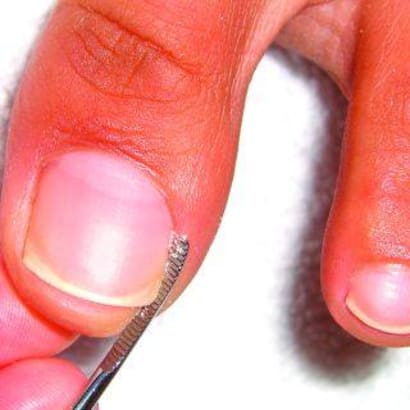
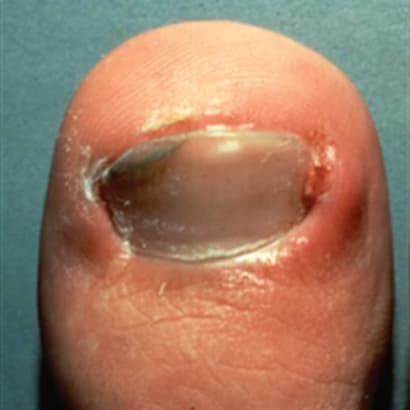
Ingrown toenails are painful afflictions that usually require a doctor’s help to remove. But if you catch them early enough, you can help maintain the nail using a special Ingrown Nail File and prevent the nail from growing into the surrounding skin.
When it comes to ingrown toenails and how to treat them, misinformation abounds. The American College of Foot and Ankle Surgeons offers this list of myths you may hear from clients and how to counter them.
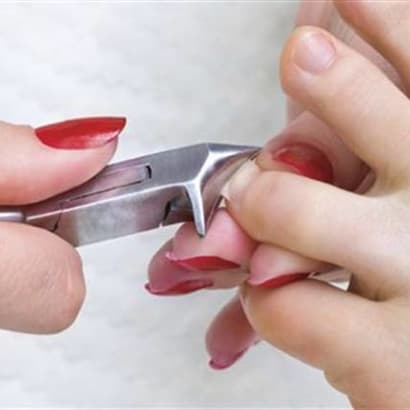
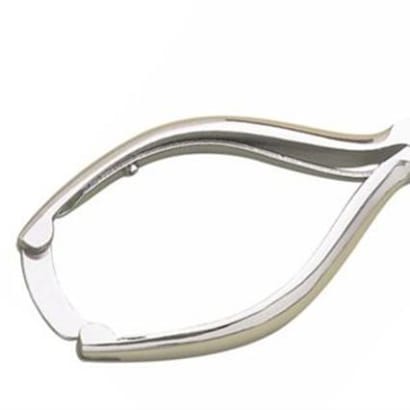
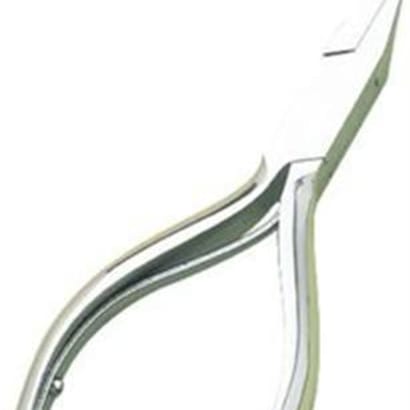
Antoine De Paris’ Straight Head Tool # 38 is designed to get close and correct the ingrown nail. The tool does the work for you while protecting your hand and wrist from using excessive force and pressure when cutting thick nails. Simply flip the tool around to keep the wrist in proper alignment. Made from cobalt stainless steel.
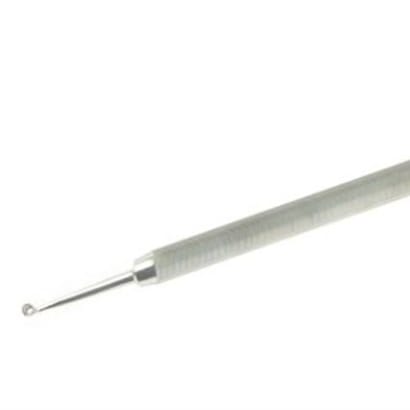
Antoine De Paris’ Curette Scoop (#215) is designed to get close and clean under ingrown nails.
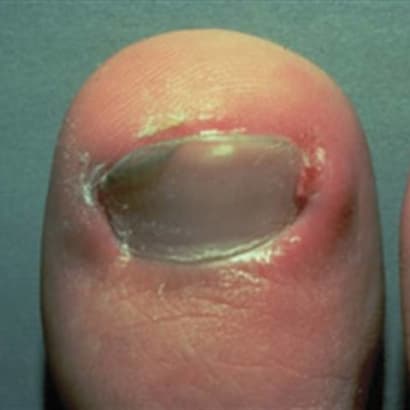
Common but painful, ingrown nails are often the result of poor care. Techs can recommend treatment, but ingrown nails, also called onychocryptosis, could likely require a trip to the doctor.
This implement is specifically designed to correct ingrown toenails.
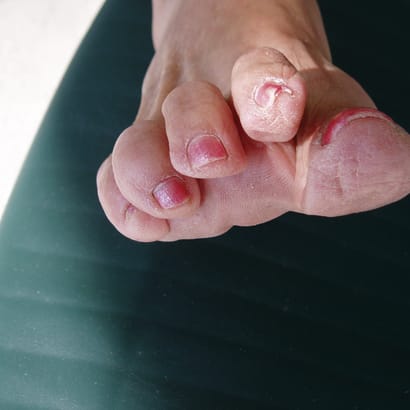
This all-too-common condition is often attributable to poor filing. You may not be aware of it, but if you are an experienced nail tech it’s likely your keen eye and meticulous work have prevented clients from the pain of pincer nails.
Cutting toenails improperly and wearing ill-fitting shoes may be invitations for an ingrown toenail, but there are other causes nail techs should also know about.
We all learn early in our nail education to use caution when it comes to diabetic clients, since diabetes affects both the circulation and the nerves in the extremities — especially the feet.
There is a wealth of information about nail diseases and nail health online. Our online correspondent, Debbie Doerrlamm, takes you to some top sites.