





America’s Beauty and Wellness Industry Under Threat from Proposed Regulations Now Being Considered by U.S. Department of Education
A new report criticizes the regulations' impact against students and entrepreneurs.


 MENU
MENU SEARCH
A list of common esthetic terms.
GLOSSARY OF COMMON ESTHETIC TERMS
acid balance: a condition of a cosmetic product where its acidity is the same as the acidity of the skin or hair.
acidity: the degree of being acid; acids have pH value of less than 7.0; the opposite of alkalines.
acid mantle: the natural acidity of the skin or hair that helps to retard irritation and bacterial growth.
acne: inflammation of the sebaceous glands from retained secretions; consists of blackheads, whiteheads, pimples, and, sometimes, cysts.
acne rosacea: an acne-like condition usually occurring around the nose and cheeks due to dilated (enlarged) and sometimes broken capillaries; may appear as knobby bumps.
adrenal: an endocrine gland situated on top of the kidney that produces steroids such as sex hormones, hormones concerned with metabolic functions, and adrenaline.
allergy: a disorder due to extreme sensitivity to certain foods or chemicals
aloe vera: extract from the aloe vera plant (a type of cactus) that aids in healing burned skin.
amino acids: the chief component of proteins; manufactured in cells or broken down from the diet for use by the body.
androgens: male sex hormones.
anti-oxidant: a chemical compound that inhibits or helps prevent oxidation.
antiseptic: a chemical agent that prevents the growth of microorganisms.
aromatic: pertaining to or containing aroma; fragrant.
basal layer: the layer of cells at the base of the epidermis closest to the dermis layer.
beeswax: composed from the walls of the honeycomb produced by the domestic bee; the yellow wax smells like honey and is whitened industrially; used to protect and soften the skin.
blackhead: also called a comedone; a pore plugged with small kernels of sebum, skin cells, and bacteria.
botanical: a drug, medicinal preparation, or similar substance obtained from a plant or plants.
capillary: small blood vessels that carry nutrients and oxygen to the individual skin cells.
carcinoma: cancer; a malignant new growth of epithelial or gland cells infiltrating surrounding tissues.
cellulitis: inflammation of connective tissue.
collagen: a fibrous protein that is the chief constituent of the body’s connective tissues, including tendons and ligaments, and gives them their elasticity. When heated with water, it becomes gel-like.
comedone: a blackhead or whitehead; a plugged pore.
comedone extractor: a metal instrument used for the removal of comedones.
comedogenic: acne-causing.
congestion: over-fullness of capillaries or blood vessels in any locality or origin.
couperose: a broken capillary in the skin.
depilatory: a substance, usually a caustic alkali, used to destroy hair; the power to remove hair.
dermabrasion: the removal of skin in varying amounts and depths by such mechanical means as revolving wire brushes or sandpaper for the purpose of correcting scars.
dermatitis, atopic: also atopic eczema; intensely itchy and oozing lesions principally occurring on the face and scalp, mostly affecting infants and children but sometimes persistent through adulthood; associated with non-food related allergies.
dermatitis, contact: an inflammation of the skin caused by contact with chemicals, dyes, plants, etc., to which the individual may be allergic.
dermatitis, cosmetic: an inflammation of the skin caused by coming in contact with some cosmetic product to which the individual may be allergic.
dermatitis, occupational: an inflammation of the skin caused by a material or substance encountered over time in an individual’s employment.
dermis, derma: the layer below the epidermis; the corium or true skin.
diabetic: one who has diabetes, a disease associated with deficient insulin secretion.
duct: a tiny tube; a large duct on the surface of the skin is a pore.
eczema: encompasses any kind of inflamed, itching, oozing, scaly, brownish, bleeding, or thickened lesions on the skin or scalp.
edema: an abnormal accumulation of clear watery fluid in the lymph spaces of the tissues.
elasticity: the property that allows a thing to be stretched and return to its original shape.
emollient: a naturally occurring substance that suspends (emulsifies) oil droplets in water; used to give cosmetics a slippery feeling.
endocrine: any internal secretion or hormone.
enzyme: a catalyst in living organisms.
epithelium: a membranous cellular tissue that covers a free surface or lines a tube or cavity of an animal body; produces secretions and excretions.
erythema: a superficial blush or redness of the skin.
essential oils: any of a class of volatile oils that impart the characteristic odors to plants and are used in perfumes and flavourings.
esthetician: a specialist in or a devotee of esthetics; one who works to clean and beautify the skin
esthetics: the study of skin care; a branch of philodophy pertaining to or dealing with the forms and nature of beauty; judgement concerning beauty.
exfoliate: remove the top layer of the skin.
extraction: the process of removing comedones, performed by an esthetician.
facial treatment: a cosmetic treatment applied to the face and neck generally for preventive or corrective purposes and for the general enhancement of skin and muscle tone.
follicles: tiny tubes containing hairs and oil-producing glands.
free radical: an atom or group of atoms having at least one unpaired electron, giving it a positive or negative charge; can cause the breakdown of cells, cell abnormalities, and tumors; free radicals occur from exposure to the sun and the atmosphere.
galvanic current: a direct and continued silent current having a positive and a negative pole.
germicide: any chemical, especially a solution that will destroy germs.
glycerine: glycerol; a sweet syrupy substance obtained from fats and used as a solvent and plasticizer.
glycolic acid: an acid belonging to the alpha hydroxyl group of acids (AHA), mainly found in citric fruits, sour milk, and sugar cane; used to slough or exfoliate dead skin cells on the surface of the skin, to fade the skin, to treat acne, and to smooth facial wrinkles.
hair follicle: the depression of the skin containing the root of the hair.
high-frequency: an electric current of medium voltage and medium amperage.
hormone: a chemical substance formed in one organ or part of the body and carried in the blood to another organ or part that it stimulates to functional activity or secretion.
humectant: a substance that promotes water retention.
hydrate: to cause to take up or combine with water.
hypo-allergenic: a term suggesting that the product contains less or fewer allergy-causing substances (allergens) than other equivalent products on the market; since there are no federal guidelines for defining or limiting the use of this term, it is of little value.
ingrown hair: a hair that has grown underneath the skin, which may cause infection.
intercellular: between or among cells.
jojoba: a valuable liquid wax from the edible seeds of the jojoba shrub or tree.
keratin: horny epidermal tissue made up of fibrous proteins; what human nails are made of.
lancet: a small, sharp, and very pointed double-edged surgical blade, used by estheticians and physicians to pierce a papule.
lanolin: oil from wool that is refined for use in ointments and cosmetics.
lecithin: a substance present in all plant and animal tissues, used in the processing of cosmetics; has emulsifying, wetting, and antioxidant properties.
lipectomy: surgical removal of body fat, usually through suction methods, performed by a doctor.
lipid: a soluble substance that is a major component of living cells and cell membranes; includes fats and waxes.
loofah: the dried, fibrous skeleton of the fruit of the Luffa tropical vine, used as an exfoliating sponge.
lymph: a clear yellowish or light straw-colored fluid that circulates in the lymph spaces or lymphatics of the body.
lymphatic system: consists of lymph flowing through the lymph spaces, lymph vessels, lacteals, and lymph nodes or glands.
Malignant: resistant to treatment; growing worse; occurring in severe form; a tumor recurring after removal.
Massage: manipulation of the body by rubbing, pinching, kneading, or tapping to increase metabolism, promote absorption, relieve pain, etc.
Mineral oil: a refined petroleum oil.
Moisturizer: a cream or oil that adds moisture to the skin.
Osmosis: the passage of fluids and solutions through a membrane or other porous substance.
Oxidation: the loss of an electron; the electron can become a free radical and damage cells; exposure to oxygen, the air, and sun are a few causes of oxidation.
Ozone: a triatomic form of oxygen that is a bluish irritating gas of pungent odor, used as a disinfectant, de-odorizer, oxidizer, and bleaching agent.
Panthenol: a vitamin B derivative used in cosmetics as an emollient.
Papule: a small solid elevation of the skin, especially a pimple, inflamed and containing pus; a pustule.
pH: symbol for potential hydrogen concentration; the relative degree of acidity or alkalinity.
pH number: a measure of the degree of acidity or alkalinity of a solution.
photosynthesis: the formation of chemical compounds with the aid of radiant energy and light; formation of carbohydrates in the chlorophyll containing tissues of plants exposed to light.
pigmentation: the deposition of pigment (coloring matter) in the skin or tissues.
pimple: A small, boil-like lesion that occurs when sebum breaks through the wall of a duct.
polytherapy: use of more than one treatment method simultaneously to combat a problem.
pores: the larger, visible follicular ducts on the skin’s surface; ducts or openings for oil producing glands to secrete their products onto the surface of the skin.
pus: a fluid product of inflammation or infection consisting of leucocytes (healing white blood cells), dead cell debris, and cell tissue.
pustule: papule.
rash: a skin eruption having little or no elevation.
sanitary: pertaining to cleanliness in relation to health; tending to promote health.
sebaceous glands: glands of the skin that empty oily products (sebum) onto the surface of the skin via follicular ducts (tiny tubes).
sebum: the fatty or oily secretions of the sebaceous glands.
sensitivity: the state of being easily affected by certain chemicals or external conditions.
squalene: an oily substance found in sebum, shark liver, and some plants; prevents loss of moisture in the epidermis (skin) when the skin is exposed to sun, wind, and salt.
steamer: an apparatus used in place of hot towels for steaming the scalp or face.
sterilization: the process of making sterile; the destruction of germs.
stratum: layer of tissue.
stratum corneum: horny layer of the skin.
stratum germinativum: the deepest layer of the epidermis resting on the corium, or dermis.
stratum granulosum: granular layer of the skin.
stratum lucidum: clear layer of the skin.
stratum mucosum: mucous or malpighian layer of the skin.
terminal hair: thick, pigmented body hair; androgens determine whether hair will be terminal or not; males generally have more terminal hair than females; the ratio of terminal hairs to non-terminal hairs (see vellus) varies widely between individuals.
toner: any liquid product that adds a feeling of firmness or tension to the facial muscles.
vasodilation: widening of the capillaries; brings increased amounts of nutrients, oxygen, and healing properties to the cells.
vellus hair: thin, soft, unpigmented body hair; appears all over the body on prepubescent individuals.
whitehead: a comedone that has become inflamed because it does not have a wide enough opening or is not near enough to the surface; it may rupture and become a lesion or pustule.
REFERENCE SOURCES:
The International Dermal Institute, El Segundo, Calif.; Dermascope Magazine, Dallas, Texas; Webster’s Ninth New Collegiate Dictionary, Merriam-Webster Inc., Springfield, Mass.
A new report criticizes the regulations' impact against students and entrepreneurs.
Looking for a healthy salon job? Watch for these red flags in listings, interviews, and salon culture to avoid a toxic environment and find the right fit.

The 2024 The Professional Beauty Association (PBA) announces its Beacon Class recognizing top emerging talent in the beauty industry.

Do you often forget names? Here are some tips from global beauty educator Carlos Valenzuela to remember your clients.

Our cosmetology schools are at risk as proposed legislation would prevent many of them from participating in student federal loan programs. The American Association of Cosmetology Schools is asking for your help today!

Get the complete guide to navigating the world of professional beauty careers.
An affordable option for starting your beauty education, this post talks about taking those first steps to launching a successful career in the beauty industry.

Paul DiGrigoli began his four-decade long career, opening his first salon in 1986 in Massachusetts. The DiGrigoli School of Cosmetology has recently added new nails and esthetics programs.

While everyone's experience is unique, here is what it was like for me to take my state board exam, with details on the actual examination experience, from the moment I entered the building.
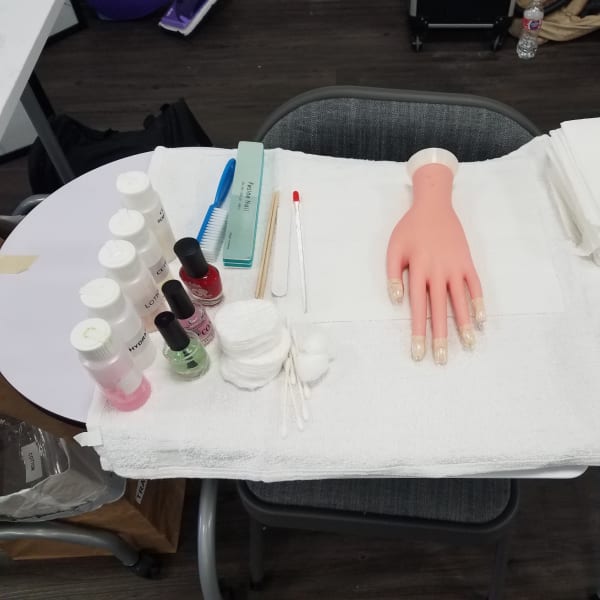
The Cosmetology Board Examination … the event that many, if not all, cosmetology students both anticipate and dread. Here is my story.
For those for whom I am just a hazy pre-pandemic memory, allow me to briefly introduce myself and summarize where I left off my story with this blog. And in future installments, I will cover more about practicing for the state board exam and the actual examination experience.
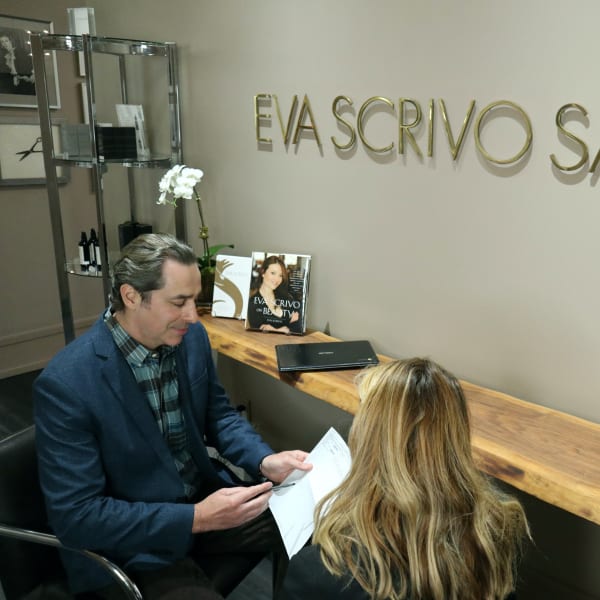
Getting employees to appreciate the importance of THE FUTURE with a 401K plan is the goal of Arik Efros, co-owner of the Eva Scrivo Salon. Efros outlines the importance of this perk and explains why many of the people in their NYC salon have already a nice bundle waiting for them upon retirement.

Julie Kandalec has fantastic personal style! Learn more about the manicurist to the stars.
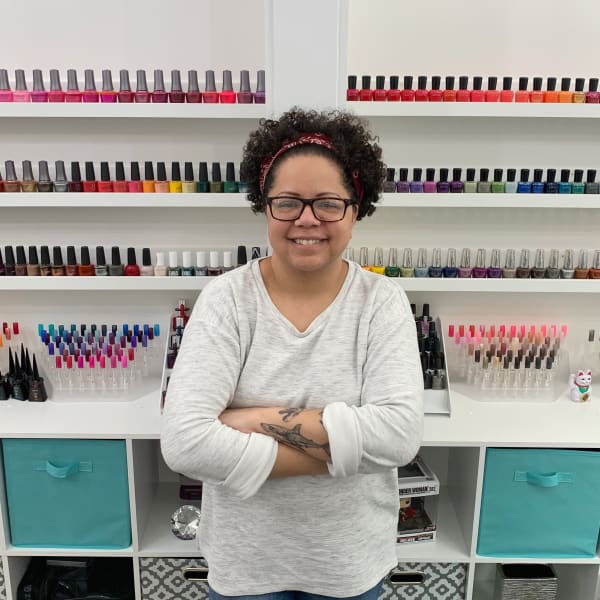
Learn more about celebrity nail artist, editorial artist, NYFW regular and salon owner Joanne Sorbello.
Get the five tips to winning NAHA's nail category from Reiko Omae. She entered just once and won.

"That first set of nails I did in the salon sucked but that client still comes back to me, three years later, because of the connection we made that day." Hear from the winners of these scholarships on how beauty helps them change lives and how it has changed their own.

Keeping it all in the family, this Dad and daughter keep each other inspired as they train to become beauty professionals.