




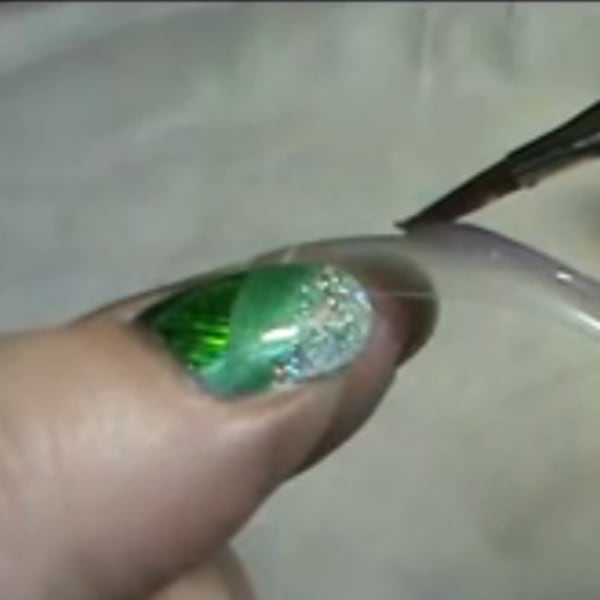
Reduce Filing by Sculpting with Your Brush
The FingerNailFixer Holly Schippers shows you how to reduce your finish filing time on gels by using your brush, instead of your file to sculpt the nail.
by Staff


 MENU
MENU SEARCH
Loading data...
The FingerNailFixer Holly Schippers shows you how to reduce your finish filing time on gels by using your brush, instead of your file to sculpt the nail.
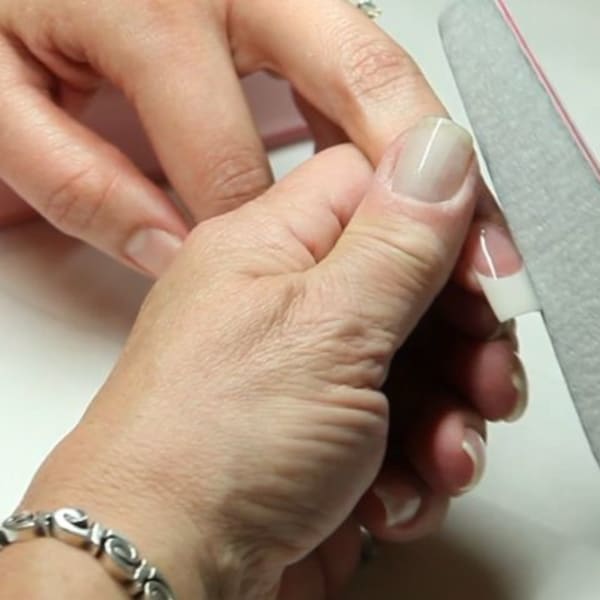

Vicki Peters and Holly Schippers show you how to hand file four common nail extension shapes into form: Square, Soft Corners, Squoval, Oval, and Almond.
FingerNailFixer Holly Schippers shows you how to file a slimming almond-shaped nail.
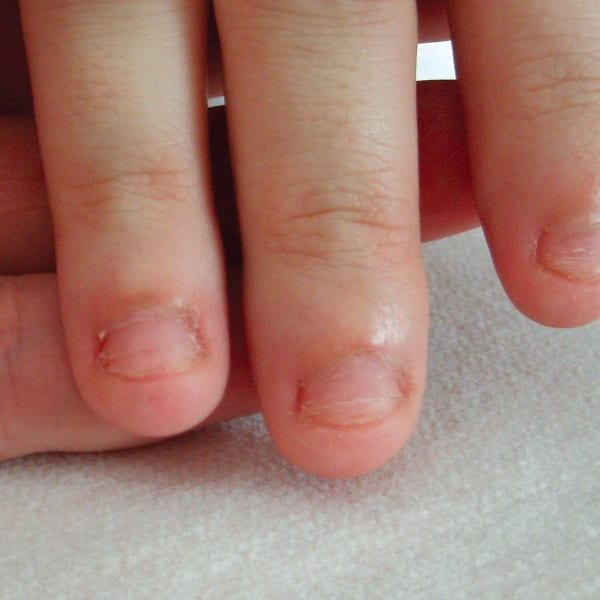
When nails are weary, weak, and inching toward the eponychium, a modified nail tip can be a great way to protect nails and encourage them to grow.
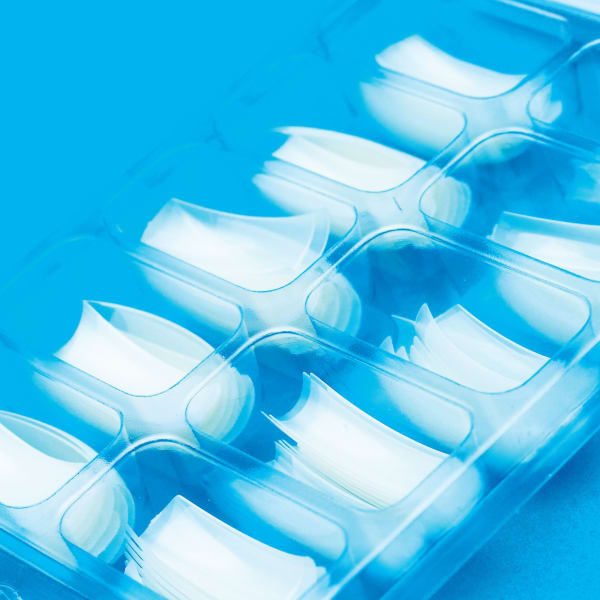
Though many technicians prefer to sculpt, a pre-made nail tip that can be adhered to the natural nail can give newbie nail techs a nice runway to learn the delicate craft of gel and acrylic sculpting, while providing great-looking results.
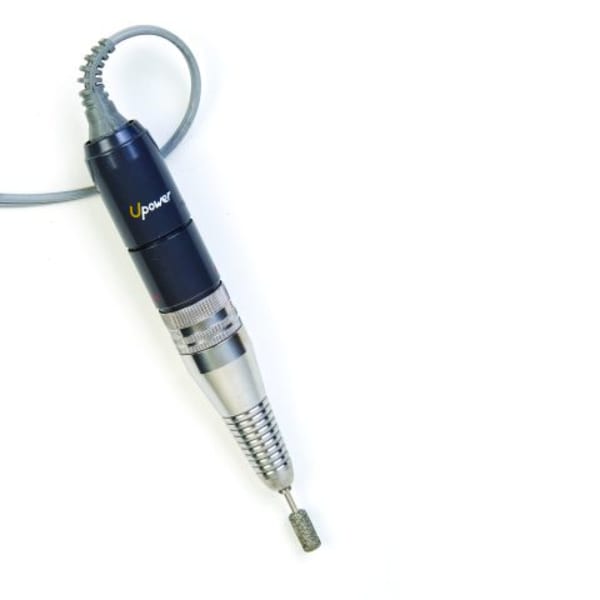
We asked techs to tell us what their ideal situations are for using hand files or e-files.
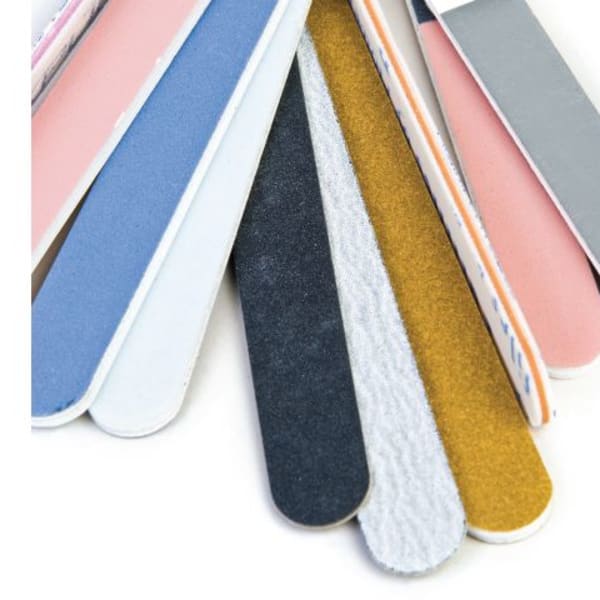
A guide that is needed for every nail tech when choosing nail files.
John Hauk, OPI technical advisor, award-winning competitor, and salon owner, speaks about a common problem that is slowing down services in salons.
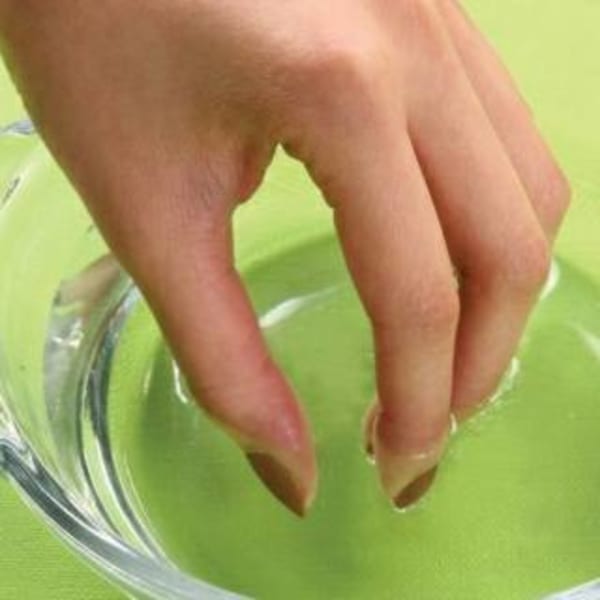
There are key differences between soak-off and regular gels that every nail tech should know about before performing the service.
Filing is so important to nail appearance, and with the advent of e-files, the techniques for hand-filing can be easily forgotten. Excellent hand-filing skills can help a competition tech rise above the pack, while everyday techs can woo clients with a deft hand and light touch.