Troubleshooter: How to Give Squares All the Right Curves
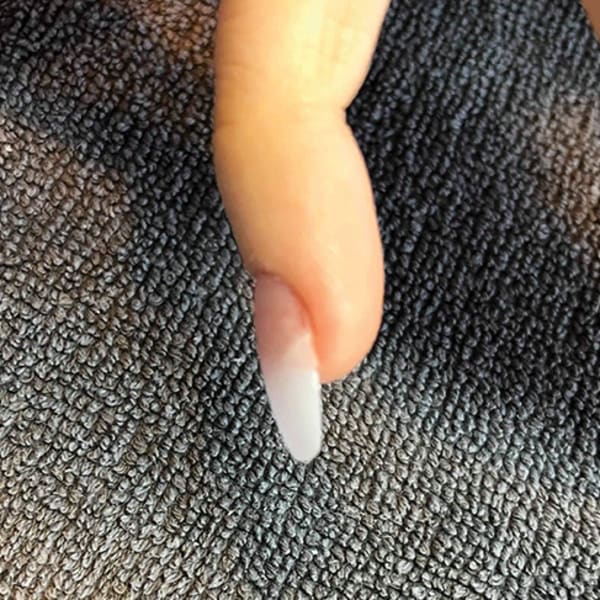
Whether your client wants oval or squoval nails, a squared nail is the best place to start.
by Staff
May 1, 1996
4 min to read
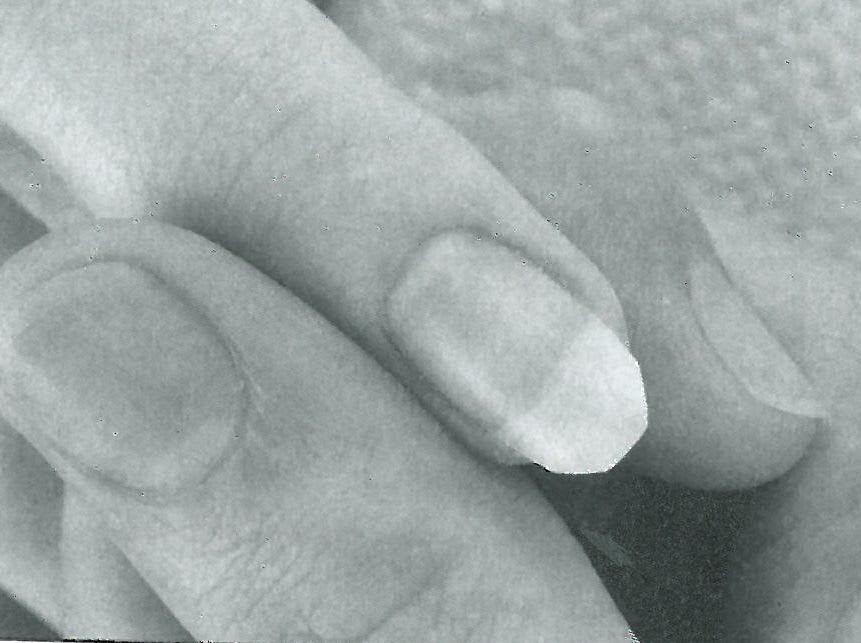
One of the beauties of a square-shaped nail — besides the most visible one — is that it’s the one shape that any other shape can evolve from. For this reason, many technicians prefer to always build a square nail, then shape it from there.
“When a client isn’t sure what shape she wants, I start with a severely squared tip, then round it into a shape she likes,” says Tim Farquar, owner of Tim’s Nail Salon in Dayton, Ohio. “If she doesn’t like it squared, it’s easy to change. If I start off with the nails rounded, I can’t go back.”
Ad Loading...
Another good reason for starting off with a square shape is uniformity, says Chris Haubruge, co-owner of Classic Cuts in Mojave, Calif. “It’s easier to build the nail structure when the edge is square because you can see all the structures coming together. You can look down the barrel and see all the high spots, and the nails tend to be more uniform,” she says.
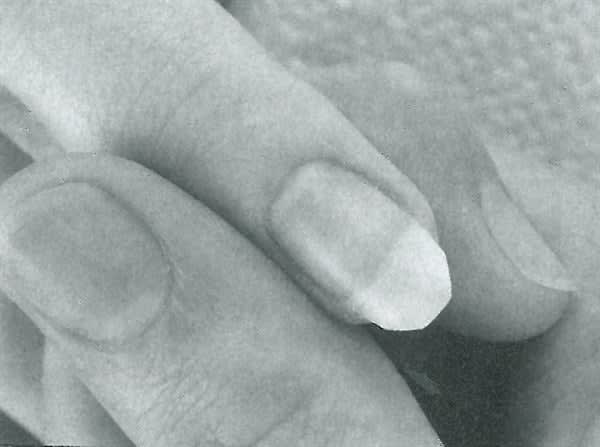
From a squared tip, it’s easy to make the nails squoval-, oval-, or almond-shaped. You can even progress through the shapes until you find one the client likes. “If someone wants anything other than square, I start off by rounding the corners more, not necessarily going for a drastic change. I do this on one nail, rounding the edges until she likes the shape. Then I change the shape of the rest of the nails to match,” says Farquar.
The trick to making oval nails as strong as square nails is keeping the sidewalls straight. “Don’t take away from the stress area,” says Doug Smith, a nail technician and manufacturer’s educator in San Diego, Calif. “You want the extension edge to be oval, but the sidewalls should come straight out.”
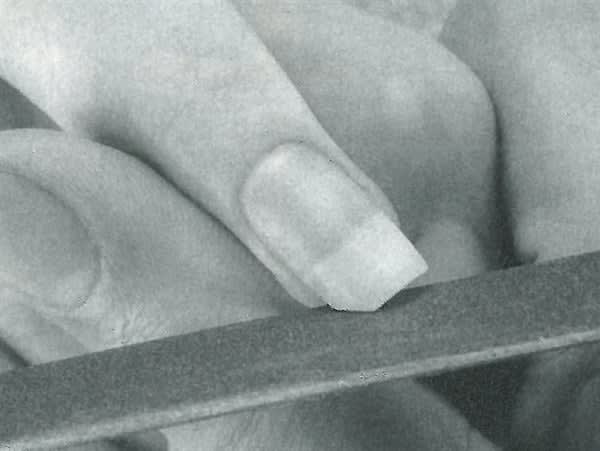
To “knock off the edges,” Smith files off one corner of the nail using a 180-grit file held at about a 45° angle to the corner. Then he files away the other comer. At this point, he says, the extension edge is shaped like a pentagon. “Then you just connect the comers by smoothing out the edge. After your free edge is rounded, bevel down the nail from the cuticle to the free edge to give the nail a natural shape and a nice C-curve,” he says.
Smith recommends using nothing heavier than a 180-grit file. “Anything heavier really disrupts the molecular structure of the product. Even with product that’s been on the nail for two weeks, a coarse abrasive will put valleys and pits into it. Compare it to taking every other cable out of a suspension bridge: The bridge is still they I but it’s not as strong as it used to be Even on a nail that’s been buffed to a high shine, if you look at it under a microscope, you will see scratches on the surface,” he explains.
Ad Loading...
“A square nail is beveled straight down the nail from the cuticle tin the free edge. An oval nail beveled at an angle toward the center of the nail so that the center is higher. This gives the nail a sleek look,” Smith says.
While Smith works on each corner separately, Haubruge recommends rounding the entire free edge at once. “Starting with the square shape, I place my file parallel to the free edge and tilt it back to the degree of roundness that I want. For a real pointed nail, I slant the file so that it is almost horizontal to the nail.
“Then I just file back and forth and shape both edges at once, which ensures that the corners are consistent. When you work on the other nails, hold the file at the same angle so the roundness is consistent from nail to nail,” Haubruge says As a final check, Haubruge recommends looking at the client’s nails from her perspective by having her place her elbow on the table and hold her hand up with the back of the hand facing you. “You see the nails differently at that angle and can judge if your oval is too high on one side,” she explains.
Marine-exclusive antioxidants act as a natural biological shield for the feet to help protect skin, smooth cracks, hydrate roughness, calm inflammation and disrupt bacterial and fungal activity, leaving feet feeling softer, smoother, more hydrated and healthier.
The MelodySusie P-PLUS30GT UV/LED Rechargeable Nail Lamp represents an upgrade in curing technology, designed to address several challenges through improved light reflection, intelligent heat management, and cordless operation.
Elevate your tip service with the OPI GELevate™ Extension System, featuring tailor-made Soft Gel Tips, GELevate 4-in-1 Builder with Intelli-Builder Technology and the Lightening Flash Cure Gel Lamp. This new system from OPI allows for flawless tips in no time.
Nail technicians are embracing the Medical Pedicure as a service and placing it on their menus. But what is it? What training is required? Is it within our scope of practice as licensed nail technicians?
MelodySusie introduces the Fleurwee Gel Nail Polish series—a revolutionary gel polish that is HEMA/HPMA- and TPO-free, plant-based gel polish for a high-quality nail care experience.
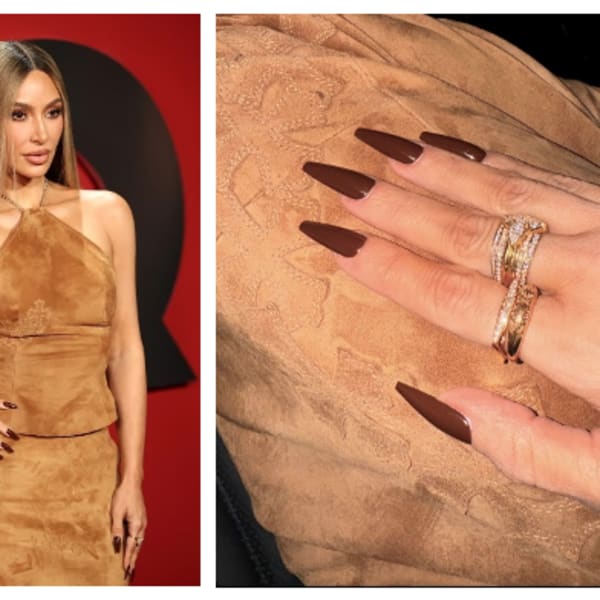
Kim Kardashian's manicure created for GQ’s annual 'Man Of The Year' event are the perfect understated, yet edgy look for fall or even the holiday party season.
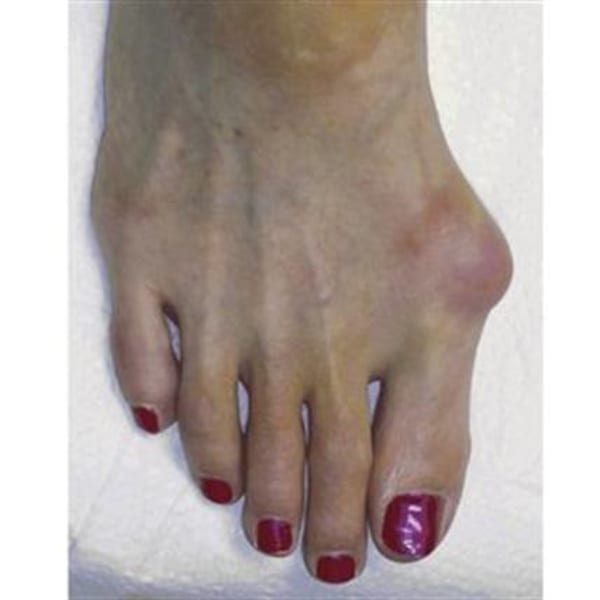
When the weight of the body lands on a swollen nerve, it can be debilitating. Learn the symptoms and alert clients to this common problem that develops in the nerves of the foot.
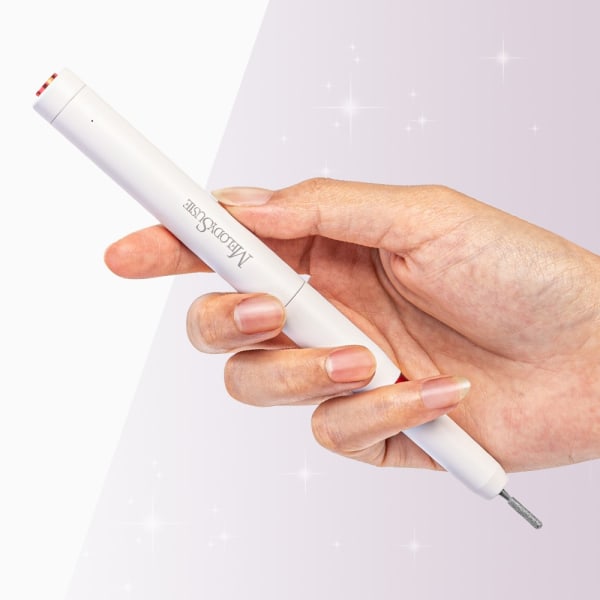
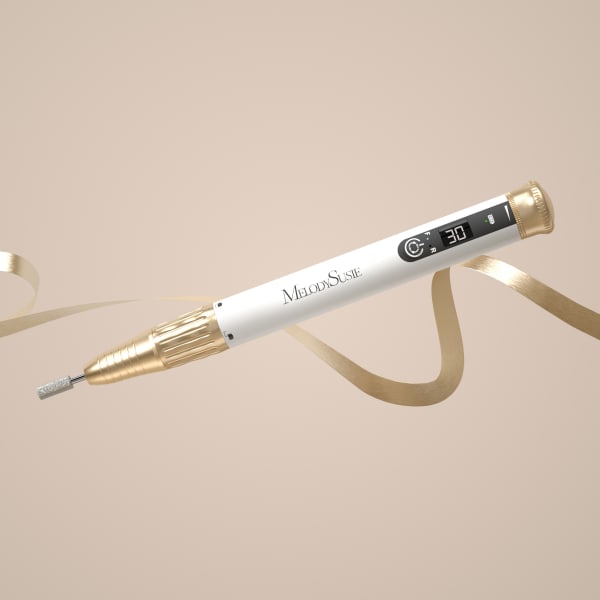
With the PC1 Nail Drill Pen, achieving healthy nails and a flawless manicure has never been easier. This user-friendly nail drill pen covers all your nail care needs.
Attending a presentation by Doug Schoon is an opportunity not to be missed for anyone in the nail care industry. His extensive expertise, commitment to accurate information, and engaging presentation style make for an enlightening experience.