





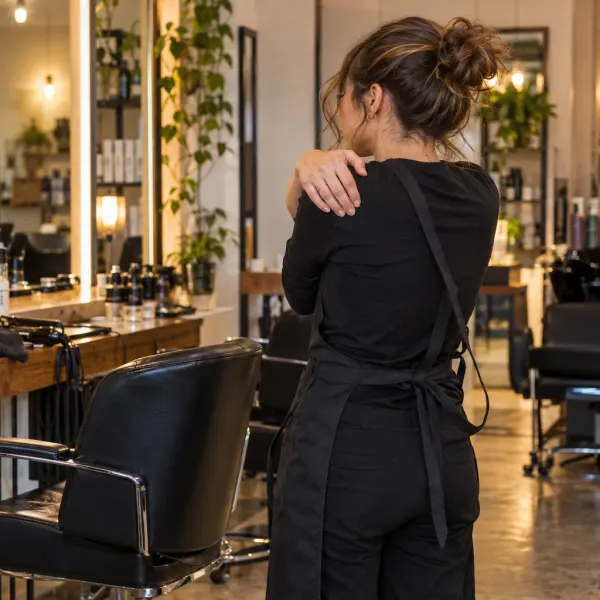
Why Salon Work Makes Your Body Ache & What You Can Do to Feel Better
We learn some simple moves and strategies to keep the blood pumping through the muscles and limit posture problems from The Balanced Beauty Pro
by Anne Moratto


 MENU
MENU SEARCH
Are your salon procedures safe for the health-sensitive community? Beauty industry expert Joy Johnson shares her tips for a safe salon and spa.

Joy A. Johnson, licensed nail professional, esthetician, and Founder/CEO of Joy of Beauty
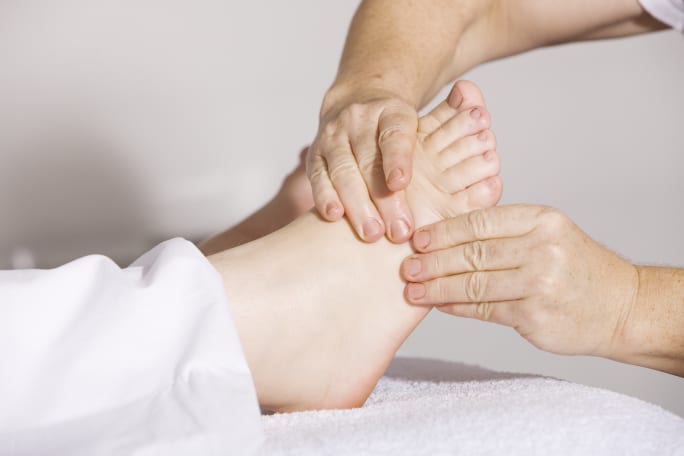
Clients of the health-sensitive community must be extra careful taking care of their feet.
We’re right in between Breast Cancer and Diabetes Awareness Months (October and November, respectively), and it’s a great time to remind yourself of all the important safety procedures you follow in your nail salon and why. Many techs have health-sensitive clients who need that extra bit of thoughtful care when it comes to their nail services. Do you know how to eliminate the biggest safety and sanitary concerns regarding those clients?
If you’re feeling unsure, beauty industry professional Joy A. Johnson is here to help. As a licensed nail technician, esthetician, and Joy of Beauty Founder and CEO, Johnson is an expert in the many facets of beauty with a special interest in servicing the immuno-compromised and health-sensitive client community. A caretaker for her elderly grandmother, Johnson also operates a mobile spa company, Nails & Faces of Joy, which aims to serve diabetic, elderly, and limited mobility clients.
Johnson has created a list of top ten safety and sanitation procedures to follow religiously to keep your nail salon or spa a safe place for those health-sensitive clients. It’s important to remember that the feet and nails are especially important areas to monitor closely for these clients, and these tips will help you help them in the safest ways.
Be sure your business is clean. Cleaning up after each client is paramount to stopping the spread of disease, but having a cleaning company come in after you close weekly or doing deep cleans yourself every week is very important. My grandmother always said, "Check to see if the corners are clean, to really know if a place is clean."
You should always ask your clients to wash their hands before you start, and you should do the same. Clean hands and work areas are the best way to start each service.
You should disinfect and sanitize your tools, implements, and equipment per your state board, manufacturer's recommendation, and common sense – especially the pedicure chairs. Many people wash the basin, but don't thoroughly disinfect the unit or run the jets for the appropriate amount of time per the state board-approved disinfectant.
It’s best to use as many disposable tools as possible. That may seem counterintuitive to being more sustainable, but you can build the price of the tools into your cost and give to your clients, or simply put them in the trash to help prevent the spreading of bacteria.
Communicating with your client effectively is imperative, so if there is a language barrier, consider downloading Google Translate so you and your client can ensure you are on the same page.
Do not use illegal tools, implements, or procedures; it's not worth the fines, risk, or the potential loss of your license. Some services are just beyond the scope of our practice, and we need to be honest about that and create a referral network for the professionals who can provide those services. Or, you can go back to school to gain the credentials necessary to perform those services.
Using implements or tools your client has bought for you to use on them is unsafe, nor does it reduce your liability if something goes awry. I know one of those famous TV doctors told people to bring their tools and implements to the nail salon, but that is not a good idea as we need to know if they have been adequately cleaned and disinfected. It doesn't lessen your responsibility if something adverse happens.
Take training courses from different manufacturers about proper sanitation and disinfection. Learn other methods, get different perspectives, and follow the procedures outlined for the brands you specifically use.
Say no to clients that cannot be safely provided for. If a client has an open wound or injury that you CANNOT avoid during the desired treatment or service, inform the client of this and rebook them for an estimated time that it should be healed, or ask them to rebook once it is healed. If necessary, ask for a doctor’s note clearing them for the desired treatment.
Commit to taking courses and using products for sensitive, immuno-compromised, or specific needs clients. For example, Joy of Beautyis a diabetic-friendly body care brand that offers 50% discounts to pros and formulates their products for the diabetic and immuno-compromised community. sa'Sha is a callus care brand that has universal uses from calluses to cuticle care and is developed safe for a wide range of individuals, including people with diabetes, those with compromised immune systems, and even oncology (with a doc’s note of course). LCN is a brand that offers toenail restoration, anti-aging and diabetic-friendly foot and hand products. Footlogix is a line of foot care products that includes a mousse for every type of foot need – cold feet, smelly feet, dry feet, sweaty feet, and so much more.

Joy of Beauty's award-winning Poppyseed & Kokum Whipped Body Scrub is diabetic-friendly and perfect for health-safe pedicures.
For more of Johnson’s tips on this topic, check out:
We learn some simple moves and strategies to keep the blood pumping through the muscles and limit posture problems from The Balanced Beauty Pro
Uncured gel polish and microscopic e-file dust contain active acrylates that penetrate the skin, triggering permanent contact dermatitis. Learn the chemistry behind these irritants and how to protect your clients and yourself.
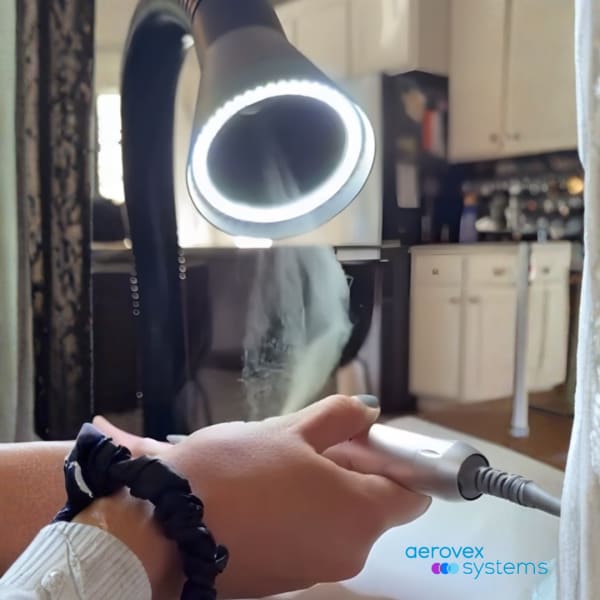
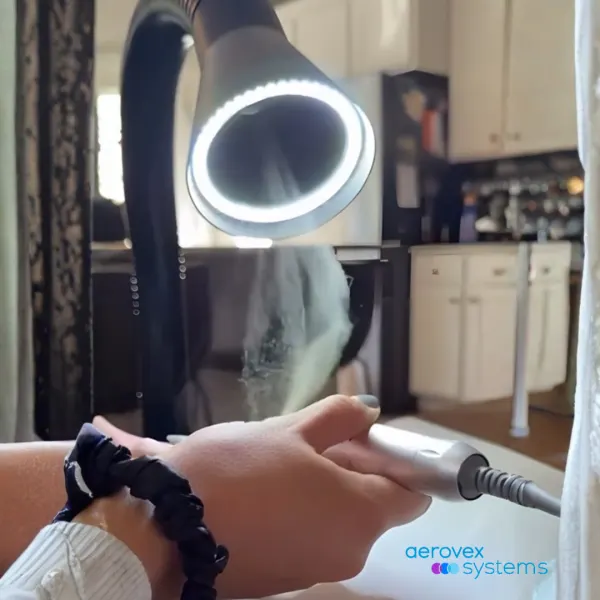
What actually counts as 'source capture' under nail salon ventilation code, and what doesn't (even if it feels like it should).
Sponsored by Aerovex Systems
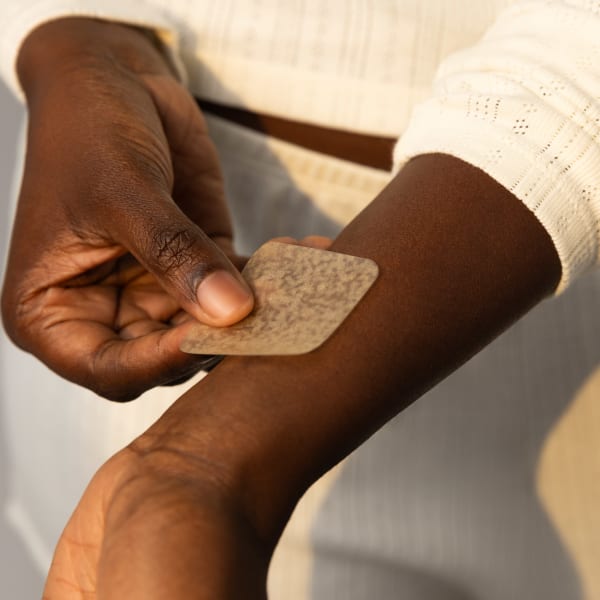
The Good Patch is a leading wearable wellness patch brand, offering wellness and skincare patches that support everyday needs including energy, sleep, relaxation and more.

Orthopedic PT reveals three daily exercises plus ergonomic advice that can help salon professionals avoid the aches and injuries caused by standing, bending and repetitive overhead work.

From breaking free of external validation to creating joy-based goals, discover a more sustainable and fulfilling path to success.
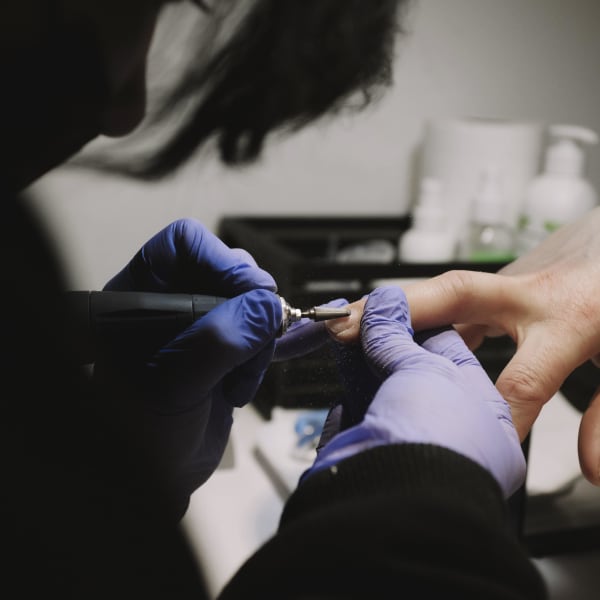
From acrylic monomers to airborne bio-dust, the air inside a nail salon carries risks most professionals never see coming. Aerovex Systems reveals the source-capture and room-purification strategies that are setting a new standard for salon safety.
Sponsored by Aerovex Systems
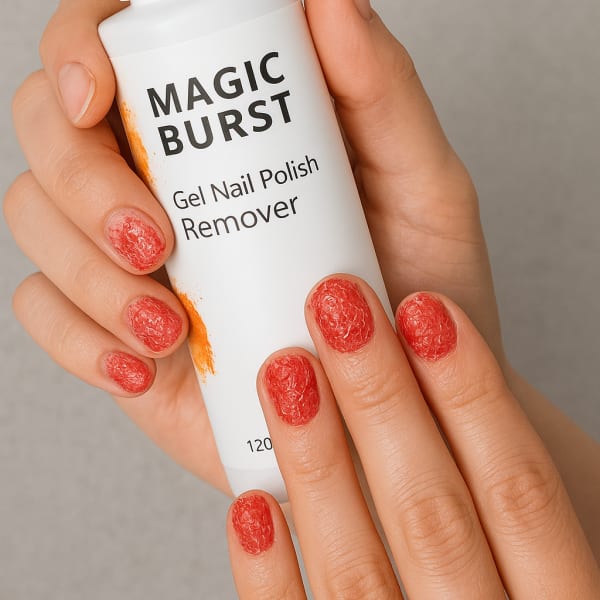
Products marketed as 'magic' or 'burst' gel removers may contain methylene chloride, a federally banned, highly toxic chemical.
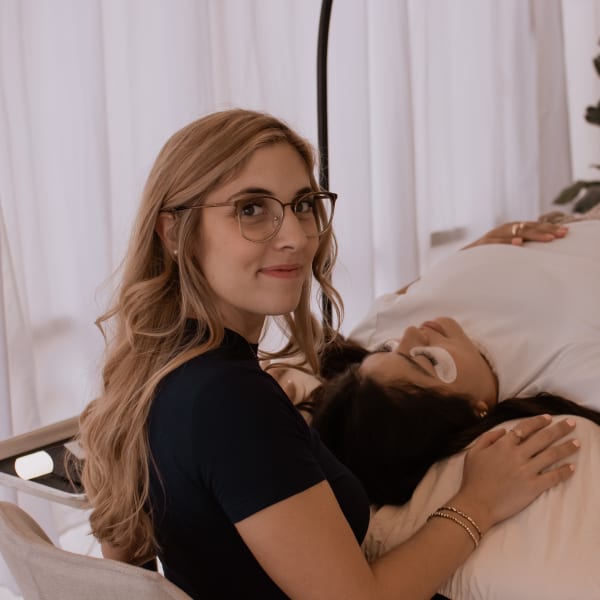
Working in beauty doesn’t have to hurt. Learn how Somatic Movement helps hairstylists, lash artists, and other beauty pros release tension, improve posture, and extend their careers.
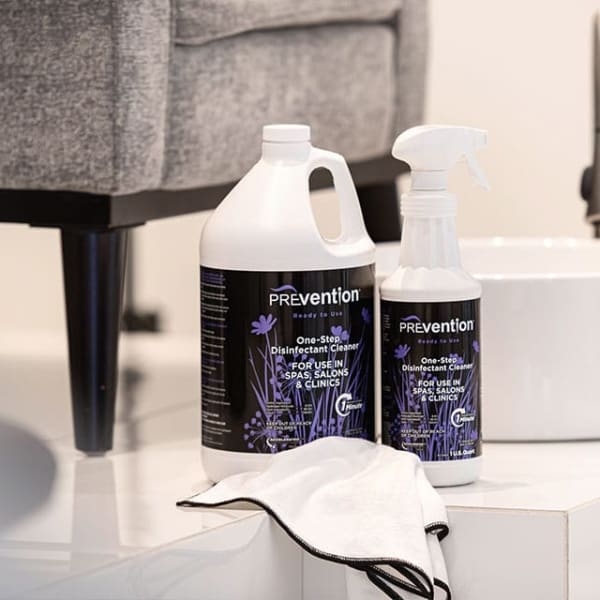
As a spa or salon professional, your clients expect more than just beauty—they expect safety, hygiene, and peace of mind. Fungal infections like Athlete’s Foot and Nail Fungus are more common than you think, especially in environments where tools and footbaths are reused without proper sanitation. This blog covers how to stop these issues before they start, using proven infection prevention strategies for salons and spas.
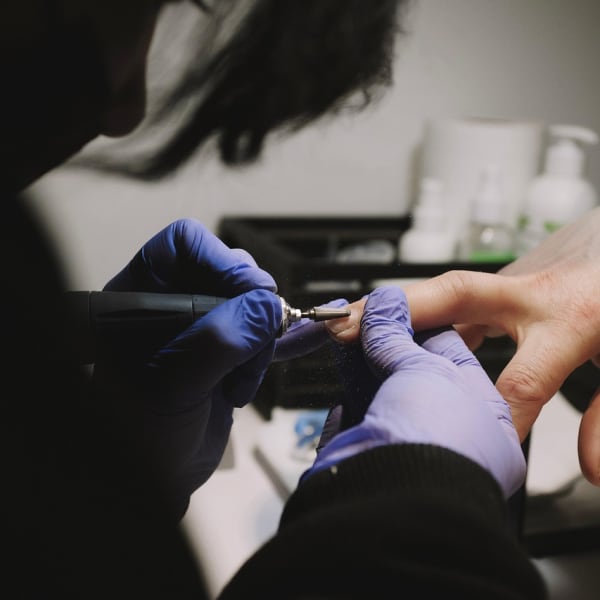
A federal initiative aimed at studying chemical exposure in nail salons has ended due to staffing and budget changes. Here’s what the project set out to do—and what its conclusion means for salon professionals.
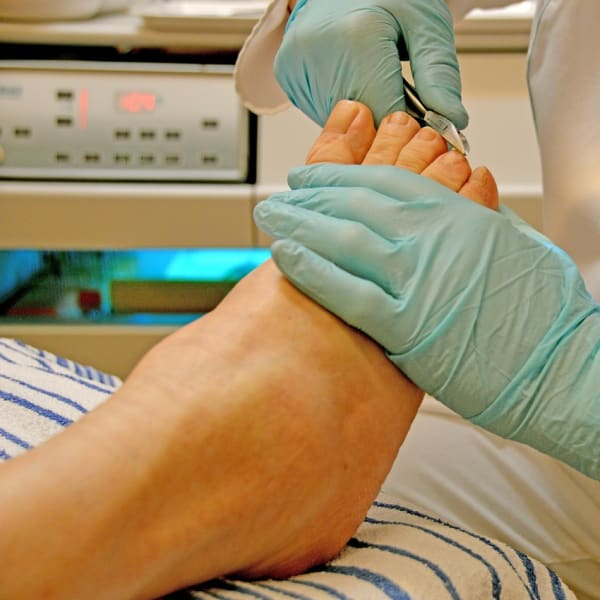
For many people, a pedicure is a relaxing beauty ritual. But what most don’t realize is that this simple service, if done without proper hygiene and sanitation, can cause serious infections and long-term health issues.
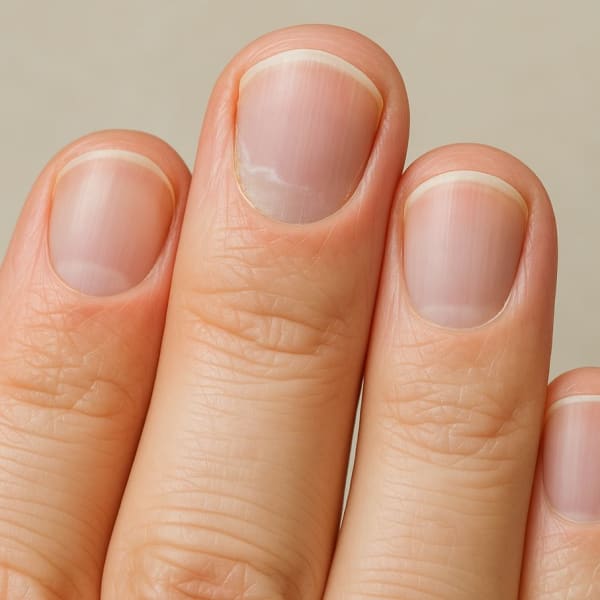
Onycholysis is the separation of the nail plate from the nail bed. While it may look painful, it typically isn’t—at least not at first. But without proper care, this common nail disorder can lead to infections, deformities, and long-term damage.

Mckenzie Kool, Psychologist, MC, RPsych provides us with guidance on what may or not be helpful in speaking with someone who has suffered a significant loss.
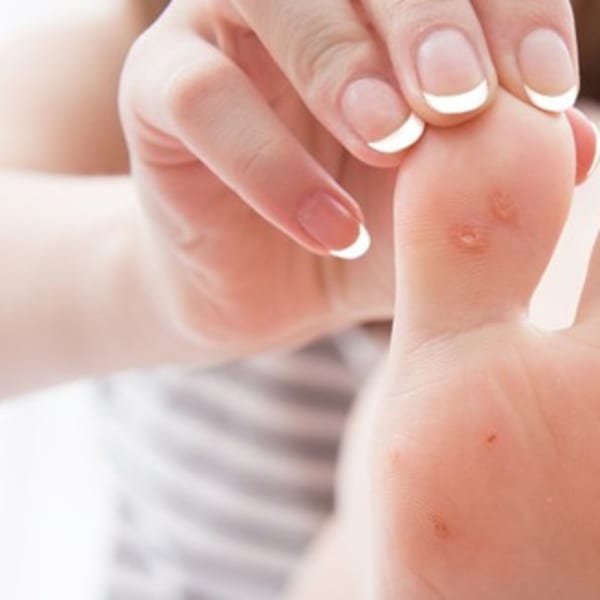
Clients come to you to feel their best—not leave with a viral souvenir. Warts and cold sores can spread fast in busy salons, but a few smart habits make all the difference. Let’s talk about what’s really lurking in your salon (and how to kick it to the curb).

As Earth Day approaches, The Green Beauty Community Foundation and the Green Spa Network invite beauty pros to step forward and embrace sustainability through the Green Pledge--a powerful initiative designed by and for beauty industry leaders.

Don’t cancel Valentine’s Day altogether, urges Jill Palmquist. Instead, think of it as a (frilly, flowery, Champagne-bubbly) wake-up call to fall deeply in love with your own life.