





Why Salon Work Makes Your Body Ache & What You Can Do to Feel Better
We learn some simple moves and strategies to keep the blood pumping through the muscles and limit posture problems from The Balanced Beauty Pro
by Anne Moratto


 MENU
MENU SEARCH
Orthopedic PT reveals three daily exercises plus ergonomic advice that can help salon professionals avoid the aches and injuries caused by standing, bending and repetitive overhead work.
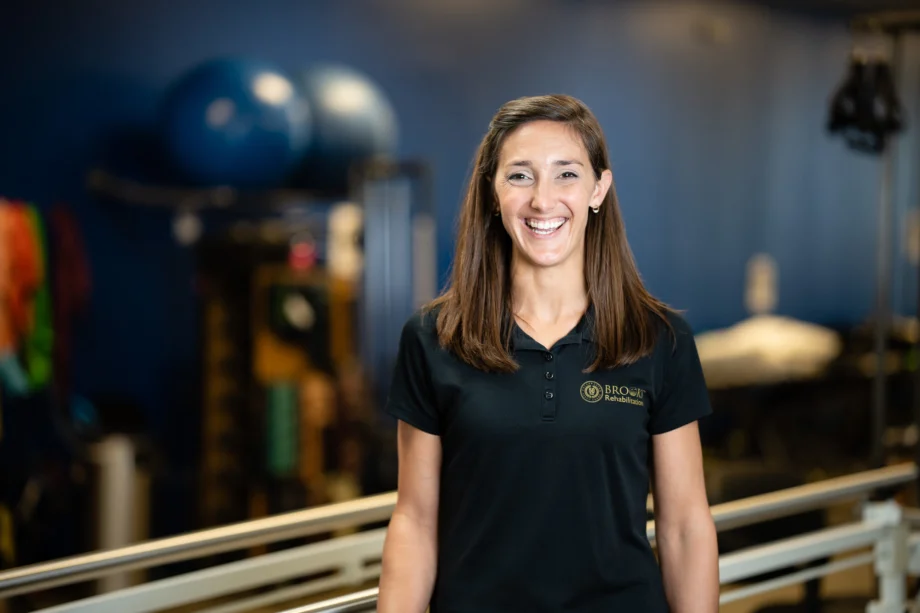
Mallory Behenna, PT, DPT, orthopedic physical therapist at Brooks Rehabilitation
Hairdressers, barbers and nail technicians spend hours each day standing, bending forward and performing repetitive movements that can take a toll on the neck, shoulders and back. While posture braces and corrective devices continue to trend online, physical therapists say preventing pain through movement and proper body mechanics is far more effective.
To help salon professionals stay healthy throughout long workdays, Mallory Behenna, PT, DPT, orthopedic physical therapist at Brooks Rehabilitation, shares three simple exercises everyone should do daily, along with ergonomic techniques specifically for hairstylists and nail technicians.
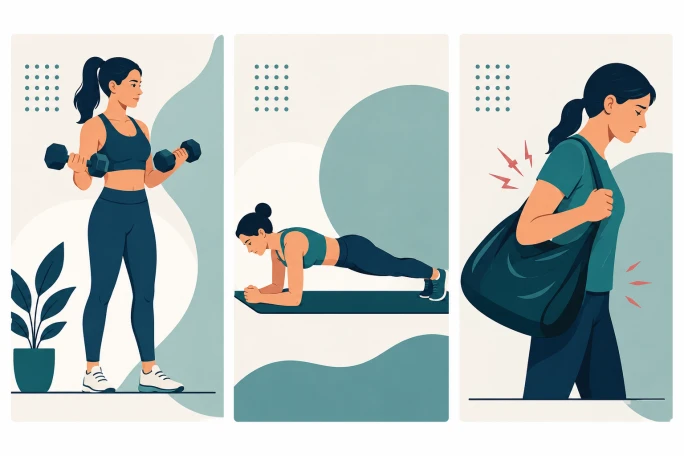
This image was AI-generated using ChatGPT. Refer to our Terms of Use.
"Newton's idea of 'a body in motion stays in motion' is not only applicable to physics, but also to the human body," said Behenna. "Anytime we have to maintain the same posture for a prolonged period of time, our bodies will get stiff and sore. For professionals who have to maintain the same position for long periods of time, I recommend coming out of that position at least once every 10 minutes or so. Even the smallest change in position—letting an arm rest by the side or sitting up from a hinged-forward position for a few seconds—can allow some relief to the joints."
While many people think of planks as an ab exercise, they also improve posture by strengthening the muscles that support the spine.
"Planks work your core stability and endurance, which helps with overall balance and stability as well as protecting your spine," said Behenna.
How to do it: Get into a push-up position with your body in a straight line from head to toe. Avoid letting your hips sag or rise too high. Hold for up to 60 seconds, gradually increasing your time.
Standing all day often leads people to favor one leg, creating muscle imbalances over time.
How to do it: Using the bottom step of a staircase or a sturdy 4-8 inch platform, step up with one leg, then slowly lower back down. Perform 10-15 repetitions for three sets on each leg. For an added challenge, bring your knee toward your chest as you step up.
Strong hip abductors help stabilize the body during standing and walking—especially important for professionals who spend hours on their feet.
How to do it: Lie on one side with your bottom knee bent and top leg straight. Raise the top leg while keeping your heel slightly behind your hip. Lower slowly and repeat 10-15 repetitions for three sets.
Hairstylists often spend hours working with their arms elevated, which can overload the shoulders and neck.
"For hairstylists who have to spend a lot of their days working overhead, I recommend keeping the elbow by the side and shoulder blade shrugged down and back as much as possible to avoid excessive stress placed through the shoulder, or overworking of the upper trapezius muscles," said Behenna.
She also recommends using body weight—not just arm strength—when working through thick, wet hair.
"Use a weight shift to comb or brush through thick, wet hair versus the arm muscles to decrease stress in the shoulder. Think of the arm as an extension of your body, and the position of the hips and pelvis controls the arm. Shifting the weight through the hips and pelvis can control the motion of the arm."
Nail technicians often spend hours leaning forward, making spinal positioning especially important.
"For a nail tech who spends a lot of time bent over, it is very important to hinge from the hips versus rounding the spine to work on people's nails," said Behenna. "Bending from the spine puts more stress on the muscles and joints, while hinging from the hips allows the spine to stay in a more comfortable, neutral position and avoids unnecessary stress."
She also advises keeping both feet planted on the floor.
"The feet help offload the spine when sitting, so be sure to allow them to help by keeping them in contact with the floor, rather than resting them on the wheels or feet of a chair."
The average American spends more than nine hours per day in front of screens, contributing to "tech neck."
"Rounded shoulders can cause and increase neck pain because the muscles that control the shoulder blade are not able to activate in this position," said Behenna. "This causes the muscles on the top of the shoulder blades going into the neck to work harder to hold the arms in place, leading to tightness, limited range of motion, neck pain and headaches."
"Holding a very heavy weight on just one side can be beneficial when done correctly—we even use it as an exercise," said Behenna. "However, it can also be detrimental if you cannot maintain a neutral position against the weight. This puts more stress on the neck, shoulders, thoracolumbar spine and core muscles, which can cause or exacerbate pain."
"I actually love sleeping on my stomach; it is by far my most comfortable position," said Behenna. "But sleeping on the stomach puts the neck at the end-range of rotation and holds it there for hours, causing more strain on the muscles, joints and discs in the neck."
She recommends sleeping on your back or side with pillows supporting the neck in a neutral position.
A poorly sized keyboard can contribute to carpal tunnel syndrome, repetitive strain injuries and spinal dysfunction. Choose an ergonomic setup that matches your frame and keeps your shoulders in a neutral position.
Originally posted on Modern Salon
We learn some simple moves and strategies to keep the blood pumping through the muscles and limit posture problems from The Balanced Beauty Pro
Uncured gel polish and microscopic e-file dust contain active acrylates that penetrate the skin, triggering permanent contact dermatitis. Learn the chemistry behind these irritants and how to protect your clients and yourself.
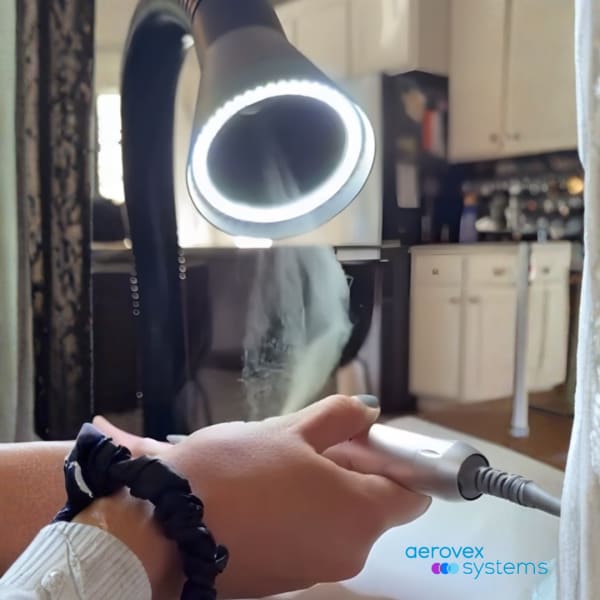
What actually counts as 'source capture' under nail salon ventilation code, and what doesn't (even if it feels like it should).
Sponsored by Aerovex Systems
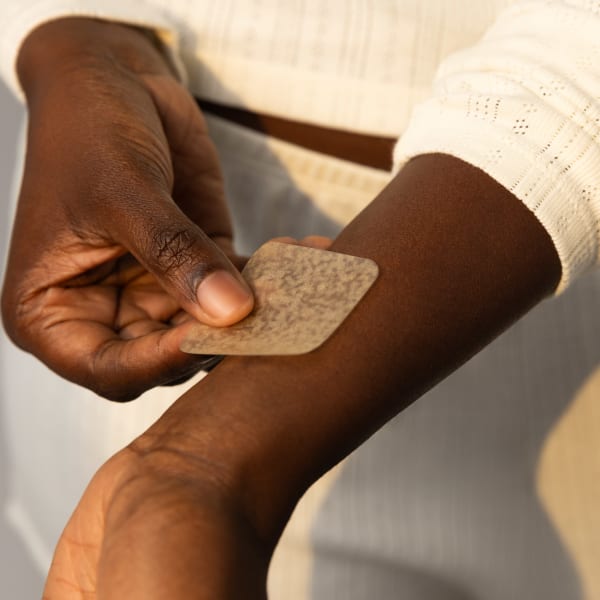
The Good Patch is a leading wearable wellness patch brand, offering wellness and skincare patches that support everyday needs including energy, sleep, relaxation and more.

From breaking free of external validation to creating joy-based goals, discover a more sustainable and fulfilling path to success.
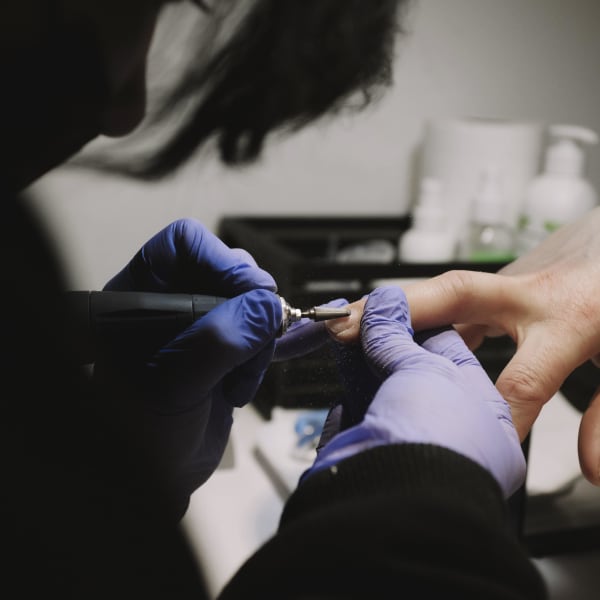
From acrylic monomers to airborne bio-dust, the air inside a nail salon carries risks most professionals never see coming. Aerovex Systems reveals the source-capture and room-purification strategies that are setting a new standard for salon safety.
Sponsored by Aerovex Systems
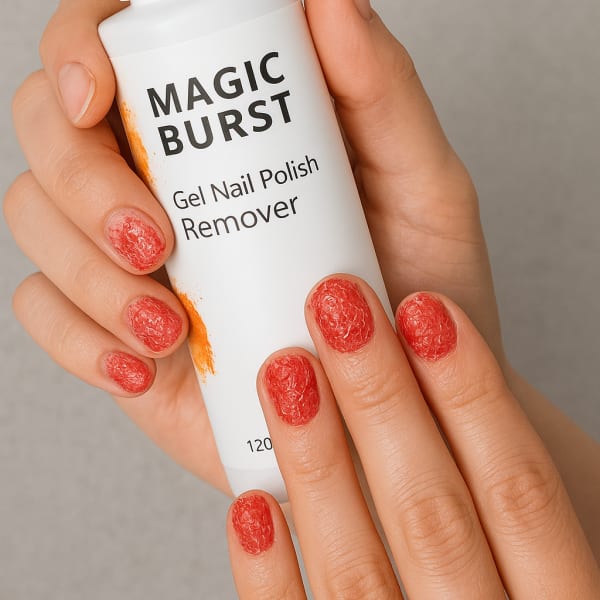
Products marketed as 'magic' or 'burst' gel removers may contain methylene chloride, a federally banned, highly toxic chemical.
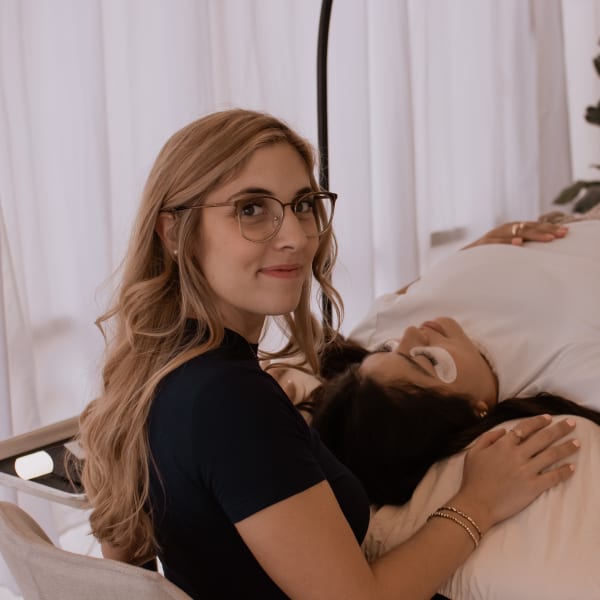
Working in beauty doesn’t have to hurt. Learn how Somatic Movement helps hairstylists, lash artists, and other beauty pros release tension, improve posture, and extend their careers.
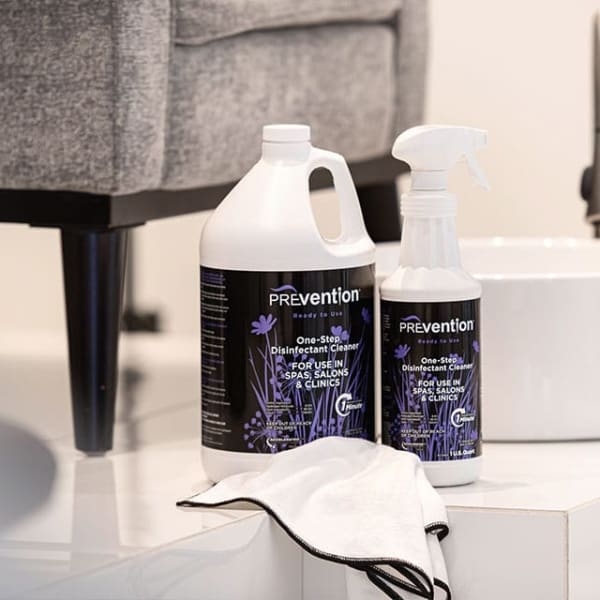
As a spa or salon professional, your clients expect more than just beauty—they expect safety, hygiene, and peace of mind. Fungal infections like Athlete’s Foot and Nail Fungus are more common than you think, especially in environments where tools and footbaths are reused without proper sanitation. This blog covers how to stop these issues before they start, using proven infection prevention strategies for salons and spas.
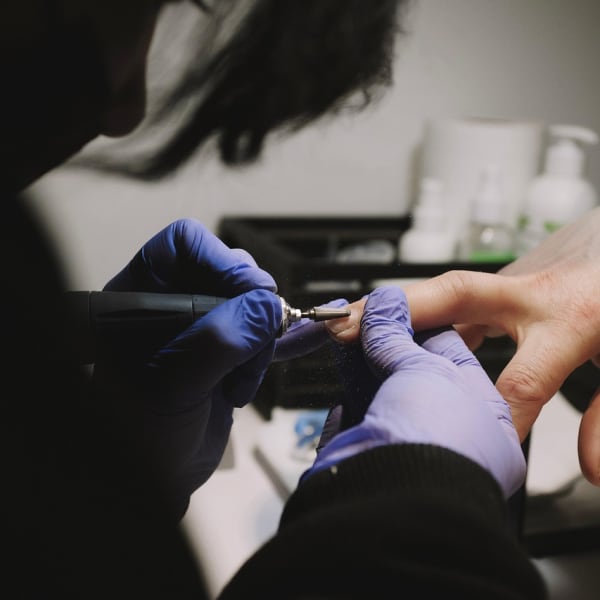
A federal initiative aimed at studying chemical exposure in nail salons has ended due to staffing and budget changes. Here’s what the project set out to do—and what its conclusion means for salon professionals.
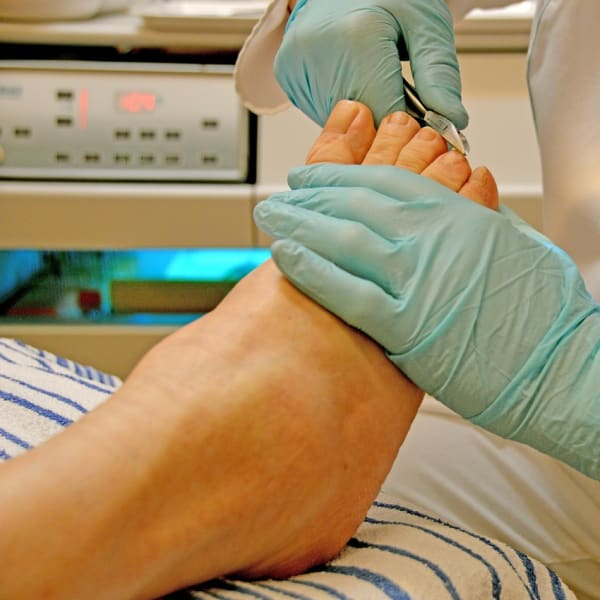
For many people, a pedicure is a relaxing beauty ritual. But what most don’t realize is that this simple service, if done without proper hygiene and sanitation, can cause serious infections and long-term health issues.
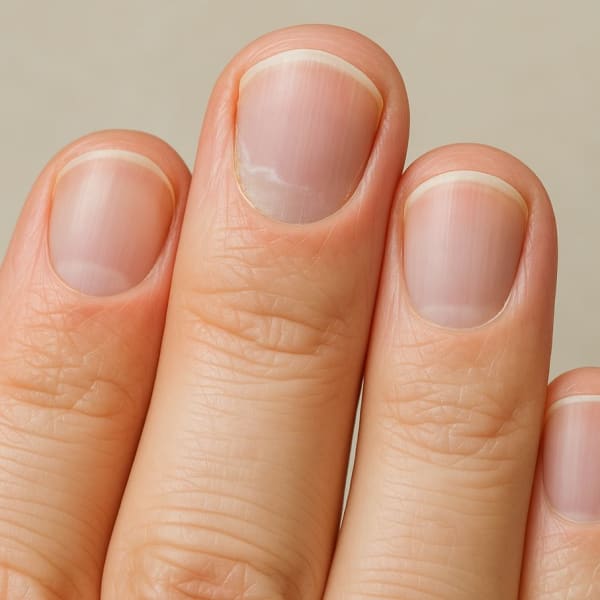
Onycholysis is the separation of the nail plate from the nail bed. While it may look painful, it typically isn’t—at least not at first. But without proper care, this common nail disorder can lead to infections, deformities, and long-term damage.

Mckenzie Kool, Psychologist, MC, RPsych provides us with guidance on what may or not be helpful in speaking with someone who has suffered a significant loss.
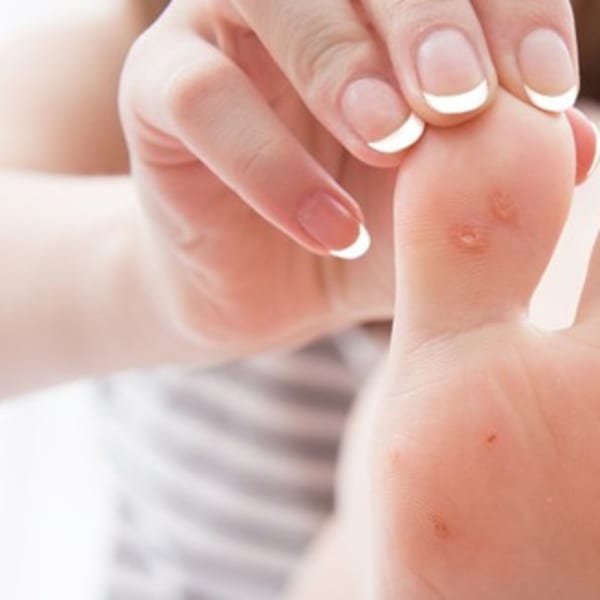
Clients come to you to feel their best—not leave with a viral souvenir. Warts and cold sores can spread fast in busy salons, but a few smart habits make all the difference. Let’s talk about what’s really lurking in your salon (and how to kick it to the curb).

As Earth Day approaches, The Green Beauty Community Foundation and the Green Spa Network invite beauty pros to step forward and embrace sustainability through the Green Pledge--a powerful initiative designed by and for beauty industry leaders.

Don’t cancel Valentine’s Day altogether, urges Jill Palmquist. Instead, think of it as a (frilly, flowery, Champagne-bubbly) wake-up call to fall deeply in love with your own life.

Life coach and Culture Ambassador of Sam Villa, Andrew Carruthers, outlines how to tell if your burnout is temporary - or if it's time to make a bigger career change.