




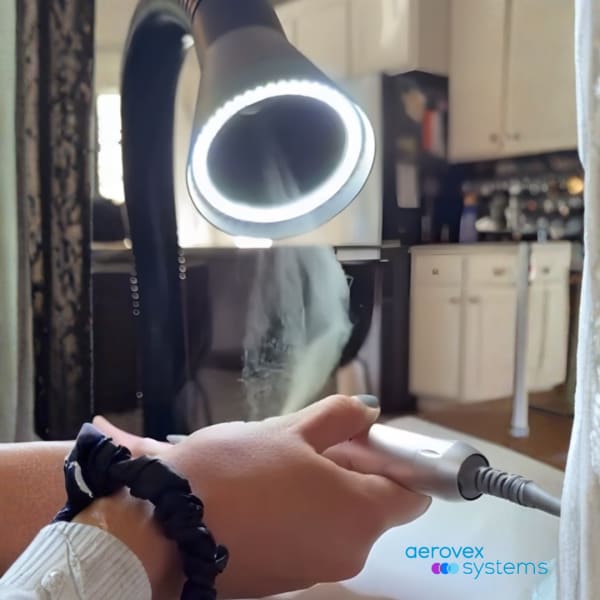
The Nail Salon Ventilation Code Every Owner Should Know
What actually counts as 'source capture' under nail salon ventilation code, and what doesn't (even if it feels like it should).
Sponsored by Aerovex Systems


 MENU
MENU SEARCH
Uncured gel polish and microscopic e-file dust contain active acrylates that penetrate the skin, triggering permanent contact dermatitis. Learn the chemistry behind these irritants and how to protect your clients and yourself.
Aerovex Systems
*Summarized by AI
This article was repurposed with permission from Aerovex Systems.
For nail technicians, understanding the chemistry behind your products isn’t just about sounding smart—it’s about client safety, retention, and protecting your own career.
While acrylates and methacrylates both belong to the broader acrylic family, they have distinct chemical structures, properties, and risk profiles. Furthermore, industry experts like Doug Schoon, a prominent cosmetic chemist and nail scientist, point out that our biggest safety threat isn’t just breathing in salon odors—it’s the massive surge in skin allergies caused by under-cured products and microscopic dust.
Here is the ultimate breakdown of the major chemical differences you need to know, and why managing them is critical to your health.
At a molecular level, the difference comes down to a single extra group of atoms, but that group completely changes how the product behaves:
When we look at modern gel products, a few specific monomers are responsible for the vast majority of skin sensitization cases:
Because of their different physical properties, manufacturers use them for distinct types of nail enhancements:
Feature | Acrylates | Methacrylates |
|---|---|---|
Commonly Found In | UV/LED Hard Gels, Gel Polishes, Wraps/Glues (Cyanoacrylates) | Traditional Acrylic Liquid & Powder (EMA/MMA), some Gel products |
Flexibility | High. Great for natural nail overlays and flexible gel extensions. | Low to Medium. Provides the hard, rigid strength needed for long extensions. |
Odor | Typically lower odor (in gel form). | Strong, distinct chemical odor (liquid monomer). |
This is the most crucial distinction for your daily practice. While nail vapors (like acetone or cyanoacrylates) can irritate the eyes and respiratory tract, professional nail products typically fall well below OSHA’s permissible exposure limits (PELs).
Instead, the true epidemic in the nail industry is Contact Dermatitis (allergic reactions) caused by skin absorption.
These are notorious for being potent sensitizers when they are in their uncured, liquid state. Because gels don’t evaporate, they sit on the skin if misapplied. If uncured gel touches your skin or your client’s skin repeatedly—via sloppy application or touching the sidewalls—it can trigger a lifelong allergy. (Learn more about preventing this in Aerovex's guide to understanding contact dermatitis in nail salons.)
“While workspace odors are highly noticeable, the true career-ending hazard in the nail salon is invisible: skin absorption of active, uncured acrylates.”
The allergy risk depends entirely on the specific type of monomer used:
An allergic reaction to acrylates doesn’t always stay on your fingers. While the primary symptoms include redness, itching, burning, swelling, and painful blistering around the nail beds (paronychia), the secondary risks are often unexpected.
Because technicians frequently touch their own faces, necks, and eyes during the workday, the uncured dust or liquid residue on their hands transfers to other areas. This leads to ectopic contact dermatitis—manifesting as severe swelling, redness, and peeling of the eyelids, lips, cheeks, and neck. Many technicians mistakenly attribute these symptoms to seasonal allergies or cosmetics, failing to realize their nail products are the true culprit.
Aerovex Systems
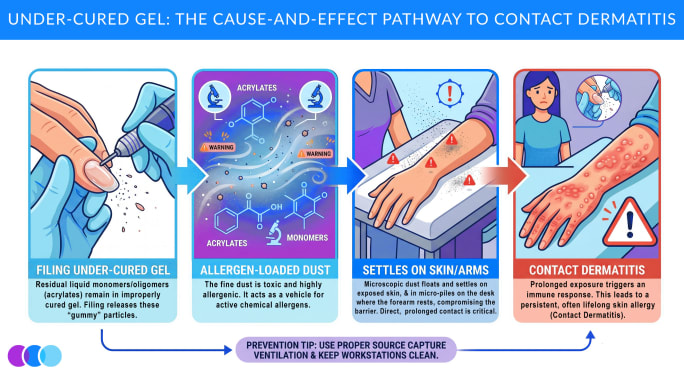
How these chemicals transition from liquid to solid matters immensely for your safety. Doug Schoon heavily emphasizes that under-curing is currently a direct industry crisis, driven by cheap, weak, or mismatched UV/LED lamps.
The Under-Curing Trap: A gel enhancement can feel completely “hard” to the touch at only a 50% to 60% cure rate.
When a product is under-cured, a highly allergenic chemical “goo” remains trapped inside the nail. True safety and chemical stability are only reached when a product achieves a 90% cure rate, turning the monomers into safe, inert, fully linked polymers.
Even when fully cured, a thin layer on top remains sticky. This is the oxygen inhibition layer, where atmospheric oxygen prevents the surface monomer from polymerizing. This sticky layer is composed of 100% raw, active, uncured acrylates. When you wipe it off or file it, you must handle it with extreme caution to prevent direct skin contact.
Many technicians believe that a standard dust mask solves the problem, but dust poses a massive skin allergy risk. When using an e-file, a massive plume of fine particulate dust is thrown into the air.
“Standard dust masks only protect your lungs from large particles, leaving your bare forearms, face, and eyelids completely vulnerable to active, unlinked acrylate allergens.”
If those enhancements are under-cured, that microscopic dust is packed with active, unlinked allergens. When that dust settles onto your bare hands, face, or eyelids, your skin absorbs the chemicals, rapidly triggering severe contact dermatitis.
For a nail technician, a severe acrylate allergy is a permanent career-ender—even minor future exposure will cause painful, blistering skin reactions. Furthermore, it carries major medical consequences later in life, as the same acrylates are used in dental fillings and joint replacement bone cements.
Understanding salon safety is also a matter of legal compliance. In many jurisdictions, building codes have caught up to the chemistry. Under the International Mechanical Code (IMC) Section 403.3, nail salons are legally required to operate dedicated mechanical exhaust systems to capture chemical vapors and dust.
To meet IMC standards, a salon’s local exhaust ventilation must:
For salons seeking complete compliance without bulky, noisy renovations, the Whisper MiniVent™ Source Capture System is specifically engineered to vent outdoor air in perfect accordance with IMC guidelines while capturing fine dust particles in an internal, high-capacity filter bag. Read more about the specifics of outside ventilation compliance and local building codes.
To keep your lungs, skin, and career safe from the invisible dangers of uncured acrylates:
Always use the exact UV/LED lamp recommended by your product manufacturer. Different gels require specific wavelengths and light intensities to reach a safe, 90% polymer polymerization state.
Standard latex or vinyl gloves offer virtually zero protection against acrylates; the chemical monomers can penetrate these materials in less than a minute. To protect your hands, you must wear medical-grade nitrile gloves with a minimum thickness of 8 mils (or double-glove with thinner 4-mil nitrile gloves). Nitrile only acts as a temporary barrier, meaning you must change your gloves immediately if wet monomer or gel touches them.
Relying on standard table fans or passive dust collectors just circulates these microscopic allergens around the room, letting them settle back onto your skin and workspace.
True air safety requires a comprehensive approach. Aerovex Systems’ proprietary 3-Zone Protection Model is a scientifically backed framework designed to keep your air safe at every level:
By securing all three zones, you protect your passion, your clients, and your long-term health.
Active acrylates can penetrate the skin and lead to permanent contact dermatitis, an allergic reaction causing inflammation and irritation.
*Summarized by AI
What actually counts as 'source capture' under nail salon ventilation code, and what doesn't (even if it feels like it should).
Sponsored by Aerovex Systems
The Good Patch is a leading wearable wellness patch brand, offering wellness and skincare patches that support everyday needs including energy, sleep, relaxation and more.
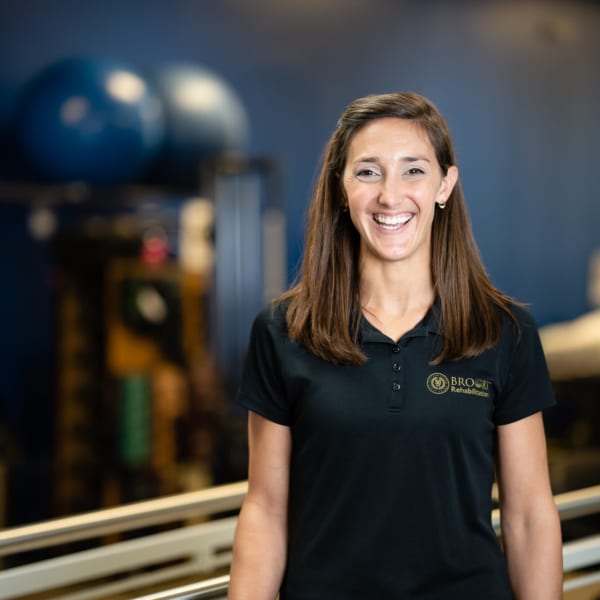
Orthopedic PT reveals three daily exercises plus ergonomic advice that can help salon professionals avoid the aches and injuries caused by standing, bending and repetitive overhead work.

From breaking free of external validation to creating joy-based goals, discover a more sustainable and fulfilling path to success.
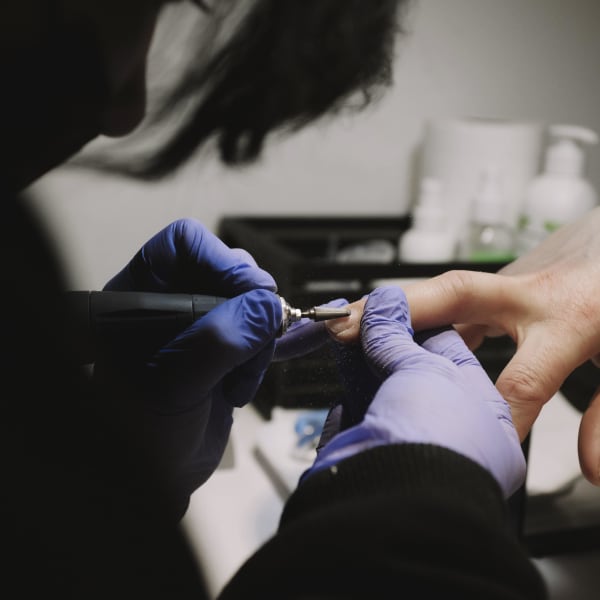
From acrylic monomers to airborne bio-dust, the air inside a nail salon carries risks most professionals never see coming. Aerovex Systems reveals the source-capture and room-purification strategies that are setting a new standard for salon safety.
Sponsored by Aerovex Systems
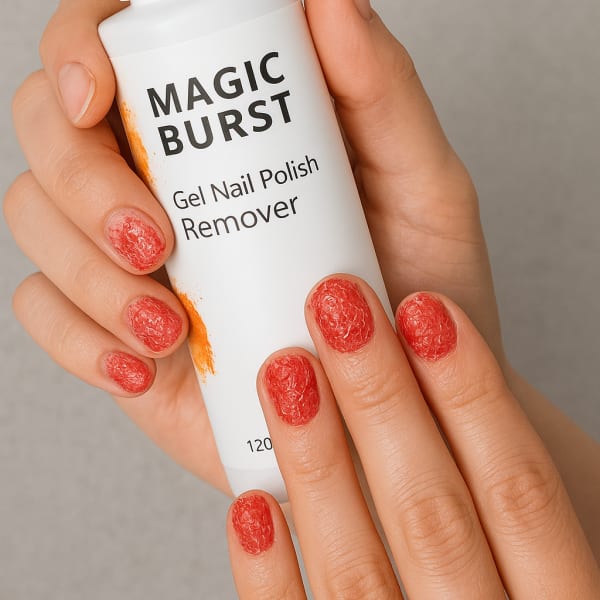
Products marketed as 'magic' or 'burst' gel removers may contain methylene chloride, a federally banned, highly toxic chemical.
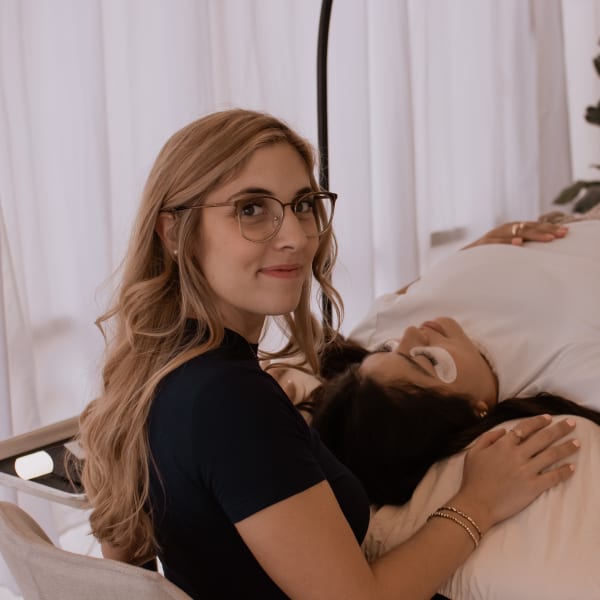
Working in beauty doesn’t have to hurt. Learn how Somatic Movement helps hairstylists, lash artists, and other beauty pros release tension, improve posture, and extend their careers.
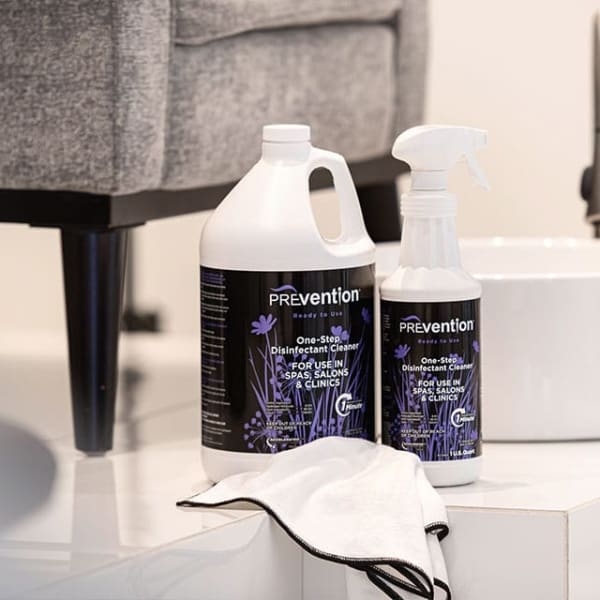
As a spa or salon professional, your clients expect more than just beauty—they expect safety, hygiene, and peace of mind. Fungal infections like Athlete’s Foot and Nail Fungus are more common than you think, especially in environments where tools and footbaths are reused without proper sanitation. This blog covers how to stop these issues before they start, using proven infection prevention strategies for salons and spas.
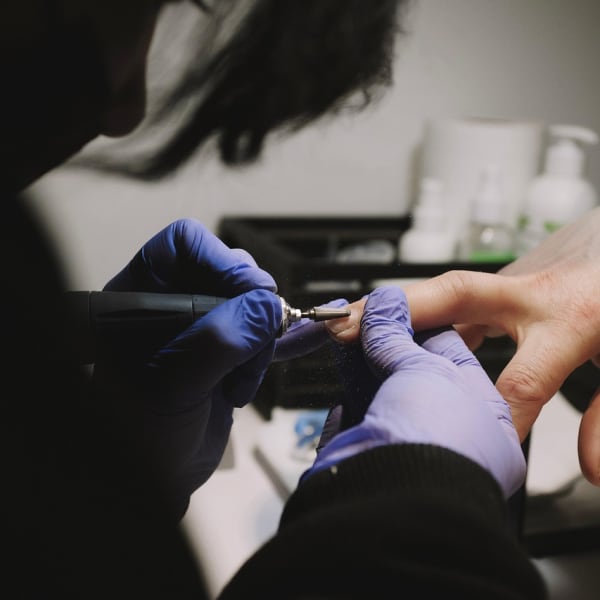
A federal initiative aimed at studying chemical exposure in nail salons has ended due to staffing and budget changes. Here’s what the project set out to do—and what its conclusion means for salon professionals.
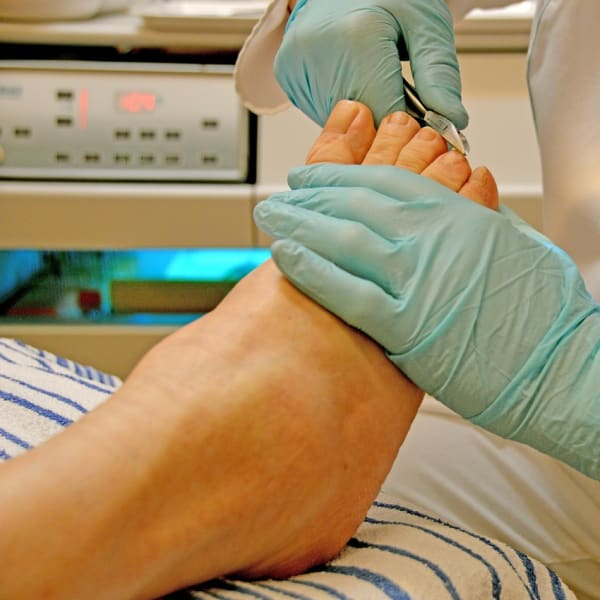
For many people, a pedicure is a relaxing beauty ritual. But what most don’t realize is that this simple service, if done without proper hygiene and sanitation, can cause serious infections and long-term health issues.
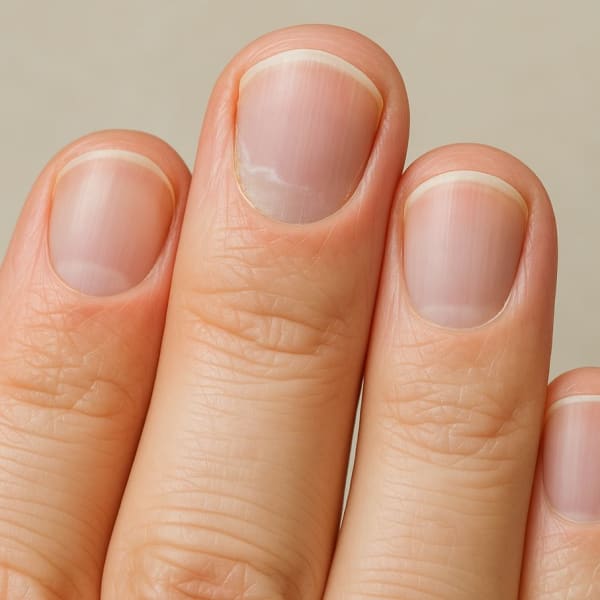
Onycholysis is the separation of the nail plate from the nail bed. While it may look painful, it typically isn’t—at least not at first. But without proper care, this common nail disorder can lead to infections, deformities, and long-term damage.

Mckenzie Kool, Psychologist, MC, RPsych provides us with guidance on what may or not be helpful in speaking with someone who has suffered a significant loss.
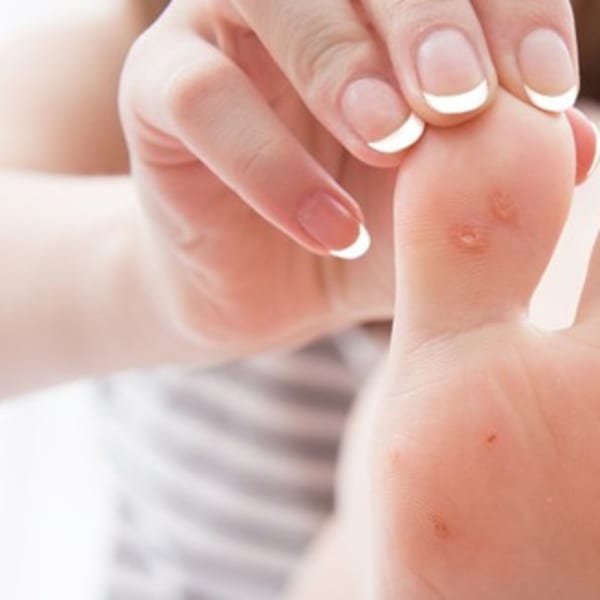
Clients come to you to feel their best—not leave with a viral souvenir. Warts and cold sores can spread fast in busy salons, but a few smart habits make all the difference. Let’s talk about what’s really lurking in your salon (and how to kick it to the curb).

As Earth Day approaches, The Green Beauty Community Foundation and the Green Spa Network invite beauty pros to step forward and embrace sustainability through the Green Pledge--a powerful initiative designed by and for beauty industry leaders.

Don’t cancel Valentine’s Day altogether, urges Jill Palmquist. Instead, think of it as a (frilly, flowery, Champagne-bubbly) wake-up call to fall deeply in love with your own life.

Life coach and Culture Ambassador of Sam Villa, Andrew Carruthers, outlines how to tell if your burnout is temporary - or if it's time to make a bigger career change.
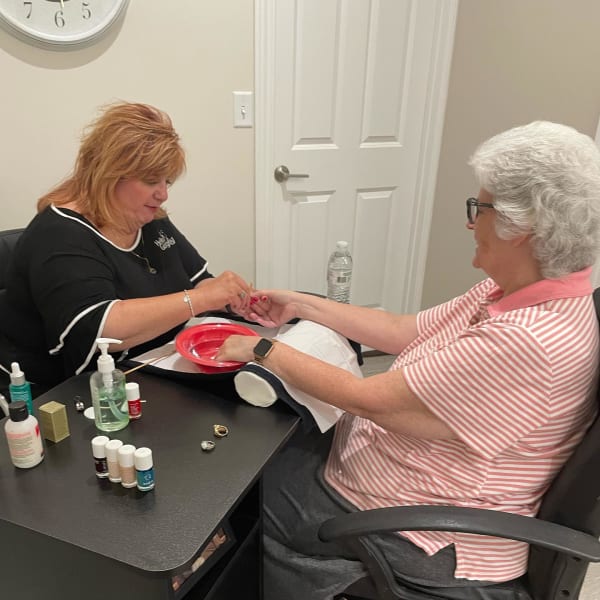
Cancer treatment can create very specific challenges for your guest when it comes to hair, skin, and also nails. Here are some tips for working with your salon client who is going through cancer treatment to help you provide a relaxing, enjoyable, and also safe experience.