For many people, a pedicure is a relaxing beauty ritual. But what most don’t realize is that this simple service, if done without proper hygiene and sanitation, can cause serious infections and long-term health issues.
For many people, a pedicure is a relaxing beauty ritual. But what most don’t realize is that this simple service, if done without proper hygiene and sanitation, can cause serious infections and long-term health issues.
As a licensed nail care instructor with years of experience in pedicure safety and nail salon hygiene, I hear the same stories again and again:
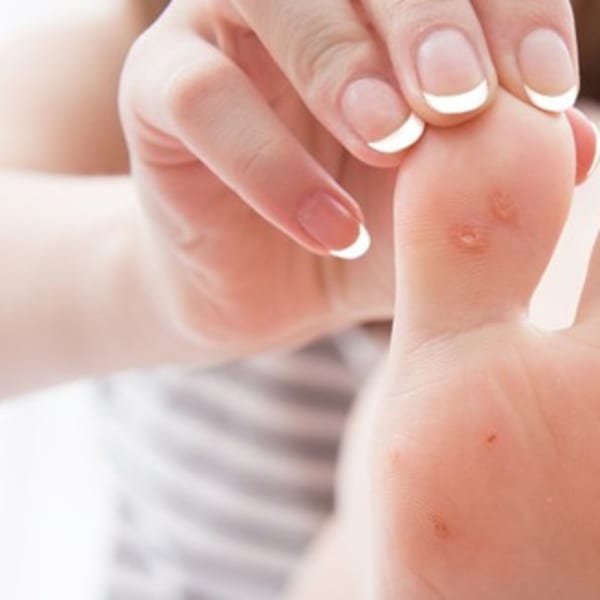
“I got a fungal infection after a pedicure.”
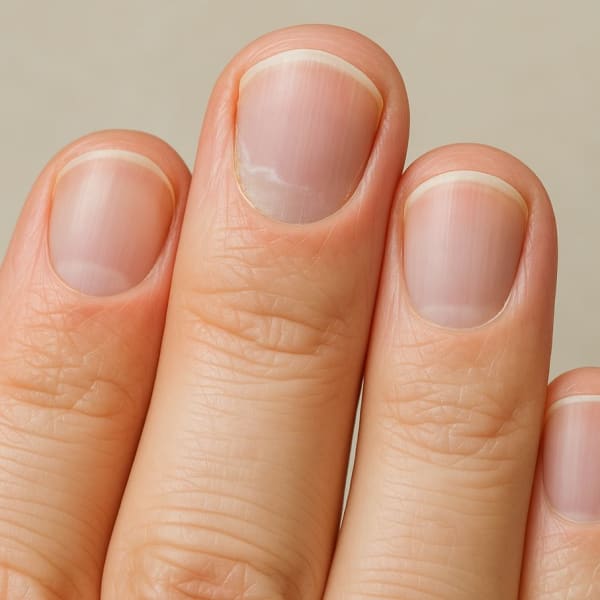
“My toes started itching and peeling.”
“I’ve never had an ingrown nail before — until now.”
Unfortunately, these are not random cases. They are signs of a larger issue in our beauty industry, especially here in Florida where nail salon regulations are minimal.
The Problem in Florida: Weak Nail Salon Regulations
Unlike many other states and countries, Florida’s regulations for beauty salons and nail salons are very minimal. For example, salons are not required by law to use an autoclave or dry-heat sterilizer — the only methods that truly kill all bacteria, fungi, and viruses and ensure safe pedicures.
Legally, a salon can simply:
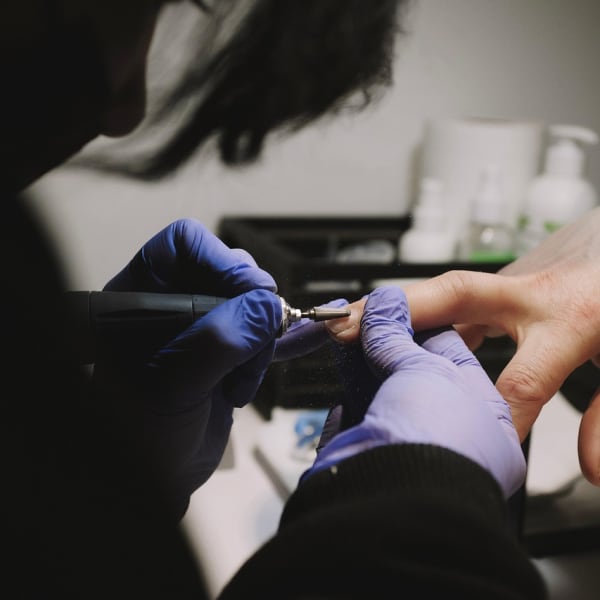
As a result, many tools remain contaminated. Nail nippers, metal files, foot rasps, and drill bits can easily carry fungus, staph bacteria, or even hepatitis between clients if proper sterilization isn't done.
According to the CDC, around 70% of toenail fungus infections are linked to unsafe nail salon practices. Every year, over 3 million cases of nail fungus are diagnosed in the U.S. — and that number is growing.
The Problem with Nail Education
The truth is, many nail technicians don’t even realize they’re doing something wrong. In Florida, many beauty schools don’t teach proper sterilization protocols for nail salons. Instead, students are often taught to simply wipe and rinse tools.
When a new nail technician graduates, they may enter the salon thinking they’re following safety guidelines. But without knowing how to properly disinfect and sterilize manicure and pedicure tools, they may unknowingly put clients at risk of pedicure infections.
What I Teach as an Educator
As an educator, I’ve made it my mission to change this. In my courses, I teach that safe pedicures start with hygiene, not polish.
The Three Required Steps for Cleaning Nail Tools
1. Cleaning
Remove visible debris, skin, creams, and nail dust.
2. Disinfection
Soak tools in an EPA-registered disinfectant solution for at least 10 minutes.
3. Sterilization
Use a dry heat sterilizer or autoclave at high temperatures, in sealed pouches, to fully sterilize nail tools.
Only after these three steps can we say that tools are fully safe for nail services. Skipping even one of these steps increases the risk of pedicure infections, nail fungus, or cross-contamination between clients.
And it's not just about proper sterilization technique — it’s also about honesty. I teach my students to be open and transparent with clients when asked about their nail salon hygiene protocols.
Before you book a pedicure, here are the key questions you should feel empowered to ask your nail technician or salon:
How do you sterilize your pedicure and manicure tools?
Are tools kept in individual sealed sterilization pouches?
Do you use disposable nail files, buffers, and sanding caps?
How often do you change gloves and other single-use items?
If the technician avoids your questions or simply says, “Don’t worry, everything’s clean,” that’s a red flag.
Why Pedicure Hygiene Affects Everyone
In countries like Germany or Japan, medical-grade sterilization is standard even in regular nail salons. There, autoclaves are mandatory, and salons are regularly inspected for proper disinfection protocols.
In the U.S., we’re not there yet. But change can begin with education, awareness, and accountability from both nail professionals and clients who demand higher standards for pedicure safety.
Final Thoughts: Safe Pedicures Protect Everyone
Pedicures aren’t just about pretty toes — they’re a health service. When done correctly, they can improve your well-being. But when nail salon hygiene is ignored, the consequences can last for months. Infections, skin reactions, and pain aren’t just bad luck — they’re preventable.
That’s why I train every student not just how to do pedicures, but how to do them safely. Because when we raise our safety standards as nail professionals, we protect our clients and elevate the beauty industry as a whole.
Author: Irina Rulkova, licensed pedicure specialist, educator, and owner of Iris Nail Care Studio in Florida. Specializes in hygienic and restorative pedicures and is committed to raising safety standards in the nail salon industry.