It’s already June and half the year is over. The Fourth of July is right around the corner. In January, we talked about goal setting; we also set some goals for the year. Since we’re halfway
Many years ago, in another life, before I started doing nails, I used to be a client. For a few years I worked at a small mail order company that sold ancient coins and artifacts —
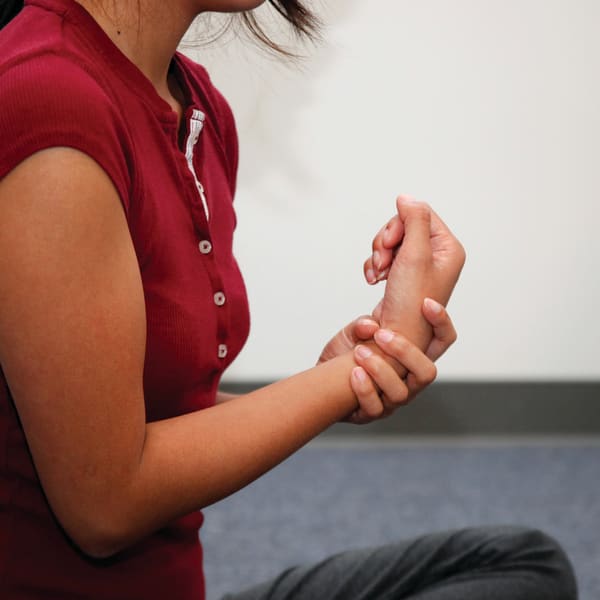
Achy shoulders, numb thumbs, sore muscles, and persistent exhaustion. Sometimes aches and pain seem like an unavoidable by-product of doing nails. One nail tech disagrees.
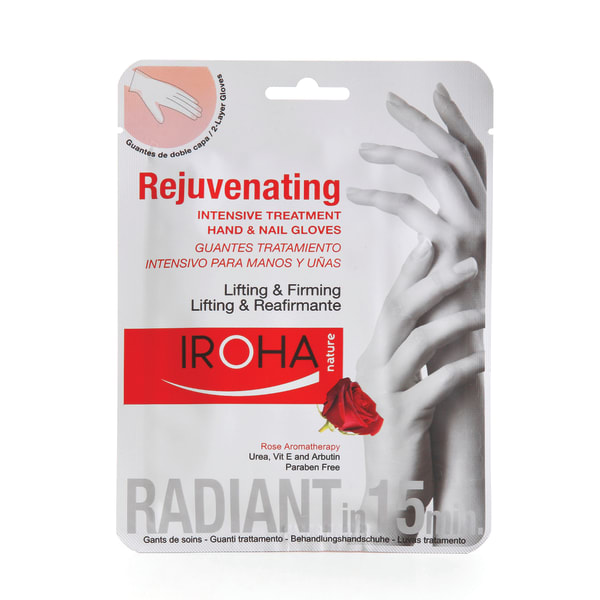
Iroha Nature’s Intensive Treatment Lifting and Firming Hand and Nail Gloves provide rapid and deep absorption of skin-loving vitamin E and rose or peach extracts to make clients’ hands soft and elastic while keeping nails strong and healthy.
I had my desk custom built almost 20 years ago. Since then, I’ve had a handful of jobs where I didn’t use it — it also doubles as an excellent TV stand, student desk, and sewing