


How Products Work: Fiberglass
Here's a quick lesson in the chemistry and physics of fiberglass wrap systems.
by Julie Sparlin, staff writer


 MENU
 SEARCH
Loading data...
Here's a quick lesson in the chemistry and physics of fiberglass wrap systems.

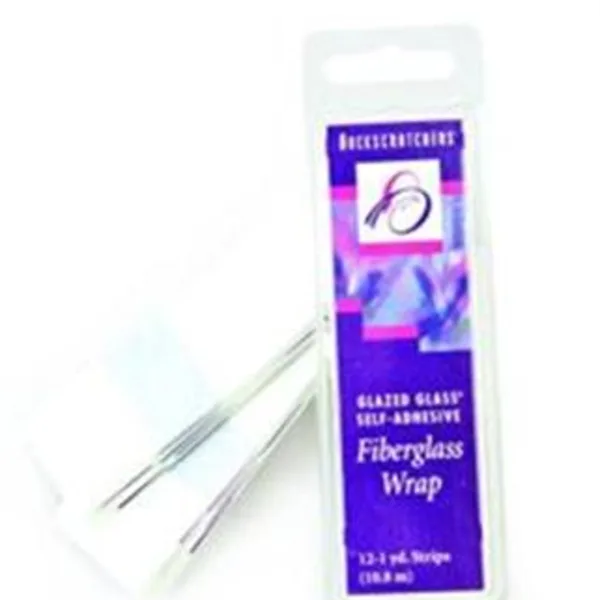
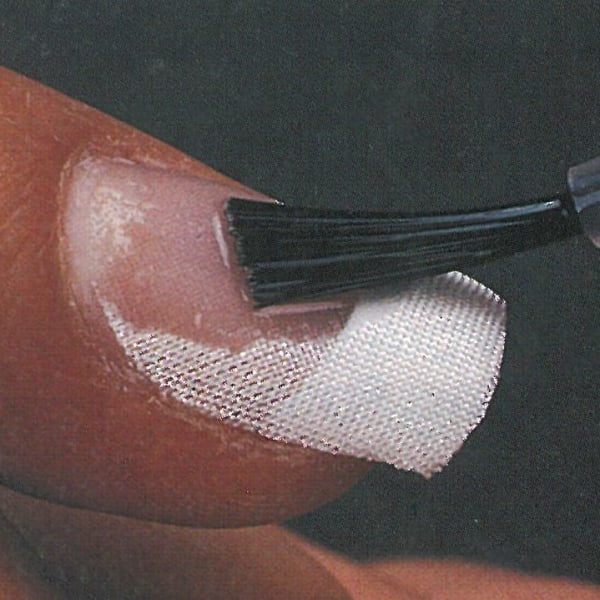
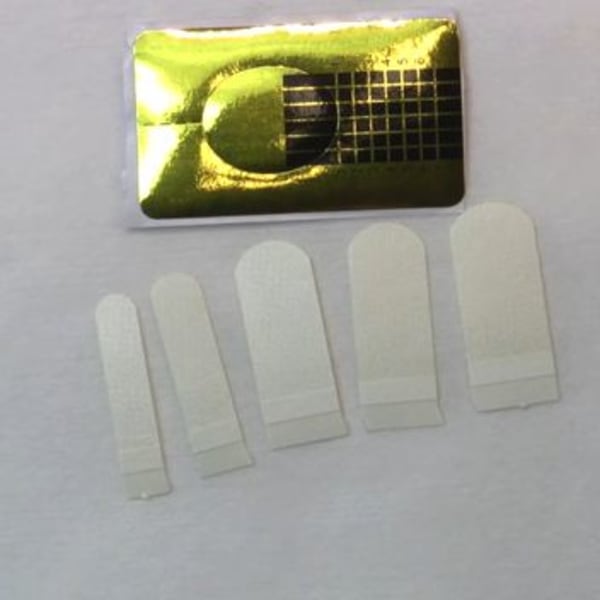
While acrylic has been around the longest, there will always be clients who choose not to have acrylic nails. Fiberglass is one way to answer their needs – and keep them as customers.
Backscratchers’ Fiberglass Glazed Glass wraps are thin, strong, flexible, and beautiful even without polish.
Knowing some of the tricks and shortcuts will make applying fiberglass a breeze.
Top nail competitors Connie Ortiz and Anita Lime discuss what they like and don’t like about acrylic and fiberglass system.
Silk and linen wraps have taken a back seat to fibreglass in recent years, but they are versatile and appealing. Nail technicians who perfect the art of silk and linen applications can use these fabrics for overlays, repairs, and even sculpting.
In this video from the NAILS Troubleshooter series, Elaine Watson, vice president of marketing and sales for Star Nail International, shows how to handle fiberglass nail wraps with ease.
While not nearly as pervasive as gels or acrylics, wraps represent a lucrative niche service. Here we give you some background information to get you started, as well as some troubleshooting and application techniques to help you along the way.
Wraps are enjoying renewed popularity fueled in part by clients’ desire for a more natural look and spas seeking a lower odor alternative to acrylic. Whether silk, linen, fiberglass, or paper, wraps may be just the right fit for certain clients.
If you know anything at all about fiberglass, the word itself should bring to mind the concept of strength combined with good looks.