






America’s Beauty and Wellness Industry Under Threat from Proposed Regulations Now Being Considered by U.S. Department of Education
A new report criticizes the regulations' impact against students and entrepreneurs.


 MENU
MENU SEARCH
When it comes to service breakdown, a handful of common slip-ups and mistakes are often at the root of the problem. Here's a list of ten common application mishaps to share with your students to help them keep their nail enhancement applications flawless.
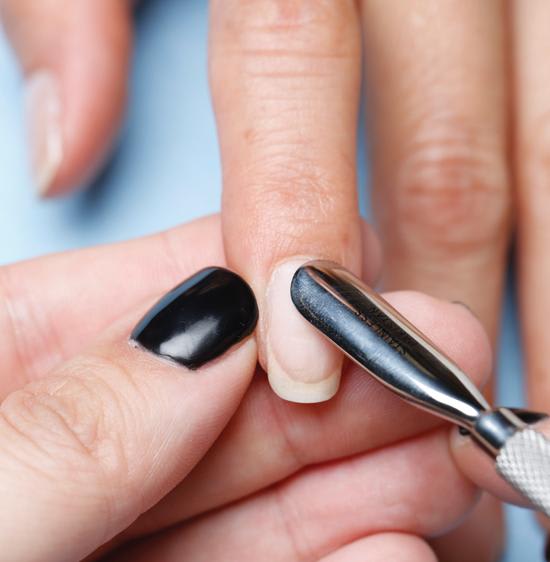
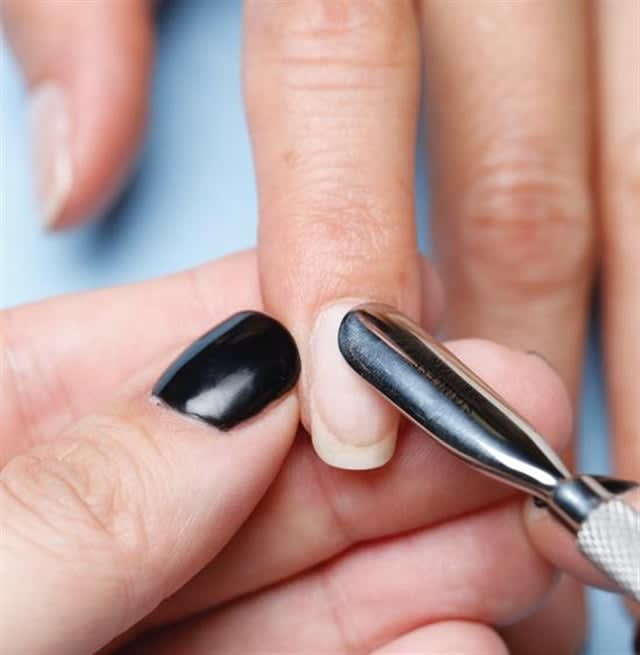
Whether applying an acrylic, gel, gel-polish or regular polish, it’s important the nail bed be free of dead skin or oils so product can adhere to the nail. Use a plastic, wooden or metal cuticle pusher when prepping the nail, and use smooth, gentle pressure on the nail plate to avoid damaging the natural nail. Cuticle solvents and removers are a must for cleaning the nail plate. With cuticle nippers and cutters, remember: Less is more.
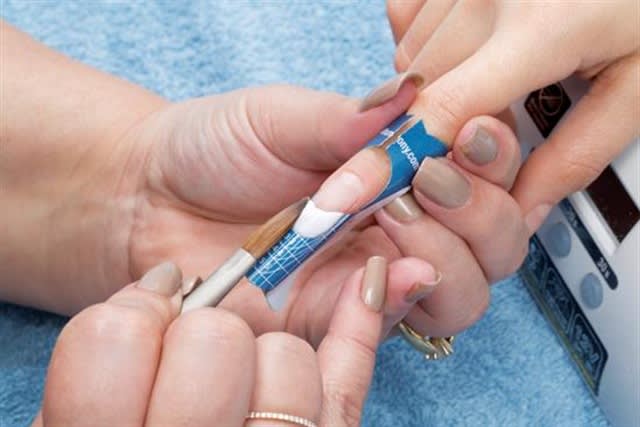
The shape of the nail is very important to constructing a nail enhancement—especially a sculpted extension. For a nail extension to be structurally sound, it must have an apex located over the stress area and in proportion to the length of the extension. For short, natural nails, this is the center of the nail, and for longer extensions, the apex is just slightly down from the middle of the nail toward the cuticle. Angling your brush when applying acrylic at the cuticle area helps create a natural arch toward the apex.
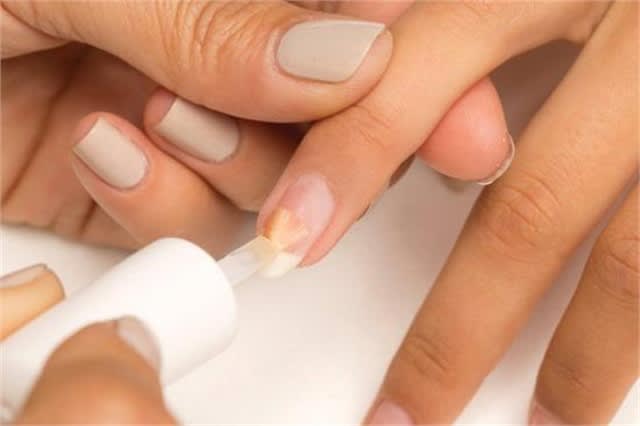
Nail enhancements lift and pop off the nails if primer isn’t used before acrylic application. Most acrylic doesn’t stick well to the natural nail, so a primer has a chemical makeup of monomers that bond to the nail as well as the acrylic so the bond is extra strong. One coat of primer is typically enough—applying too much can actually decrease adhesion.
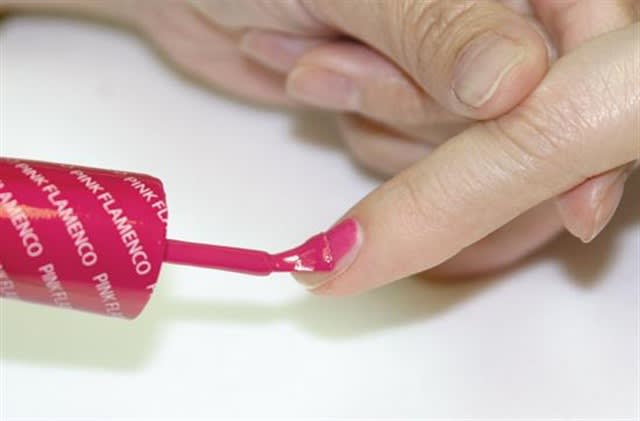
When gel-polish is applied too thickly, the suggested manufacturer curing time might not be enough to create a full cure, which can lead to peeling. Most manufacturers will recommend two coats for solid color coverage, so use the three-stroke method to help keep applications thin: one fluid stroke down the center, then two on either side.
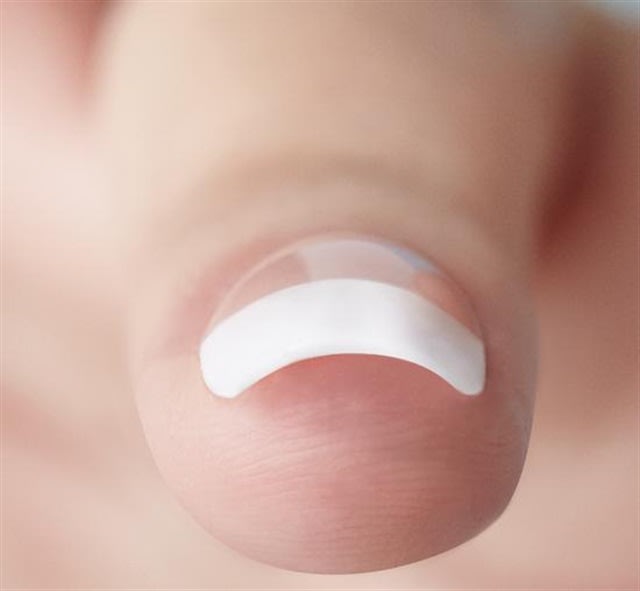
C-curves that are too at look unnatural and gawky. Pinching is usually done with fingers or specially designed tweezers, where pressure is applied to the sidewalls of the nail to help bend the free edge of the extension into a nice C-shape. C-curves begin during the sculpting stage, so make sure the form ts correctly underneath the nail and that it follows the nail’s natural curvature. Too tight a pinch will cause damage and can even break in the enhancement.
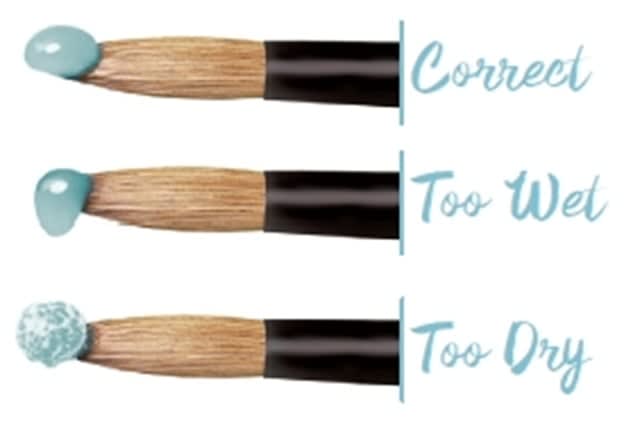
An easy way to spot an improper liquid-to-powder ratio is to look at how the bead appears on the brush. You want a minimal amount of the bead attached to the brush hairs to allow for a quick, easy release onto the nail. The ideal bead should be smooth, round, plump and suspended lightly on the brush hairs.
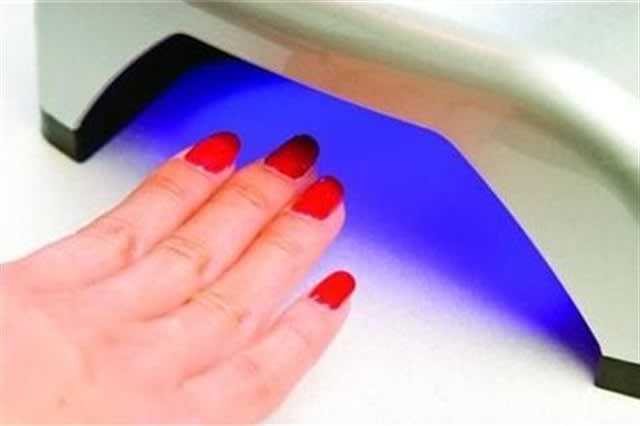
A telltale sign of bulb inef ficiency is if you notice the tacky layer on your clients’ nails getting thicker or see small air pockets or cloudiness in the enhancement. If you have 30 to 40 gel clients per week, the bulbs should be changed every four to six months. For 20 clients a week, change bulbs six to eight months. Once a year is suf ficient for fewer than 20 gel clients per week.
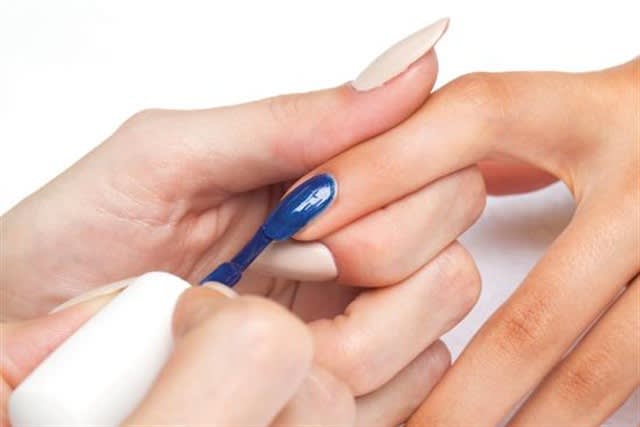
When gels are cured, they shrink, so it is important that the product continues down over the free edge—but not underneath—so it does not recede back over the top of the nail. As you apply the gel-polish down one side of the nail and reach the free edge, turn the brush slightly and swipe the hairs across and down the free edge toward the center to seal it. Repeat on the other side of the nail, then make your final stroke down the center of the nail, swiping down over the free edge when you reach the end.

Excessive filing leaves nail beds thin and weak—not a good platform for enhancements. A thin nail is more flexible and can cause enhancement product to bend more, sometimes creating hairline fractures that lead to breakage and tiny cracks that can get bigger over time. Thin nails also allow enhancement products to possibly seep through the plate and onto the nail bed, which can trigger allergic reactions.
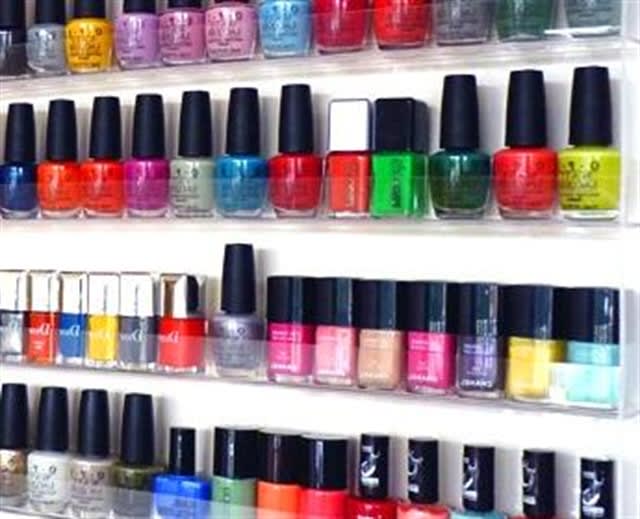
Nail enhancements break down when products go bad. Keep all lids closed tightly and products stored in a cool, dry place when not in use. Gels should be stored away from sunlight because any light that seeps in will begin to harden gel. Acrylic powder lids need to be tightly closed so moisture in the air does not interact with the powder. Dispose of polish that becomes stringy and unworkable.
As seen in NAILS 2015 Career Handbook.
You Might Also Like: Handout: Acrylic Application Basics
A new report criticizes the regulations' impact against students and entrepreneurs.
Looking for a healthy salon job? Watch for these red flags in listings, interviews, and salon culture to avoid a toxic environment and find the right fit.
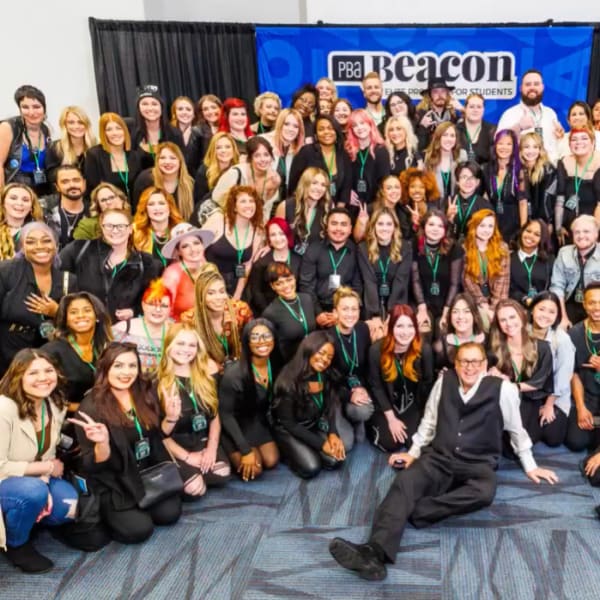
The 2024 The Professional Beauty Association (PBA) announces its Beacon Class recognizing top emerging talent in the beauty industry.

Do you often forget names? Here are some tips from global beauty educator Carlos Valenzuela to remember your clients.

Our cosmetology schools are at risk as proposed legislation would prevent many of them from participating in student federal loan programs. The American Association of Cosmetology Schools is asking for your help today!
Get the complete guide to navigating the world of professional beauty careers.
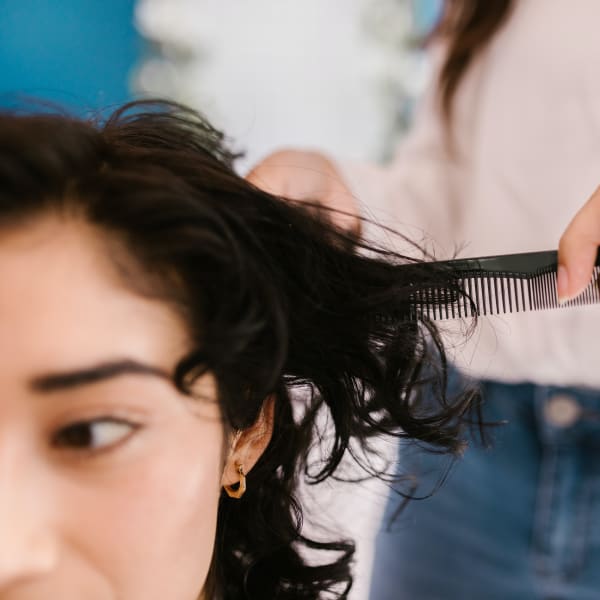
An affordable option for starting your beauty education, this post talks about taking those first steps to launching a successful career in the beauty industry.

Paul DiGrigoli began his four-decade long career, opening his first salon in 1986 in Massachusetts. The DiGrigoli School of Cosmetology has recently added new nails and esthetics programs.
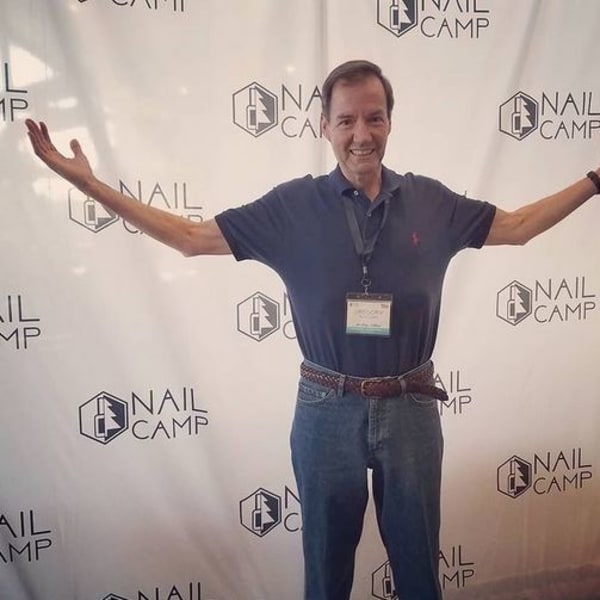
While everyone's experience is unique, here is what it was like for me to take my state board exam, with details on the actual examination experience, from the moment I entered the building.
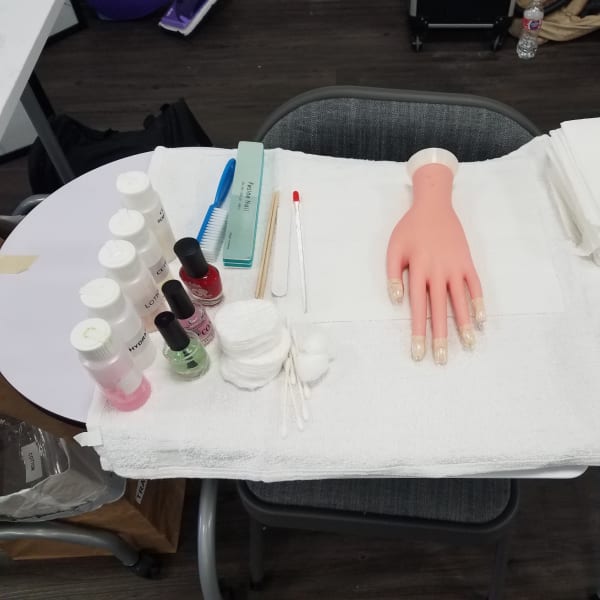
The Cosmetology Board Examination … the event that many, if not all, cosmetology students both anticipate and dread. Here is my story.
For those for whom I am just a hazy pre-pandemic memory, allow me to briefly introduce myself and summarize where I left off my story with this blog. And in future installments, I will cover more about practicing for the state board exam and the actual examination experience.
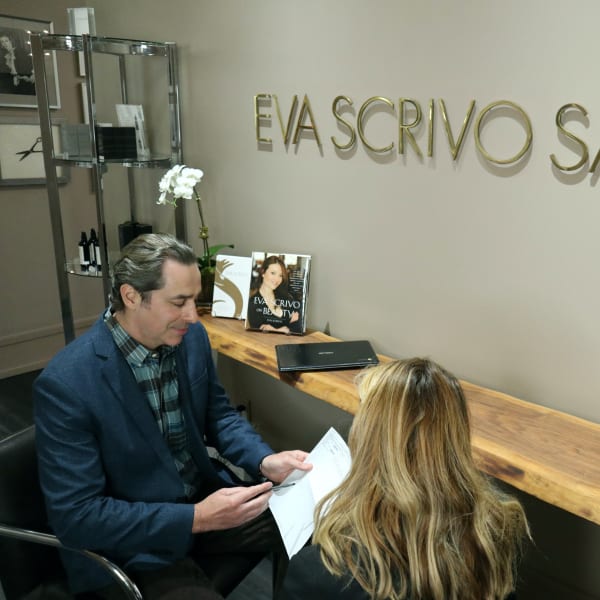
Getting employees to appreciate the importance of THE FUTURE with a 401K plan is the goal of Arik Efros, co-owner of the Eva Scrivo Salon. Efros outlines the importance of this perk and explains why many of the people in their NYC salon have already a nice bundle waiting for them upon retirement.

Julie Kandalec has fantastic personal style! Learn more about the manicurist to the stars.
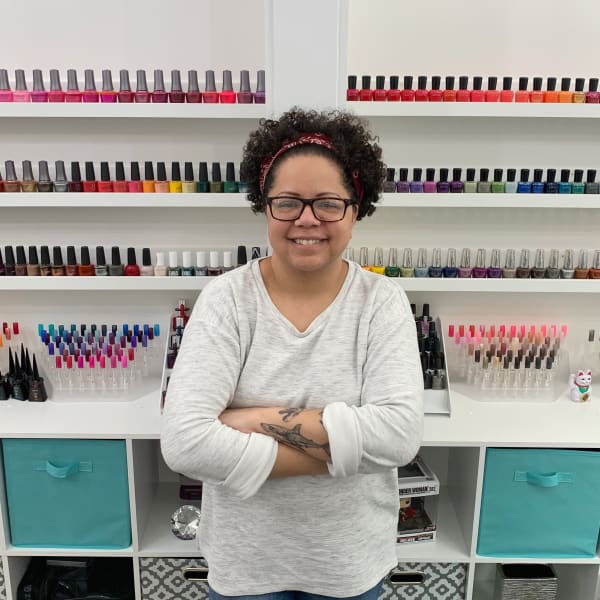
Learn more about celebrity nail artist, editorial artist, NYFW regular and salon owner Joanne Sorbello.
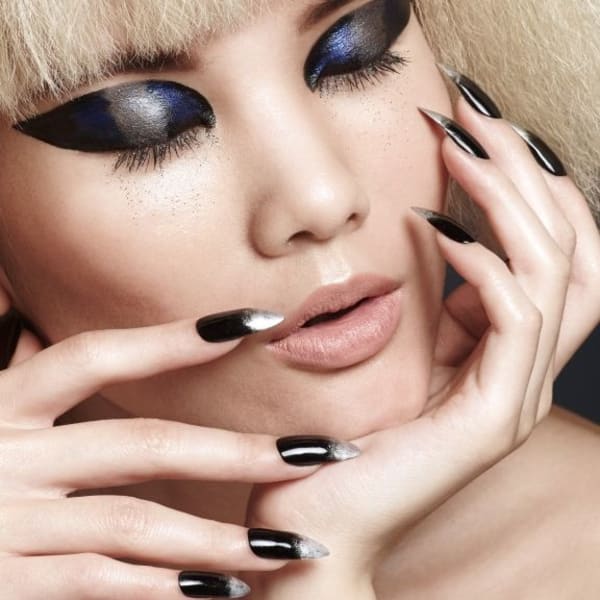
Get the five tips to winning NAHA's nail category from Reiko Omae. She entered just once and won.

"That first set of nails I did in the salon sucked but that client still comes back to me, three years later, because of the connection we made that day." Hear from the winners of these scholarships on how beauty helps them change lives and how it has changed their own.

Keeping it all in the family, this Dad and daughter keep each other inspired as they train to become beauty professionals.