





America’s Beauty and Wellness Industry Under Threat from Proposed Regulations Now Being Considered by U.S. Department of Education
A new report criticizes the regulations' impact against students and entrepreneurs.


 MENU
MENU SEARCH
On August 19, representatives from the AACS, including Greg Jones, Christine Gordon, Anthony Fragomeni, and Tom Netting, met at the White House with a special assistant to the president on education policy and an Office of Policy Development senior advisor.
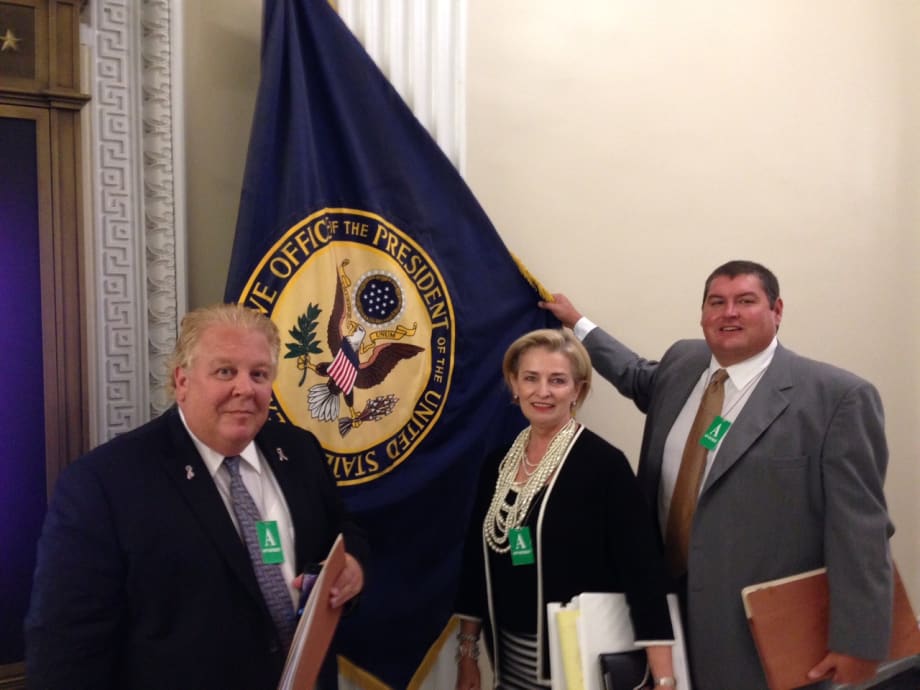
On August 19, representatives from the AACS, including Greg Jones, Christine Gordon, Anthony Fragomeni, and Tom Netting, met at the White House with a special assistant to the president on education policy and an Office of Policy Development senior advisor. The discussion centered on the urgency of a pending Final Rule on Gainful Employment scheduled for completion by November 1, 2014, with implementation scheduled for July 1, 2015.
The one-hour conversation was prompted by AACS’ response to the “2014 Notice of Proposed Rulemaking on Program Integrity: Gainful Employment.” The proposal seeks to establish measures for determining whether certain postsecondary training programs prepare students for gainful employment, and the requirements for these educational programs to remain eligible for student financial assistance.
AACS representatives advocated on behalf of AACS member schools and individuals seeking to pursue an education in the beauty and wellness industry. They stressed concerns about the lack of complete and comprehensive data, which would correctly calculate institutions’ eligibility. Among these flaws are the integrity of data used to calculate debt-to-earnings (D/E) metrics and program cohort default rates (pCDR). In addition, they called for review and revision of the procedures and methodology used to establish aggregate mean and median rates, and provided analysis showing the current calculations are inherently flawed and incomplete. Finally, they advocated for alternative methodologies to assess an institution’s meeting of Gainful Employment thresholds, such as a requirement to meet either a D/E or pCDR threshold, but not both metrics.
Administration officials acknowledged by the end of the meeting that the current information and metrics used in determining eligibility calculations could potentially lead to inaccurate outcomes, which could be detrimental to both students and institutions.
Anthony Fragomeni emphasized that AACS’ leadership on Gainful Employment serves not only schools and students, but also the beauty and wellness industry and its consumers. “Our industry is incredibly interconnected,” he said. From the schools that prepare students to the employers that hire beauty and wellness professionals to the consumers they serve. AACS is committed to working with lawmakers, regulators, and policy makers to preserve and protect choice, equity, and access for those in our industry and those wishing to join our industry.”
AACS will continue to publish regulatory news and updates as the November 1st Final Rule approaches. More information can be found at www.aacsaction.org.
You may also like: Cosmetologists Chicago Student Membership Grows
For more information about your career in nails, check out these helpful links
http://www.nailsmag.com/career-handbook
http://www.nailsmag.com/education/nail-school
A new report criticizes the regulations' impact against students and entrepreneurs.
Looking for a healthy salon job? Watch for these red flags in listings, interviews, and salon culture to avoid a toxic environment and find the right fit.
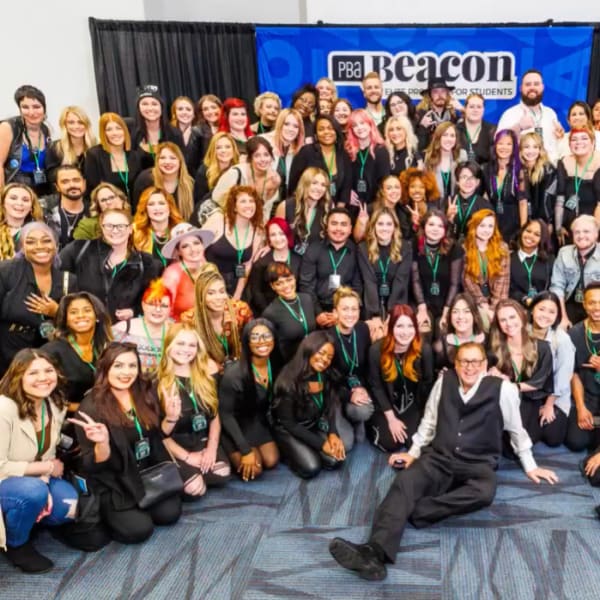
The 2024 The Professional Beauty Association (PBA) announces its Beacon Class recognizing top emerging talent in the beauty industry.

Do you often forget names? Here are some tips from global beauty educator Carlos Valenzuela to remember your clients.
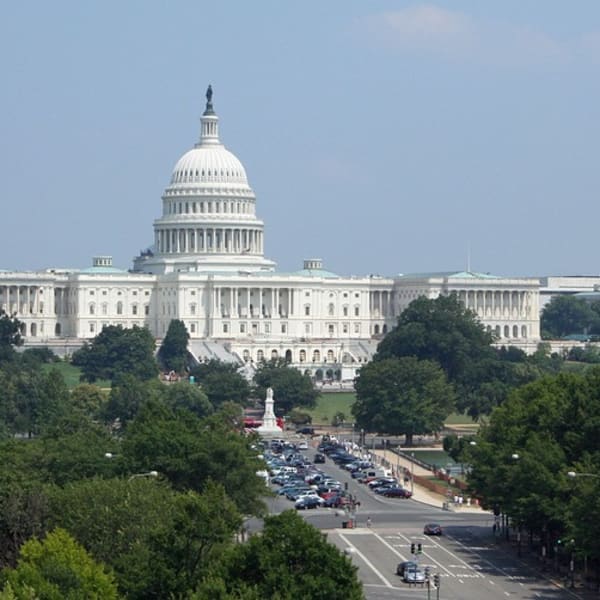
Our cosmetology schools are at risk as proposed legislation would prevent many of them from participating in student federal loan programs. The American Association of Cosmetology Schools is asking for your help today!

Get the complete guide to navigating the world of professional beauty careers.
An affordable option for starting your beauty education, this post talks about taking those first steps to launching a successful career in the beauty industry.

Paul DiGrigoli began his four-decade long career, opening his first salon in 1986 in Massachusetts. The DiGrigoli School of Cosmetology has recently added new nails and esthetics programs.
While everyone's experience is unique, here is what it was like for me to take my state board exam, with details on the actual examination experience, from the moment I entered the building.
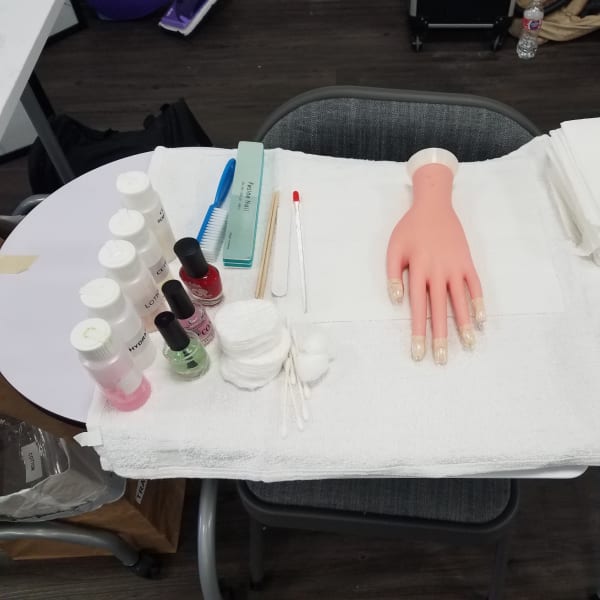
The Cosmetology Board Examination … the event that many, if not all, cosmetology students both anticipate and dread. Here is my story.
For those for whom I am just a hazy pre-pandemic memory, allow me to briefly introduce myself and summarize where I left off my story with this blog. And in future installments, I will cover more about practicing for the state board exam and the actual examination experience.
Getting employees to appreciate the importance of THE FUTURE with a 401K plan is the goal of Arik Efros, co-owner of the Eva Scrivo Salon. Efros outlines the importance of this perk and explains why many of the people in their NYC salon have already a nice bundle waiting for them upon retirement.

Julie Kandalec has fantastic personal style! Learn more about the manicurist to the stars.
Learn more about celebrity nail artist, editorial artist, NYFW regular and salon owner Joanne Sorbello.

Get the five tips to winning NAHA's nail category from Reiko Omae. She entered just once and won.

"That first set of nails I did in the salon sucked but that client still comes back to me, three years later, because of the connection we made that day." Hear from the winners of these scholarships on how beauty helps them change lives and how it has changed their own.

Keeping it all in the family, this Dad and daughter keep each other inspired as they train to become beauty professionals.