




The Nail Salon Ventilation Code Every Owner Should Know
What actually counts as 'source capture' under nail salon ventilation code, and what doesn't (even if it feels like it should).
Sponsored by Aerovex Systems


 MENU
MENU SEARCH
Sitting or standing still doing nails for hours on end can ex-acerbate the symptoms of vein disease, but there are new treatments that will get rid of the problem altogether.
There’s a swank new beauty salon in the suburb, just outside New York City. The hairstylists and nail technicians are friendly, the ever-present rock beast is funky, and the atmosphere is charge with fun. The stylists’ chairs circle the “nail bar” – a full-fledged mahogany getup with barstool – where the nail technicians shake and stir their high-gloss enamels and listen to their patrons’ stories like any good barkeeper would.
Cozy, comfortable, and decidedly hip, this salon’s a place any client might want to try out, but it’s far from a nail technician’s dream job. Like their Cheer’s counterparts, these nail designing “bartenders” are on their feet all day. And that can lead to tired, strained legs and even circulation disorders, resulting in leg vein disease.
Traditionally, nail technicians have been able to escape the discomfort and health risks that their hairstyling peers endure because nail technicians don’t usually spend extended hours on their feet. But nail technicians do face a potential problem if they work standing at a nail bar or even if they sit still for hours at a time.
The problem is, standing – and even sitting – in the same position for long lengths of time is just plain bad for your circulation.
“Standing puts pressure on legs, allowing blood to pool in select areas,” notes Dr. Richard Rosenfeld of Vein Clinics of America, a vein disorder treatment practice headquartered in Chicago, Ill. “We all need to move our calf muscles to keep blood flowing properly through our legs. The calf muscles act as muscle pumps. When the pump is compromised – as it is when you stand still for long periods – the problems start.”
These problems manifest themselves manifest themselves in different forms; the most common are small vein disease, also called spider veins, and large vein disease, known as varicose vein. Spider veins are thread-like broken veins, usually bluish-red, and can appear as isolated veins or in clusters. The varicose variety are usually bulging, bluish, and rope-like in appearance. Common symptoms of both disorders include heavy, tired legs, itching and burning sensation, swollen ankles, leg cramps, restless legs, and throbbing.
Other factor can cause or adversely affect vein disease, including the influence of estrogen, pregnancy, hormonal changes, weight gain, heredity factors, and leg injuries. These vein problems begin when faulty valves allow blood to pool in the vein, which then loses elasticity, discolor, and enlarges. In its most severe form. This condition can worsen to leg ulcers (non-healing open wounds).
NOT JUST MOM’S PROBLEM
Vein disease is not just “Mom’s problem” – it can strike adult women at any age. “In fact, the majority of sufferers are between the ages 25 and 45,” says Rosenfeld.
Geraldine, a salon owner in Worth, Ill., who asked that we not use her last name, agrees. “I started having major problems with the varicose veins when I was 21,” she recalls. “A big misconception about vein disease is that people think it is only associated with the elderly.”
Geraldine notes that a number of factors contributed for her self-described horrible condition. Her great-grandmother had a problems worsened with each of her three pregnancies. “But most of all, I think it’s because I’m on my feet so much,” she says, estimating that she spends a minimum of eight hours a day standing in the same spot. “Because of the nature of my work, I’m forced to stand in a similar position each and every day.”
Eventually, the physical and emotional pain of her condition forced Geraldine to seek medical help. “By the end of the day, my legs would be burning and throbbing and then they’d go into spasm – terrible, uncontrollable shaking. But what was even worse for me than the pain and the unsightliness of my condition was the fact that I couldn’t even let my kids sit on my lap because it hurt too much.”
At age 30, Geraldine went for treatment. Recommended to the Vein Clinics of America by a family physician, she says. “The standard treatment at the clinics is injection of the veins, and I hate needles. I was put off,” she says “Fortunately, the needles were so fine, all I felt was a slight pinching sensation. The pain I’d had before was much worse than the prick of the needles.”
This injection method, known as sclerotherapy, is not new to the medical community. “It’s been around for years, notes Rosenfeld. What is new are the technologies being combined with the procedure for the most advance treatment of small and large vein disease.
Very important in the treatment arena is the use of sclerotherapy itself. “The traditional procedure of removing varicose veins was to strip them away – having a doctor literally pull them out.” says Rosenfeld. “That procedure is painful and not always effective because the varicosity may run deeper than just the veins showing on a leg’s surface.”
The newest technology, and arguably the least painful, involves the use of lasers to remove unwanted veins. To accurately and effectively treat leg veins that can’t readily be seen, the sclerotherapy procedure includes the guidance of ultrasound – a machine that transmit s and receive sound waves to project an image onto a screen (think sonar machine) – enabling doctors to “see” deep into the legs.
Rosenfeld is quick to point out that the laser procedure, when combined with good follow-up care, which includes immediate walking to get circulation flowing followed by a two-to four-hour rest period with legs elevated, has the “maximal beneficial effect.”
Geraldine agrees. “I had procedure a year ago. Although they didn’t guarantee that new varicose veins wouldn’t form, so far I haven’t noticed any. I try to follow the rules by limiting my time on my feet and elevating my legs whenever possible, and that little extra effort has paid off. Not only do my legs look and feel better, I can get all three of my kids on my lap at once!”
TIPS FOR TEMPORARILY ALLEVIATING SYMPTOMS OF VEIN DISEASE
Try to avoid standing or setting for long periods of time. If that isn’t possible, try to elevate your legs whenever possible.
Do circulation exercises such as standing on your toes or moving your legs back and forth.
Wear support hose.
Avoid strenuous exercises that cause abdominal pressure. Exercise such as weight lifting and sit-ups result in the backward flow of blood through the veins, which in time exacerbates vein disease.
Incorporate walking or low-impact aerobics in to your routine. These are good exercise option that provides temporary relief of the symptoms of varicose veins.
What actually counts as 'source capture' under nail salon ventilation code, and what doesn't (even if it feels like it should).
Sponsored by Aerovex Systems
The Good Patch is a leading wearable wellness patch brand, offering wellness and skincare patches that support everyday needs including energy, sleep, relaxation and more.

Orthopedic PT reveals three daily exercises plus ergonomic advice that can help salon professionals avoid the aches and injuries caused by standing, bending and repetitive overhead work.

From breaking free of external validation to creating joy-based goals, discover a more sustainable and fulfilling path to success.
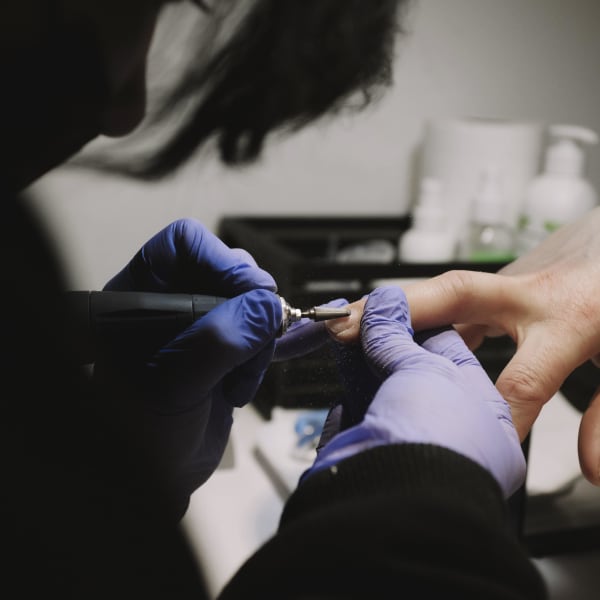
From acrylic monomers to airborne bio-dust, the air inside a nail salon carries risks most professionals never see coming. Aerovex Systems reveals the source-capture and room-purification strategies that are setting a new standard for salon safety.
Sponsored by Aerovex Systems
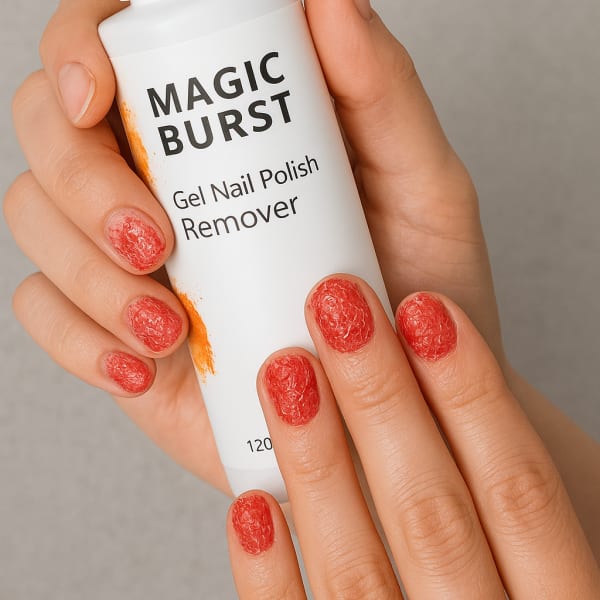
Products marketed as 'magic' or 'burst' gel removers may contain methylene chloride, a federally banned, highly toxic chemical.
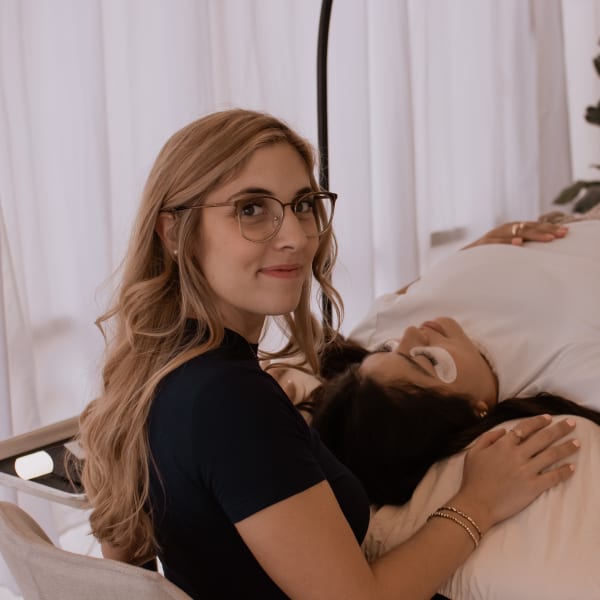
Working in beauty doesn’t have to hurt. Learn how Somatic Movement helps hairstylists, lash artists, and other beauty pros release tension, improve posture, and extend their careers.
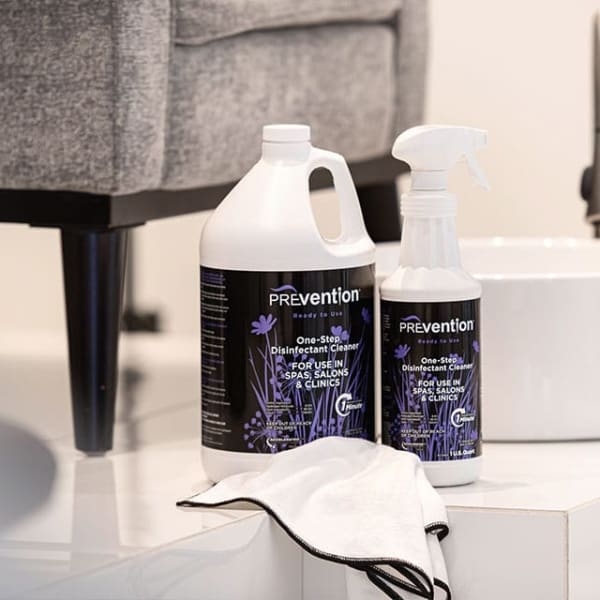
As a spa or salon professional, your clients expect more than just beauty—they expect safety, hygiene, and peace of mind. Fungal infections like Athlete’s Foot and Nail Fungus are more common than you think, especially in environments where tools and footbaths are reused without proper sanitation. This blog covers how to stop these issues before they start, using proven infection prevention strategies for salons and spas.
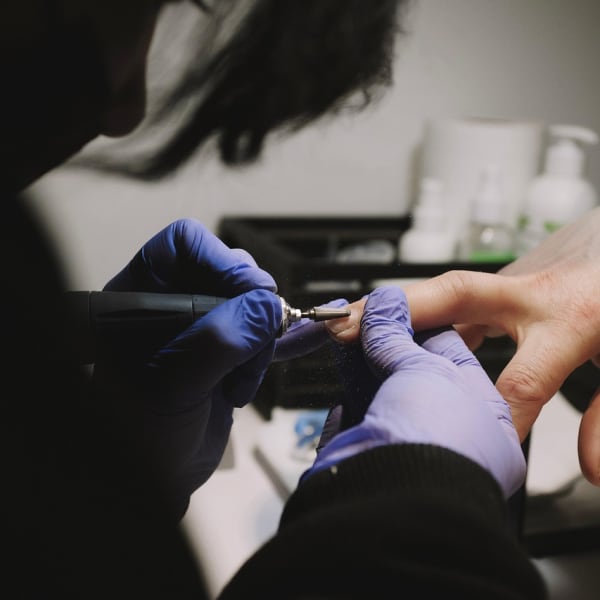
A federal initiative aimed at studying chemical exposure in nail salons has ended due to staffing and budget changes. Here’s what the project set out to do—and what its conclusion means for salon professionals.
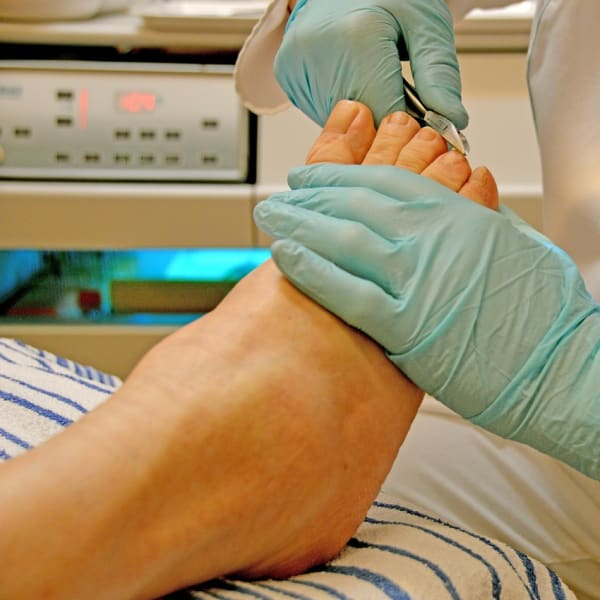
For many people, a pedicure is a relaxing beauty ritual. But what most don’t realize is that this simple service, if done without proper hygiene and sanitation, can cause serious infections and long-term health issues.
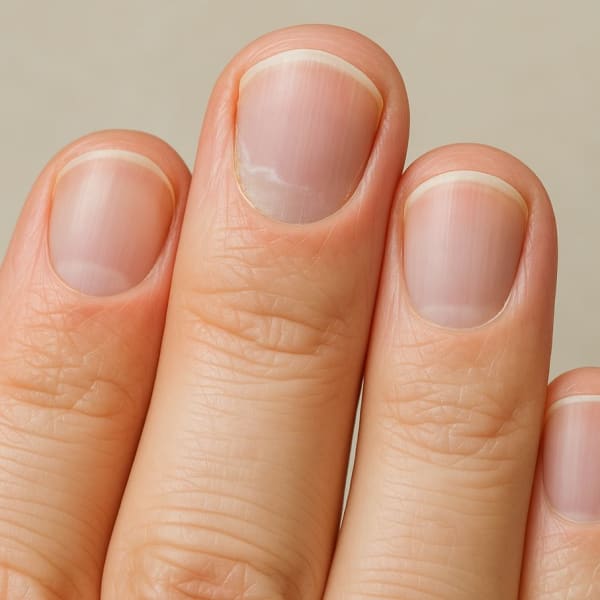
Onycholysis is the separation of the nail plate from the nail bed. While it may look painful, it typically isn’t—at least not at first. But without proper care, this common nail disorder can lead to infections, deformities, and long-term damage.

Mckenzie Kool, Psychologist, MC, RPsych provides us with guidance on what may or not be helpful in speaking with someone who has suffered a significant loss.
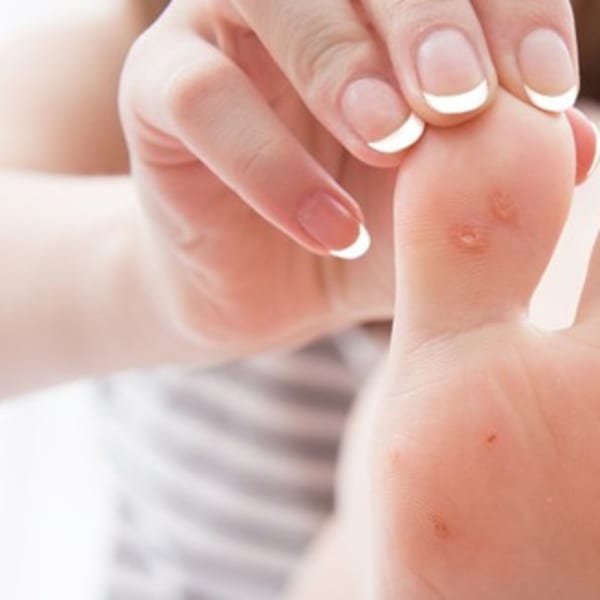
Clients come to you to feel their best—not leave with a viral souvenir. Warts and cold sores can spread fast in busy salons, but a few smart habits make all the difference. Let’s talk about what’s really lurking in your salon (and how to kick it to the curb).

As Earth Day approaches, The Green Beauty Community Foundation and the Green Spa Network invite beauty pros to step forward and embrace sustainability through the Green Pledge--a powerful initiative designed by and for beauty industry leaders.

Don’t cancel Valentine’s Day altogether, urges Jill Palmquist. Instead, think of it as a (frilly, flowery, Champagne-bubbly) wake-up call to fall deeply in love with your own life.

Life coach and Culture Ambassador of Sam Villa, Andrew Carruthers, outlines how to tell if your burnout is temporary - or if it's time to make a bigger career change.
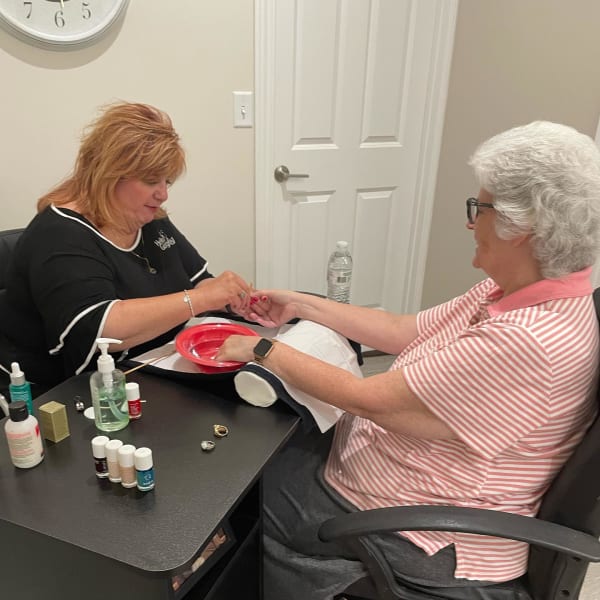
Cancer treatment can create very specific challenges for your guest when it comes to hair, skin, and also nails. Here are some tips for working with your salon client who is going through cancer treatment to help you provide a relaxing, enjoyable, and also safe experience.