




The Nail Salon Ventilation Code Every Owner Should Know
What actually counts as 'source capture' under nail salon ventilation code, and what doesn't (even if it feels like it should).
Sponsored by Aerovex Systems


 MENU
MENU SEARCH
Warts have always been viewed as unsightly nuisances that can cause pain and embarrassment. Fortunately, there are several ways, including freezing, to treat this infection to ensure they’ll be gone for good.
What It Is
While it may just be a myth that touching a frog will give you warts, the sad truth remains that warts are unattractive and can cause discomfort and pain if they are not treated.
Warts are a type of infection caused by viruses in the human papillomavirus (HPV) family. Warts can grow on all parts of the body, including the inside of the mouth. Several different kinds of warts exist, including common, foot (plantar), and flat warts.
Symptoms
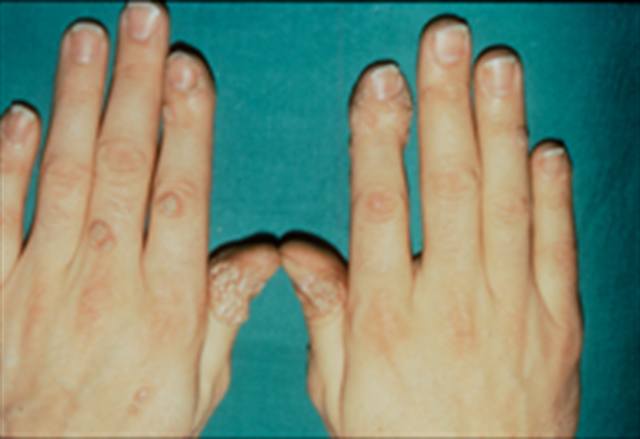
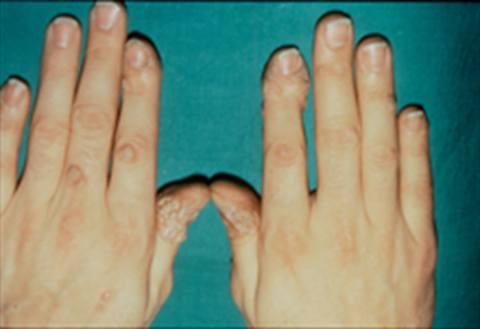
Common warts usually grow on the fingers, around the nails, and on the backs of the hands. They tend to show up more often where skin has been broken, near bitten fingernails or picked hangnails. They’re also sometimes referred to as seed warts because the blood vessels to the wart produce black dots that look like seeds.
Plantar warts appear on the soles (plantar area) of the feet. Most plantar warts do not stick out from the surface like common warts because the pressure of walking flattens them and pushes them back into the skin. Plantar warts may also have black dots. These types of warts often develop beneath pressure points, such as the heels or balls of your feet. Most plantar warts aren’t a serious health concern, but they may be bothersome or painful, and they can be resistant to treatment.
Plantar warts are often mistaken for corns or calluses, which are friction- or pressure-induced rather than viral. Plantar warts can appear as small, fleshy, grainy bumps on the soles of the feet; flat growths with a rough surface and well-defined boundaries; or gray or brown lumps with one or more black pinpoints, which are actually small, clotted blood vessels.
Flat warts are smaller, smoother, and tend to grow in larger numbers than other types of warts. They can grow anywhere on the body, but women get them most often on their legs. On men they most often appear in the beard area.
These warts vary in color from flesh tones to dark brown-black.
Causes
Warts are passed, sometimes indirectly, from person to person. However, the risk of catching hand, foot, or flat warts from another person is low. Some people are more likely to catch the wart virus than others, just like some people catch colds more easily. People with a weakened immune system also are more prone to a wart-virus infection.
The virus that causes plantar warts isn’t highly contagious, but it thrives in warm, moist environments, such as shower floors, locker rooms, and public swimming areas. So the virus can be contracted by walking barefoot in public places.
How to Treat It
Warts may sometimes disappear on their own, although it may take months or even years for them to go away. Some warts, however, won’t go away on their own. When that occurs, it’s important to get warts treated promptly.
“Warts can be frustrating to treat, even for a dermatologist,” says Nancy Satur, M.D., North Coast Dermatology Medical Associates in Encinitas, Calif. “They’re like treating a field of dandelions because there are often other warts incubating next to them. It’s not uncommon for people to come in more than once when trying to get rid of warts.”
Although some wart remedies are available without a prescription, the best option is to consult a dermatologist to obtain the proper diagnosis and treatment. This is especially true if a person suffers from diabetes or a circulatory disorder.
Several options are available to treat warts. Applying salicylic acid every day for several weeks can help get rid of them. The acid can usually be applied at home.
Applying liquid nitrogen on the wart is also common. The chemical causes a blister to form around the wart, and the dead tissue sloughs off within about a week.
Some doctors have even begun using duct tape to remove warts. The tape is left on the wart for several days and often combined with salicylic acid.
Some doctors may advise removing the tape after several days, soaking the wart in water, and then smoothing it down with a nail file or pumice stone before reapplying more tape. The process is repeated for several months. Researchers believe this process works because it irritates the wart and surrounding skin, prompting the body’s immune system to attack.
If warts don’t disappear with common treatments, a dermatologist may suggest more aggressive treatments. Minor surgery, which involves cutting away or destroying the wart using an electric needle, may be an option, as well as laser surgery.
Considerations for Nail Techs
According to Doug Schoon, vice president of science and technology for Creative Nail Design, nippers, pushers, abrasives, and other implements can transmit warts. If you happen to spot one on a client’s hand or foot, advise her to visit a dermatologist and not to pick at her warts, as this may cause the virus to spread.
Schoon also advises against cutting the eponychium on the nail. Cutting living tissue creates the same damage as biting and can allow viral warts to invade the skin, he says.
Dr. Satur says the chances of contracting warts by touching someone with the virus is low. “But I would avoid doing anything that sands or cuts into the wart,” she says.
With regards to plantar warts, talk with clients about the importance of keeping their feet clean and dry. Changing shoes and socks daily is especially important. It’s also important to never go barefoot in public areas because they can be breeding grounds for many types of viruses and infections, including warts. Remind them to always wear shoes or sandals in public pools and locker rooms.
Most of the time, treatment of warts is successful, and the warts are gone for good. The body’s immune system can usually get rid of any wart virus that may be left behind after a wart has been treated. If the warts do come back, however, advise clients to talk to a dermatologist about other ways to treat them.
What actually counts as 'source capture' under nail salon ventilation code, and what doesn't (even if it feels like it should).
Sponsored by Aerovex Systems
The Good Patch is a leading wearable wellness patch brand, offering wellness and skincare patches that support everyday needs including energy, sleep, relaxation and more.

Orthopedic PT reveals three daily exercises plus ergonomic advice that can help salon professionals avoid the aches and injuries caused by standing, bending and repetitive overhead work.

From breaking free of external validation to creating joy-based goals, discover a more sustainable and fulfilling path to success.
From acrylic monomers to airborne bio-dust, the air inside a nail salon carries risks most professionals never see coming. Aerovex Systems reveals the source-capture and room-purification strategies that are setting a new standard for salon safety.
Sponsored by Aerovex Systems
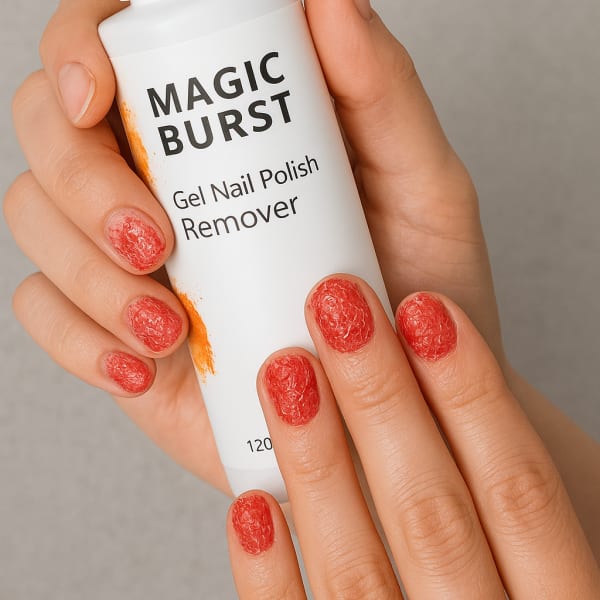
Products marketed as 'magic' or 'burst' gel removers may contain methylene chloride, a federally banned, highly toxic chemical.
Working in beauty doesn’t have to hurt. Learn how Somatic Movement helps hairstylists, lash artists, and other beauty pros release tension, improve posture, and extend their careers.
As a spa or salon professional, your clients expect more than just beauty—they expect safety, hygiene, and peace of mind. Fungal infections like Athlete’s Foot and Nail Fungus are more common than you think, especially in environments where tools and footbaths are reused without proper sanitation. This blog covers how to stop these issues before they start, using proven infection prevention strategies for salons and spas.
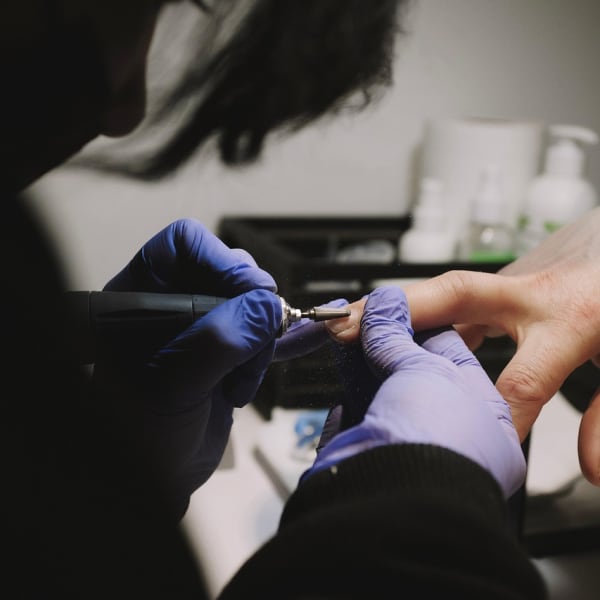
A federal initiative aimed at studying chemical exposure in nail salons has ended due to staffing and budget changes. Here’s what the project set out to do—and what its conclusion means for salon professionals.
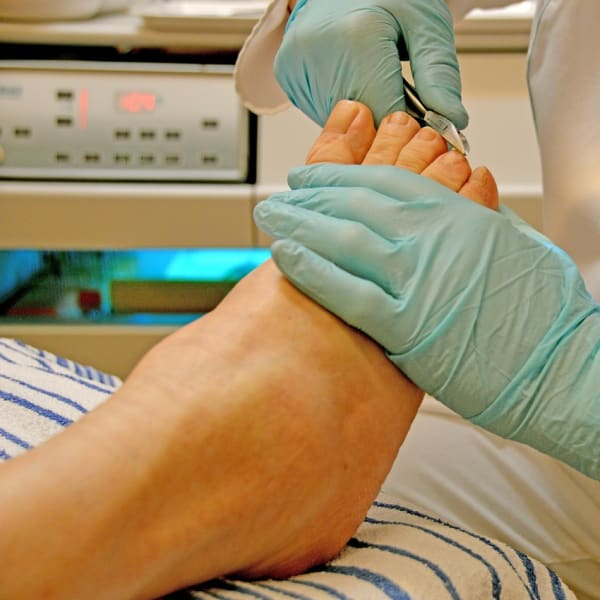
For many people, a pedicure is a relaxing beauty ritual. But what most don’t realize is that this simple service, if done without proper hygiene and sanitation, can cause serious infections and long-term health issues.
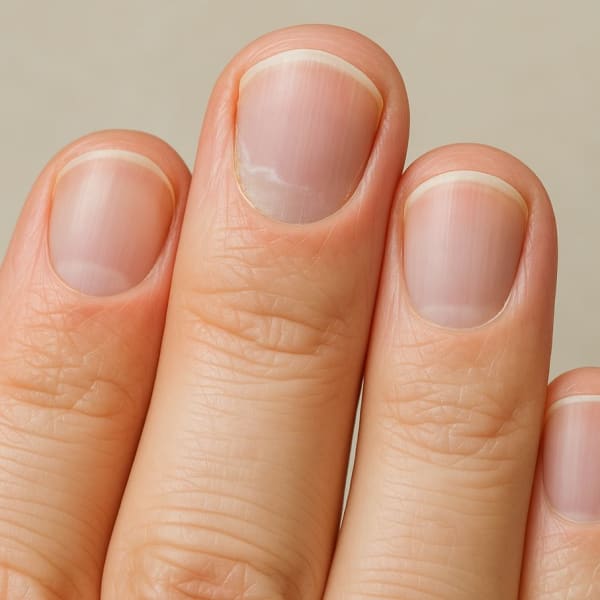
Onycholysis is the separation of the nail plate from the nail bed. While it may look painful, it typically isn’t—at least not at first. But without proper care, this common nail disorder can lead to infections, deformities, and long-term damage.

Mckenzie Kool, Psychologist, MC, RPsych provides us with guidance on what may or not be helpful in speaking with someone who has suffered a significant loss.
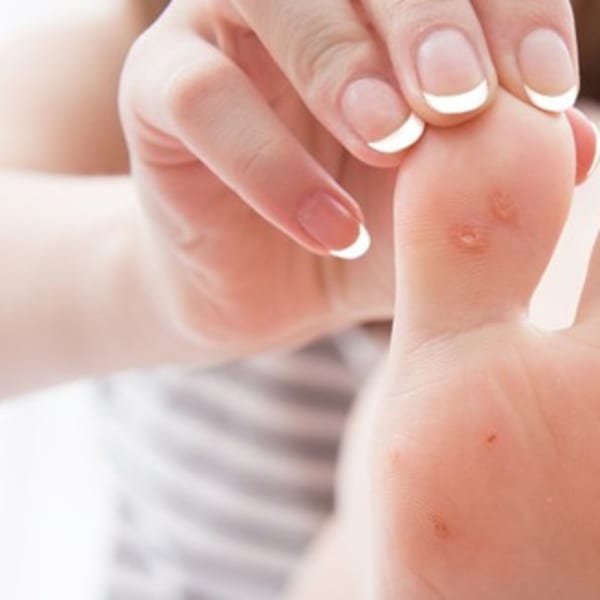
Clients come to you to feel their best—not leave with a viral souvenir. Warts and cold sores can spread fast in busy salons, but a few smart habits make all the difference. Let’s talk about what’s really lurking in your salon (and how to kick it to the curb).

As Earth Day approaches, The Green Beauty Community Foundation and the Green Spa Network invite beauty pros to step forward and embrace sustainability through the Green Pledge--a powerful initiative designed by and for beauty industry leaders.

Don’t cancel Valentine’s Day altogether, urges Jill Palmquist. Instead, think of it as a (frilly, flowery, Champagne-bubbly) wake-up call to fall deeply in love with your own life.

Life coach and Culture Ambassador of Sam Villa, Andrew Carruthers, outlines how to tell if your burnout is temporary - or if it's time to make a bigger career change.
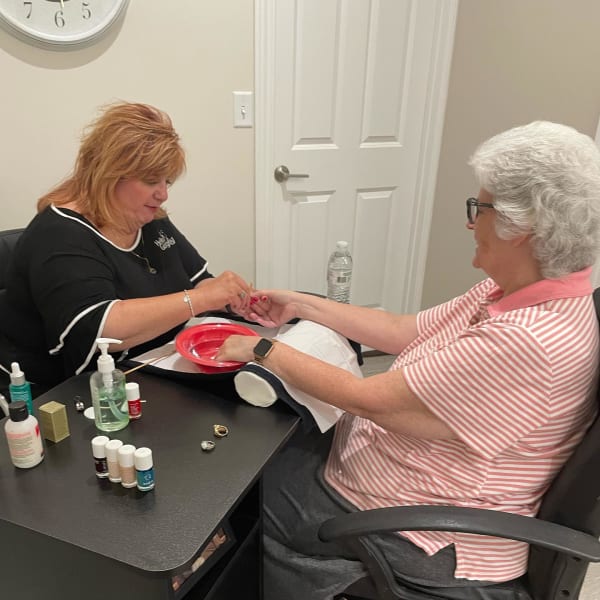
Cancer treatment can create very specific challenges for your guest when it comes to hair, skin, and also nails. Here are some tips for working with your salon client who is going through cancer treatment to help you provide a relaxing, enjoyable, and also safe experience.