




America’s Beauty and Wellness Industry Under Threat from Proposed Regulations Now Being Considered by U.S. Department of Education
A new report criticizes the regulations' impact against students and entrepreneurs.


 MENU
MENU SEARCH
Here are some pieces of advice on how to put together your portfolio, what to say during your interview, what to bring and what to wear, plus where to look for salon jobs.

What to Bring
1. Research (be prepared to tell the salon owner or hiring manager why you are a good fit with the salon).
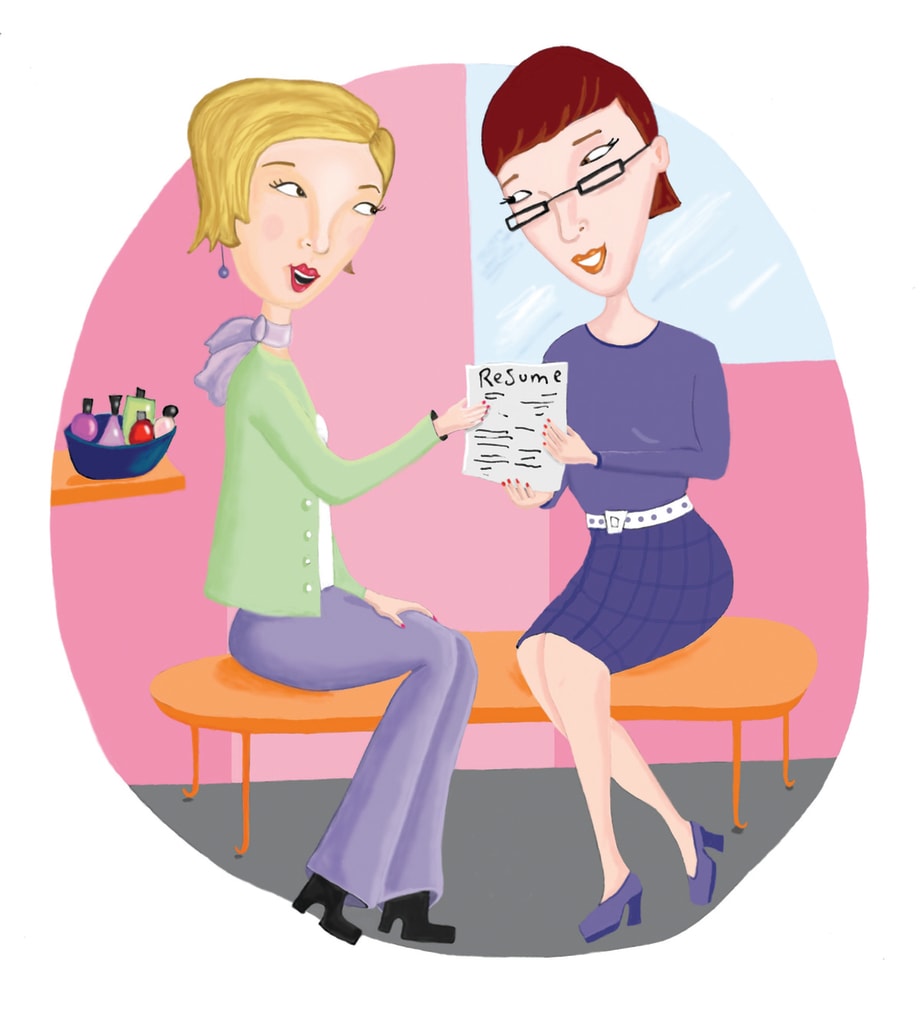
2. Resume (here's an example with pointers).
3. Portfolio (see “Putting Together Your Portfolio” below).
4. Pens and a notepad.
5. Check before the interview to see if you should bring a model and product to demonstrate your skills.
6. Your best attitude and energy.
Putting Together Your Portfolio
A portfolio with pictures of your work should show your skills while also letting the potential employer know you are organized. Purchase a simple binder from an office supply store, making sure to have plastic sheet covers, and include the following:
> A nice photo of a full set of acrylic pink-and-whites. It’s one of the most basic services and most employers will appreciate your skills in this department.
> A shot of toes. If you’re proficient in gels, then a photo of some nice gel toes, Rock Star toes, or other decorative toenails will be sure to impress.
> If you have a creative side, include up to five photos of your nail art. Even if you don’t plan on selling nail art as a service, it still shows the potential employer you are passionate about nails.
> Photos of any other nail specialties (wraps, Minx nail coatings, party nails, etc.).
> A copy of your license and any other accreditations or certificates you’ve earned (like completion of manufacturer courses, first-aid classes, or beauty school nail competition placements).
What to Wear
1. Look neat and professional. Your clothes should be clean and spotless, your shoes polished, and your jewelry minimal. Don’t show up to an interview wearing jeans, a too-short skirt, a low-cut blouse, dirty or smelly clothes, or anything else that could give off a sloppy first impression.
2. Gear your look to the salon’s look. If it’s young and hip, it’s OK to dress more on the trendy side — keeping in mind that employers are trying to gauge the type of impression you’d make on clients. When in doubt, go more conservative.
3. Have impeccable nails, hair, and makeup, but don’t go over the top. Keep your look natural and subdued.
4. Accessorize well, but not to the extreme. Wear small earrings and feel free to bring a neutral-toned purse (with room for a notepad and pen for writing down any follow-up information).
Next page: During the Interview
[PAGEBREAK]
During the Interview
1. Be sure to arrive a little before the appointment. It’s always better to wait outside and take a minute to compose yourself than it is to rush when you’re running late. Try to give yourself plenty of time for traffic.
2. Don’t chew gum, play with your hair, bite your nails, or fidget. And do not dress casually, eg. jeans or provocative clothes. At a minimum, adhere to a smart, casual attire.
3. Shake hands with people and look them in the eye. It shows confidence and openness.
4. In the interview, relax, but use your best manners. Remember to just breathe when you feel nervous.
5. Discuss what you have to offer the salon, such as energy and a fresh perspective.
6. Research the salon at which you are applying by perusing its website, online reviews, etc. Discuss various aspects of the salon with the person interviewing you, as that knowledge is an expression of interest and sincerity.
7. Keep the conversation professional, upbeat, and to-the-point. Don’t ramble and don’t criticize teachers or previous employers. Do not discuss any personal issues or political/religious views.
8. Be prepared to let the salon owner know why you left your previous job or career. If you left on less-than-optimal terms, cast the situation in a positive light, such as: It wasn’t the right place for me, or I needed more support to grow.
9. If you have to do nails during the interview, make sure your tools and products are neat and in a professional-looking toolbox. (If you have to bring a model, she should look as professional as you do.)
10. Be prepared to discuss your career goals and expectations for this job, such as mentoring or continuing education. It is okay to ask what the work environment at the salon or spa is like and what type of products are used and retailed.
11. Don’t appear to be only interested in the money. Most owners feel it is acceptable to inquire about how the company compensates, but to wait until the second interview to discuss how much (see page 14 for information on different compensation systems).
12. When discussing work hours, try to be flexible and open to the needs of the salon, but forthright about your own limitations. If you have to be limited on certain days, try to offer more time elsewhere on the schedule.
Common Interview Questions
Be prepared to answer more than just “yes” or “no” questions. Practice your responses to these interview questions by role-playing with classmates or a friend.
> What service do you find the most enjoyable to do? Which is the least?
> How will you market yourself and draw in your clientele?
> Why is it important to get manicures and pedicures?
> How personable are you with your clients?
> What will your reaction be if a client says she doesn’t like your work and wants a refund?
> Are you willing to promote others in the salon and how?
> If you were experiencing a conflict with a fellow employee, how would you handle the situation?
> What are the possible consequences of using dirty implements?
> What are your strengths and weaknesses?
> How long does it take you to do a full set of gel? What about a full set of acrylic?
Next page: Where to Look and How You'll Know If It's a Good Fit
[PAGEBREAK]Where to Look
1. Surf the web for online classifieds. Some great sites to start your search include:
> www.behindthechair.com/jobs/start.aspx
> www.beautytech.com/forums (scroll down to classified ads, then employment classifieds)
> www.craigslist.org (go to your city’s page, then navigate to jobs — salon/spa/fitness)
> www.probeauty.org/career-center
2. Check with your school to see if it offers job-placement assistance.
3. Ask distributors, teachers, product educators, and established nail techs if they know of salons hiring new techs.
4. Look for salons where you’d like to work and approach the owner to find out whether the salon is hiring.
5. Go to trade shows, networking events, job fairs, and other industry events armed with resumes and your portfolio.
How You'll Know If It's a Good Fit
Think about the advantages and disadvantages of different salon work environments.
Advantages | Disadvantages | |
Nails-Only | Other nail techs to learn from; coworkers who share your passion for nails; coworkers to handle clients when you're sick or out | No stylists or estheticians to get referrals from |
Full-Service | Stylists and estheticians to get referrals from; other clients to draw from | No one to network with or ask questions; nails might not be a priority |
Spa | Usually charge higher prices; quiet, spa-like atmosphere; more coworkers to get referrals from | Most spas don't offer nail enhancements; nails might not be a priority |
A new report criticizes the regulations' impact against students and entrepreneurs.
Looking for a healthy salon job? Watch for these red flags in listings, interviews, and salon culture to avoid a toxic environment and find the right fit.

The 2024 The Professional Beauty Association (PBA) announces its Beacon Class recognizing top emerging talent in the beauty industry.

Do you often forget names? Here are some tips from global beauty educator Carlos Valenzuela to remember your clients.

Our cosmetology schools are at risk as proposed legislation would prevent many of them from participating in student federal loan programs. The American Association of Cosmetology Schools is asking for your help today!
Get the complete guide to navigating the world of professional beauty careers.
An affordable option for starting your beauty education, this post talks about taking those first steps to launching a successful career in the beauty industry.

Paul DiGrigoli began his four-decade long career, opening his first salon in 1986 in Massachusetts. The DiGrigoli School of Cosmetology has recently added new nails and esthetics programs.

While everyone's experience is unique, here is what it was like for me to take my state board exam, with details on the actual examination experience, from the moment I entered the building.
The Cosmetology Board Examination … the event that many, if not all, cosmetology students both anticipate and dread. Here is my story.
For those for whom I am just a hazy pre-pandemic memory, allow me to briefly introduce myself and summarize where I left off my story with this blog. And in future installments, I will cover more about practicing for the state board exam and the actual examination experience.
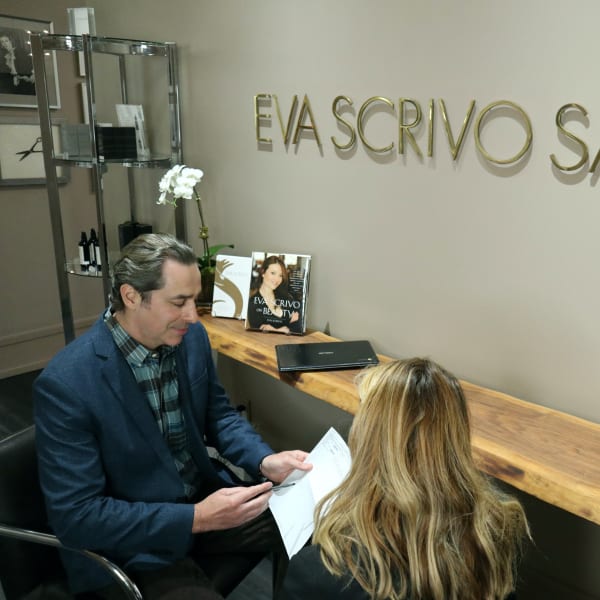
Getting employees to appreciate the importance of THE FUTURE with a 401K plan is the goal of Arik Efros, co-owner of the Eva Scrivo Salon. Efros outlines the importance of this perk and explains why many of the people in their NYC salon have already a nice bundle waiting for them upon retirement.

Julie Kandalec has fantastic personal style! Learn more about the manicurist to the stars.
Learn more about celebrity nail artist, editorial artist, NYFW regular and salon owner Joanne Sorbello.

Get the five tips to winning NAHA's nail category from Reiko Omae. She entered just once and won.

"That first set of nails I did in the salon sucked but that client still comes back to me, three years later, because of the connection we made that day." Hear from the winners of these scholarships on how beauty helps them change lives and how it has changed their own.
Keeping it all in the family, this Dad and daughter keep each other inspired as they train to become beauty professionals.