




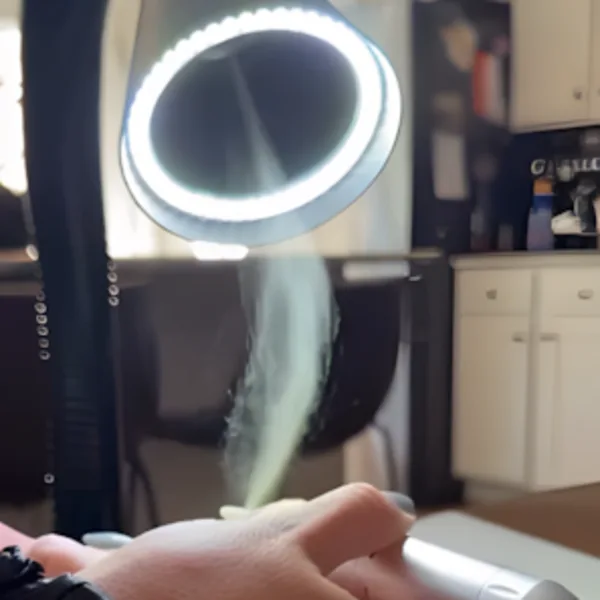
The Nail Salon Ventilation Code Every Owner Should Know
What actually counts as 'source capture' under nail salon ventilation code, and what doesn't (even if it feels like it should).
Sponsored by Aerovex Systems

 MENU
MENU SEARCH
is there a chemical in nail glue or acrylic powder or liquid that can give a person daily headaches?
David Dyer: The nail professional deals with any number of volatiles (chemicals that help maintain liquid solutions) which, when the nail product dries, evaporate into the air you are breathing. Most volatiles can cause headaches, though some (such as ethyl acetate and butyl acetate) are more likely to cause headaches than others. Certain volatiles have been banned from use in nail products (formaldehyde, in certain forms and amounts, for example). You can find out about the ingredients by checking the MSDS (Material Safety Data Sheet) that comes with the products.
Doug Schoon: Headaches can be a early warning sign of overexposure to thousands of different substances, including quickly evaporating (volatile) substances such as paints, solvents, nail polish, hair sprays, as well as all types of enhancement products. Powders and filings are much less likely to cause these symptoms. Early warning signs of overexposure are the body’s way of telling you to work more safely. Fortunately, these early warning signs are usually temporary and will go away as soon as the overexposure stops. Typically, these symptoms are caused by improper ventilation. The best type of system to prevent overexposure is one that captures and removes vapors or dust from the salon. Ventilation systems that claim to “clean the air” are ineffective in the salon environment. Also, ozone-generating air cleaners should be avoided. Even trace amounts of ozone can cause headaches, coughing, and other asthma-like symptoms. In short, the best way to ventilate the salon is to pull out the contaminated air and bring in fresh air.
What can a nail tech do to help a client with ingrown toenails? Is there anything she can do prevent it in the first place?
Dr.Rich: Ingrown toenails can be very painful due to the growth of the sharp nail into the flesh of the lateral nail fold. This nail spicule acts like a foreign body and usually causes the skin to become infected and inflamed, accounting for the pain. Several common sense things can help prevent ingrown nails. Cut the nails straight across and not down into the corners. Advise the client who is prone to ingrown nails to wear shoes that are not constricting or pointed. When an ingrown nail first occurs, soaking in warm water helps. Once there is an infection, an antibiotic and even surgery may be necessary, and a prompt referral to a podiatrist would be judicious.
Which is healthier for the nails – paper wraps or silk?
Schoon: One of the greatest myths of our industry is that one type of nail enhancement is “healthier” for natural nails than another type. This is totally untrue! The vast majority of damage to the nail plate is caused by either improper nail preparation or improper product removal. Overfiling the natural nail and nipping to remove products are the biggest culprits when it comes to nail damage. This is why it is so important to never rough up the nail with a drill or coarse abrasive. This technique strips away many of the layers of natural nail, leaving it thin and weak. It can also cause friction burns to the nail bed leading to partially detached nail plates (onycholysis).
Also, never remove nail enhancements unless it is necessary. Frequent or improper enhancement removal is often responsible for serious nail damage. If for some reason the enhancements must be removed, soaking in product remover is the most gentle procedure. If all nail techs avoided overfilling and improper removal, natural nails would rarely become damaged from salon services. This is why I believe that the mark of a good nail tech is one whose clients have undamaged natural nails.
Yesterday a client came into the salon who had broken her acrylic nail and also broke the natural nail underneath, which was bleeding. Her technician just wiped off the blood and put acrylic right on top of the broken nail. What’s the right way to handle this situation?
Rich: It was the nail bed that was bleeding, probably due to the trauma that caused the nail to break. It would have been preferable for the injured nail bed to heal for several days prior to reapplication of the acrylic. Once the injured skin is repaired, there is no harm replacing the tip and acrylic, but to apply acrylic over a freshly wounded nail bed is asking for trouble. The main worries are infection, sensitization, and pain.
I had a new client come in with a nasty looking greenie (pseudomonas). I took off her old acrylic nail and found that her nail plate was cracked and the greenie was underneath her nail bed. I did not replace the enhancement and told her to see a doctor. Did I overreact? What should I have done?
Schoon: If the infection has spread beneath the nail plate to the nail bed, it is best to refer the client to a doctor for treatment. Infections of this type can lead to more serious problems if left untreated. In my opinion, every nail tech should make contact with a local physician and make sure that they are referring their clients to a medical professional who understands artificial nails. Most physicians do not, therefore it is wise to take the time to locate and educate a local doctor to assist you with these types of issues.
Dyer: It’s always best to err on the side of caution. However, in addition to recommending professional medical evaluation, you can also offer some other alternatives that are effective and less costly such as using a broad spectrum antimicrobial solution, which can be effective in killing susceptible germs like bacteria, fungus, and viruses. A study published in the March 1999, Journal of the American Podiatric Association, demonstrated the effectiveness of a surfactant, allantion, and benzalkoniam chloride antimicrobial solution in improving a variety of infections from various microbes. Another option is soaking the affected nail in a 50/50 solution of apple cider vinegar and water. These alternatives address the infection locally without having to take oral medications that circulate through your entire body.
Please explain why a foot file must not be used on diabetic patients.
Dr.Bronow: Diabetic patients can have circulatory or neurological disorders, which can leave them open to infection if the skin is broken by rough filing. The neurological problem (diabetic neuropathy) can cause decreased sensitivity to pain, so the patient could be injured and not know it. Be careful (Editor’s note: For more information on servicing the diabetic client see “A Pedicurist’s Education in Diabetes,” March 1996.)
I have a client with very soft nail beds, especially near the cuticle area. Three of the nails have cracked up the middle starting at the cuticle upto the free edge. She feels a little soreness around the cracks, but has no redness or soreness anywhere else. She won’t go to the doctor. What do you think is wrong?
Bronow: The cracks up the middle of the nail are known as median nail dystrophy. Some people think that this results from damage to the nail matrix. It may spontaneously clear or can be permanent. There is no relationship to soft nail beds.
What actually counts as 'source capture' under nail salon ventilation code, and what doesn't (even if it feels like it should).
Sponsored by Aerovex Systems
The Good Patch is a leading wearable wellness patch brand, offering wellness and skincare patches that support everyday needs including energy, sleep, relaxation and more.

Orthopedic PT reveals three daily exercises plus ergonomic advice that can help salon professionals avoid the aches and injuries caused by standing, bending and repetitive overhead work.

From breaking free of external validation to creating joy-based goals, discover a more sustainable and fulfilling path to success.
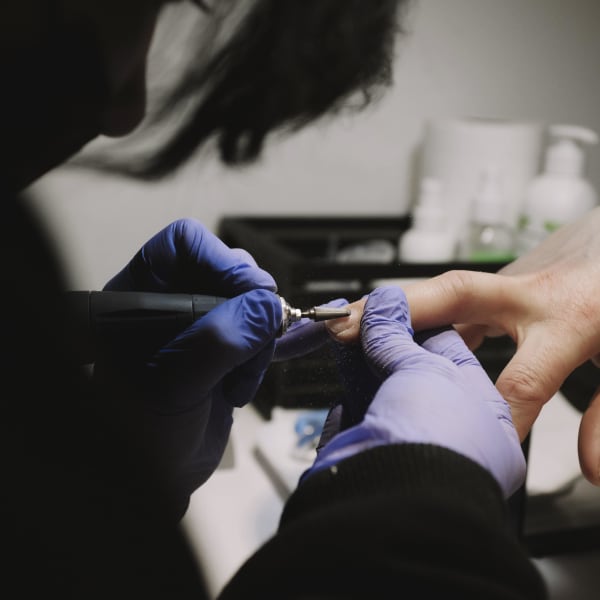
From acrylic monomers to airborne bio-dust, the air inside a nail salon carries risks most professionals never see coming. Aerovex Systems reveals the source-capture and room-purification strategies that are setting a new standard for salon safety.
Sponsored by Aerovex Systems
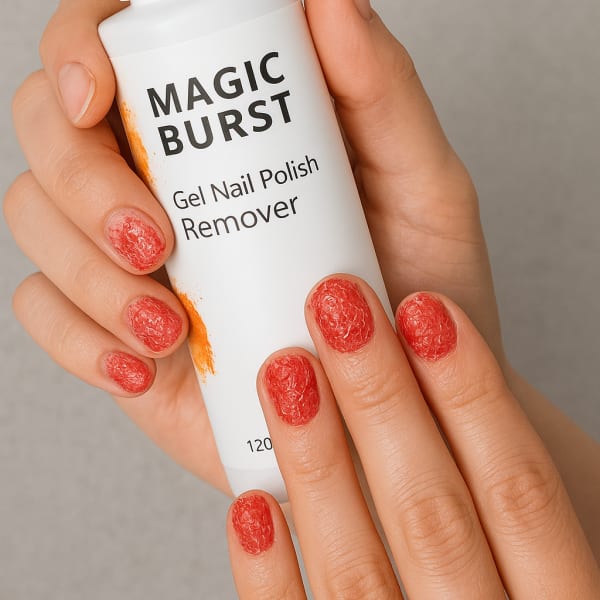
Products marketed as 'magic' or 'burst' gel removers may contain methylene chloride, a federally banned, highly toxic chemical.
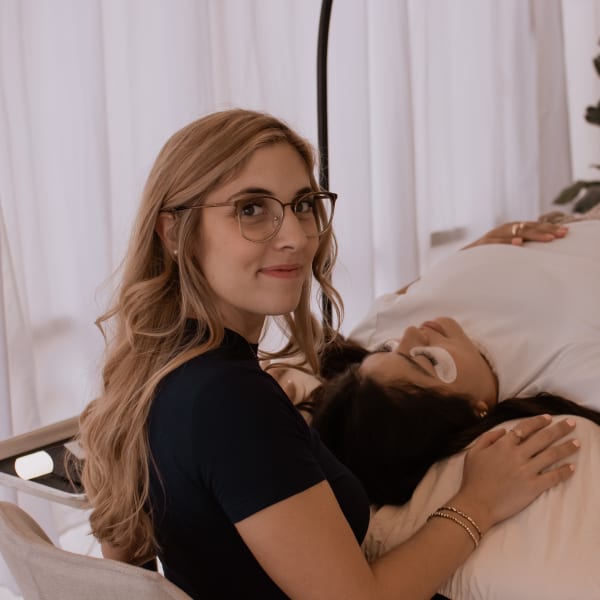
Working in beauty doesn’t have to hurt. Learn how Somatic Movement helps hairstylists, lash artists, and other beauty pros release tension, improve posture, and extend their careers.
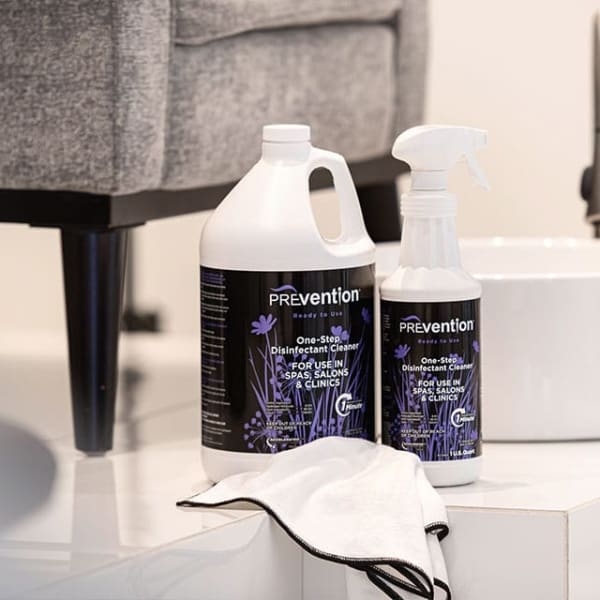
As a spa or salon professional, your clients expect more than just beauty—they expect safety, hygiene, and peace of mind. Fungal infections like Athlete’s Foot and Nail Fungus are more common than you think, especially in environments where tools and footbaths are reused without proper sanitation. This blog covers how to stop these issues before they start, using proven infection prevention strategies for salons and spas.
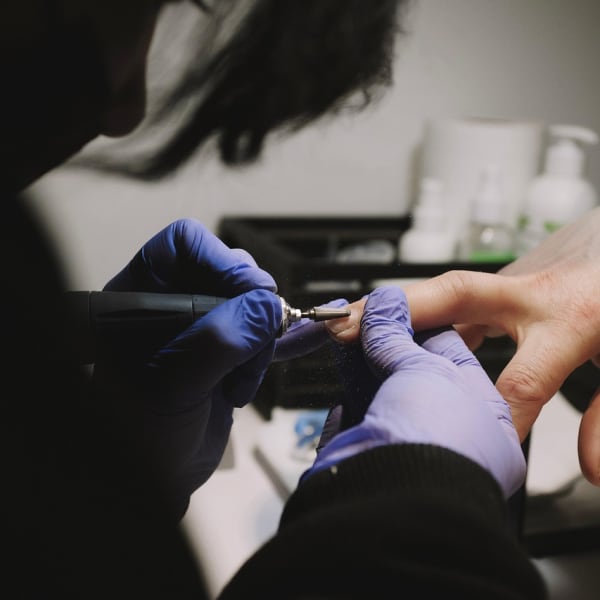
A federal initiative aimed at studying chemical exposure in nail salons has ended due to staffing and budget changes. Here’s what the project set out to do—and what its conclusion means for salon professionals.
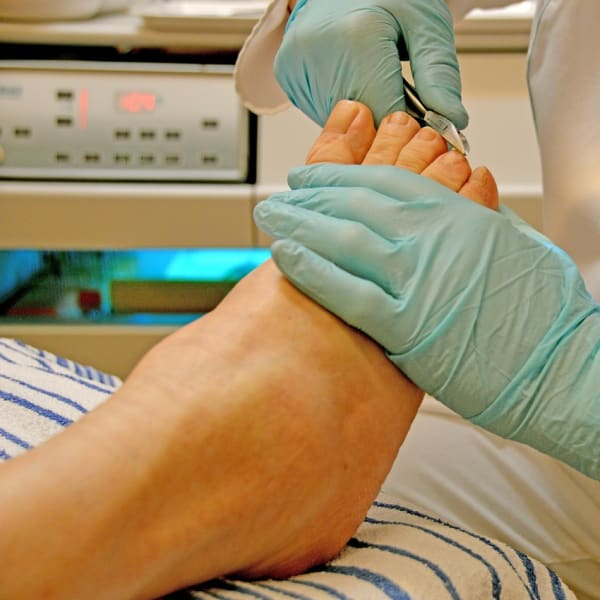
For many people, a pedicure is a relaxing beauty ritual. But what most don’t realize is that this simple service, if done without proper hygiene and sanitation, can cause serious infections and long-term health issues.
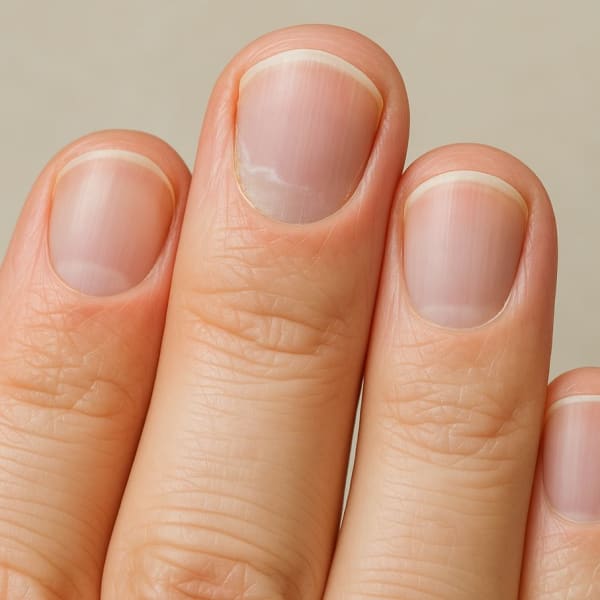
Onycholysis is the separation of the nail plate from the nail bed. While it may look painful, it typically isn’t—at least not at first. But without proper care, this common nail disorder can lead to infections, deformities, and long-term damage.

Mckenzie Kool, Psychologist, MC, RPsych provides us with guidance on what may or not be helpful in speaking with someone who has suffered a significant loss.
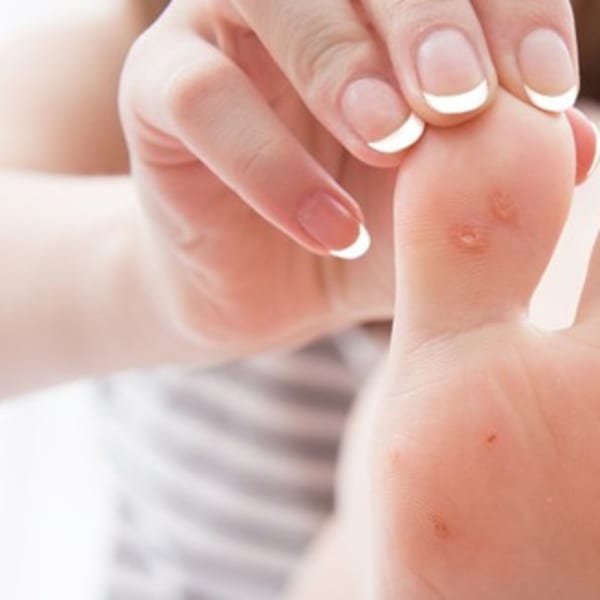
Clients come to you to feel their best—not leave with a viral souvenir. Warts and cold sores can spread fast in busy salons, but a few smart habits make all the difference. Let’s talk about what’s really lurking in your salon (and how to kick it to the curb).

As Earth Day approaches, The Green Beauty Community Foundation and the Green Spa Network invite beauty pros to step forward and embrace sustainability through the Green Pledge--a powerful initiative designed by and for beauty industry leaders.

Don’t cancel Valentine’s Day altogether, urges Jill Palmquist. Instead, think of it as a (frilly, flowery, Champagne-bubbly) wake-up call to fall deeply in love with your own life.

Life coach and Culture Ambassador of Sam Villa, Andrew Carruthers, outlines how to tell if your burnout is temporary - or if it's time to make a bigger career change.
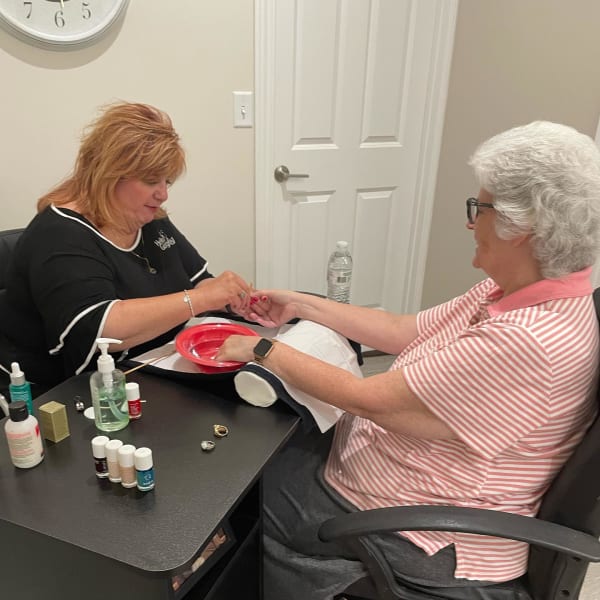
Cancer treatment can create very specific challenges for your guest when it comes to hair, skin, and also nails. Here are some tips for working with your salon client who is going through cancer treatment to help you provide a relaxing, enjoyable, and also safe experience.