




Why Salon Work Makes Your Body Ache & What You Can Do to Feel Better
We learn some simple moves and strategies to keep the blood pumping through the muscles and limit posture problems from The Balanced Beauty Pro
by Anne Moratto


 MENU
MENU SEARCH
The death of Nicole Brown Simpson in 1994 propelled nail tech Sue Yahnian to channel her energy into preventing violence against women. She feels nail techs are in a unique position to recognize signs of abuse and steer clients to resources for help.
For the last six years, Sue Yahnian has divided her time between working on women’s hands and working on women’s hearts. In both cases, she aims to nurture and beautiful them, and help to heal them if necessary.
A manicurist with nearly 30 years experience, Yahnian currently plies her trade at the Four Seasons Resort in Newport Beach, Calif., which she describes as “the pinnacle for a nail professional.” The salon brings her into close contact with celebrities of all kinds and offers an ultimate salon experience in therapeutic surroundings.
Ironically, the hotel didn’t start out with a manicurist – or even a salon. It’s a position that Yahnian willed into existence through sheer perseverance. Motivated by a desire to live in that area and the determination to work at a top-quality, five-star establishment, she kept proposing the idea until management finally agreed to give it a try.
“It’s amazing what the mind can do,” says Yahnian. “I truly believe that dreams can come true.” This optimistic attitude serves her well in many areas of her life, especially in her other line of work – with women’s hearts.
Yahnian moved to the Newport Beach area five years ago because it brought her closer to the group that has defined much of her life since the summer of 1994. That June was the month when Nicole Brown Simpson was murdered, and it was also the time that Yahnian made a vow to do whatever she could to help other women escape from violent relationships.
“When I heard about Nicole’s death a passion hit my heart,” she says. Yahnian had recently divorced a man who was abusive, and was looking for ways to turn her anger into positive energy. Convinced of O.J. Simpson’s guilt in Nicole’s death, Yahnian describes the murder as “the epitome of what could happen” in an abusive relationship.
“The horror of it hit me,” she says. “I thought, ‘I want to help this family.’”
Within weeks of the murder, Yahnian was regularly driving 100 miles each way to volunteer for the foundation established in Nicole’s memory: the Nicole Brown Charitable Foundation (NBCF).
As a volunteer, Yahnian pitches in wherever needed – answering phones, Yahnian points out. “We sit facing them, unlike a hairdresser or a masseuse. Whatever’s in their hearts, they can tell us. We have a real opportunity to find out what’s going on in their lives.”
“Just a month ago, I had a client come in who was concerned about her marriage. She said she knew her relationship was unusual but didn’t know if it was abusive or not.” The woman told Yahnian that she wasn’t allowed to drive or to go anywhere by herself, and that she needed her husband’s permission for everything.
“When she told me that,” Yahnian says, “I stopped the manicure and said, ‘Let me show you some books and phone numbers. This is more important than doing your nails and feet.’”
The client agreed, and before her husband came to pick her up Yahnian gave her information on domestic abuse and organizations that she could call for help. A month later the woman phoned Yahnian to say that she’d left her husband and was now in a safe house. “I know I’m going to make it,” she told Yahnian.
Resources Are Available
Fortunately, battered women have better resources now than ever before. Besides a well-organized system of home-like shelters, there are also low-cost lawyers and excellent job centers available to help struggling women get back on their feet. Another key to successfully rebuilding their lives is learning skills to help keep them from going back to their abusers.
Currently, the focus of the Nicole Brown Charitable Foundation is to provide comfortable, long-term settings where women can develop those skills. Their plan is to set up transitional housing – called Nicole’s Houses – that would allow residents to stay for up to two years while learning how to live on their own.
“For so long, abusers have told these women that they’re stupid, they can’t do anything, that they can’t live without the other person,” says Denise Brown, director of the NBCF. “In transitional housing, the women would get training in life skills, parenting, and job skills so that they can build their confidence and become self-sufficient.”
The battered women and their children will also receive counseling so they can break the patterns of abuse. As Brown points out, young girls who see their mothers being abused learn to believe that violent behavior is normal, and young boys learn that being abusive is OK.
The violence itself also has a pattern that can be recognized says Brown. Abusive relationships have a similar cycle that helps to keep the woman trapped. “I knew nothing about this cycle [before Nicole was Killed],” says Brown. “It was the dirty little secret that my sister never talked about.”
The cycle of violence has three phases. First is the “tension-building” phase, marked by put-downs and insults from the abuser. Next comes the violence stage, where physical abuse occurs – anything from slaps to punches and worse. After the violence comes the “honeymoon” phase, in which the abuser apologizes, brings flowers, and promises that it will never happen again. Inevitably, though, the cycle repeats itself.
“If he hits you once, he’ll hit again,” says Brown, “and if he threatens to kill you, eventually he will.” That’s why, says Yahnian, nail professionals need to educated themselves and to be aware that their clients might need help.
“The most important thing to remember,” she says, “is don’t ever not ask.” Although a client may deny that there is a problem at first, you will open up the discussion and sooner or later she might turn to you for help.
According to statistics, one in four women in the U.S. are affected by domestic violence and an abused woman will tolerate seven or eight instances of violence before trying to find help. Although offering information may or may not encourage a battered woman to seek help sooner, Yahnian says she thinks it will give her a resource to turn to when she’s ready.
After all, Yahnian points out, women often come to salons for nurturing – to be taken care of and to feel better about themselves. And battered women – even more than most – need to find a comforting place where they feel safe.
“As manicurists, we’re givers. We do what we do because we like making people feel good,” says Yahnian. “Always be aware that your client may need someone to talk to. We can be an avenue for these women to get help.”
We learn some simple moves and strategies to keep the blood pumping through the muscles and limit posture problems from The Balanced Beauty Pro
Uncured gel polish and microscopic e-file dust contain active acrylates that penetrate the skin, triggering permanent contact dermatitis. Learn the chemistry behind these irritants and how to protect your clients and yourself.
What actually counts as 'source capture' under nail salon ventilation code, and what doesn't (even if it feels like it should).
Sponsored by Aerovex Systems
The Good Patch is a leading wearable wellness patch brand, offering wellness and skincare patches that support everyday needs including energy, sleep, relaxation and more.
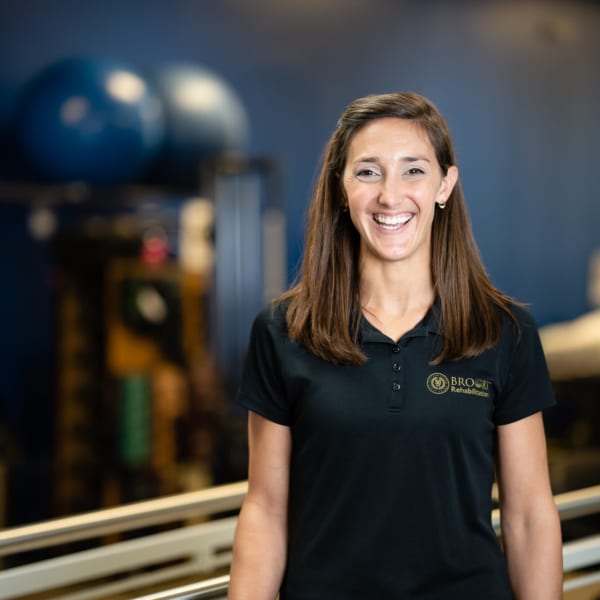
Orthopedic PT reveals three daily exercises plus ergonomic advice that can help salon professionals avoid the aches and injuries caused by standing, bending and repetitive overhead work.

From breaking free of external validation to creating joy-based goals, discover a more sustainable and fulfilling path to success.
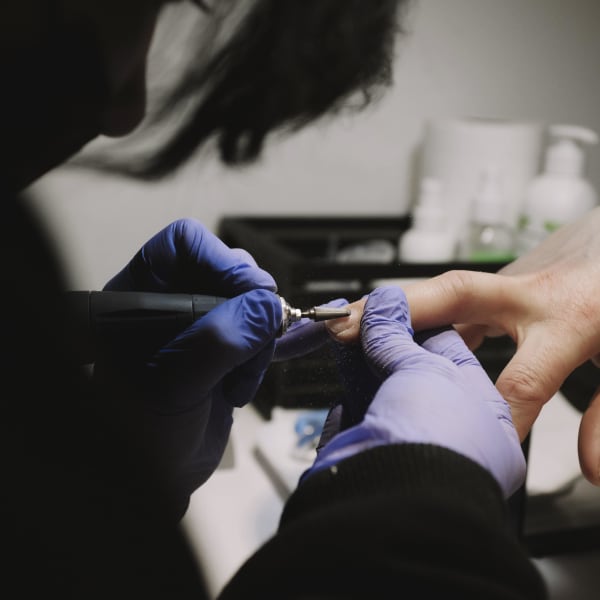
From acrylic monomers to airborne bio-dust, the air inside a nail salon carries risks most professionals never see coming. Aerovex Systems reveals the source-capture and room-purification strategies that are setting a new standard for salon safety.
Sponsored by Aerovex Systems
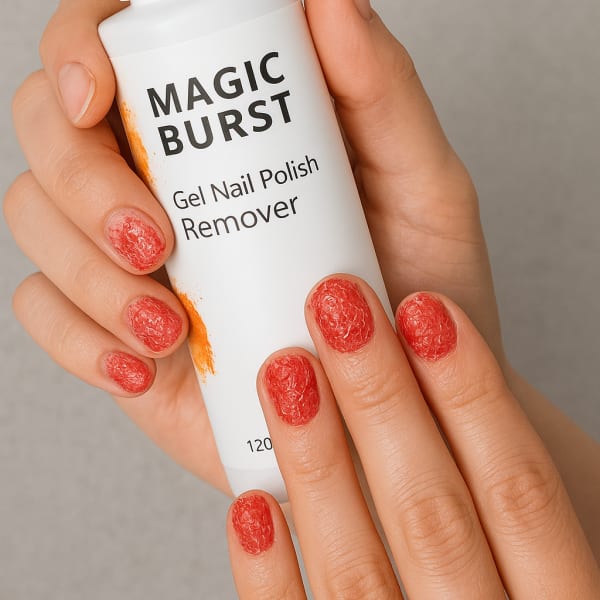
Products marketed as 'magic' or 'burst' gel removers may contain methylene chloride, a federally banned, highly toxic chemical.
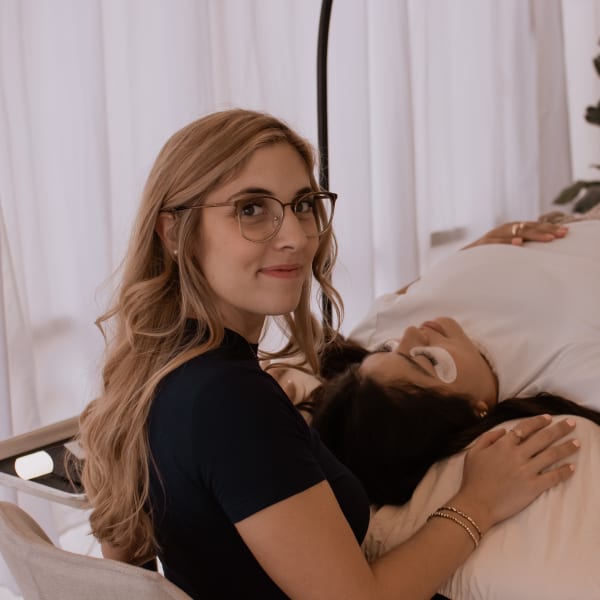
Working in beauty doesn’t have to hurt. Learn how Somatic Movement helps hairstylists, lash artists, and other beauty pros release tension, improve posture, and extend their careers.
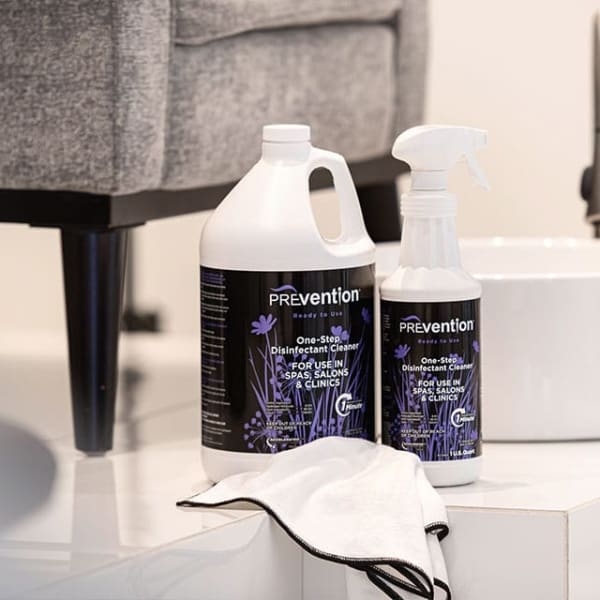
As a spa or salon professional, your clients expect more than just beauty—they expect safety, hygiene, and peace of mind. Fungal infections like Athlete’s Foot and Nail Fungus are more common than you think, especially in environments where tools and footbaths are reused without proper sanitation. This blog covers how to stop these issues before they start, using proven infection prevention strategies for salons and spas.
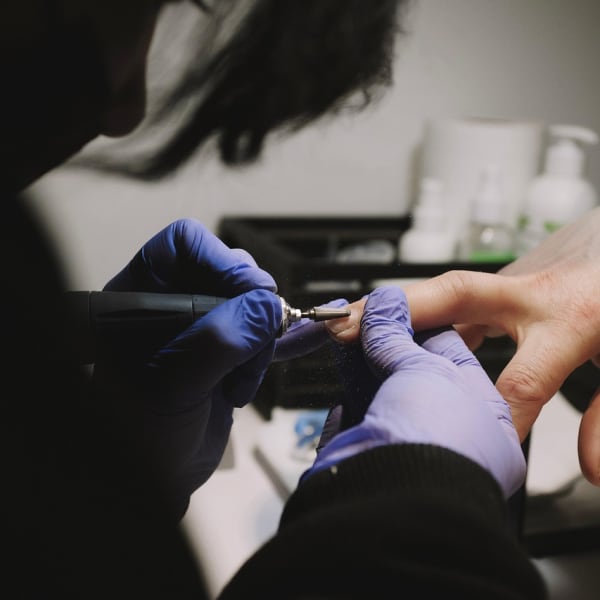
A federal initiative aimed at studying chemical exposure in nail salons has ended due to staffing and budget changes. Here’s what the project set out to do—and what its conclusion means for salon professionals.
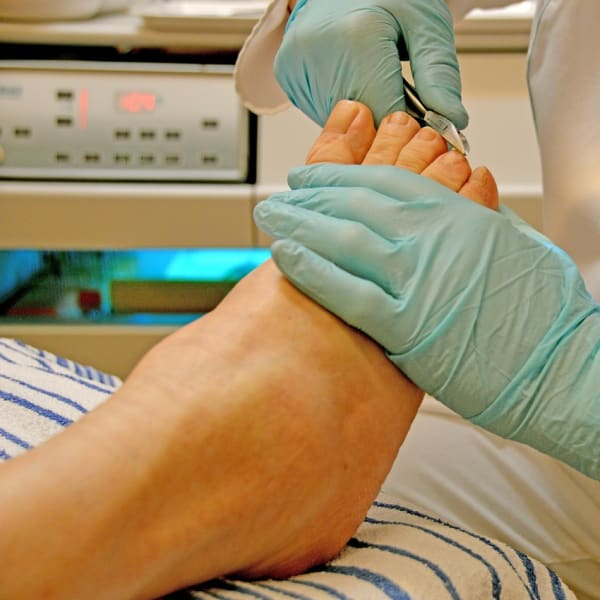
For many people, a pedicure is a relaxing beauty ritual. But what most don’t realize is that this simple service, if done without proper hygiene and sanitation, can cause serious infections and long-term health issues.
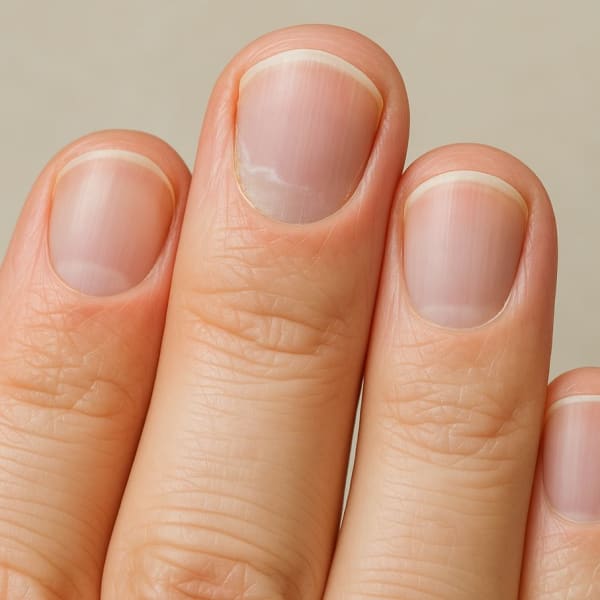
Onycholysis is the separation of the nail plate from the nail bed. While it may look painful, it typically isn’t—at least not at first. But without proper care, this common nail disorder can lead to infections, deformities, and long-term damage.

Mckenzie Kool, Psychologist, MC, RPsych provides us with guidance on what may or not be helpful in speaking with someone who has suffered a significant loss.
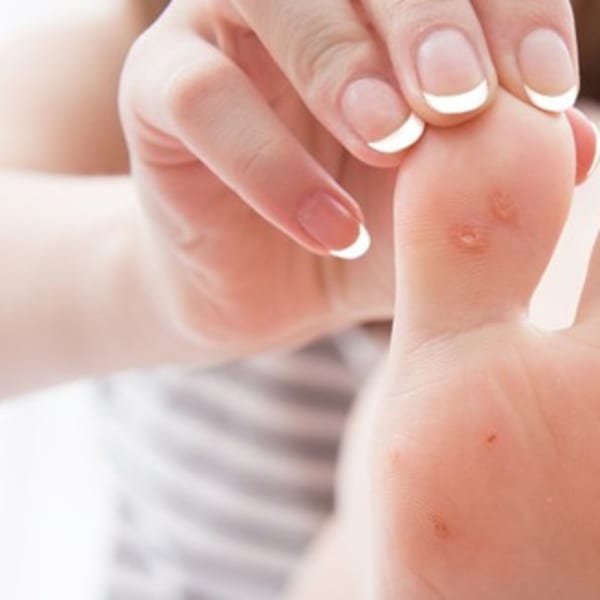
Clients come to you to feel their best—not leave with a viral souvenir. Warts and cold sores can spread fast in busy salons, but a few smart habits make all the difference. Let’s talk about what’s really lurking in your salon (and how to kick it to the curb).

As Earth Day approaches, The Green Beauty Community Foundation and the Green Spa Network invite beauty pros to step forward and embrace sustainability through the Green Pledge--a powerful initiative designed by and for beauty industry leaders.

Don’t cancel Valentine’s Day altogether, urges Jill Palmquist. Instead, think of it as a (frilly, flowery, Champagne-bubbly) wake-up call to fall deeply in love with your own life.