




America’s Beauty and Wellness Industry Under Threat from Proposed Regulations Now Being Considered by U.S. Department of Education
A new report criticizes the regulations' impact against students and entrepreneurs.


 MENU
MENU SEARCH
We asked nail instructors: What part of learning to do nails do you think is most challenging for your students? What are some of the ways you help them overcome their difficulties and achieve success?


The most challenging aspect of learning nails for students seems to be the theory. The practical aspects seem to be a little easier. I find that most of my students are visual learners, and when they see the demonstrations and replicate what they’ve been shown, they tend to do well. Some of the theoretical information will have to be experienced long after they have graduated and when they are actively working. At that time, they may recall the information and be able to apply it to the practical aspects of what we do.
— Jessica Taylor, Honolulu Nail Academy, Honolulu
I think hard gel is the most challenging for my students. It's so hard to shift gears from patting and pulling to floating. To help our students, we start with using honey and a laminated sheet with markings of a nail outline. The students can practice pulling a perfect pearl, floating it, and keeping bubbles to a minimum. It's a great way to learn technique without wasting expensive hard gel. Once the student feels comfortable and can lay the gel in the lines on the laminated sheet, then we move on to a real nail. The honey helps a lot and is also sticky so they learn things can get messy quickly if they don't work in a clean and efficient manner.
— Rachael Waggoner, Westland Beauty Academy, Lakewood, Colo.
I find acrylic wet-to-dry ratio to be the hardest for them to grasp. They have difficulty comprehending that different products set at different speeds and how the temperature can affect the cure time of their acrylic. To help them overcome this obstacle, we work in varying temperatures. I demo at least two different product lines, I encourage them to practice (as nothing I provide compares to their determination to succeed), and arrange “real world” scenarios to stimulate troubleshooting.
— Heather McDaniel, Pensacola State College, Pensacola, Florida
I find my students do not quite grasp how to use the nail brush in their kits and the different types of acrylic products I demo. I always demo three types: One that I use for state board mock board, another acrylic line used on clients at school, and the acrylic they get in their kits. I demo free-formed sculptured nails the most because they are the hardest to learn; I've noticed the placement of the form itself is challenging for students. I help each student after I observe what he or she is doing wrong. Then I demo what they’re doing verses what I am teaching. Then I explain again after I demo. I have them show me their steps and tell me why they took the steps they did in each process. Each line works very differently, and because we all work with our hands differently, it's essential to me as an instructor (with two licenses, 26 years in California) that I am able to understand the students. The students also help me understand their obstacles, which in turn helps me develop my skills as an instructor.
— Juanita Garcia, Marinello Beauty College, Fresno, Calif.
It may seem simple but I find that a lot of people have never picked up a file in a professional capacity before. Anyone can shape the end of their nail, but learning to file in “3-D” to shape an acrylic or gel nail is way more difficult. Learning to hold a file is notoriously hard. But we work using colored eggs and file the color off, and we practice on every nail we can.
— Bri McCloud, Sweetwater Institute of Cosmetology, Sweetwater, Tenn.
My observation is that in the theory portion of the course the students that speak English as a second language have a more difficult time with comprehension because they aren’t able to grasp the full spectrum of the topic. But if the instructor is observant of the reactions of these students, he or she can either make sure to articulate the subject matter more clearly and/or slow down when explaining that portion of the subject matter. It is imperative that the instructor understands the difficulties these students face in reaching an understanding of any subject that isn’t part of their indigenous language.
— Jay Taylor, Theory Instructor Home-Study Program, Honolulu Nail Academy
As an educator, the most difficult thing for my students is refining the shape of the nail and not filing off the apex they tried so hard to create with the application of the product, and making sure the cuticle area is flush to the natural nail and the sidewalls are straight. I will drag a chair right over to their desk and sit right beside them and talk them through the whole process until they get it right. I will even sometimes go behind them and put my hands over theirs to show them how to file correctly. I do this repeatedly until I’m confident enough that they have learned the correct way to finish file the nails.
— Charlotte Rauch, Bed Rock Salon/Simplicity Nail System Ontario, Baden, Ontario, Canada
You Might Also Like:
Inspiring Instructor: Q&A with Kathy Emery
For more information about careers in nails, check out these helpful links:
A new report criticizes the regulations' impact against students and entrepreneurs.
Looking for a healthy salon job? Watch for these red flags in listings, interviews, and salon culture to avoid a toxic environment and find the right fit.
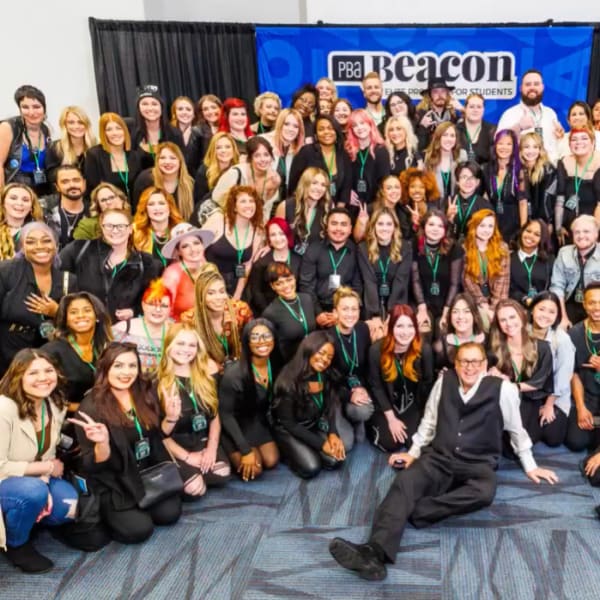
The 2024 The Professional Beauty Association (PBA) announces its Beacon Class recognizing top emerging talent in the beauty industry.

Do you often forget names? Here are some tips from global beauty educator Carlos Valenzuela to remember your clients.

Our cosmetology schools are at risk as proposed legislation would prevent many of them from participating in student federal loan programs. The American Association of Cosmetology Schools is asking for your help today!
Get the complete guide to navigating the world of professional beauty careers.
An affordable option for starting your beauty education, this post talks about taking those first steps to launching a successful career in the beauty industry.
Paul DiGrigoli began his four-decade long career, opening his first salon in 1986 in Massachusetts. The DiGrigoli School of Cosmetology has recently added new nails and esthetics programs.
While everyone's experience is unique, here is what it was like for me to take my state board exam, with details on the actual examination experience, from the moment I entered the building.
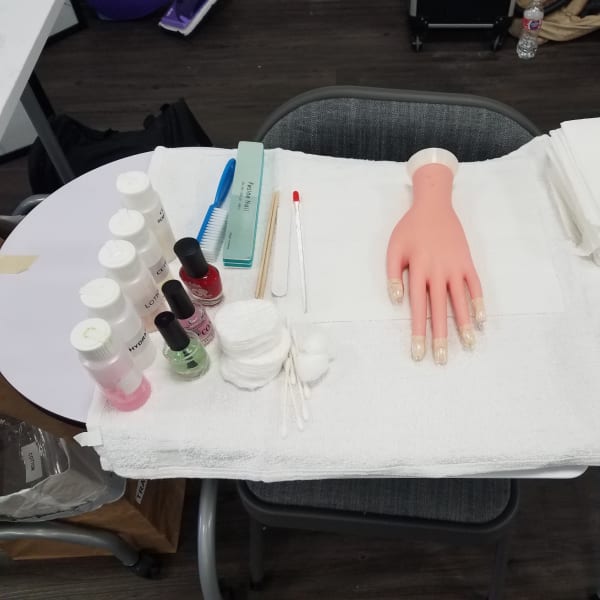
The Cosmetology Board Examination … the event that many, if not all, cosmetology students both anticipate and dread. Here is my story.
For those for whom I am just a hazy pre-pandemic memory, allow me to briefly introduce myself and summarize where I left off my story with this blog. And in future installments, I will cover more about practicing for the state board exam and the actual examination experience.
Getting employees to appreciate the importance of THE FUTURE with a 401K plan is the goal of Arik Efros, co-owner of the Eva Scrivo Salon. Efros outlines the importance of this perk and explains why many of the people in their NYC salon have already a nice bundle waiting for them upon retirement.

Julie Kandalec has fantastic personal style! Learn more about the manicurist to the stars.
Learn more about celebrity nail artist, editorial artist, NYFW regular and salon owner Joanne Sorbello.

Get the five tips to winning NAHA's nail category from Reiko Omae. She entered just once and won.
"That first set of nails I did in the salon sucked but that client still comes back to me, three years later, because of the connection we made that day." Hear from the winners of these scholarships on how beauty helps them change lives and how it has changed their own.
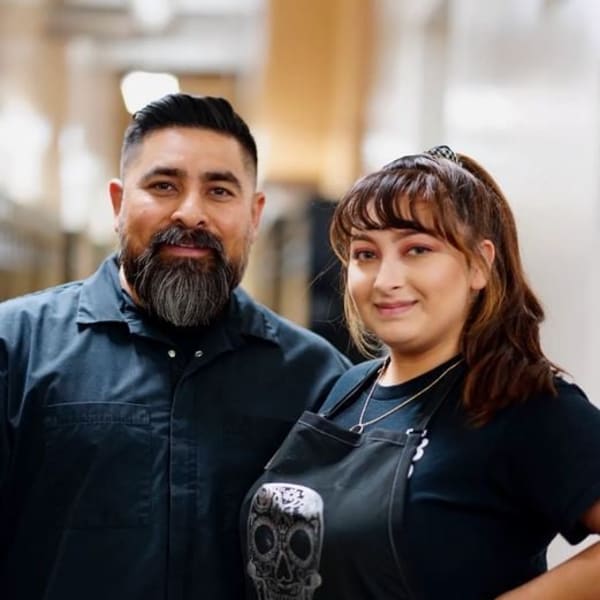
Keeping it all in the family, this Dad and daughter keep each other inspired as they train to become beauty professionals.