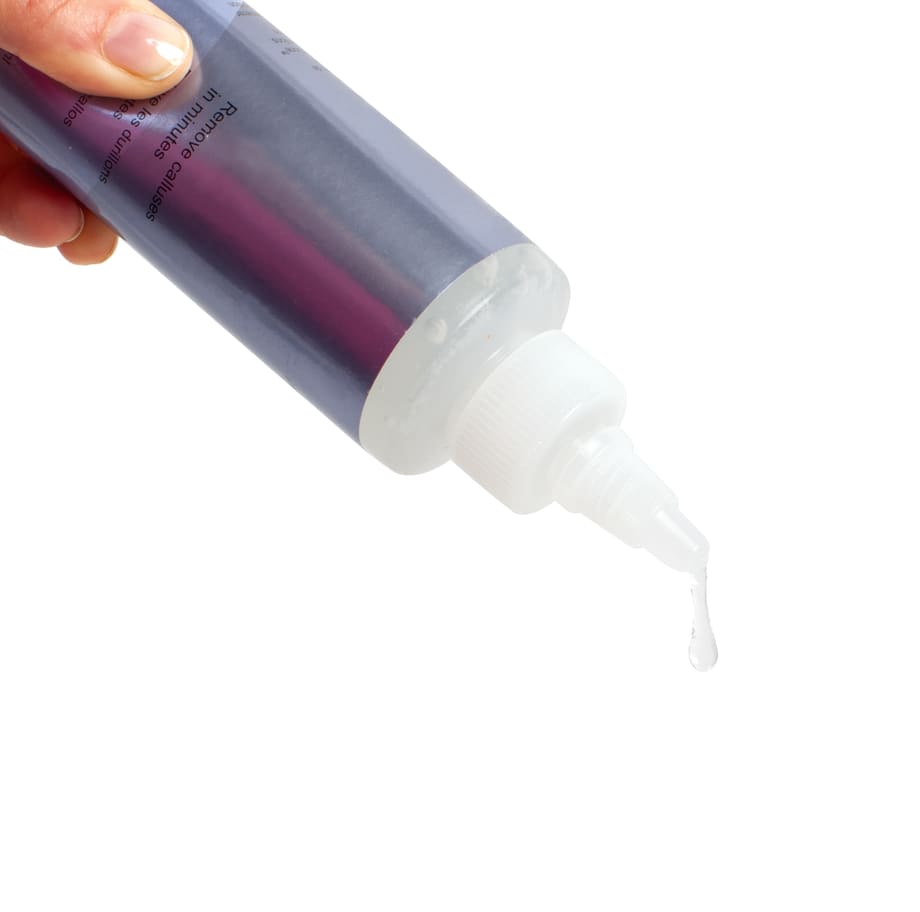
Callus softeners are potent liquid formulas applied to heavy callus areas to soften them for more effective pedicure filing. So what exactly is in these softeners? Here’s a profile of three of the most common active ingredients in callus softeners today.
by Staff
December 21, 2011
2 min to read
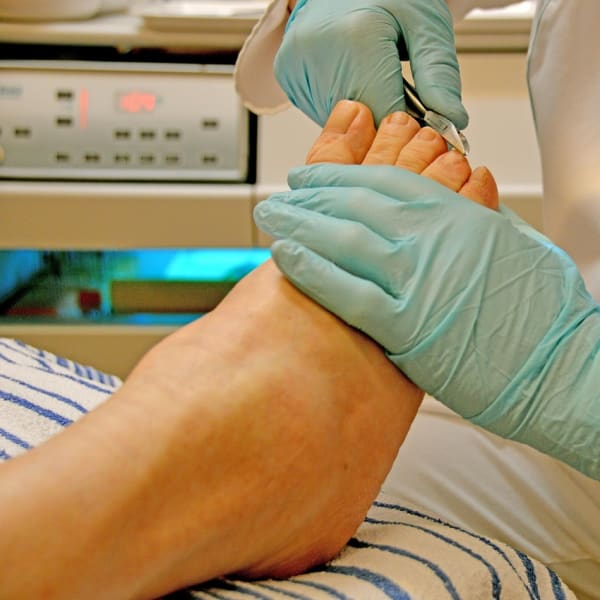
Callus softeners are potent liquid formulas applied to heavy callus areas to soften them for more effective pedicure filing. The softeners are typically left on the callus for about five minutes, though this varies from brand to brand, and care is advised to limit skin exposure to only heavy callus. Techs are advised to wear gloves during applications and to make sure healthy skin does not come into contact with the softeners.
So what exactly is in these softeners? Here’s a profile of three of the most common active ingredients in callus softeners today.
Ad Loading...
1. Urea: Urea is an organic compound that has a super-hydrating effect on skin cells. Its function within callus softeners is to over-moisturize and hydrate the tough, thick callus so that it becomes soft and supple for the pedicure file to have a greater effect at filing it down. It is a naturally occurring chemical that is produced within many organisms. In humans, the liver produces urea as a nitrogen waste carrier in the metabolic process to take waste out of the body in urine. Most industrial urea is synthetic and produced from carbon dioxide and ammonia. (It’s also used in animal feed and fertilizer as a relatively cheap source of nitrogen.)
2. Salicylic Acid: Salicylic acid is an organic acid that derives originally from the bark of willow trees. It has anti-inflammatory properties, which has made its source compound, salicin, a model for aspirin. It also has the ability to break down fats and lipids. As of now, it is the only chemical the FDA has approved to be marketed as a callus “remover,” and acts to lift the dead skin cells off of callus for enhanced filing results. (It is also used to treat plantar warts and for exfoliating treatments for acne and psoriasis.)
3. Potassium Hydroxide: Potassium hydroxide is an inorganic compound that makes for a strong callus softener depending on the amount in the formula. It degrades the protein in the callus cells and works quickly to soften even the toughest of callus in preparation for filing. Cuticle removers often contain a small amount of potassium hydroxide to help clean nail plates. (It is used in many industries including in the production of soap, fertilizer, and biodiesel and can even be used as a disinfectant and cleaning agent on surfaces that can withstand its corrosive properties.)
Check out the “callus” entry on NAILS Encylopedia, www.nailsmag.com/encyclopedia, for more articles on everything you’d want to know about callus softeners.
Marine-exclusive antioxidants act as a natural biological shield for the feet to help protect skin, smooth cracks, hydrate roughness, calm inflammation and disrupt bacterial and fungal activity, leaving feet feeling softer, smoother, more hydrated and healthier.
The MelodySusie P-PLUS30GT UV/LED Rechargeable Nail Lamp represents an upgrade in curing technology, designed to address several challenges through improved light reflection, intelligent heat management, and cordless operation.
Elevate your tip service with the OPI GELevate™ Extension System, featuring tailor-made Soft Gel Tips, GELevate 4-in-1 Builder with Intelli-Builder Technology and the Lightening Flash Cure Gel Lamp. This new system from OPI allows for flawless tips in no time.
Nail technicians are embracing the Medical Pedicure as a service and placing it on their menus. But what is it? What training is required? Is it within our scope of practice as licensed nail technicians?
MelodySusie introduces the Fleurwee Gel Nail Polish series—a revolutionary gel polish that is HEMA/HPMA- and TPO-free, plant-based gel polish for a high-quality nail care experience.
Kim Kardashian's manicure created for GQ’s annual 'Man Of The Year' event are the perfect understated, yet edgy look for fall or even the holiday party season.
When the weight of the body lands on a swollen nerve, it can be debilitating. Learn the symptoms and alert clients to this common problem that develops in the nerves of the foot.
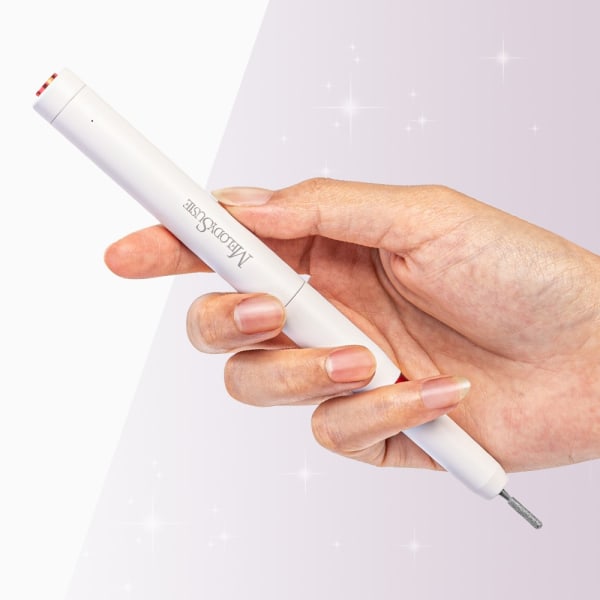
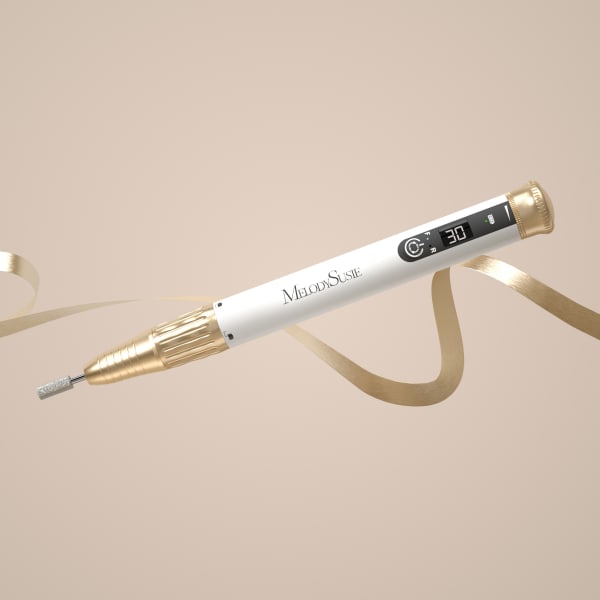
With the PC1 Nail Drill Pen, achieving healthy nails and a flawless manicure has never been easier. This user-friendly nail drill pen covers all your nail care needs.
Attending a presentation by Doug Schoon is an opportunity not to be missed for anyone in the nail care industry. His extensive expertise, commitment to accurate information, and engaging presentation style make for an enlightening experience.