





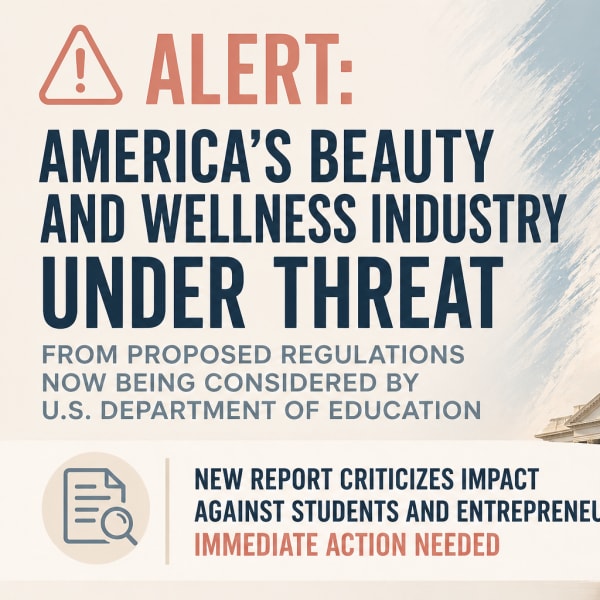
America’s Beauty and Wellness Industry Under Threat from Proposed Regulations Now Being Considered by U.S. Department of Education
A new report criticizes the regulations' impact against students and entrepreneurs.


 MENU
MENU SEARCH
We talked to educators from various disciplines and identified some of the main qualities needed for good teaching. Whether you’re teaching a room of kindergarteners, a university classroom, or a group of adult nail school students, these are the qualities you’ll want to develop to be an effective teacher.
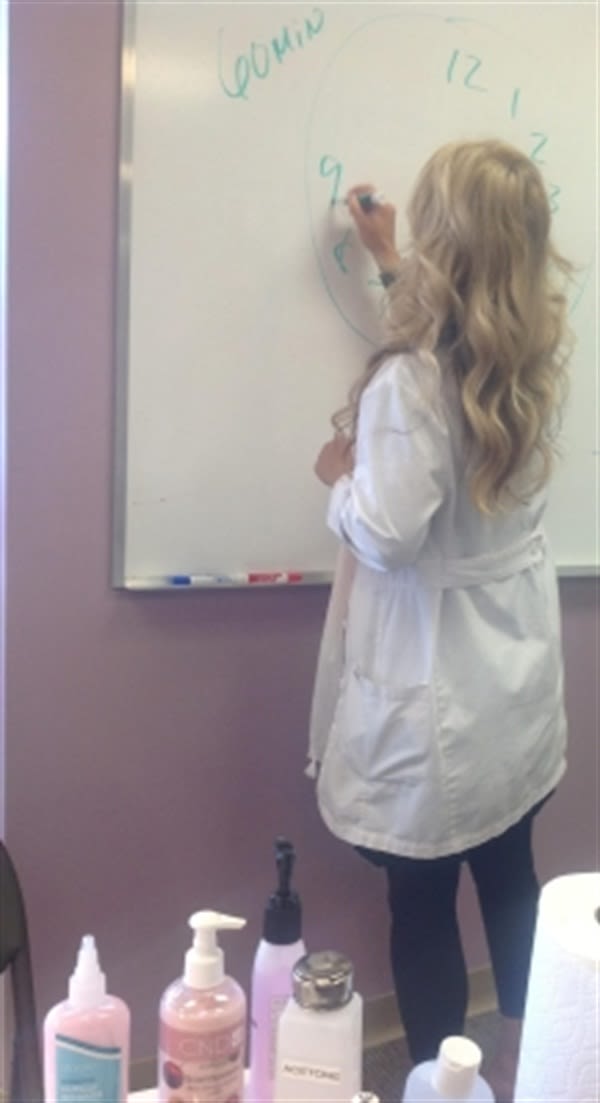
We talked to educators from various disciplines and identified some of the main qualities needed for good teaching. Whether you’re teaching a room of kindergarteners, a university classroom, or a group of adult nail school students, these are the qualities you’ll want to develop to be an effective teacher.
Be enthusiastic: Your students can tell if you have a passion for teaching and the nail industry. This in turn motivates them and makes learning fun.
Manage your classroom: From the first day of class, be sure your students understand your policies. Structure is essential to keep students on task and to maintain order. Be fair and enforce your rules consistently.
Get organized: Establishing classroom routines and habits, such as collecting student work, handing out materials, cleaning up, etc., will prevent you from wasting time on “housekeeping” and allow more time for actual teaching and learning.
Know your stuff: It’s imperative to keep up with the latest nail technology and styles by visiting trade shows, taking classes, and paying attention to trends online. Information is readily available in our digital world; if you don’t keep up abreast of it, you may find your students know more than you do in some areas.
Communicate clearly: Be sure your students understand the information you are imparting. Verbally explain as well as physically demonstrate, and give clear, accurate directions. Ask your students if they understand important concepts and ask if anyone would like you to repeat information or explain it in a different way.
Be hands-on: Walk around the classroom; visit each student and help with technique and individual challenges.
Question effectively: Questioning is a powerful tool that provokes student thought. Asking questions directed to the whole class, and then pausing several seconds allows students time to think and then volunteer their answers.
Be flexible: Be willing to adjust when timely topics come up — such as sanitation issues in the news — instead of staying with your lesson plan. Be willing to stray from your rules and routines if you see that it will help your students.
Be aware of learning styles: Cosmetology school instructors work with adult students of all age groups and from all walks of life who have varied personalities and learning styles. Try to use a mix of auditory, visual, and hands-on techniques.
Expect the best from your students: Let your students know that you hold high expectations for their success. Require participation and excellent work. Your students will respect you for expecting them to do their best, and it will increase their self-confidence. If they see that you believe in them, it will help them believe in themselves.
For more information about your career in nails, check out NAILS Career Handbook.
You May Also Like: Inspiring Instructor: Q&A with Sindy Mark
A new report criticizes the regulations' impact against students and entrepreneurs.
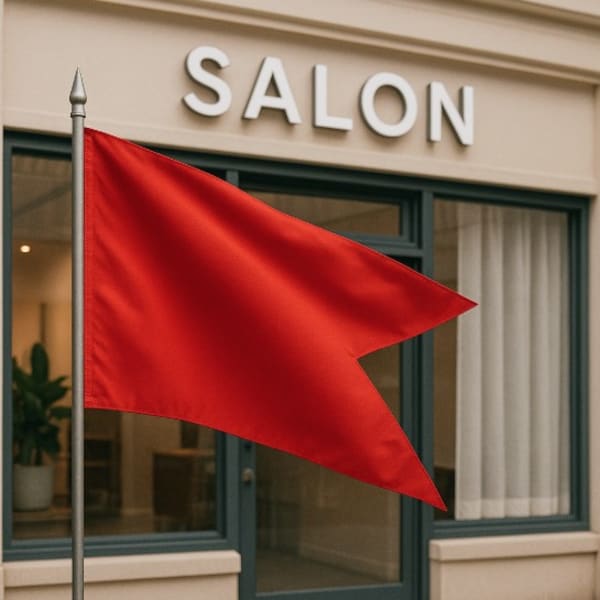
Looking for a healthy salon job? Watch for these red flags in listings, interviews, and salon culture to avoid a toxic environment and find the right fit.

The 2024 The Professional Beauty Association (PBA) announces its Beacon Class recognizing top emerging talent in the beauty industry.

Do you often forget names? Here are some tips from global beauty educator Carlos Valenzuela to remember your clients.

Our cosmetology schools are at risk as proposed legislation would prevent many of them from participating in student federal loan programs. The American Association of Cosmetology Schools is asking for your help today!
Get the complete guide to navigating the world of professional beauty careers.
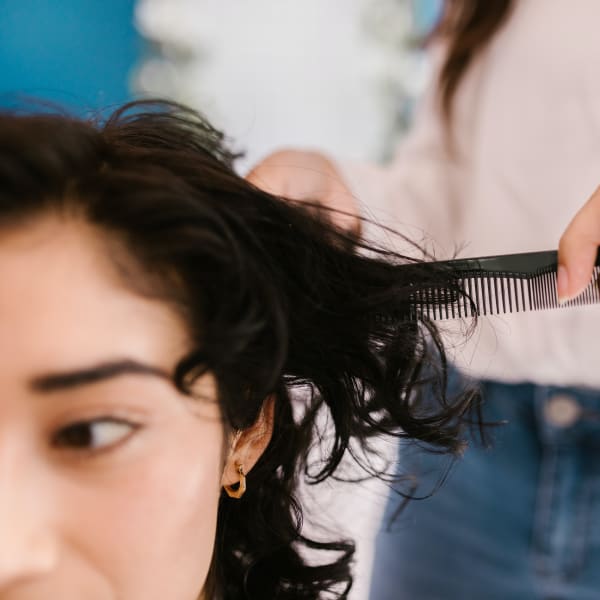
An affordable option for starting your beauty education, this post talks about taking those first steps to launching a successful career in the beauty industry.

Paul DiGrigoli began his four-decade long career, opening his first salon in 1986 in Massachusetts. The DiGrigoli School of Cosmetology has recently added new nails and esthetics programs.
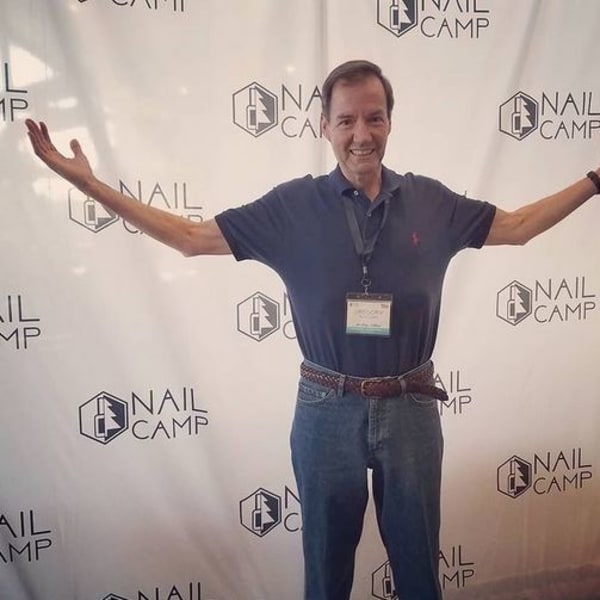
While everyone's experience is unique, here is what it was like for me to take my state board exam, with details on the actual examination experience, from the moment I entered the building.
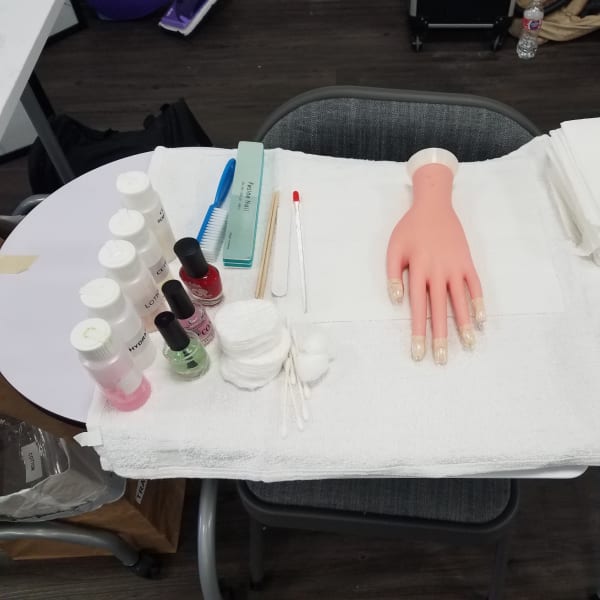
The Cosmetology Board Examination … the event that many, if not all, cosmetology students both anticipate and dread. Here is my story.
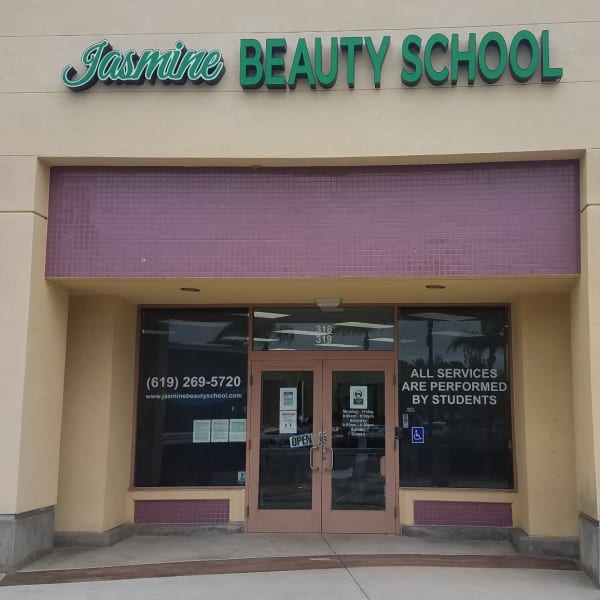
For those for whom I am just a hazy pre-pandemic memory, allow me to briefly introduce myself and summarize where I left off my story with this blog. And in future installments, I will cover more about practicing for the state board exam and the actual examination experience.
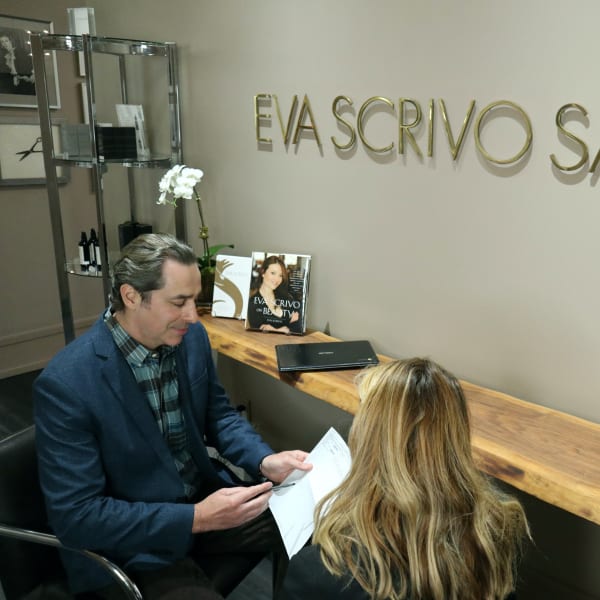
Getting employees to appreciate the importance of THE FUTURE with a 401K plan is the goal of Arik Efros, co-owner of the Eva Scrivo Salon. Efros outlines the importance of this perk and explains why many of the people in their NYC salon have already a nice bundle waiting for them upon retirement.

Julie Kandalec has fantastic personal style! Learn more about the manicurist to the stars.
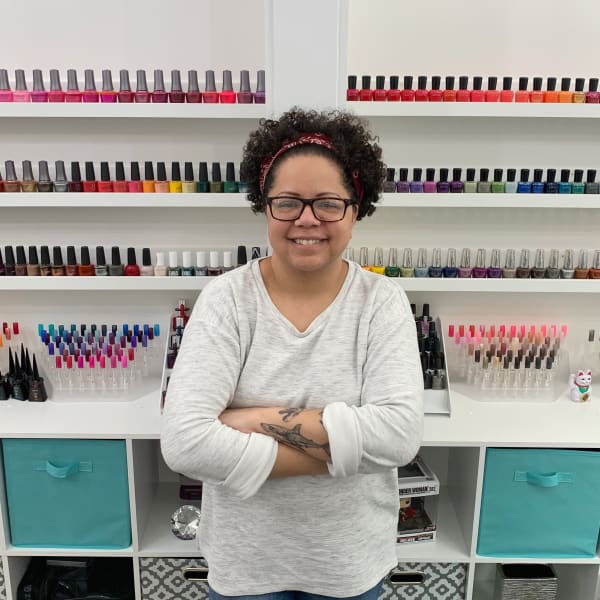
Learn more about celebrity nail artist, editorial artist, NYFW regular and salon owner Joanne Sorbello.

Get the five tips to winning NAHA's nail category from Reiko Omae. She entered just once and won.

"That first set of nails I did in the salon sucked but that client still comes back to me, three years later, because of the connection we made that day." Hear from the winners of these scholarships on how beauty helps them change lives and how it has changed their own.
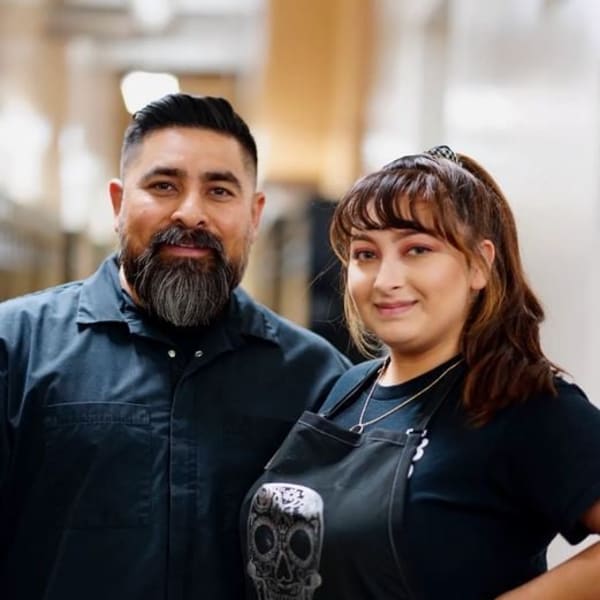
Keeping it all in the family, this Dad and daughter keep each other inspired as they train to become beauty professionals.