




America’s Beauty and Wellness Industry Under Threat from Proposed Regulations Now Being Considered by U.S. Department of Education
A new report criticizes the regulations' impact against students and entrepreneurs.


 MENU
MENU SEARCH
A nail instructor advises on when and why to bring a company representative into your classroom.
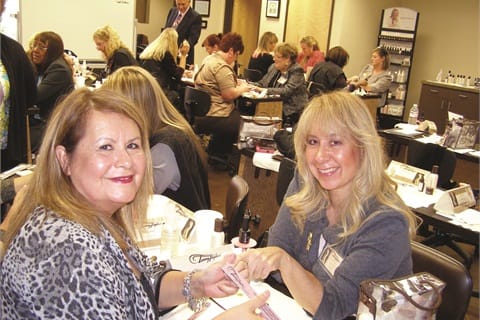
I stand in front of my class for about eight hours a day. It’s only natural that students get used to the sound of my voice and occasionally zone out. But then someone else stands at the chalkboard, repeats exactly what I’ve already said…and this time, my students absorb the material. That’s one of the great things about bringing in a manufacturer’s educator.
You may be concerned that a company representative who works directly for a product maker will be too focused on pushing one specific product to your students. But I’ve found that asking the right questions up front and bringing in companies for the correct reasons makes for an excellent lesson that sticks with pupils in the long run.
WHEN TO BRING IN A MANUFACTURER’S EDUCATOR
> I invite manufacturers in to cover topics with which I’m not familiar. For instance if a student shows me a new find from a beauty supply store, and I’m not sure how to use it, that can be an ideal opportunity to bring in the manufacturer. In this case, I’ll take the class alongside my students — which means next time I can teach it on my own.
> I call educators when I want to show students a different technique on familiar products. For instance, my students enjoy visits from Tammy Taylor Nails’ educators to learn different ways of sculpting with acrylic.
> I request nail educators for reinforcement. For instance, Backscratchers’ educators regularly stop by to demonstrate fiberglass wraps. I know how to do wraps myself, and students get them in their kits. But sometimes it helps for students to see someone else do the service.
> I welcome educators for diversity. I don’t want my students to be one-product oriented. I want them to try all sorts of stuff.
PRICING
> Many manufacturers require a minimum purchase to teach students. This is usually either a minimum number of kits or a dollar amount.
> If you’re not happy with the required purchase, you can sometimes negotiate for a different product mix. Maybe they can substitute some of the liquid-and-powder for some nail tips. It generally doesn’t hurt to ask. Also, ask for the student price since it’s for your classroom.
> I collect the money from my students first (one recent purchase came out to $35/student), then I schedule the appointment. The kits are shipped directly to the school.
QUESTIONS TO ASK THE MANUFACTURER
> In my classroom, you can’t just come in, do one demo, and leave. You’ll walk around my classroom, and you’ll help each and every one of my students. I let manufacturers know up front that their access to my students is contingent on the class being hands-on.
> When I order the kits I ask: How much time you give me? Will you do both my morning and my afternoon class? Is this a hands-on class? Do you provide a certificate of completion once students have completed the class?
With these tips, I think you’ll find manufacturers’ educators to be a valuable classroom resource.
Madelyn Johnson is an instructor at Royal Beauty School in South Houston, Texas.
You Might Also Like:
Nail Passions Fulfilled: Becoming an Educator
A new report criticizes the regulations' impact against students and entrepreneurs.
Looking for a healthy salon job? Watch for these red flags in listings, interviews, and salon culture to avoid a toxic environment and find the right fit.

The 2024 The Professional Beauty Association (PBA) announces its Beacon Class recognizing top emerging talent in the beauty industry.

Do you often forget names? Here are some tips from global beauty educator Carlos Valenzuela to remember your clients.

Our cosmetology schools are at risk as proposed legislation would prevent many of them from participating in student federal loan programs. The American Association of Cosmetology Schools is asking for your help today!
Get the complete guide to navigating the world of professional beauty careers.
An affordable option for starting your beauty education, this post talks about taking those first steps to launching a successful career in the beauty industry.

Paul DiGrigoli began his four-decade long career, opening his first salon in 1986 in Massachusetts. The DiGrigoli School of Cosmetology has recently added new nails and esthetics programs.
While everyone's experience is unique, here is what it was like for me to take my state board exam, with details on the actual examination experience, from the moment I entered the building.
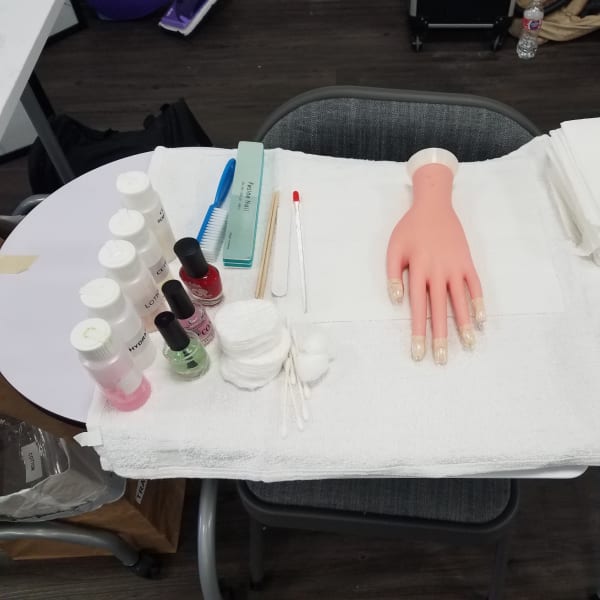
The Cosmetology Board Examination … the event that many, if not all, cosmetology students both anticipate and dread. Here is my story.
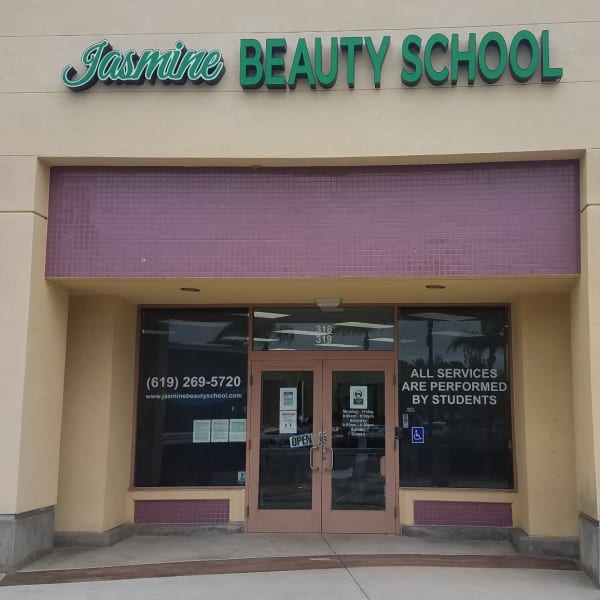
For those for whom I am just a hazy pre-pandemic memory, allow me to briefly introduce myself and summarize where I left off my story with this blog. And in future installments, I will cover more about practicing for the state board exam and the actual examination experience.
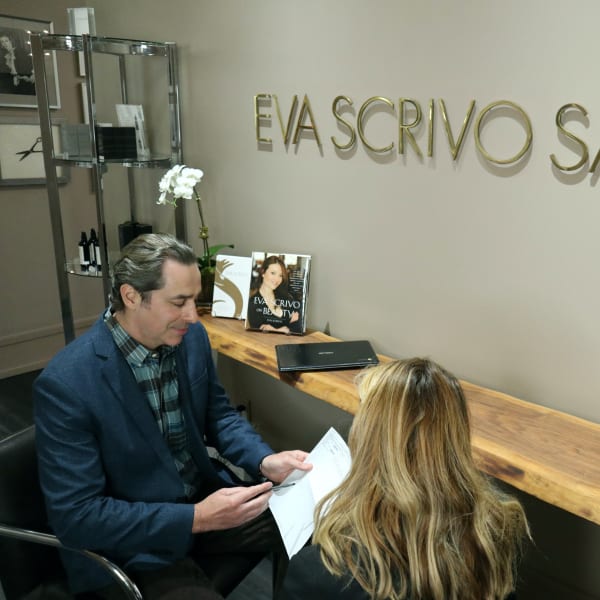
Getting employees to appreciate the importance of THE FUTURE with a 401K plan is the goal of Arik Efros, co-owner of the Eva Scrivo Salon. Efros outlines the importance of this perk and explains why many of the people in their NYC salon have already a nice bundle waiting for them upon retirement.

Julie Kandalec has fantastic personal style! Learn more about the manicurist to the stars.
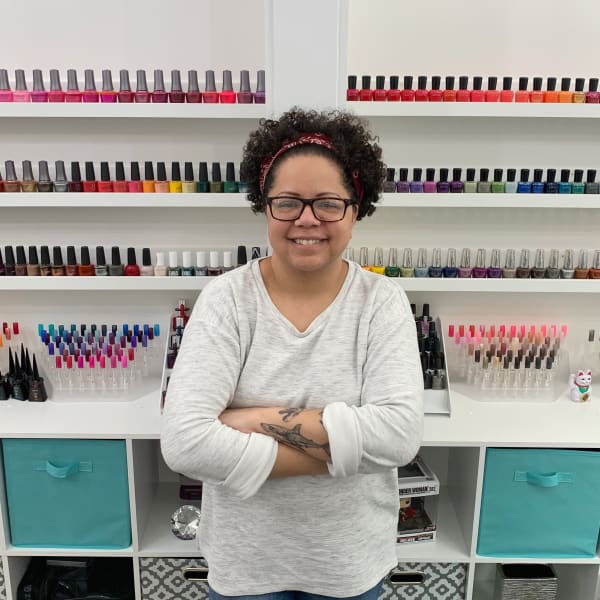
Learn more about celebrity nail artist, editorial artist, NYFW regular and salon owner Joanne Sorbello.

Get the five tips to winning NAHA's nail category from Reiko Omae. She entered just once and won.

"That first set of nails I did in the salon sucked but that client still comes back to me, three years later, because of the connection we made that day." Hear from the winners of these scholarships on how beauty helps them change lives and how it has changed their own.
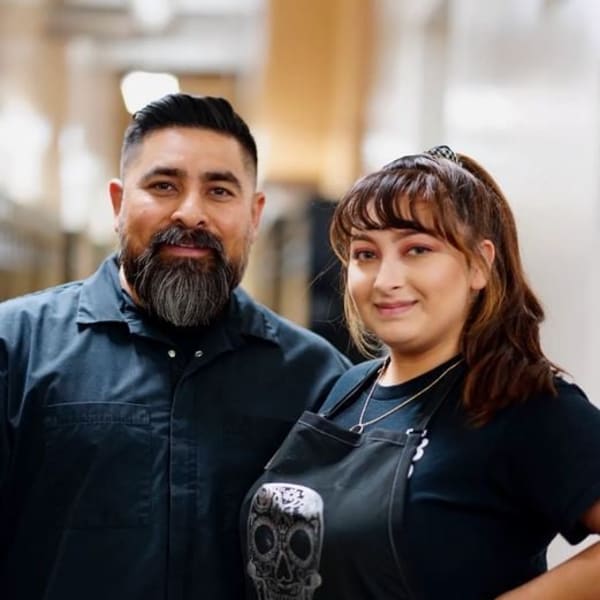
Keeping it all in the family, this Dad and daughter keep each other inspired as they train to become beauty professionals.