




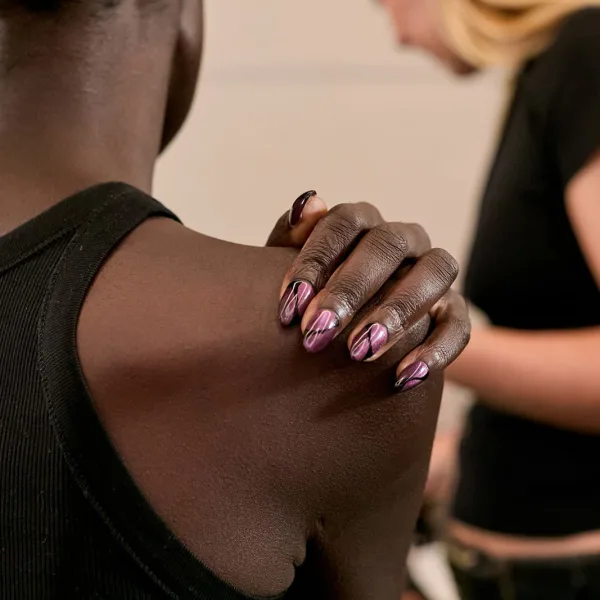
Get The Look: NYFW - Christian Cowan Nail Designs
For Christian Cowan’s Spring/Summer 2027 collection, the designer drew inspiration from classic feminine silhouettes, reimagined with a cool edge and unexpected textures.
by Anne Moratto


 MENU
MENU SEARCH
These questions and others are answered in a series of books written by Doug Schoon, cosmetic chemist.
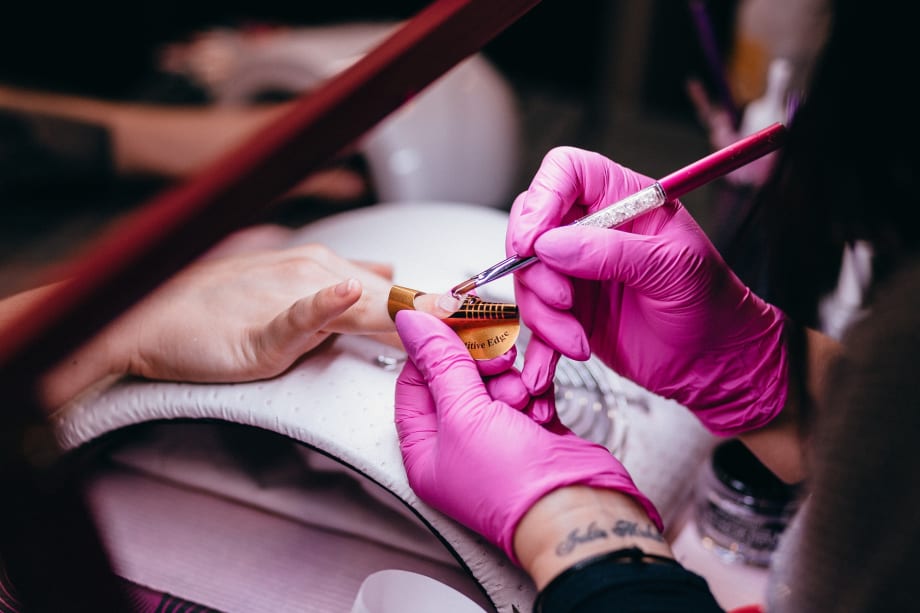
1997 was a pivotal year in the nail industry’s fight against the use of MMA (methyl methacrylate) in acrylic monomer. The FDA had deemed MMA unsafe in the mid-1970s because of the health risk posed to nail techs and because it required techs to aggressively rough up the nail before application. Once adhered to the nail plate, the rigid enhancements were extremely difficult to remove, leading to serious damage if a nail was jammed or caught on something. Nonetheless MMA monomer continued to be used by many salons.
A tipping point came in 1997 when nail techs and industry groups began advocating vocally against its use, resulting in MMA being banned by many states. Nail techs banded together to educate the public on its dangers, some offering to remove MMA nail coatings free of charge.
If you’re wondering about how you can identify the presence of MMA, this and other nail-specific questions are answered in a series of books by Cosmetic Chemist, Doug Schoon.
With a Masters Degree in Chemistry from UC-Irvine, Schoon is an author and educator with over 30 years experience in the cosmetic beauty and personal care industry. He is known for his technical and regulatory work that has helped shape the beauty industry.
Three of his books can be purchased on Amazon, and we offer a sneak peek in his answer to the MMA question here:
Is there a way to test nail monomer for MMA?
It is not possible to test an artificial nail monomer liquid to determine if it contains significant amounts of methyl methacrylate (MMA), unless the testing is conducted in a properly equipped analytical testing laboratory. Typically such laboratories will charge up to $200 for each sample that is tested and the testing process can take up to 10 days to get the final results. Only the monomer liquid can be tested and not a finished artificial nail, since artificial nail powders often contain a safe, polymerized version of this monomer called polymethyl methacrylate (PMMA), which would be misidentified as MMA monomer. There is no quick test that can conclusively identify MMA monomer other than by smell. MMA-based nail products typically contain 80% or more MMA monomer and therefore usually have a strongly distinctive and highly characteristic MMA odor that is easily recognized by those trained to detect such odor. Laboratory testing is used as a confirmation or to determine the exact concentration of MMA.
For Christian Cowan’s Spring/Summer 2027 collection, the designer drew inspiration from classic feminine silhouettes, reimagined with a cool edge and unexpected textures.

MelodySusie is celebrating its 17th anniversary. It is a time to celebrate another year of growth, another year of innovation, and another chapter of the journey we've shared with nail lovers around the world. From first-time nail enthusiasts and bold creators to professionals turning passion into a career, we’re grateful for every person and community who has made nail artistry their own.
Sponsored by MelodySusie

Join us in congratulating this year's list of hardworking, game-changing individuals.

Premiere San Antonio Presented by SalonCentric returns for its fourth edition August 30-31 at the Henry B. González Convention Center, delivering its biggest and boldest event to date.

One-Day Personal and Professional Development Education Event for Beauty Professionals Set for October 25, 2026, at the Hilton Philadelphia City Avenue.
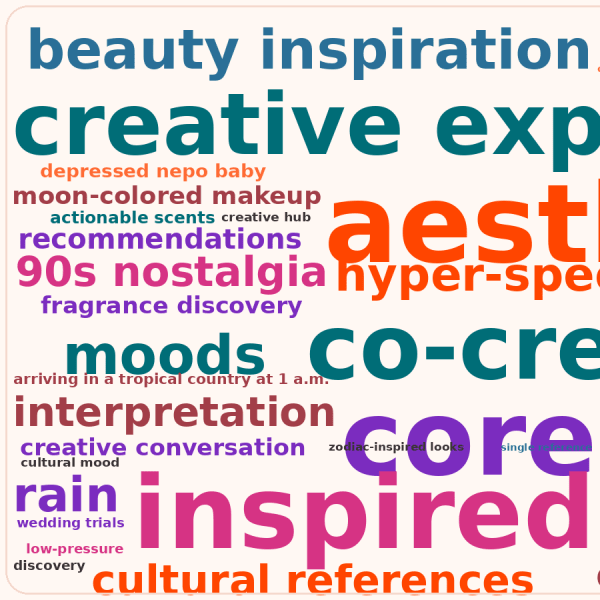
According to the report, people are moving away from copy-paste trends and toward community, using real experiences to develop a sense of taste and beauty that reflects who they are.

A Texas man and woman pleaded guilty on Monday to operating a significant under-the-table cash payroll at their nationwide nail salon business.
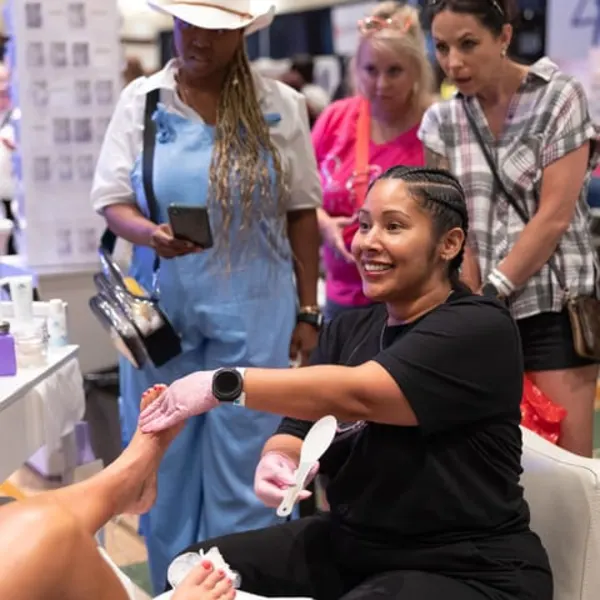
The nails-only trade show welcomed 700 beauty professionals for education, shopping, networking and one unforgettable Smokies surprise.
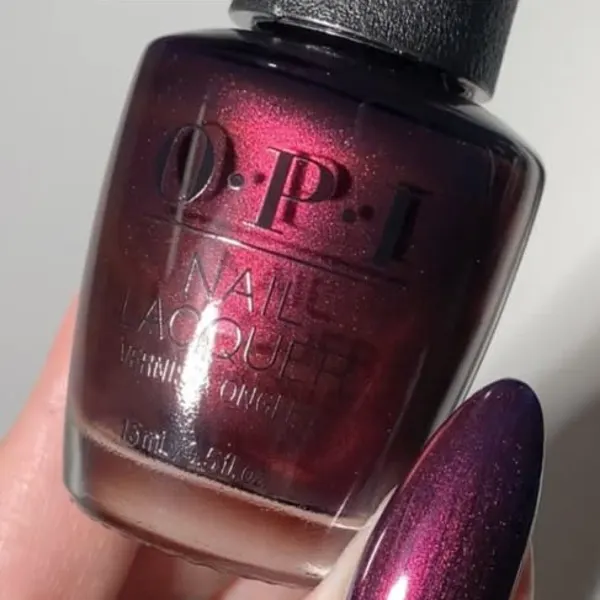
Some OPI nail colors became such classics that fans clamored for their return. And OPI--as always--paid attention to what clients and nail professionals were asking for.
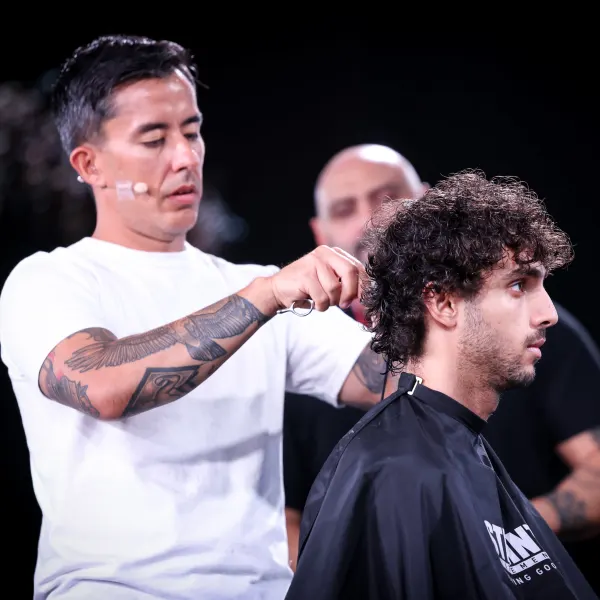
In Dubai, a salon visit isn’t an appointment. It’s a weekly routine, and clients can spend $800 to $1,400 a month on it, according to Gaurav Tripathi of MADI International. On October 6-8, 2026, the market behind those numbers opens its doors as Beautyworld Dubai marks its 30th edition at the Dubai World Trade Centre, bringing together distributors, brands, stylists and salon owners from all over the world.
Sponsored by BeautyWorld Dubai