




Help Desk
I have lost several clients who work in the medical field because they are no longer allowed to wear acrylic nails. What can you tell me about acrylic versus natural nails in terms of spreading bacteria?

 MENU
MENU SEARCH
Loading data...
I have lost several clients who work in the medical field because they are no longer allowed to wear acrylic nails. What can you tell me about acrylic versus natural nails in terms of spreading bacteria?
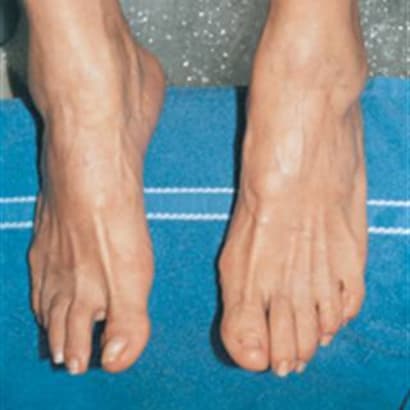
Our feet — along with our activities— change as we mature. From hereditary problems to injuries, our feet often take a pounding the older we get. Help your clients take care of their feet throughout their lifetime to ensure good foot health into old age.
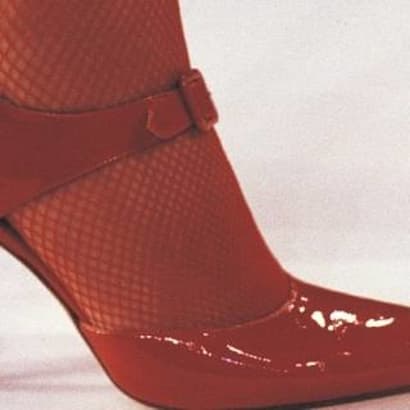
Wearing tight, closed-toed shoes is an invitation for ingrown toenails. Soreness, irritation, and pain are just a few symptoms clients live with. Here we give you tried-and-true solutions to ease client discomfort.
More than just a pedicurist, not quite a podiatrist, Toronoto’s Katherin von Gavel straddles both worlds as a chiropodist.
With Dr. Rich and Dr. Bronow.
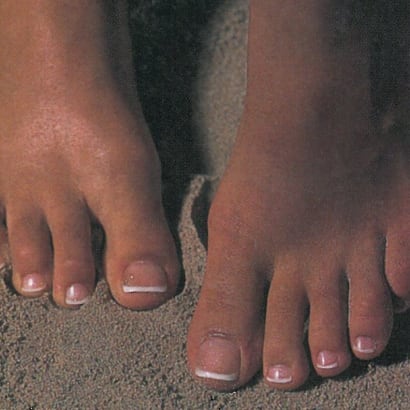
There are no tricks in these delightful treats for feet, and the only thing to smell will be the heady scents of aromatherapy oils and lotions that finish off the service.
Summertime is pedicure time, and you should be promoting pedicures as the healthy thing that a client can do for her feet.
"My client’s big toenail’s side walls curve so much that they nearly meet. The middle section of the nail is sore because both ends are pinching the skin. What can I do to relieve this pressure?"
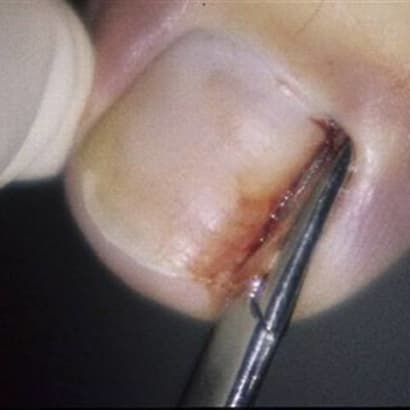
Ingrown toenails often become severe enough to require surgery. Dr. Mix shows you step by step what happens in the ingrown toenail surgery procedure.
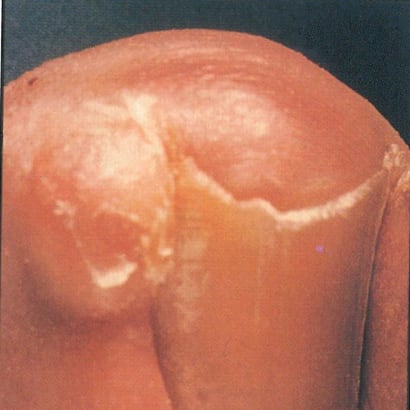
Ingrown nails are most common on the big toes because people wear tight shoes that press on the skin around the big toe, jamming it into the side of the nail.