This all-too-common condition is often attributable to poor filing. You may not be aware of it, but if you are an experienced nail tech it’s likely your keen eye and meticulous work have prevented clients from the pain of pincer nails.
n. the over-curvature of a nail that causes the nail to penetrate into the soft tissue.
Ad Loading...
What It Is
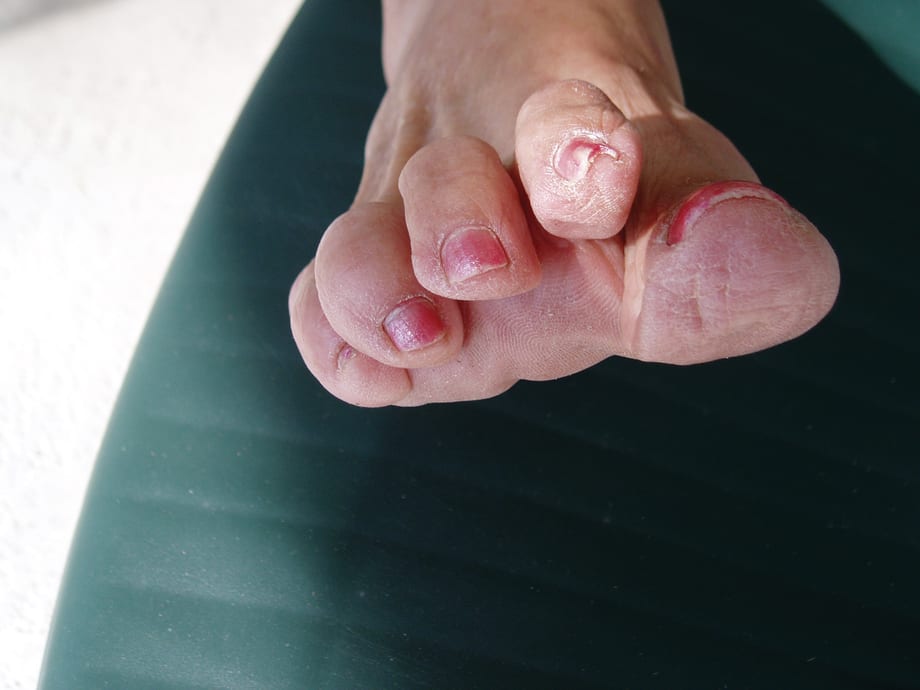
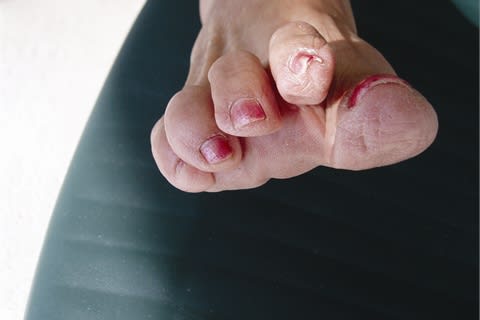
Pincer nails are one of four types of ingrown nails. Also called trumpet nails, pincer nails are an extreme curve in the nail, which “creates pressure and digs into the skin,” says Dr. Darren Weinheimer, a podiatrist who practices in Binghamton, N.Y. Clients with pincer nails often experience severe discomfort as the nail grows into the flesh. They are most commonly seen on toenails, although it is not rare that a fingernail develops into a pincer nail.
“Pincer nails are more common as people age,” explains Weinheimer. This is due in part to the onset of degenerative osteoporosis, but also because it is more difficult to view the nail and file it correctly as we become older and less agile. Pregnant women are also susceptible to pincer nails as it becomes difficult to reach their toes.
Symptoms
The condition begins when a fingernail or toenail grows into the surrounding flesh. As the nail grows, it digs deeper into the skin, and the body reacts as it would to any other foreign substance, such as a splinter or a piece of glass. The area becomes red and inflamed. Left untreated the area will become infected, and the nail will become ever more curved, until it looks like the edges of the nails are being pinched together.
Ad Loading...
Clients may complain that it feels like something is caught under their nail. They may even illustrate how they try to dig under the nail to catch the end of the object they believe is under there. Another early sign of pincer nails is clients complaining their fingernail or toenail hurts. Techs who hear these two symptoms, especially in pedicure clients who may not have the ability to examine their nails closely, should examine the edges of the nail carefully and remove any rough edges they may find.
Even if a client doesn’t complain, a tech may be able to recognize the beginning stages of a pincer nail because it is difficult to find the edges of the nail. When it is difficult to find the edges of the nail, for example on a client with fleshy fingers and toes, the client is a candidate for pincer nails.
Causes
One in 10 clients will have problems with pincer nails. Sometimes the natural way the nail grows is the cause of the excessive curve of the nail, says Weinheimer, or it may be caused by a fungal infection, which makes a nail grow unnaturally. Pincer nails are common in seniors who must battle not only their lack of flexibility when filing their nails, but also the onset of degenerative arthritis. Inflamed joints further the likelihood of problems with pincer nails.
Although it is not uncommon for pincer nails to be a hereditary condition, it is more often caused by outside conditions. An avoidable cause of pincer nails is tight shoes. Women who wear shoes that do not leave enough room for the toes are prime candidates for ingrown toenails, especially pincer nails. When the toes are compressed together, there is the likelihood that the nail will be pushed into the skin. It only takes a small, rough edge of a nail to hook onto the skin and the first stage of a pincer nail can develop. This can be avoided with proper footwear.
Ad Loading...
The main cause of pincer nails is improper filing. The nail may be filed below the free edge, causing the fleshy part of the skin to cover the nail. The nail pushes into skin as it grows. Another problem related to filing is when a small spur is left on the nail after it’s been trimmed. The nail will continue to grow, pushing the spur into the skin. The tech will recognize what could be the early stage of a pincer nail if one side of the nail is red, inflamed, infected or sensitive to the touch.
How to Treat Them
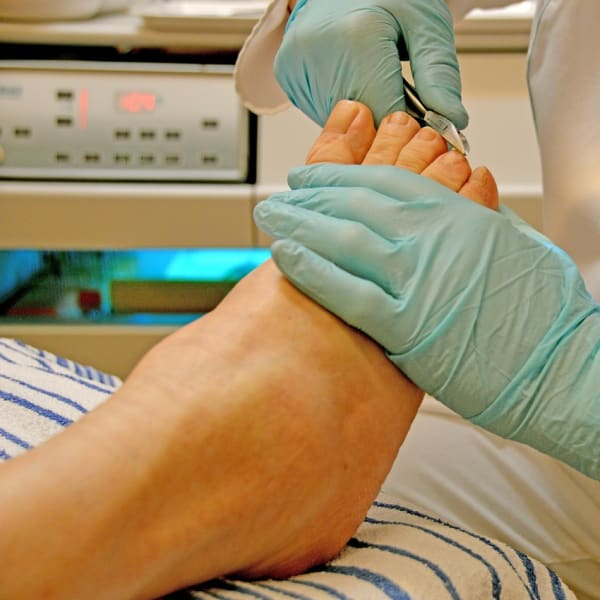
When an educated and conscientious tech sees the first stages of an ingrown nail, take these steps. First, soak the digit and massage the skin surrounding the problem nail. “We advise clients to massage the skin away from the curved nail,” says Weinheimer. If the area is inflamed, be sure to wash the area with an antiseptic solution.
Next, clean out the underside of the nail, being sure to find the edge of the nail. Make sure the edge is smooth and file the nail straight across. “Don’t file the edge flat,” says Weinheimer, as that tends to shorten the nail below the free edge and the chance of it growing into the skin increases. Finally, encourage the client to leave the filing to you, but to perform at-home care with warm soaks and massage. If the pincer nail is on the toe, remind the client to wear wide, correctly-sized shoes.
A tech will realize filing is not an effective treatment if the patient develops a chronic problem and has repeated problems with ingrown nails, says Weinheimer. In such cases, a client may need “partial-permanent” surgery. During this surgery a doctor removes the curved part of the nail and applies an ointment that kills the cells so that the nail will not grow back.
Ad Loading...
Some have suggested a treatment that includes cutting a “V” out of the center of the free edge. The thought behind this is that the nail will grow out wider. “Generally, this doesn’t work effectively,” says Weinheimer. “Patients say this treatment doesn’t help them.”
Considerations for Nail Techs
Nail techs are in a unique position with a pincer nail. A common cause of pincer nails is the way the nail has been filed. Because of this, it is possible that a hasty manicure or pedicure could result in a nail with a ragged edge that breaks the skin and leaves open the possibility of a pincer nail. Novice techs need to examine the edges on natural fingernails and toenails and ensure the clients leave the salon with smooth edges.
While it is possible for hasty or inexperienced techs to leave a free edge that could develop into a pincer nail, techs can also be the first line of defense in preventing pincer nails from growing into a bigger problem. Your best line of defense is your education and listening to your customers. This will help you alleviate pincer nails in your clients most of the time. If you see an advanced pincer nail on a new client, or if a persistent pincer nail does not respond to proper filing, refer the client to a podiatrist.
Michelle Pratt is a freelance writer and licensed nail tech based in Johnson City, N.Y.
Uncured gel polish and microscopic e-file dust contain active acrylates that penetrate the skin, triggering permanent contact dermatitis. Learn the chemistry behind these irritants and how to protect your clients and yourself.
The Good Patch is a leading wearable wellness patch brand, offering wellness and skincare patches that support everyday needs including energy, sleep, relaxation and more.
Orthopedic PT reveals three daily exercises plus ergonomic advice that can help salon professionals avoid the aches and injuries caused by standing, bending and repetitive overhead work.
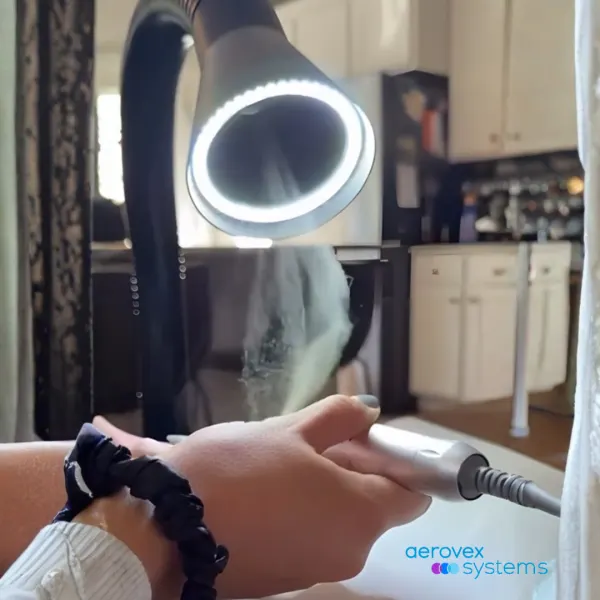
From acrylic monomers to airborne bio-dust, the air inside a nail salon carries risks most professionals never see coming. Aerovex Systems reveals the source-capture and room-purification strategies that are setting a new standard for salon safety.
Working in beauty doesn’t have to hurt. Learn how Somatic Movement helps hairstylists, lash artists, and other beauty pros release tension, improve posture, and extend their careers.
As a spa or salon professional, your clients expect more than just beauty—they expect safety, hygiene, and peace of mind. Fungal infections like Athlete’s Foot and Nail Fungus are more common than you think, especially in environments where tools and footbaths are reused without proper sanitation. This blog covers how to stop these issues before they start, using proven infection prevention strategies for salons and spas.
A federal initiative aimed at studying chemical exposure in nail salons has ended due to staffing and budget changes. Here’s what the project set out to do—and what its conclusion means for salon professionals.
For many people, a pedicure is a relaxing beauty ritual. But what most don’t realize is that this simple service, if done without proper hygiene and sanitation, can cause serious infections and long-term health issues.
Onycholysis is the separation of the nail plate from the nail bed. While it may look painful, it typically isn’t—at least not at first. But without proper care, this common nail disorder can lead to infections, deformities, and long-term damage.
Mckenzie Kool, Psychologist, MC, RPsych provides us with guidance on what may or not be helpful in speaking with someone who has suffered a significant loss.
Clients come to you to feel their best—not leave with a viral souvenir. Warts and cold sores can spread fast in busy salons, but a few smart habits make all the difference. Let’s talk about what’s really lurking in your salon (and how to kick it to the curb).
As Earth Day approaches, The Green Beauty Community Foundation and the Green Spa Network invite beauty pros to step forward and embrace sustainability through the Green Pledge--a powerful initiative designed by and for beauty industry leaders.
Don’t cancel Valentine’s Day altogether, urges Jill Palmquist. Instead, think of it as a (frilly, flowery, Champagne-bubbly) wake-up call to fall deeply in love with your own life.
Life coach and Culture Ambassador of Sam Villa, Andrew Carruthers, outlines how to tell if your burnout is temporary - or if it's time to make a bigger career change.