




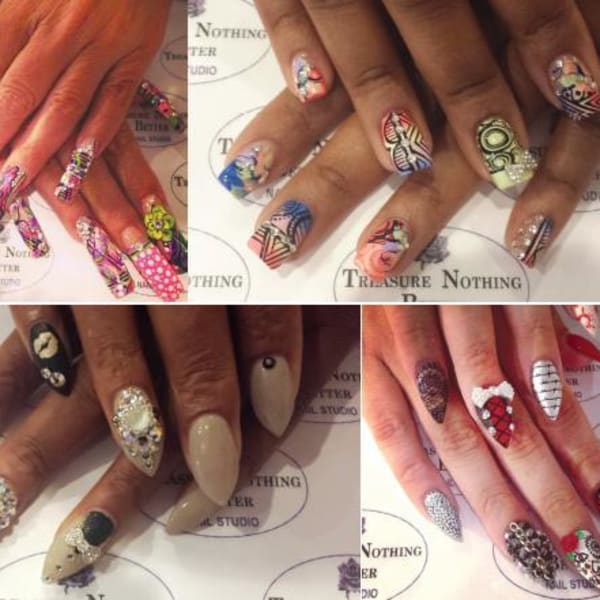
Nail Art Without Limits
“Our motto is ‘nails with endless possibilities.’ We do whatever we can to live up to that,” says Tanaya Middleton, who owns Treasure Nothing Better Nail Studio in Baltimore, Md., along with her partner Sheena Smith.
by Staff


 MENU
MENU SEARCH
Loading data...
“Our motto is ‘nails with endless possibilities.’ We do whatever we can to live up to that,” says Tanaya Middleton, who owns Treasure Nothing Better Nail Studio in Baltimore, Md., along with her partner Sheena Smith.
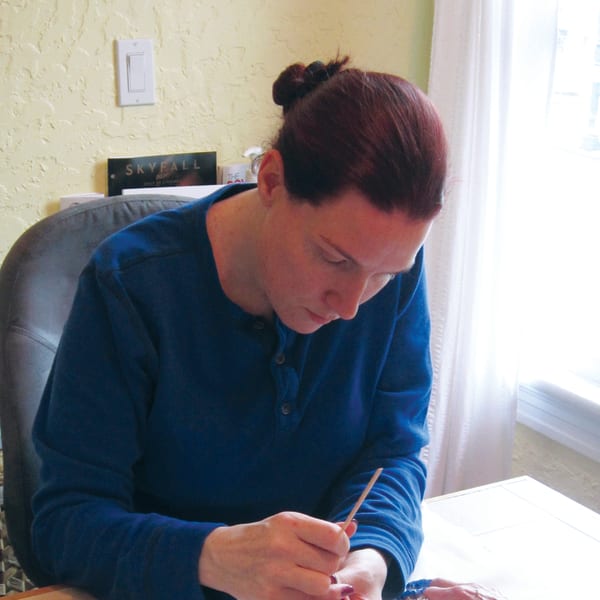


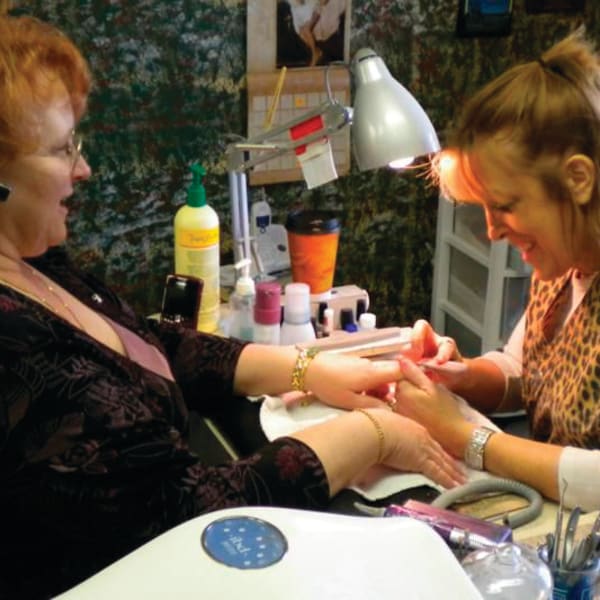
As much as she loves doing nails, Dana Gonzalez-Kurtz, owner of Artistry of the Nail at Salon Shibumi in Portland, Ore., draws the line at doing things that eat into the profits she’s entitled to.
Candice Everest, owner of Panache Nail Studio in Stanwood, Wash., offers these four steps to determine how much to charge for a given service.
Thank you everyone for your comments. It is really helpful to us to hear you relate to how we have struggled and how we deal with those problems. I hope that our suggestions help those of
I am glad to see that our readers are commenting on our articles! We LOVE the feedback and appreciate you leaving us a comment. We really enjoy hearing from you. We like to know that you
You know Jill it means a lot to Rachael to hear me tell her she is doing outstanding work, but it means so much more to see you commend her actions on this blog. She was
I’m so excited that we had several comments from the last article. Keep the comments coming — we love hearing from you! Thank you Kim, Lydian, Natasha, Helene, and Gerry for being brave and posting your
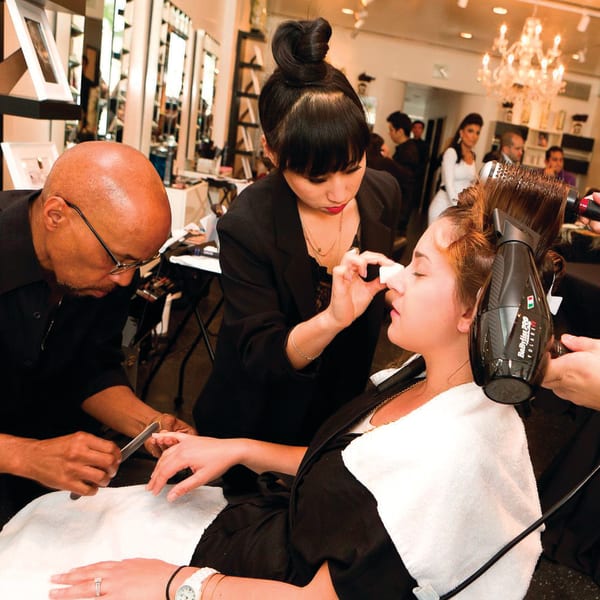
Total beauty in under an hour is a team effort at Style Bar Beverly Hills. For less than $100 ($99 to be exact), clients receive a hair blowout and style, a professional makeup application, and a perfect manicure and pedicure.
When an increase in service pricing is based upon pre-designated standards, techs can make the move with confidence instead of concern — regardless of the economy.
How much would it be worth to you to have clients pay up to two months in advance? Kim Hanzlik, owner of Nails, Hands, Feet and Toes in Winnemucca, Nev., offers clients the option of paying in advance and discounts their service by $5 as an incentive.