





What’s Up With That?
If you happen to catch a glimpse of a streaker at the super bowl, you can rest assured that person will be removed and prosecuted. During a competition of any sort, the competition must be protected


 MENU
MENU SEARCH
Loading data...
If you happen to catch a glimpse of a streaker at the super bowl, you can rest assured that person will be removed and prosecuted. During a competition of any sort, the competition must be protected

The last few weeks before a competition are usually a blur for me. Tying up all those loose ends consumes many hours. With model wrangling, travel plans, registration — not to mention my regular job or
OK, so here we are getting ready for the first competition of the year. ISSE Long Beach. I love this trade show. Aside from it being in my own back yard, the convention center is right
Jody Newman, owner of I Do Spas, works to change legislation in Maine regarding the rights of mobile spas to service parties in people's homes.
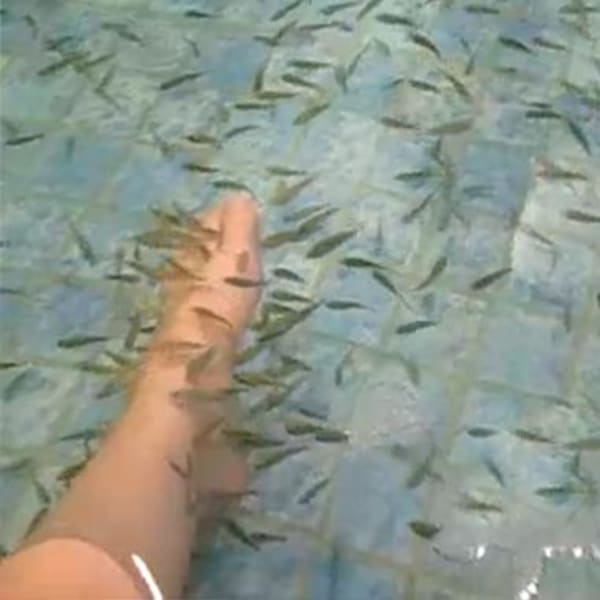
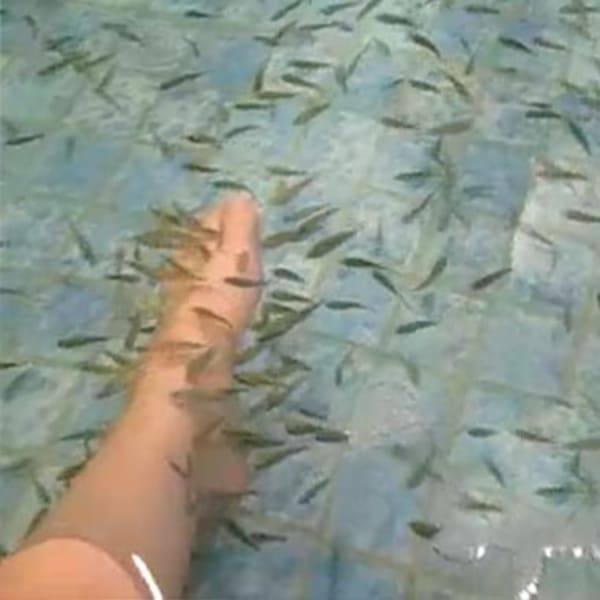
Texas has made fish pedicures, in which clients place their feet into a tub containing small carp that then ingest the calloused areas of clients' feet, illegal in the state.
The state of Washington has made fish pedicures, in which clients place their feet into a tub containing small carp that then ingest the calloused areas of clients’ feet, illegal in the state.
The California Board of Barbering and Cosmetology doesn’t allow liners to be used in place of performing the required cleaning procedures.
Effective March 1, the California Board of Barbering & Cosmetology is raising its renewal fee to $50 for all manicurists, cosmetologists, estheticians, electrologists, and barbers.
The Tennessee State Board of Cosmetology recently put into effect an amendment that allows licensed estheticians and nail manicurists to enroll in instructor courses.
Houston’s Victorian Beauty College was fined a record $250,000 and permanently closed by the Texas Department of Licensing and Regulation. The school was known across the country as a place where an individual could purchase a Texas cosmetology license without attending the required school training.