




Backscratchers' Reglaze Maintenance
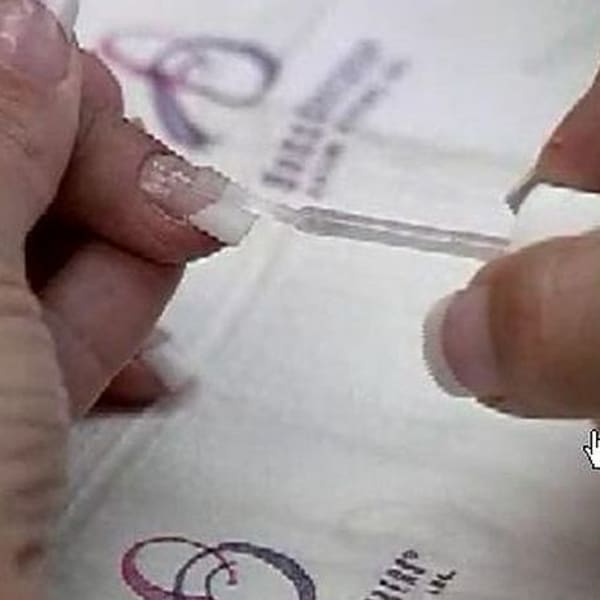
Re-glaze Backscratchers' wrap nails to keep them looking as good as they can be.
by Staff


 MENU
MENU SEARCH
Loading data...
Re-glaze Backscratchers' wrap nails to keep them looking as good as they can be.

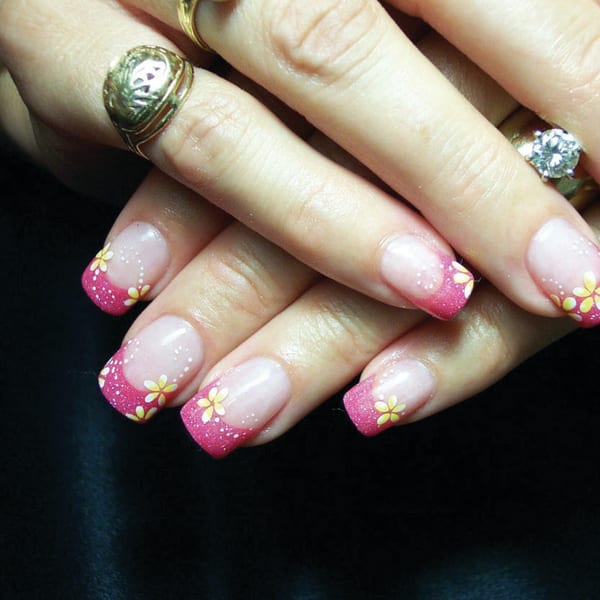
Reduce your time doing colored acrylic fills by using this "Reverse Application" method.
Why does my acrylic sometimes appear cloudy? Your technical questions answered!
Lifting acrylic nails are frustrating to the nail tech and annoying to the client. Left uncorrected, they could trap water and be the first step toward a bacterial infection. But before we get defensive and start pointing fingers, let’s check out the nails — and let them do the talking.
Simple tip to keep the creation of a great C-curve from hurting the client.
To find out what circumstances do warrant a fresh full set, we asked two nail techs known for their high standards when they fill and when they remove.
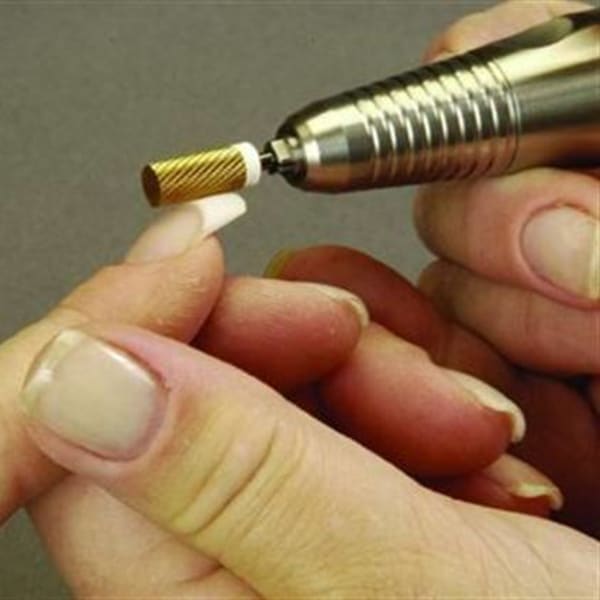
Kupa has created a bit that makes backfills easier and faster.
Kupa inc., a leading manufacturer of electric files and carbide bits, has created a new bit that bakes backfilling easier and faster. This custom one-of-a-kind design comes in K Cut (silver) and Z Coat, which is a gold-plated finish. The barrel carbide bit is wider at the top, allowing the technician precision cutting with less pressure.
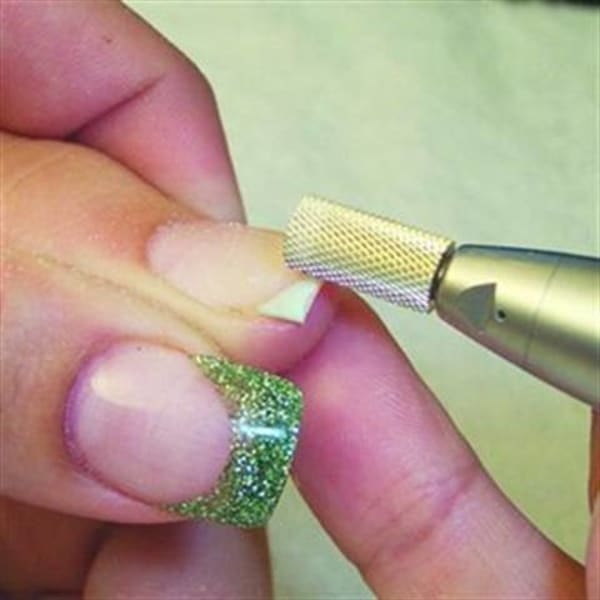
Colored and glitter acrylics are beautiful, but many of us do not do them in the salon because it is too time consuming for us and too expensive for the clients to change the color. Use a reverse application to make it easier.