






America’s Beauty and Wellness Industry Under Threat from Proposed Regulations Now Being Considered by U.S. Department of Education
A new report criticizes the regulations' impact against students and entrepreneurs.


 MENU
MENU SEARCH
Salon owners often complain that they can't find good nail techs. Here are some tips to help your students meet owners' needs and succeed in the nail industry after graduation.

Illustration by Lucie Crovatto

Illustration by Lucie Crovatto
If you ask salon owners what their biggest challenges are, one complaint is always at the top of the list: “I can’t find good nail techs!” The problem is not a lack of recent nail graduates or techs who are not good at their craft, but lack of customer service skills and overall understanding of what is required to succeed in the business. Below are four complaints commonly heard from salon owners and some tips to help your students overcome them and succeed in the nail industry after graduation.
1“They don’t know how to dress professionally.” If your salon does not require a uniform, you must take it upon yourself to dress appropriately for business. Clothes should always be clean, and never stained or wrinkled. Avoid clothing that is in any way sheer or see-through, and tops that are low cut. Make sure your underwear is not peeking out from the back of your pants and that your bra straps aren’t showing! Take note of what other successful, respected techs and stylists are wearing and follow their lead.
2“They don’t understand the importance of courtesy.” Yes, your mother was right: It’s important to be polite! Say please and thank you. Greet your client with a smile. Offer to take her coat and/or hang her purse on a hook. If she is elderly, help her into her chair; pedicure chairs can be especially difficult for an older person to get into. Offer her a beverage. Stay off your phone! When your client is in your chair, she should have your undivided attention. These small gestures are actually huge: they show people you respect them and care that they have a good experience with you.
3“They don’t understand client/nail tech boundaries.” When your client comes to have her nails done, it’s her time. This is not the time to go on and on about your boyfriend issues or to complain or gossip about other clients or colleagues. It should go without saying, but watch your language. Swearing and crass or sexually explicit language is not appropriate for the salon. It’s also best to avoid controversial topics like politics or religion; not everyone is going to share the same opinions, and the last thing you want is to make anyone in the salon feel uncomfortable, offended, or angry.
Likewise, it’s extremely important that you stay in control of your client interaction, not only for your own comfort, but also for the comfort of anyone else who happens to be in earshot. You need to understand how to tactfully shut down a client who is using profanity or broaching controversial topics. Changing the subject at the right time is key. Here are a couple of examples:
Client: Can you believe what’s going on with the whole immigration thing these days?
You: I know it’s a big issue. Hey, what do think of this chrome polish? Do you want to try it?
Client: Not today. I just can’t believe what’s going on in politics.
You: True that there’s a lot to consider these days, but I never talk about stuff like that in the salon. I like to make sure everyone is relaxing!
In this first example, you try to shut the client down by changing the subject. If she persists, you need to tell her unequivocally that you don’t discuss politics or religion in the salon. A smile goes a long way here!
Client: I’m so mad at my #%* husband! He went out last night and @#%, and didn’t come home until #%&*after midnight!
You: Oh, wow. I’d be mad too. But we have to watch our language in here — I love your dress; do you want to try some nail art with a similar pattern?
In this second example, you give the client a gentle warning, and then quickly change the subject. Again, if she persists, tell her point blank that it’s against salon rules to use profanity.
4“They don’t want to work or pay their dues as a new nail tech.” When you are new to any business, it’s important to understand that it takes some time to establish yourself and make the kind of income you desire. Paying your dues means that you need to act professionally — show up on time each day, be respectful of your supervisors and colleagues, don't call in sick all the time or just blow off work — and understand that you might not get the best clients right off the bat and you might have to do some things at first that aren’t your favorite. You may not like doing pedicures, for example, but until you build up a clientele of people who just want nail art (or whatever it is you like to do), you will need to do what it takes to make some money and build a good reputation.
Being successful in the business won’t happen overnight, but it will happen. And it will happen sooner than later if you master these four areas of professionalism.
You Might Also Like:Dealing with Difficult Clients
For more information about your career in nails, check outNAILS Career Handbook.
Save
Save
Save
Save
Save
Save
A new report criticizes the regulations' impact against students and entrepreneurs.
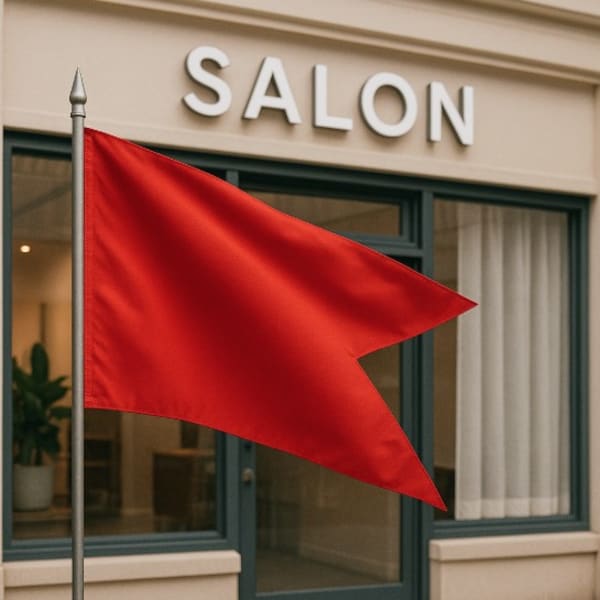
Looking for a healthy salon job? Watch for these red flags in listings, interviews, and salon culture to avoid a toxic environment and find the right fit.

The 2024 The Professional Beauty Association (PBA) announces its Beacon Class recognizing top emerging talent in the beauty industry.

Do you often forget names? Here are some tips from global beauty educator Carlos Valenzuela to remember your clients.

Our cosmetology schools are at risk as proposed legislation would prevent many of them from participating in student federal loan programs. The American Association of Cosmetology Schools is asking for your help today!
Get the complete guide to navigating the world of professional beauty careers.
An affordable option for starting your beauty education, this post talks about taking those first steps to launching a successful career in the beauty industry.

Paul DiGrigoli began his four-decade long career, opening his first salon in 1986 in Massachusetts. The DiGrigoli School of Cosmetology has recently added new nails and esthetics programs.

While everyone's experience is unique, here is what it was like for me to take my state board exam, with details on the actual examination experience, from the moment I entered the building.
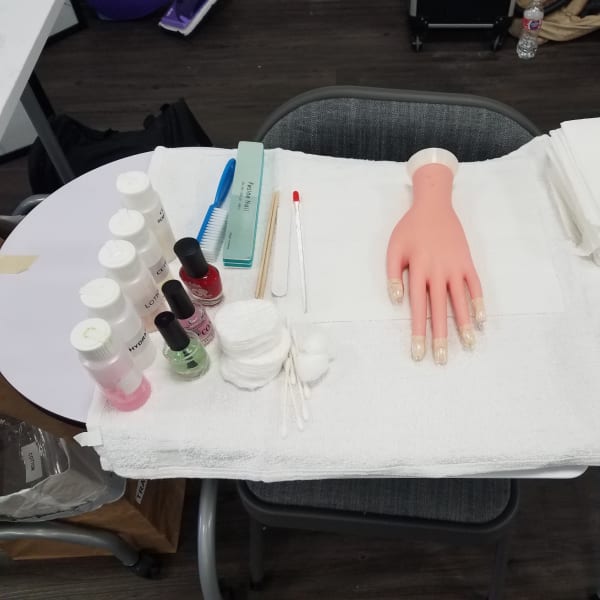
The Cosmetology Board Examination … the event that many, if not all, cosmetology students both anticipate and dread. Here is my story.
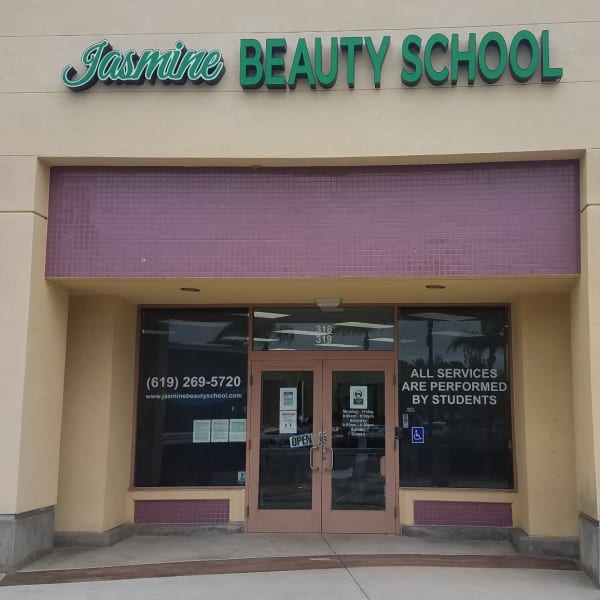
For those for whom I am just a hazy pre-pandemic memory, allow me to briefly introduce myself and summarize where I left off my story with this blog. And in future installments, I will cover more about practicing for the state board exam and the actual examination experience.
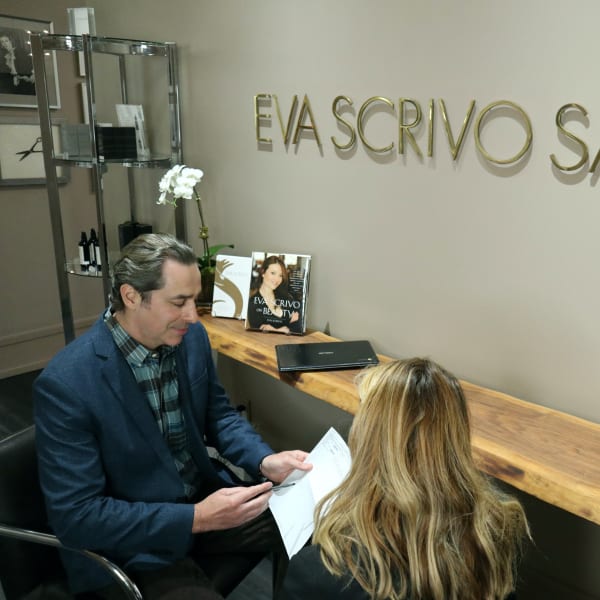
Getting employees to appreciate the importance of THE FUTURE with a 401K plan is the goal of Arik Efros, co-owner of the Eva Scrivo Salon. Efros outlines the importance of this perk and explains why many of the people in their NYC salon have already a nice bundle waiting for them upon retirement.

Julie Kandalec has fantastic personal style! Learn more about the manicurist to the stars.
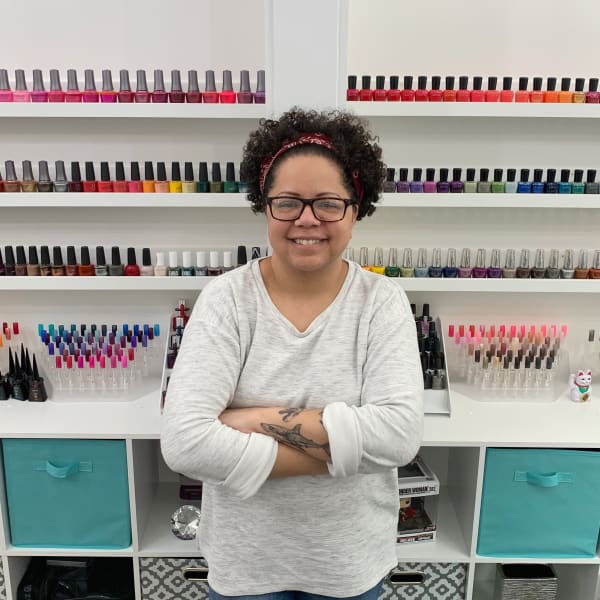
Learn more about celebrity nail artist, editorial artist, NYFW regular and salon owner Joanne Sorbello.

Get the five tips to winning NAHA's nail category from Reiko Omae. She entered just once and won.

"That first set of nails I did in the salon sucked but that client still comes back to me, three years later, because of the connection we made that day." Hear from the winners of these scholarships on how beauty helps them change lives and how it has changed their own.

Keeping it all in the family, this Dad and daughter keep each other inspired as they train to become beauty professionals.