In this month’s column, Dr. Stern discusses who is particularly at risk to contract nail fungus and what treatment options are available to those who do get it.
by Dr. Dana Stern
September 23, 2015
Dr. Dana Stern
4 min to read
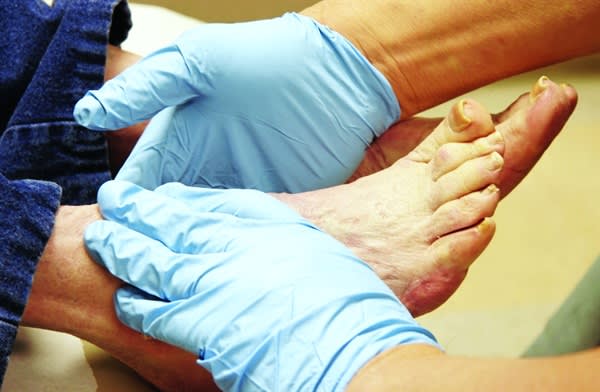
When we think about nail infections, fungus is probably what first comes to mind. It turns out that onychomycosis (nail fungus) is extremely common, as an estimated 35 million people in the U.S. are infected. It’s important to understand what makes us vulnerable to nail fungus, and why it’s important to treat it. Several treatment options are currently available, each offering pros and cons.
Who Is Vulnerable?
Ad Loading...
We are all exposed to fungus in our environment, yet not everyone acquires the infection. Our vulnerability is dependent on the complex interplay between our genetics, age, habits, other medical issues, and the environment. Simply being older is a risk factor, as more than 50% of nail fungus cases are seen in those over the age of 70. As we age, our toenails change due to years of chronic, repetitive micro trauma. Once the nail starts to grow abnormally, we become vulnerable to acquiring fungus. Aging also brings slower nail growth, another factor that predisposes a person to fungal acquisition.
Certain medical conditions can also make us more susceptible to fungus, such as diabetes, peripheral vascular disease, psoriasis, and HIV. Toenail trauma, common with certain athletic activities, such as tennis, skiing, and running, can lead to onychomycosis. Once the nail is damaged and lifted away from the nail bed, the protective barrier is compromised and fungus in the environment or on neighboring skin can enter the nail unit. Excessive foot sweating, poor hygiene, and unprotected communal exposure (i.e., bare feet in the gym locker room) can also put a person at risk.
Why Treat Fungus?
For many, nail fungus is cosmetically unappealing and the rationale to treat it is purely for aesthetic reasons. Most sufferers do not realize there are important medical reasons why treatment can be imperative. For one, fungus can spread to other toenails, the hands, the fingernails, or other skin sites. Thick, infected nails can be hard to maintain, may become painful, and can even make walking difficult. Fungus on the toenails is also a very common cause of bacterial infections on the skin at the lower legs (lower extremity cellulitis). This occurs when microscopic breaks in the skin become infected with bacteria.
Treatment Options
Ad Loading...
Treatment options can be divided into three categories: oral agents, topical agents, and non-pharmacologic approaches to therapy. Oral agents are prescriptions pills such as Terbinafine (Lamisil), Itraconazole, or Fluconazole. These are medications that must be prescribed by a physician. We have a lot of experience with these medications as they have been on the market for years. Dosing and treatment duration depends on the type of fungus and the severity of the case being treated. These oral medications have had rare but serious side effects associated with them, including liver and cardiac toxicity; therefore, laboratory monitoring is important. Also, these oral agents can interact with other common medications. For these reasons, many patients and physicians shy away from oral agents and prefer to use topical therapies.
Topical fungal medications are advantageous because they have fewer side effects and do not require laboratory monitoring. The disadvantage is that they are less effective and patients tend to be less compliant with these treatments because the treatment courses are longer. Until recently, the only prescription topical antifungal agent that was approved in the U.S. was Ciclopirox lacquer (Penlac). More recently, two new prescription topical antifungals have been approved and have demonstrated superior efficacy. Efinaconazole 10% solution (Jublia) was approved in June 2014 and Tavaborole 5% solution (Kerydin) was approved in July 2014 for the treatment of onychomycosis. For toenails, treatment is daily for 48 weeks. Both of these drugs have very safe profiles and are exciting additions to our antifungal arsenal.
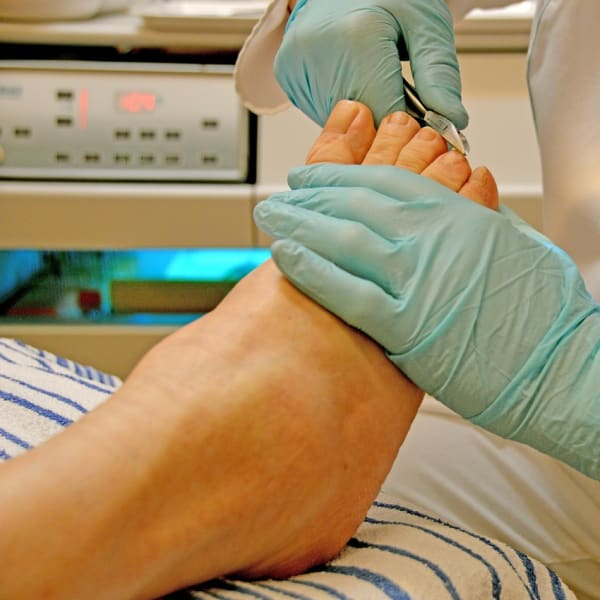
Non-pharmacologic approaches to therapy include mechanical nail removal, laser treatment, and chemical removal of the nail. Mechanical nail removal — surgical removal of the nail plate — tends to be a method that is favored by podiatrists. The procedure requires numbing the toe and removing the nail in order to reduce fungal load and remove a very thick nail that is not likely to respond well to therapy. When toenails are extremely thick and it is less likely that a topical medication will be able to penetrate effectively, this can be a beneficial option. Lasers always have appeal to consumers because they are high-tech and thought of as the latest in technology. Currently, short-pulse Nd-Yag lasers are approved in the U.S. for the temporary improvement of fungal nails. These devices are still considered controversial, as their efficacy is questionable and many believe that they have not yet been adequately studied. The last of the non-pharmacologic approaches, chemical removal, involves using a urea-based prescription cream and applying it to the nail repetitively. Urea breaks down keratin and can soften even very thick nails. Over time the nail will crumble and become easier to remove without the need for surgery.
Dr. Dana Stern
Dermatologists treat skin, hair, and nails. I am a board-certified dermatologist and I specialize in the treatment of nail disorders including inflammatory diseases of the nail, cosmetic issues, cancers of the nail, sports-related injuries, and nail infections.
Uncured gel polish and microscopic e-file dust contain active acrylates that penetrate the skin, triggering permanent contact dermatitis. Learn the chemistry behind these irritants and how to protect your clients and yourself.
The Good Patch is a leading wearable wellness patch brand, offering wellness and skincare patches that support everyday needs including energy, sleep, relaxation and more.
Orthopedic PT reveals three daily exercises plus ergonomic advice that can help salon professionals avoid the aches and injuries caused by standing, bending and repetitive overhead work.
From acrylic monomers to airborne bio-dust, the air inside a nail salon carries risks most professionals never see coming. Aerovex Systems reveals the source-capture and room-purification strategies that are setting a new standard for salon safety.
Working in beauty doesn’t have to hurt. Learn how Somatic Movement helps hairstylists, lash artists, and other beauty pros release tension, improve posture, and extend their careers.
As a spa or salon professional, your clients expect more than just beauty—they expect safety, hygiene, and peace of mind. Fungal infections like Athlete’s Foot and Nail Fungus are more common than you think, especially in environments where tools and footbaths are reused without proper sanitation. This blog covers how to stop these issues before they start, using proven infection prevention strategies for salons and spas.
A federal initiative aimed at studying chemical exposure in nail salons has ended due to staffing and budget changes. Here’s what the project set out to do—and what its conclusion means for salon professionals.
For many people, a pedicure is a relaxing beauty ritual. But what most don’t realize is that this simple service, if done without proper hygiene and sanitation, can cause serious infections and long-term health issues.
Onycholysis is the separation of the nail plate from the nail bed. While it may look painful, it typically isn’t—at least not at first. But without proper care, this common nail disorder can lead to infections, deformities, and long-term damage.
Mckenzie Kool, Psychologist, MC, RPsych provides us with guidance on what may or not be helpful in speaking with someone who has suffered a significant loss.
Clients come to you to feel their best—not leave with a viral souvenir. Warts and cold sores can spread fast in busy salons, but a few smart habits make all the difference. Let’s talk about what’s really lurking in your salon (and how to kick it to the curb).
As Earth Day approaches, The Green Beauty Community Foundation and the Green Spa Network invite beauty pros to step forward and embrace sustainability through the Green Pledge--a powerful initiative designed by and for beauty industry leaders.
Don’t cancel Valentine’s Day altogether, urges Jill Palmquist. Instead, think of it as a (frilly, flowery, Champagne-bubbly) wake-up call to fall deeply in love with your own life.
Life coach and Culture Ambassador of Sam Villa, Andrew Carruthers, outlines how to tell if your burnout is temporary - or if it's time to make a bigger career change.