Common sense and board safety compliance should keep your salon free of most diseases, including AIDS.
by Suzette Hill, staff writer
December 1, 1991
6 min to read
Despite major public information campaigns about how AIDS is transmitted, there is still a great deal of unnecessary fear among salon workers and clients about AIDS in the salon. Although you should practice sanitation procedures as though your life depended on it, you should also rest assured that the possibility of contracting AIDS from salon services is extremely low. In fact, there are no registered cases of salon-transmitted AIDS.
Doctors say that bacteria, viruses, and hepatitis B are much more likely to be passed from salon client to client or from client to nail technician than the HIV virus, which causes AIDS.
Ad Loading...
The AIDS virus is carried in blood, semen, and saliva and is transmitted only through intimate body contact: sex, sharing intravenous drug needles, transfusing contaminated blood, or passing from mother to child during pregnancy or by breast-feeding. It is not transmitted simply by using a dirty cuticle pusher on a client.
Natural Barriers
Orville J. Stone, M.D., a dermatologist in Huntington Beach, Calif., says, “I think the risk for technicians is just above zero. Intact skin is a barrier.” Kay Golan, spokesperson for The National Centers for Disease Control (CDC) in Atlanta, Ga., agrees, saying there have been no reported cases of AIDS transmitted in a beauty salon.
AIDS is communicable disease, not a contagious disease. This means that while AIDS can be transmitted from one person to another, it is not transmitted from one person to another, it is not transmitted through simple contact, like the common cold. To transmit AIDS in the salon would require “compound errors,” says Stone. “You’re talking about nicking the client and then nicking yourself.”
To pass the virus from an infected client to the technician, both people would have to have open wounds, and the client’s blood (or other body fluid) would have to come in contact with the technician’s exposed open wound. A technician could transmit the virus from an infected client to another client if she used an instrument contaminated with blood, and the instrument came in contact with an exposed open wound.
Ad Loading...
Stay on Your Toes
Knowing how relatively safe the salon is will help you ease client’s fears, but do not let this knowledge make you become complacent. One salon owner we spoke to said, “We don’t really worry about AIDS. There are so many products to address it, and we know our clients.”
But how well do you really know your clients? “People can carry the HIV virus for two to three years before it turns into AIDS,” says Golan, underscoring the need for universal precautions with all clients in salon sanitation.
Stone adds that no matter how well you know a client, you don’t know all the details of that client’s life. He suggests that technicians exercise extreme care in the salon even though the risk of AIDS is so slim. He shares his own office ritual: He wears gloves with every patient and practices as though every patient actually had AIDS.
Don’t Neglect the Basics
Ad Loading...
Common sense and board safety compliance should keep your salon free of most diseases, including the deadly AIDS virus. Always disinfect implements immediately after each use, no matter what. The California State Board of Cosmetology requires that all non-electrical instruments with a sharp point or edge that could pierce the skin and draw blood (excluding haircutting shears) to be disinfected by cleaning the instrument with soap and water and then immersing it in a closed container at 70% isopropyl alcohol for at least 10 minutes. Seventy percent isopropyl alcohol is required for instruments with sharp points or edges because, says the points or edges, such as cuticle pushers, be cleaned with soap and water and then totally immersed for at least 10 minutes in 70% isopropyl alcohol or an EPA registered disinfectant with demonstrated bactericidal, fungicidal, and virucidal activity in a closed container. Cosmetology board regulations differ from state to state, and some no longer approve isopropyl alcohol as disinfectant because it doesn’t kill all germs.
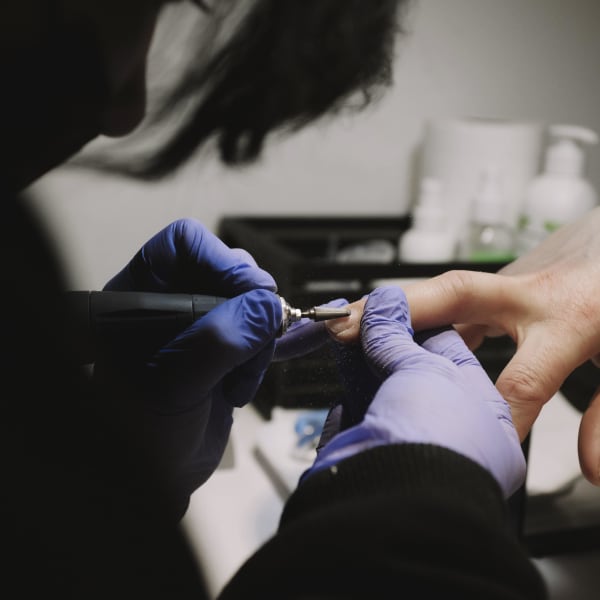
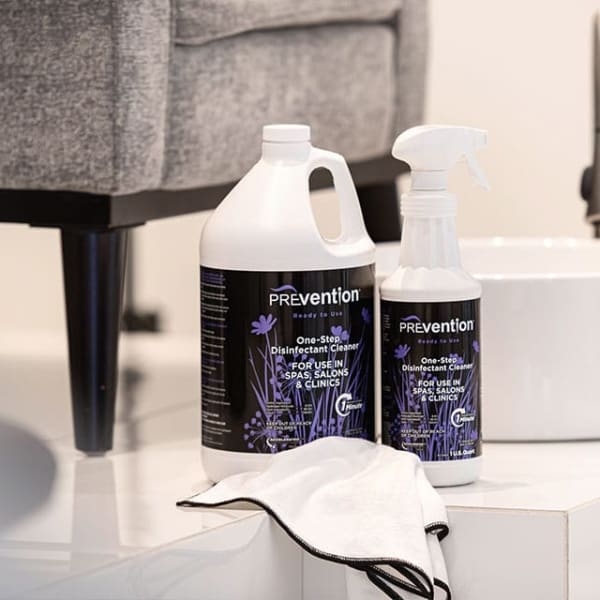
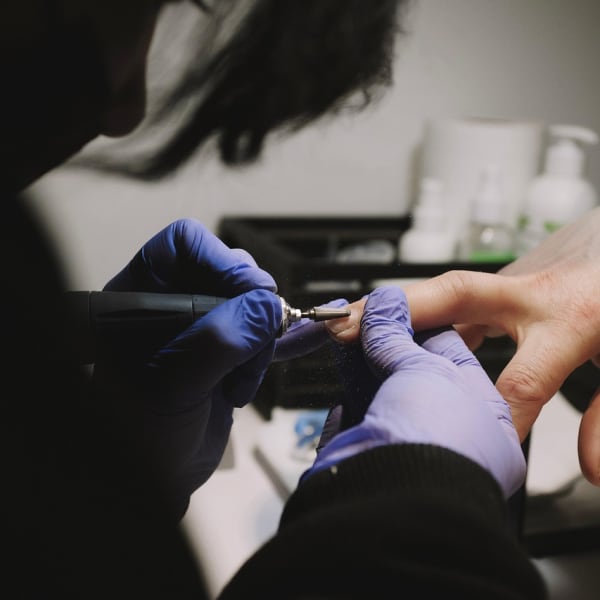
Disinfect the bits and burs of electric files just as you would nippers and metal cuticle pushers. Wipe down the body of an electric file with an EPA-registered disinfectant. Blood or tissue on a drill bit can be thrown through the air at the nail technician so do not use an electric file if you or the client has any exposed open wounds.
Wood cuticle sticks and non-sanitizable files should be disposed of after each use or be saved for that client’s service only. Says Sandra Vencill, supervising examiner for the California State Board of Cosmetology. “I’ve never seen someone use a file without it coming in contact with the skin, which means you’re in contact with bacteria and germs.” If you get blood on a file or wood cuticle stick, put it in a plastic bag marked “soiled” and throw it away.
Disinfect your work surface between clients. Germs can rest on the work surface, just waiting to hitch a ride on the next item that touches it (like the just-disinfected instruments).
Protect Yourself, Protect Others
Ad Loading...
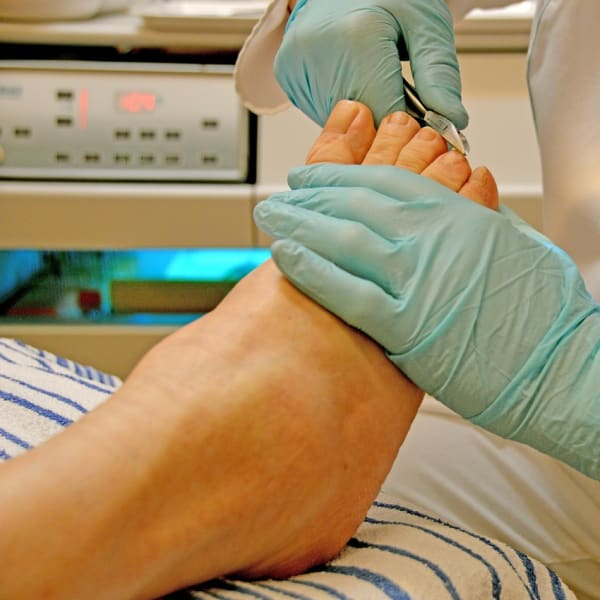
Thoroughly wash your hands with an antimicrobial soap between clients. Wear gloves while working on clients. “You may not like it at first, but you do get used to it,” says Lois McNeil, program analyst for the California State Board of Cosmetology.
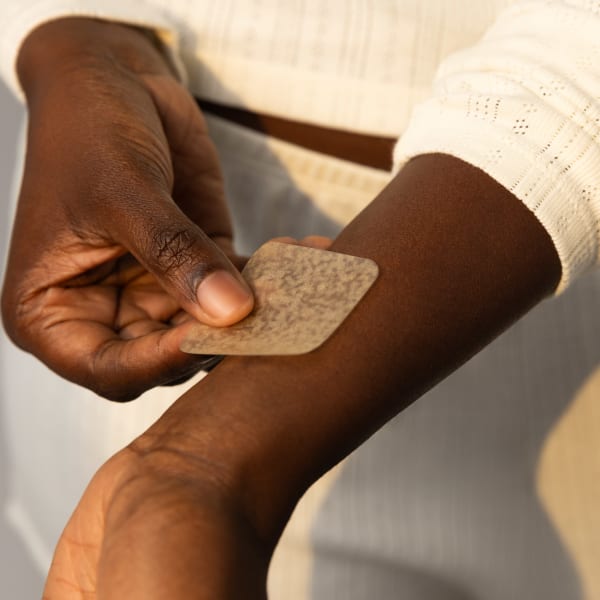
Some technicians say that wearing gloves makes the nail service impersonal because it creates a barrier between the technician’s and client’s skin. Some also complain that gloves hinder their ability to do the service. If you feel this way, you can wear gloves only when you or a client has a cut or broken skin on the hands or wrist. Always cover cuts or abrasions on your arms with plastic bandages.
“If the technician has any cuts, she should wear gloves,” says Lauber. “Gloves are like condoms for the fingers.”
Always let new clients know about what your salon does to prevent the transmission of diseases. Without scaring clients, assure them that you’re a “safe salon” because of your disinfection and sanitation procedures.
Effective Disinfection Tips
Ad Loading...
Disinfect implements immediately after use or put them in a receptacle clearly marked “soiled” to make sure they are not used accidentally before being cleaned. Wear gloves and use care when removing implements from this receptacle to avoid cutting yourself.
Wash implements with soap and water before submersing in disinfection solution to remove all traces of blood, tissue, oil, and debris.
Dry implements thoroughly before putting them in the disinfectant solution so the solution isn’t diluted.
Don’t waste time during the manicure service while the implements are being disinfected. Have backup implements on hand or disinfect implements while buffing nails and applying polish. Or, have technicians who aren’t working on clients disinfect and clean for everyone to minimize client waiting time.
Store clean implements in a clean covered area such as a drawer, container, or storage solution until their next use.
Uncured gel polish and microscopic e-file dust contain active acrylates that penetrate the skin, triggering permanent contact dermatitis. Learn the chemistry behind these irritants and how to protect your clients and yourself.
The Good Patch is a leading wearable wellness patch brand, offering wellness and skincare patches that support everyday needs including energy, sleep, relaxation and more.
Orthopedic PT reveals three daily exercises plus ergonomic advice that can help salon professionals avoid the aches and injuries caused by standing, bending and repetitive overhead work.
From acrylic monomers to airborne bio-dust, the air inside a nail salon carries risks most professionals never see coming. Aerovex Systems reveals the source-capture and room-purification strategies that are setting a new standard for salon safety.
Working in beauty doesn’t have to hurt. Learn how Somatic Movement helps hairstylists, lash artists, and other beauty pros release tension, improve posture, and extend their careers.
As a spa or salon professional, your clients expect more than just beauty—they expect safety, hygiene, and peace of mind. Fungal infections like Athlete’s Foot and Nail Fungus are more common than you think, especially in environments where tools and footbaths are reused without proper sanitation. This blog covers how to stop these issues before they start, using proven infection prevention strategies for salons and spas.
A federal initiative aimed at studying chemical exposure in nail salons has ended due to staffing and budget changes. Here’s what the project set out to do—and what its conclusion means for salon professionals.
For many people, a pedicure is a relaxing beauty ritual. But what most don’t realize is that this simple service, if done without proper hygiene and sanitation, can cause serious infections and long-term health issues.
Onycholysis is the separation of the nail plate from the nail bed. While it may look painful, it typically isn’t—at least not at first. But without proper care, this common nail disorder can lead to infections, deformities, and long-term damage.
Mckenzie Kool, Psychologist, MC, RPsych provides us with guidance on what may or not be helpful in speaking with someone who has suffered a significant loss.
Clients come to you to feel their best—not leave with a viral souvenir. Warts and cold sores can spread fast in busy salons, but a few smart habits make all the difference. Let’s talk about what’s really lurking in your salon (and how to kick it to the curb).
As Earth Day approaches, The Green Beauty Community Foundation and the Green Spa Network invite beauty pros to step forward and embrace sustainability through the Green Pledge--a powerful initiative designed by and for beauty industry leaders.
Don’t cancel Valentine’s Day altogether, urges Jill Palmquist. Instead, think of it as a (frilly, flowery, Champagne-bubbly) wake-up call to fall deeply in love with your own life.
Life coach and Culture Ambassador of Sam Villa, Andrew Carruthers, outlines how to tell if your burnout is temporary - or if it's time to make a bigger career change.