




Why Salon Work Makes Your Body Ache & What You Can Do to Feel Better
We learn some simple moves and strategies to keep the blood pumping through the muscles and limit posture problems from The Balanced Beauty Pro
by Anne Moratto


 MENU
MENU SEARCH
Research is still inconclusive regarding a link between chemicals used in the salon and certain birth defects, but don’t take chances. Experts agree that common- sense precautions substantially reduce any potential risks.
There are very few times in a woman’s life when she thinks more about her health than when she is pregnant. Most women are willing to make extraordinary sacrifices to ensure that their children will have every benefit a mother can provide. Is giving up your job as a nail technician —with its daily exposure to certain chemicals — a sacrifice you need to make?
“While studies have shown that women who have high levels of exposure to chemicals also have the greatest level of risk for spontaneous abortions, when precautions where taken to limit exposure, the risks were not found to be different than the background expected risks, such as age or family history?’ says Karen Filkins, M.D., director of reproductive genetics at UCLA School of Medicine’s department of Obstetrics and Gynecology. “It’s important to keep in mind that approximately 15% of all established pregnancies naturally end in miscarriage, a rate that is attributable to things that have nothing to do with your job. Of course, you will still want to take proper precautions to limit your exposure to potentially toxic substances while you’re pregnant,” she adds.
Unfortunately, little is known definitively about the effect of chemicals at the low levels of exposure typical in a salon environment. In very high concentrations, some of the chemicals used in the salon have been linked with a higher incidence of miscarriage, congenital malformations, and other pregnancy complications; however, most of these studies have been done either on laboratory animals or on people with much higher exposure levels than nail technicians have. No negative conclusions can be drawn from this research about the relative safety of salon work, says Doug Schoon, director of R&D for Creative Nail Design (Vista, Calif.).
At high levels, methacrylates, a family of chemicals used primarily in the plastics industry and common to nail acrylic, were shown to cause fetal deformities in chickens and rats; however, studies of women working in the plastics industry, where the exposure to methacrylates is much higher than in the salon, did not show any increase in miscarriages or birth defects.
Deformities resulted when pregnant women sniffed toluene to get high; they were not caused by occupational exposure. Although toluene is found in some nail polishes, there has never been a reported case of birth defects associated with the small quantities of the chemical present in the salon, says Schoon.
A March 1994 study appearing in Epidemiology magazine titled “Spontaneous Abortions Among Cosmetologists” does rate some concern on the part of nail technicians. Unlike previous studies, the subjects were working cosmetologists. The analysis focused on 96 cosmetologists who had had a single live birth and who worked either full-time in cosmetology or in other jobs during the first trimester of pregnancy.
The researchers found associations between spontaneous abortion and the number of hours worked per day in cosmetology, the number of chemical services performed per week, use of formaldehyde-based disinfectants, and work in salons where nail sculpting was performed by other employees. The study did not prove that there was an increased risk based on exposure to nail sculpting; it only suggested a possible association. Interestingly, there was no association found between spontaneous abortions and manicuring in general. Additionally, when the cosmetologists wore gloves, a protective effect was seen.
Chemical Concerns
In order to take adequate precautions, a pregnant nail technician must first understand which chemicals may pose a threat to her baby’s health and her own. While you certainly must be careful about exposure to all chemicals, volatile organic solvents (VOCs) warrant the greatest concern.
“Anything in nail salons that will vaporize is a VOC,” says Schoon. Most of the products used by nail technicians — nail dehydrators, primers, acrylic monomers, wrap adhesives, activators, nail polish, and polish remover — all are applied wet, then dry on the nail. This process is possible because of the presence of VOCs. Naii products have so much odor because they contain many VOCs that evaporate into the air. But don’t judge a product’s safety by its odor. There are products that don’t produce odor, but do produce vapors that are more dangerous than those in stronger- smelling products.
Inhalation is the primary route that vapors and dust take into your body. Product can also be absorbed through the skin or through your digestive system if you accidentally eat it. Obviously you don’t intentionally make a meal of your products, but it’s easy, for example, to get filing dust in your coffee or get monomer on your fingers and pick up and eat a potato chip.
Experts agree that the most important action a pregnant nail technician can take is to assure that her work environment is adequately ventilated. The best way to keep your breathing zone (the one-to two-foot area around your mouth and nose) dean is to wear a dust mask and to use a local exhaust ventilation system, which is one that pulls air away from your work area and vents it to the outside.
Precautionary Measures
Other precautions for pregnant nail technicians include wearing gloves that act as a barrier to the chemicals you use, capping bottles tightly when not in use, and using only small amounts of product in dappen dishes instead of working from large bottles.
Technicians should wipe up spills immediately, use closed trash containers so that product doesn’t evaporate into the salon air, and empty the containers several times a day. If you get product on your skin, stop immediately and wash it off. Of course, wash your hands before and after eating or drinking.
Remember also to take frequent breaks to get fresh air, and pay special attention to symptoms such as nausea, headaches, or dizziness, especially if the symptoms seem to occur mainly during work hours. Report these symptoms to your doctor.
All the medical, chemical, and workplace hazard experts NAILS consulted agree that a pregnant nail technicians can continue working in the salon unless she is experiencing other medical problems not related to the salon environment or she is unwilling to work safely. However, everyone emphasizes that while there is no information to show that it’s unsafe to continue working with nail products, there’s not enough information to say it’s completely safe, either. “We always weigh risks and benefits throughout life,” says Filkins. “Pregnancy adds the complication of not just thinking about risks and benefits to yourself, but risks and benefits to someone else linked to you.”
If you have concerns about your level of exposure to chemicals, you might want to contact a Teratogen Information Service in your area (check the government listing in your phone book under “public health”). You may also contact the Pregnancy Safety Hotline at West Penn Hospital at (800) 208-SAFE.
We learn some simple moves and strategies to keep the blood pumping through the muscles and limit posture problems from The Balanced Beauty Pro
Uncured gel polish and microscopic e-file dust contain active acrylates that penetrate the skin, triggering permanent contact dermatitis. Learn the chemistry behind these irritants and how to protect your clients and yourself.
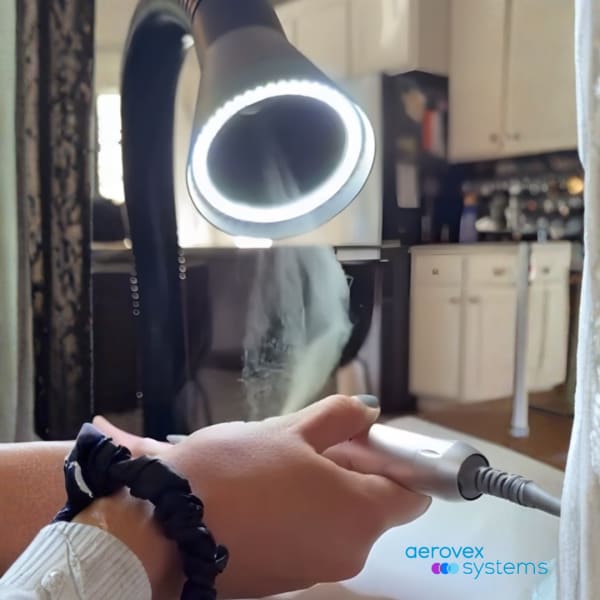
What actually counts as 'source capture' under nail salon ventilation code, and what doesn't (even if it feels like it should).
Sponsored by Aerovex Systems
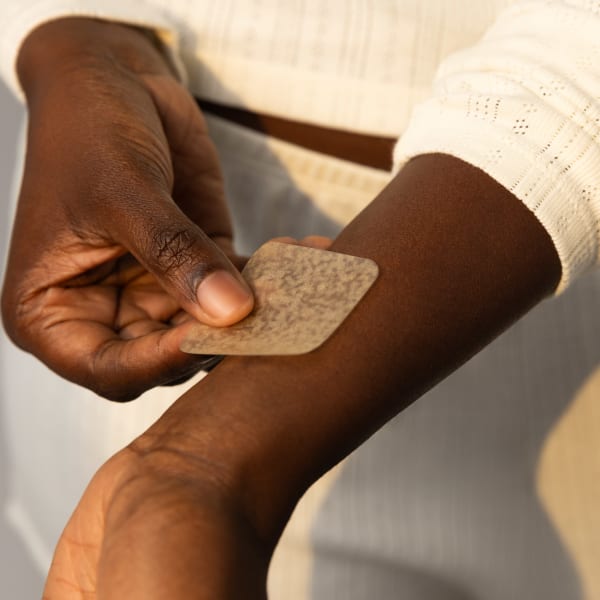
The Good Patch is a leading wearable wellness patch brand, offering wellness and skincare patches that support everyday needs including energy, sleep, relaxation and more.
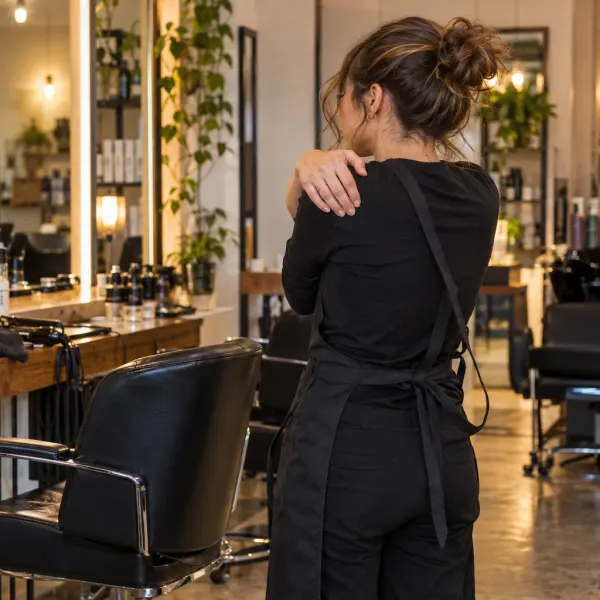
Orthopedic PT reveals three daily exercises plus ergonomic advice that can help salon professionals avoid the aches and injuries caused by standing, bending and repetitive overhead work.

From breaking free of external validation to creating joy-based goals, discover a more sustainable and fulfilling path to success.
From acrylic monomers to airborne bio-dust, the air inside a nail salon carries risks most professionals never see coming. Aerovex Systems reveals the source-capture and room-purification strategies that are setting a new standard for salon safety.
Sponsored by Aerovex Systems
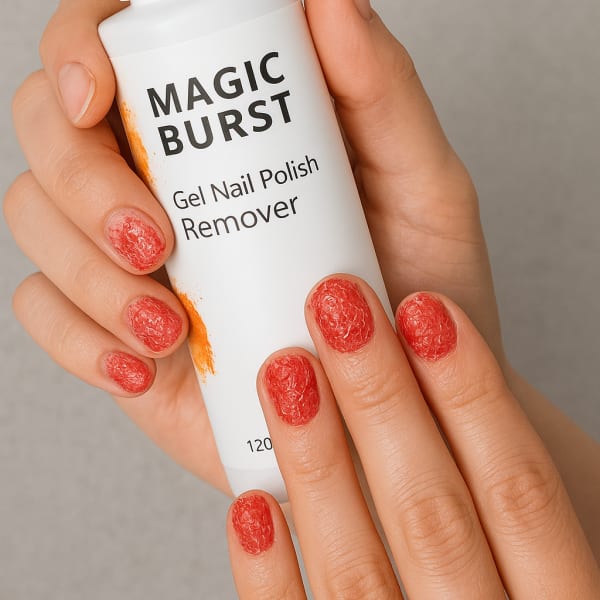
Products marketed as 'magic' or 'burst' gel removers may contain methylene chloride, a federally banned, highly toxic chemical.
Working in beauty doesn’t have to hurt. Learn how Somatic Movement helps hairstylists, lash artists, and other beauty pros release tension, improve posture, and extend their careers.
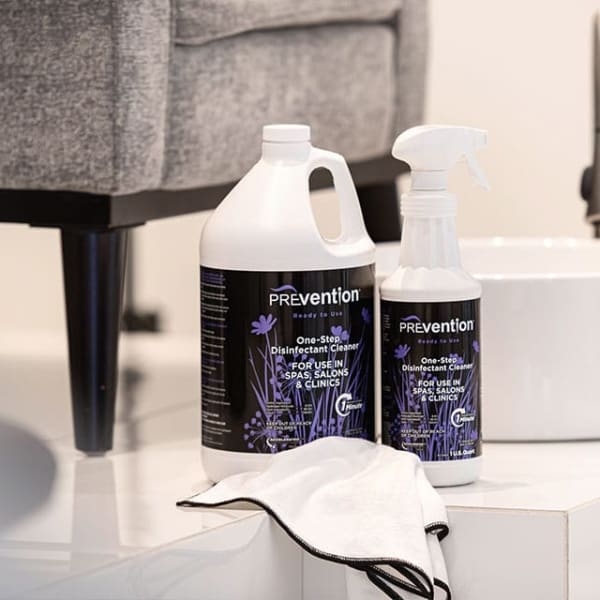
As a spa or salon professional, your clients expect more than just beauty—they expect safety, hygiene, and peace of mind. Fungal infections like Athlete’s Foot and Nail Fungus are more common than you think, especially in environments where tools and footbaths are reused without proper sanitation. This blog covers how to stop these issues before they start, using proven infection prevention strategies for salons and spas.
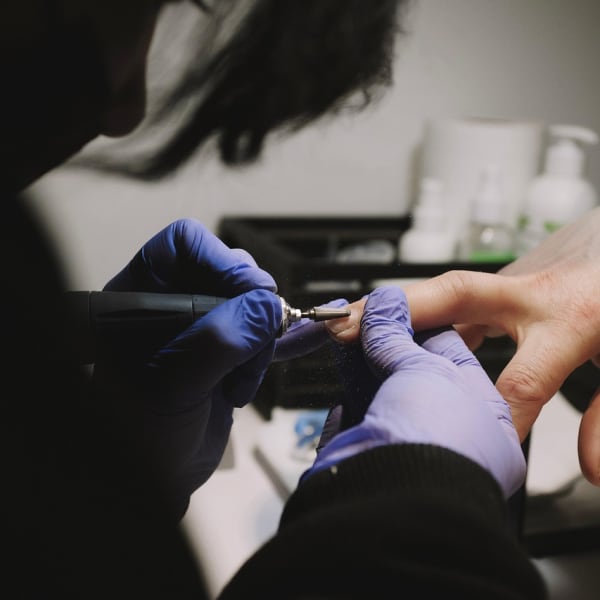
A federal initiative aimed at studying chemical exposure in nail salons has ended due to staffing and budget changes. Here’s what the project set out to do—and what its conclusion means for salon professionals.
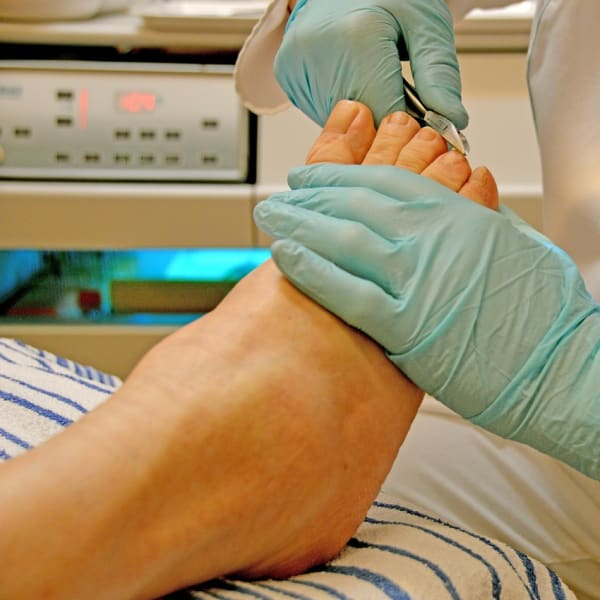
For many people, a pedicure is a relaxing beauty ritual. But what most don’t realize is that this simple service, if done without proper hygiene and sanitation, can cause serious infections and long-term health issues.
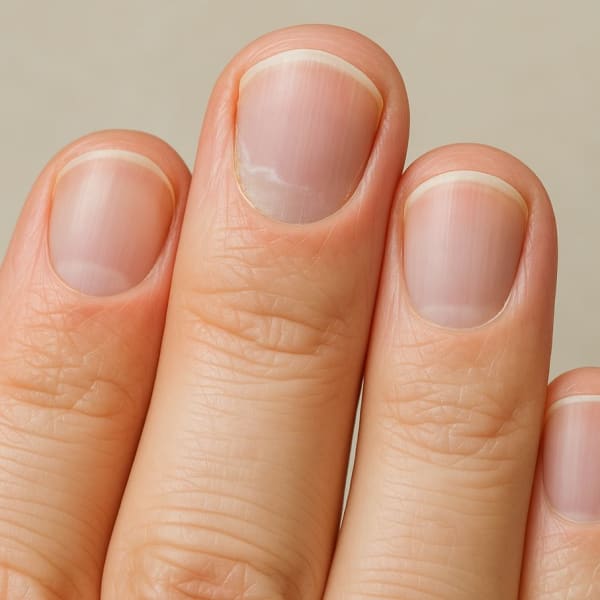
Onycholysis is the separation of the nail plate from the nail bed. While it may look painful, it typically isn’t—at least not at first. But without proper care, this common nail disorder can lead to infections, deformities, and long-term damage.

Mckenzie Kool, Psychologist, MC, RPsych provides us with guidance on what may or not be helpful in speaking with someone who has suffered a significant loss.
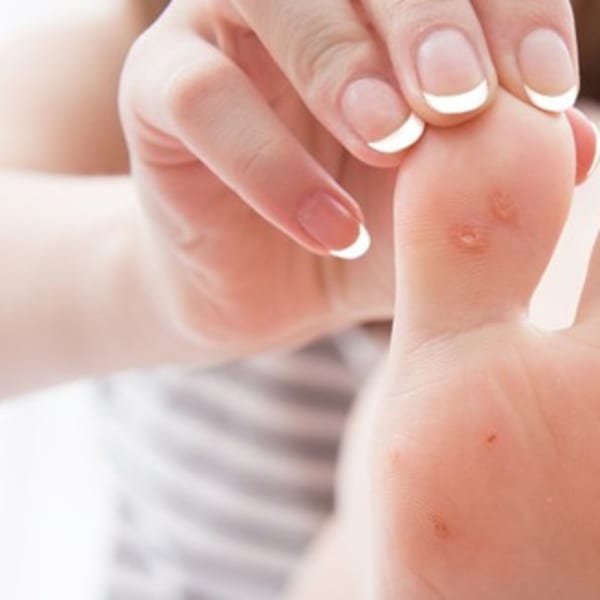
Clients come to you to feel their best—not leave with a viral souvenir. Warts and cold sores can spread fast in busy salons, but a few smart habits make all the difference. Let’s talk about what’s really lurking in your salon (and how to kick it to the curb).

As Earth Day approaches, The Green Beauty Community Foundation and the Green Spa Network invite beauty pros to step forward and embrace sustainability through the Green Pledge--a powerful initiative designed by and for beauty industry leaders.

Don’t cancel Valentine’s Day altogether, urges Jill Palmquist. Instead, think of it as a (frilly, flowery, Champagne-bubbly) wake-up call to fall deeply in love with your own life.