Your pregnant client needs special pampering — her hormones are raging, and she probably can’t see her own feet or even clip her toenails! Learn about the challenges she’s facing so you can lend a helping hand and ease her discomfort.
> NAUSEA: During pregnancy, many women experience morning sickness and nausea at any time of the day or night. Most symptoms ease over time, but some women experience nausea throughout their entire pregnancy. Often, a pregnant woman’s sense of smell is heightened, which can trigger bouts of nausea. You can help your pregnant client avoid or ease nausea by using natural products that aren’t heavily scented and making sure your salon is properly ventilated to remove vapors and odors from the breathing space. Bright lights and loud sounds/music can also make her queasy, so create a soothing ambience with low lighting and soft music.
> CONCERNS ABOUT CHEMICALS/FUMES: According to Doug Schoon, president of Schoon Scientific and co-chair of the Nail Manufacturers Council on Safety, all nail services are safe for pregnant women, as long as the services are properly performed and all manufacturers’ instructions are heeded. To be on the safe side, Schoon suggests, your client can show the Safety Data Sheets (SDS) for all your professional products to her doctor. You may want to avoid solvent-based products (some polishes, acrylic nails, and some polish removers), because their strong odors could trigger nausea and dizziness in pregnant clients. To err on the side of caution and ease your clients’ fears, consider using formaldehyde- and toluene-free polishes and products.
Ad Loading...
> SWELLING/BODY CHANGES: Aching, swollen feet are common during pregnancy, and foot spas can offer relief. But rather than using hot water, which can raise her core temperature too much, use cool water. Cool water soothes and acts as a natural anti-inflammatory. Mom-to-Be may also be experiencing fatigue, shortness of breath, heartburn or gas, backaches, and need frequent trips to the bathroom, so be accommodating.
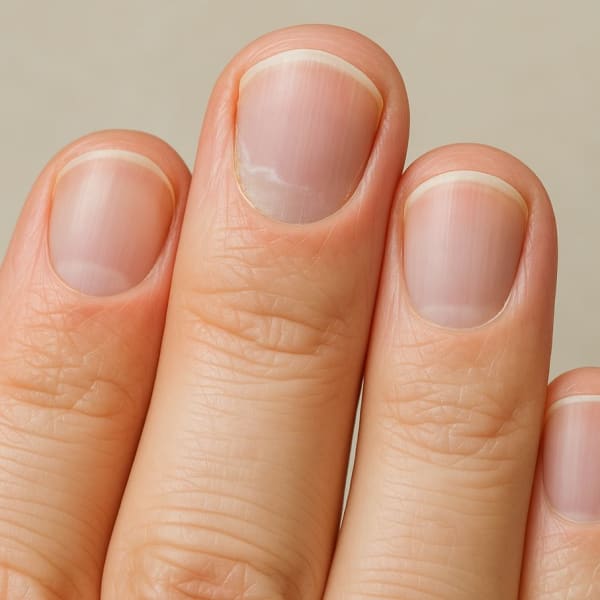
> NAIL CHANGES: Thanks to pregnancy hormones, nails may be growing faster, but sometimes that growth is accompanied by brittleness, groove formation, or onycholysis, a separation of the nail from the end of the nail bed. If your client is experiencing these changes in her nails, suggest that she makes sure she is getting enough biotin — a B-complex vitamin that has been shown to improve nail firmness, hardness, and thickness — in her pre-natal vitamins and diet. Biotin is found in foods such as nuts, eggs, soybeans, mushrooms, peas, avocados, bananas, milk, and whole grains.
> BLOOD CLOTS/RISK OF GOING INTO LABOR: The lower leg massage that goes with a pedicure can feel wonderful for a pregnant woman, but it can also pose a danger if she is susceptible to blood clots, as massage can dislodge them. Recent studies suggest that a woman’s overall risk for blood clots during pregnancy is six times greater than in non-pregnant women. It’s a good idea to skip the massage if your client has a history of blood clots or varicose veins. Likewise, be careful about massaging the feet. Some anecdotal evidence (based on the principles of reflexology) suggests that stimulating certain pressure points around the foot and ankle can cause the uterus to begin contracting, thus inducing an early labor. The area between the anklebone and heel is most susceptible.
MOM-TO-BE RX
Spend a little extra time making your expecting client comfortable.
Ad Loading...
Here are some do’s and don’ts when performing services on Mom-to-Be:
> DO offer a supportive hand as your client enters or exits the pedicure or manicure chair. A shift in her center of gravity can make her more susceptible to falls.
> DON’T massage the area between her anklebone and heel (it could trigger contractions).
> DO provide pillows to support her lower back.
> DON’T use essential oils that are “emmenagogues.” These oils can induce menstruation or other types of bleeding: chamomile, cinnamon, fennel, ginger, jasmine, juniper, myrrh, peppermint, rose, sage, eucalyptus, and rosemary.
Ad Loading...
> DO offer caffeine-free beverages, such as sparkling water or juice, to keep her hydrated.
Uncured gel polish and microscopic e-file dust contain active acrylates that penetrate the skin, triggering permanent contact dermatitis. Learn the chemistry behind these irritants and how to protect your clients and yourself.
The Good Patch is a leading wearable wellness patch brand, offering wellness and skincare patches that support everyday needs including energy, sleep, relaxation and more.
Orthopedic PT reveals three daily exercises plus ergonomic advice that can help salon professionals avoid the aches and injuries caused by standing, bending and repetitive overhead work.
From acrylic monomers to airborne bio-dust, the air inside a nail salon carries risks most professionals never see coming. Aerovex Systems reveals the source-capture and room-purification strategies that are setting a new standard for salon safety.
Working in beauty doesn’t have to hurt. Learn how Somatic Movement helps hairstylists, lash artists, and other beauty pros release tension, improve posture, and extend their careers.
As a spa or salon professional, your clients expect more than just beauty—they expect safety, hygiene, and peace of mind. Fungal infections like Athlete’s Foot and Nail Fungus are more common than you think, especially in environments where tools and footbaths are reused without proper sanitation. This blog covers how to stop these issues before they start, using proven infection prevention strategies for salons and spas.
A federal initiative aimed at studying chemical exposure in nail salons has ended due to staffing and budget changes. Here’s what the project set out to do—and what its conclusion means for salon professionals.
For many people, a pedicure is a relaxing beauty ritual. But what most don’t realize is that this simple service, if done without proper hygiene and sanitation, can cause serious infections and long-term health issues.
Onycholysis is the separation of the nail plate from the nail bed. While it may look painful, it typically isn’t—at least not at first. But without proper care, this common nail disorder can lead to infections, deformities, and long-term damage.
Mckenzie Kool, Psychologist, MC, RPsych provides us with guidance on what may or not be helpful in speaking with someone who has suffered a significant loss.
Clients come to you to feel their best—not leave with a viral souvenir. Warts and cold sores can spread fast in busy salons, but a few smart habits make all the difference. Let’s talk about what’s really lurking in your salon (and how to kick it to the curb).
As Earth Day approaches, The Green Beauty Community Foundation and the Green Spa Network invite beauty pros to step forward and embrace sustainability through the Green Pledge--a powerful initiative designed by and for beauty industry leaders.
Don’t cancel Valentine’s Day altogether, urges Jill Palmquist. Instead, think of it as a (frilly, flowery, Champagne-bubbly) wake-up call to fall deeply in love with your own life.
Life coach and Culture Ambassador of Sam Villa, Andrew Carruthers, outlines how to tell if your burnout is temporary - or if it's time to make a bigger career change.