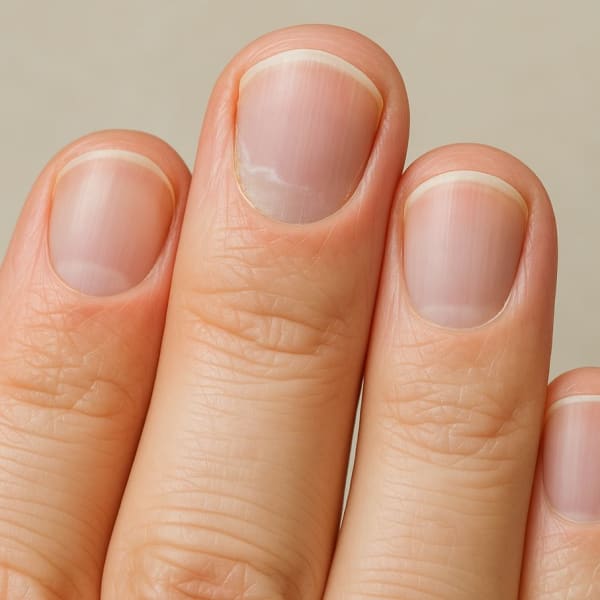
Clients who suffer from onychophagia (nail biting) can sustain a variety of problems ranging from infections to weakened teeth. Educate yourself about these conditions to help your clients take a bite out of their bad habit.
PSYCHOLOGICAL CAUSES: According to Web MD, 60% of children and 45% of teenagers bite their nails. It can continue into adulthood, but usually stops after age 18. Most often, nail biting is a manifestation of anxiety or stress. This can be severe, and the habit can be very difficult to stop without help from a mental-health professional.
DISFIGUREMENT: Nail biting can cause inflammation of the nail matrix, which can lead to “dystrophic” nails. These malformed nails often have horizontal ridging, depressions, and bumps. Biting can also lead to thin, peeling nails, as the cuticles become damaged and can’t maintain the nails’ moisture. If the nail biting continues long enough, the cuticles and matrix can become scarred, and nail dystrophy can become permanent.
Ad Loading...
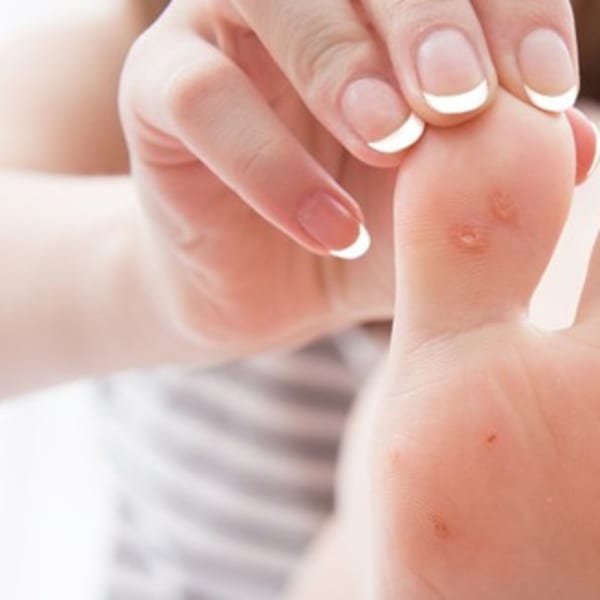
INFECTIONS: Viral, bacterial, and yeast/fungal infections are a common problem among nail biters. The wart virus (HPV) is a common infection on the hands, and the virus has especially easy access to the traumatized nails of biters. “This can be problematic for several reasons,” says Chris G. Adigun, MD, board certified dermatologist. “Warts in the nail unit are notoriously difficult to treat. The warts easily spread from finger to finger among nail biters, as there are often small areas of trauma on multiple fingers. Warts on the hands and fingers are often distressing socially and professionally to those that contract them. And finally, biting the nails allows the wart to spread easily to the mouth and lips, which can also be quite unsightly and distressing.”
Bacterial infections that result from nail biting, such as staph and strep, can be both painful and serious. Even more serious are certain anaerobic bacterial infections that can cause abscesses that need to be drained surgically by a physician. If these abscesses are not drained, complete and permanent loss of the nail may occur.
Yeast infections, often of the candida species, are common among nail biters. These infections usually cause swelling around the nail and mild dystrophy. “In my nail practice, I see this almost every day,” says Dr. Adigun. “And it is nearly uniformly among nail biters and/or those with chronically manicured nails. It occurs due to chronic trauma/manipulation of the cuticles and surrounding skin of the nails, leading to chronic inflammation of those tissues. This permits candida species to proliferate in the small areas of trauma and inflammation. This can be easily treated with topical antifungal agents with good yeast coverage, often in conjunction with or preceded by a topical anti-inflammatory agent (topical steroid), and of course, abstaining from nail biting.”
DENTAL ISSUES: Chronic nail biting can also cause problems with an individual’s teeth. The biter’s teeth can shift or become disfigured in shape. Nail biters also suffer from higher rates of gum disease and infection.
Nail Biter’s Rx
Ad Loading...
Tips when performing manicures on nail biters:
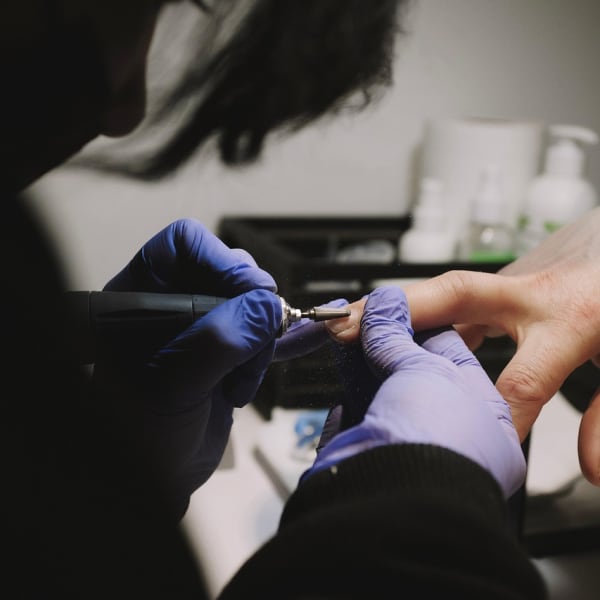
> If your client has damaged cuticles from biting, or any signs of trauma, redness, or bitten cuticles or nails, Dr. Adigun advises that you wear protective latex or nitrile gloves. “If the nail biter has any signs of infection on any of the fingernails (redness, swelling, purulent drainage), do not perform services,” says Dr. Adigun. Instead, refer the individual to a medical professional for treatment.
> For mild nail biters, suggest over-the-counter products, such as bitter tasting nail coatings that can help them break the habit. Encourage them to use cuticle oil after every hand washing and before bedtime.
> The thickness of acrylic enhancements can deter nail biters and help them become aware of the habit, which is sometimes unconscious. Gradually thin the acrylic with each successive manicure as they transition to gel-polish or natural nails.
> Most people think nail biting is simply a harmless habit and are unaware of the risks. “Please do not ignore this habit when you see it,” Dr. Adigun says. “Address the issue and educate your clients. You can really make a difference and prevent serious infection!”
Uncured gel polish and microscopic e-file dust contain active acrylates that penetrate the skin, triggering permanent contact dermatitis. Learn the chemistry behind these irritants and how to protect your clients and yourself.
The Good Patch is a leading wearable wellness patch brand, offering wellness and skincare patches that support everyday needs including energy, sleep, relaxation and more.
Orthopedic PT reveals three daily exercises plus ergonomic advice that can help salon professionals avoid the aches and injuries caused by standing, bending and repetitive overhead work.
From acrylic monomers to airborne bio-dust, the air inside a nail salon carries risks most professionals never see coming. Aerovex Systems reveals the source-capture and room-purification strategies that are setting a new standard for salon safety.
Working in beauty doesn’t have to hurt. Learn how Somatic Movement helps hairstylists, lash artists, and other beauty pros release tension, improve posture, and extend their careers.
As a spa or salon professional, your clients expect more than just beauty—they expect safety, hygiene, and peace of mind. Fungal infections like Athlete’s Foot and Nail Fungus are more common than you think, especially in environments where tools and footbaths are reused without proper sanitation. This blog covers how to stop these issues before they start, using proven infection prevention strategies for salons and spas.
A federal initiative aimed at studying chemical exposure in nail salons has ended due to staffing and budget changes. Here’s what the project set out to do—and what its conclusion means for salon professionals.
For many people, a pedicure is a relaxing beauty ritual. But what most don’t realize is that this simple service, if done without proper hygiene and sanitation, can cause serious infections and long-term health issues.
Onycholysis is the separation of the nail plate from the nail bed. While it may look painful, it typically isn’t—at least not at first. But without proper care, this common nail disorder can lead to infections, deformities, and long-term damage.
Mckenzie Kool, Psychologist, MC, RPsych provides us with guidance on what may or not be helpful in speaking with someone who has suffered a significant loss.
Clients come to you to feel their best—not leave with a viral souvenir. Warts and cold sores can spread fast in busy salons, but a few smart habits make all the difference. Let’s talk about what’s really lurking in your salon (and how to kick it to the curb).
As Earth Day approaches, The Green Beauty Community Foundation and the Green Spa Network invite beauty pros to step forward and embrace sustainability through the Green Pledge--a powerful initiative designed by and for beauty industry leaders.
Don’t cancel Valentine’s Day altogether, urges Jill Palmquist. Instead, think of it as a (frilly, flowery, Champagne-bubbly) wake-up call to fall deeply in love with your own life.
Life coach and Culture Ambassador of Sam Villa, Andrew Carruthers, outlines how to tell if your burnout is temporary - or if it's time to make a bigger career change.