Clients And Technicians Can Live With Contact Dermatitis
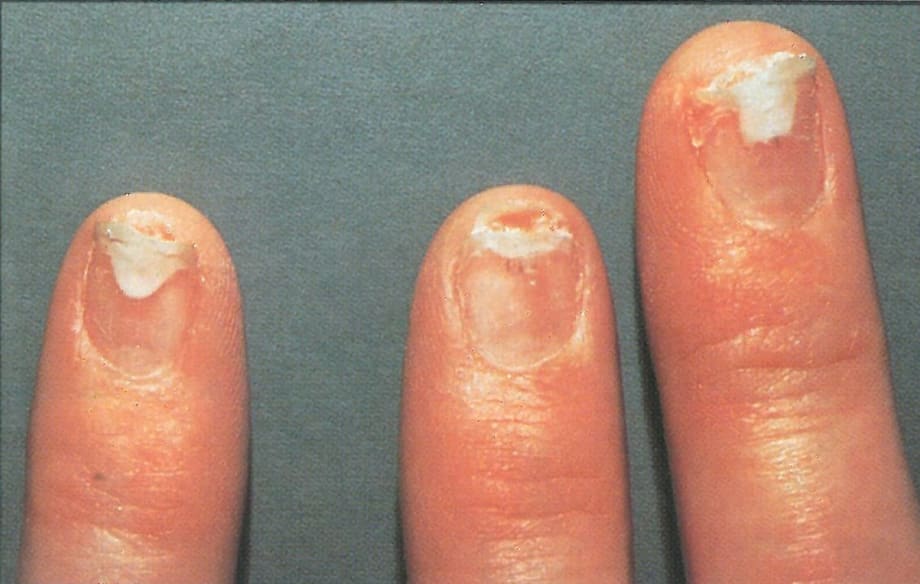
Does red, rough skin, small blisters, and separated nails sound familiar? What you may be calling a fungal infection could be an allergy to nail products.
by Dr. Jeffrey Lauber
February 1, 1993
4 min to read
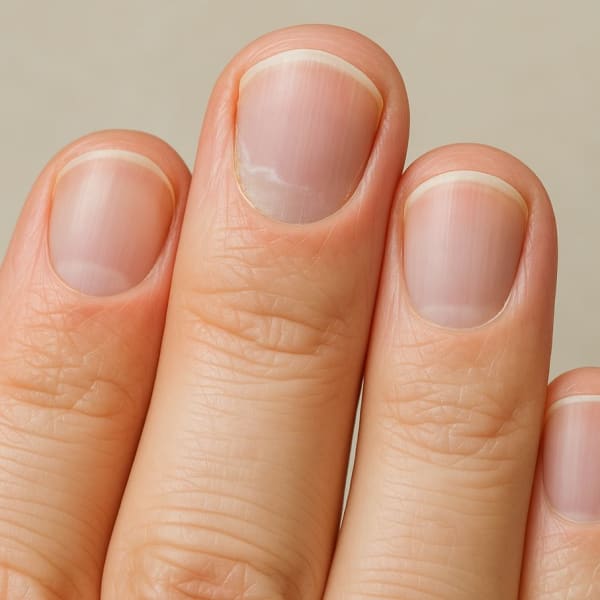
Contact dermatitis is a form of allergy that is specifically related to skin. Skin allergies usually manifest themselves as small blisters, red and rough skin, and nail separation if the allergic reaction occurs on the nail. When these symptoms show up around the nail, however, they are often mislabeled as a fungal infection and treated with a topical preparation, when the best treatment would be to remove the offending agent instead.
The skin acts as a natural barrier to prevent potentially harmful substances from entering the tissue and causing an allergic reaction. However, small molecular compounds are capable of penetrating the skin and causing contact dermatitis with prolonged contact. In order to develop contact dermatitis around the nail, one’s exposure would have to be especially prolonged because the hard nail plate serves as an excellent barrier to prevent dyes, pigments, and adhesives form reaching the underlying nail bed.
Ad Loading...
Whether certain compounds cause a dermatitis reaction in a person depends on several factors, the most important of which is a genetic predisposition. Poison ivy rash is a classic example of contact dermatitis. When an individual is exposed to the plant, she may have no reaction or she may develop the well-known itchy, weepy, uncomfortable rash often associated with poison ivy. How long someone is in contact with the substance and her prior exposure to it also determine whether a person will develop contact dermatitis.
Generally speaking, the first exposure to a potential allergen is known as the sensitization phase and doesn’t cause a reaction at all. It is at this time that the individual is rendered allergic. After being exposed to the substance a few more times, a person will usually notice a reaction about 48 hours later.
The two basic allergies that will confront nail technicians most often involve acrylic nails and nail polish and hardeners that contain formaldehyde resins. As most nail technicians know, acrylic nails are formed using a process that combines a methacrylate polymer powder with a liquid methacrylate ester. When mixed together, the powder and liquid polymerize, hardening to form an artificial extension. Unfortunately, the liquid usually contains methacrylate monomers that do not polymerize. These monomers remain free in the hardened acrylic, which means these small molecules can penetrate the nail plate and cause an allergic reaction.
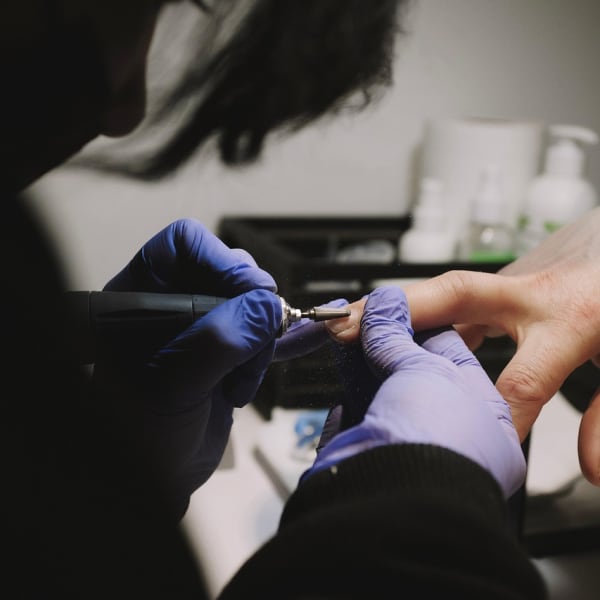
Nail technicians who don’t wear gloves can also become sensitized to products and have allergic reactions on their hands and arms due to contact with nail products.
Treatment for these symptoms, or any others for that matter, is immediate removal of the artificial nails. A dermatologist can intervene using anti-inflammatory medications if the problem persists.
Ad Loading...
The most common complaint will probably be pain and swelling of the nail tissues. If the condition is left untreated long enough, the swelling can irritate the nerves in the nail bed and cause tingling or a loss of sensation in the fingertips. Extensive and prolonged inflammation can cause a permanent loss of the affected fingernails.
Clients can also have allergic reactions to nail hardeners and nail polishes. Nail hardeners and polishes contain a resin that dries to a shiny, hard finish. However, toluene-sulfonamide formaldehyde resins, which are found in some polishes and hardeners, are very allergenic when wet. If they are not allowed to dry thoroughly, any contact with another body part, especially the eyelids and mouth, on the appropriately sensitized individual can cause itching, redness, and blistering.
Any person who is allergic to toluene-sulfonamide formaldehyde resin can wear nail polish containing the resin as long as she doesn’t touch any other part of her body with her hands until her nails dry. There are also many manufacturers who have substituted formaldehyde resins with alkyd or other resins to lessen the chance of allergic reactions. Switching to a formaldehyde-free preparation may be all that is necessary to keep the client happy.
If contact dermatitis occurs with any nail preparation, the most prominent symptom will be itching and redness with possible swelling. If sufficiently sensitized, the client will become uncomfortable and may require medical treatment.
Prescription medications, of given early enough, prevent unnecessary discomfort and permanent nail damage. The easiest way for nail technicians to avoid developing an allergy to nail products themselves is to wear gloves. While it isn’t impossible for a nail technician to work with nail products once she’s developed an allergy, it can certainly make life at work more difficult if she’s not very careful.
Uncured gel polish and microscopic e-file dust contain active acrylates that penetrate the skin, triggering permanent contact dermatitis. Learn the chemistry behind these irritants and how to protect your clients and yourself.
The Good Patch is a leading wearable wellness patch brand, offering wellness and skincare patches that support everyday needs including energy, sleep, relaxation and more.
Orthopedic PT reveals three daily exercises plus ergonomic advice that can help salon professionals avoid the aches and injuries caused by standing, bending and repetitive overhead work.
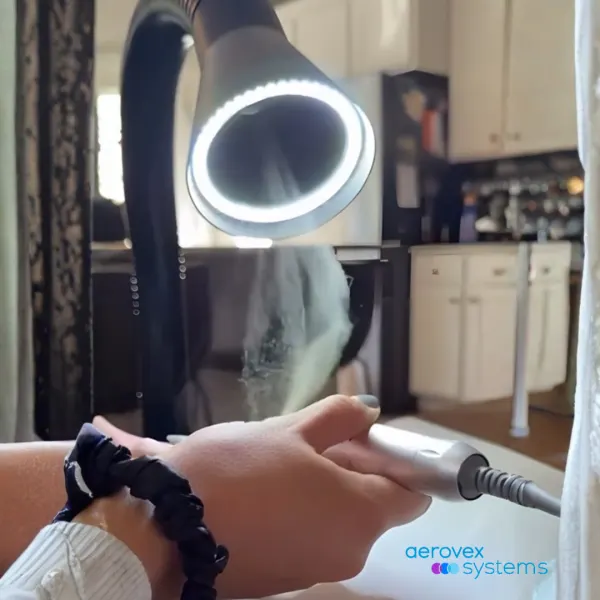
From acrylic monomers to airborne bio-dust, the air inside a nail salon carries risks most professionals never see coming. Aerovex Systems reveals the source-capture and room-purification strategies that are setting a new standard for salon safety.
Working in beauty doesn’t have to hurt. Learn how Somatic Movement helps hairstylists, lash artists, and other beauty pros release tension, improve posture, and extend their careers.
As a spa or salon professional, your clients expect more than just beauty—they expect safety, hygiene, and peace of mind. Fungal infections like Athlete’s Foot and Nail Fungus are more common than you think, especially in environments where tools and footbaths are reused without proper sanitation. This blog covers how to stop these issues before they start, using proven infection prevention strategies for salons and spas.
A federal initiative aimed at studying chemical exposure in nail salons has ended due to staffing and budget changes. Here’s what the project set out to do—and what its conclusion means for salon professionals.
For many people, a pedicure is a relaxing beauty ritual. But what most don’t realize is that this simple service, if done without proper hygiene and sanitation, can cause serious infections and long-term health issues.
Onycholysis is the separation of the nail plate from the nail bed. While it may look painful, it typically isn’t—at least not at first. But without proper care, this common nail disorder can lead to infections, deformities, and long-term damage.
Mckenzie Kool, Psychologist, MC, RPsych provides us with guidance on what may or not be helpful in speaking with someone who has suffered a significant loss.
Clients come to you to feel their best—not leave with a viral souvenir. Warts and cold sores can spread fast in busy salons, but a few smart habits make all the difference. Let’s talk about what’s really lurking in your salon (and how to kick it to the curb).
As Earth Day approaches, The Green Beauty Community Foundation and the Green Spa Network invite beauty pros to step forward and embrace sustainability through the Green Pledge--a powerful initiative designed by and for beauty industry leaders.
Don’t cancel Valentine’s Day altogether, urges Jill Palmquist. Instead, think of it as a (frilly, flowery, Champagne-bubbly) wake-up call to fall deeply in love with your own life.
Life coach and Culture Ambassador of Sam Villa, Andrew Carruthers, outlines how to tell if your burnout is temporary - or if it's time to make a bigger career change.