Despite taking every precaution, some individuals seem to develop a sensitivity to air contaminants, making it difficult for them to work around vapors and dust by adopting a few sound occupational health practices
by Staff
November 16, 1994
5 min to read
The ocean of air in which we live, work, and breathe is full of tiny dust particles and vapors. Even in clean air, a typical breath you take in contains millions of small particles and a variety of vapors. Our lungs possess many impressive defenses that usually prevent these particles and vapors from harming us, but when large amounts of certain contaminants are in the air, they by-pass those defenses. As a result, health problems can arise.
Keeping the salon air clean comes from good housekeeping and providing plenty of fresh air. You can further protect yourself by maintaining good general health and wearing an effective dust mask. Still, despite taking every precaution, some individuals seem to develop a sensitivity to air contaminants, making it difficult for them to work around vapors and dust by adopting a few sound occupational health practices
Ad Loading...
What Are Vapors and Dust?
When a liquid evaporates into air, it doesn’t just disappear into nothing: it is converted into a vapor, which consists of airborne molecules too small to see. The tendency for a liquid to evaporate (What is called its volatility) is one factor that determines how much vapor it will put into the air. Liquids such as cooking oils and lubricating oils are not very volatile, so they produce little vapor. Solvents and chemicals used in nail salons (such as toluene, xylene, acetone, and ammonia) are more volatile and will readily vaporize when left in an open container.
Sometimes vapors are readily apparent because of a distinctive odor. But just because you can’t smell anything doesn’t mean there are no vapors present. The human nose is not equally sensitive to all chemicals, and some vapors deaden your sense of smell, meaning you won’t smell them after just a few minutes of exposure.
The vapors from chemicals used in the salon aren’t lethal; but some of them can inflame the delicate membranes of the eyes, nose, and lungs. This irritation will cause a burning or itching sensation, which is a warning sign that you need to reduce your exposure to that product before any serious damage is done. Headaches and nausea are other warning signs to reduce your exposure to vapors.
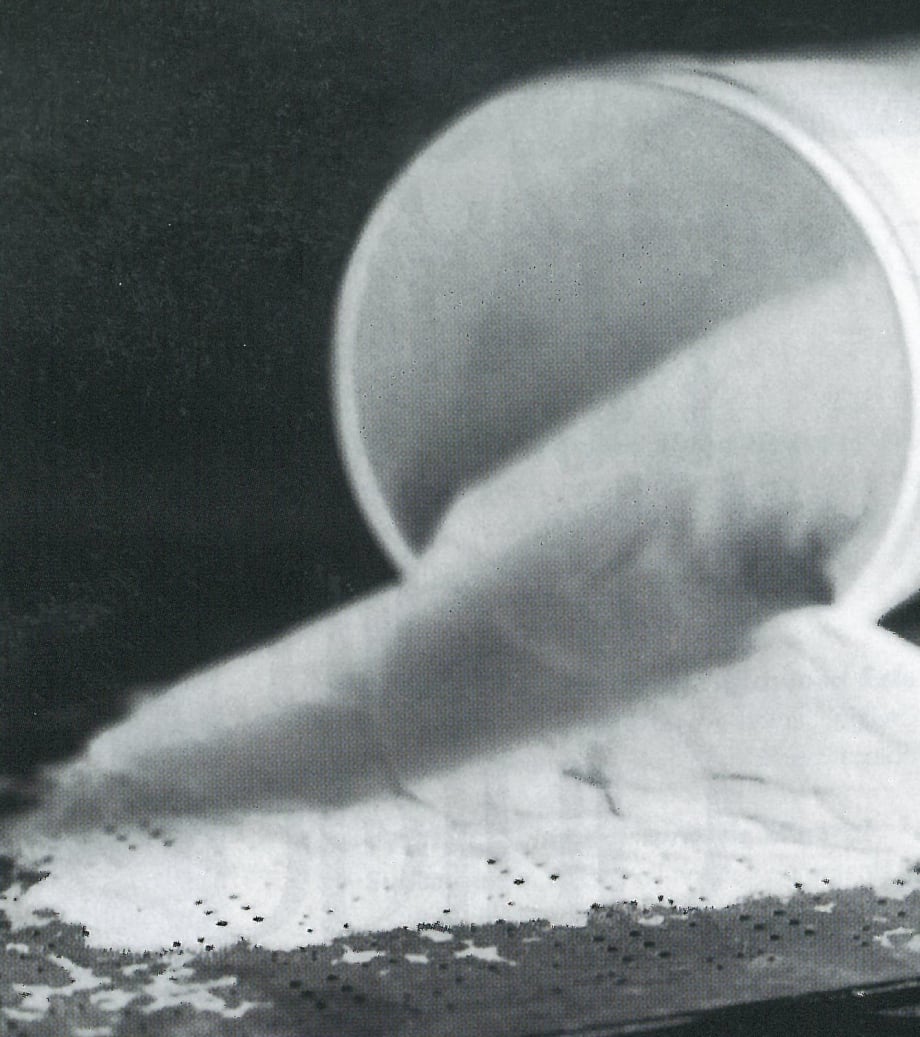
Dust, another common salon nuisance, is also invisible. Dust is made up of tiny solid particles that are always present in the air. Dust can come from our skin, clothes, spray products, insects, molds, and powders, just to name a few sources. Most dust is not harmful in normal concentrations, but a high enough concentration of any type of dust in the air can cause coughing, membrane irritation, and, in extreme cases, asthma, and lung disease.
Ad Loading...
Acrylic powder dust is safe in low concentrations in the air, but prolonged exposure to high concentrations of it can cause eye irritation, sneezing, coughing, and tightness or pain in the chest. These warning signs should be taken seriously-they are your warning to clean up the air.
You can control vapors and dust in the salon by observing a few sound principles of occupational hygiene. First, and most important, make sure your work area is well-ventilated; that is, that your ventilation system adequately removes contaminated air and replaces it with fresh air. You should develop good work habits, including tightly covering product containers when they are not in use, using as small a quantity of a chemical as possible, and keeping your work area clean. If you spill product, promptly wipe it up and dispose of product-soaked paper towels in sealed container. (Tossing them into an open trash can allows the chemicals to evaporate from the paper towels, contaminating the air.)
Some nail Technicians like to wear dust masks, while others say it scares clients. Personally, I think wearing a mask is a good habit, but be aware that a dust mask doesn’t prevent you from inhaling vapors; for that you need a special mask such as a charcoal-impregnated mask.
When selecting a mask, look for comfort, a tight fit around the edges, and filtration efficiency. A flimsy painter’s-type mask that fits loosely might only reduce your dust exposure by 10% or less. A thicker mask, with two elastic straps, an adjustable contour or soft nose seal, and a good facial fit, can trap almost all the dust. Some masks even have a small exhalation flap so the seal around the face is not disturbed when you breathe out forcefully. Many people find that it takes some time to get used to wearing a good mask, but the patience and effort spent adapting to it are worthwhile.
In addition to controlling airborne vapors and dusts and wearing a mask, you can protect yourself in other ways. The healthier you are in the first place, the better your resistance is to developing health problems from air contaminants. People who smoke heavily seem more prone to develop occupational illnesses from dust, for example, so you should cut down on your smoking or stop completely. Your lungs also benefit from regular exercise and living in a home that is as free of dust as possible. A healthful diet and plenty of rest are also important for your health. Finally, awareness of health and lifestyle issues, in addition to air quality, are signs of a professional attitude, as well as the means for preventing harm from vapors and dust.
Ad Loading...
Minimize Your Exposure to Vapors and Dust.
Have adequate air flow around the workstation.
Dispose of soiled tissues and cotton in a sealed container.
Tightly cap solvents and powders when you’re not using them.
Uncured gel polish and microscopic e-file dust contain active acrylates that penetrate the skin, triggering permanent contact dermatitis. Learn the chemistry behind these irritants and how to protect your clients and yourself.
The Good Patch is a leading wearable wellness patch brand, offering wellness and skincare patches that support everyday needs including energy, sleep, relaxation and more.
Orthopedic PT reveals three daily exercises plus ergonomic advice that can help salon professionals avoid the aches and injuries caused by standing, bending and repetitive overhead work.
From acrylic monomers to airborne bio-dust, the air inside a nail salon carries risks most professionals never see coming. Aerovex Systems reveals the source-capture and room-purification strategies that are setting a new standard for salon safety.
Working in beauty doesn’t have to hurt. Learn how Somatic Movement helps hairstylists, lash artists, and other beauty pros release tension, improve posture, and extend their careers.
As a spa or salon professional, your clients expect more than just beauty—they expect safety, hygiene, and peace of mind. Fungal infections like Athlete’s Foot and Nail Fungus are more common than you think, especially in environments where tools and footbaths are reused without proper sanitation. This blog covers how to stop these issues before they start, using proven infection prevention strategies for salons and spas.
A federal initiative aimed at studying chemical exposure in nail salons has ended due to staffing and budget changes. Here’s what the project set out to do—and what its conclusion means for salon professionals.
For many people, a pedicure is a relaxing beauty ritual. But what most don’t realize is that this simple service, if done without proper hygiene and sanitation, can cause serious infections and long-term health issues.
Onycholysis is the separation of the nail plate from the nail bed. While it may look painful, it typically isn’t—at least not at first. But without proper care, this common nail disorder can lead to infections, deformities, and long-term damage.
Mckenzie Kool, Psychologist, MC, RPsych provides us with guidance on what may or not be helpful in speaking with someone who has suffered a significant loss.
Clients come to you to feel their best—not leave with a viral souvenir. Warts and cold sores can spread fast in busy salons, but a few smart habits make all the difference. Let’s talk about what’s really lurking in your salon (and how to kick it to the curb).
As Earth Day approaches, The Green Beauty Community Foundation and the Green Spa Network invite beauty pros to step forward and embrace sustainability through the Green Pledge--a powerful initiative designed by and for beauty industry leaders.
Don’t cancel Valentine’s Day altogether, urges Jill Palmquist. Instead, think of it as a (frilly, flowery, Champagne-bubbly) wake-up call to fall deeply in love with your own life.
Life coach and Culture Ambassador of Sam Villa, Andrew Carruthers, outlines how to tell if your burnout is temporary - or if it's time to make a bigger career change.