6 Ways Self-Love Will Help You Crush Your Goals
From breaking free of external validation to creating joy-based goals, discover a more sustainable and fulfilling path to success.
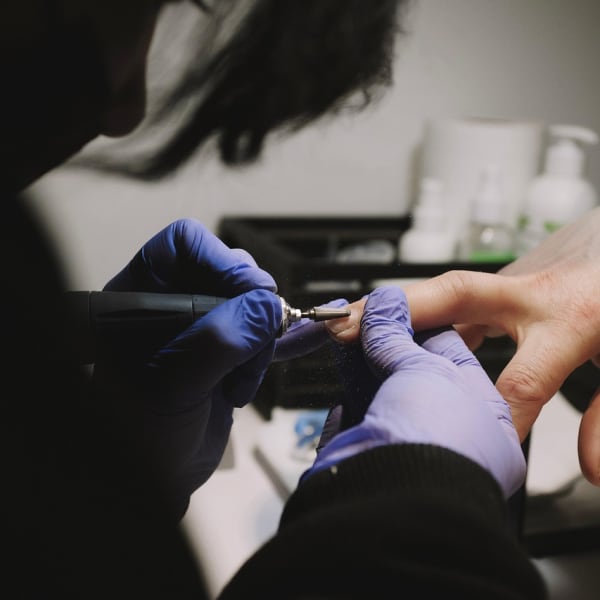
An informal polling of NAILS’ readers reveals that just a small percentage of clients take the precaution of bringing their own tools or purchasing them at the salon.
For years now the media has been telling consumers that nail salons can be a dangerous place. The medical community has been echoing this message and advising wary salon-goers to bring their own tools and implements. The question is: Are consumers listening?
An informal polling of NAILS’ readers reveals that just a small percentage of clients take the precaution of bringing their own tools or purchasing them at the salon. For the most part, salons that stress their own sanitation practices have clients who feel comfortable with them. As you’ll read, we don’t mind if clients provide their own tools, but we still do everything in our power to make it unnecessary.
Linda Cusimano, My Place for Nails, Tulsa Okla.: I will gladly use whatever my clients want me to use on them, but because I supply each of my clients with their own personal client healthcare pack, it’s not an issue. By providing the packs myself, I have control over the quality of the tools in the package. It’s theirs even if they don’t want one. They have no choice. The cost is included in my service charge.
Jill Wright, Jill Wright Spa for Nails, Bowling Green, Ky.: None of my clients bring in their own tools; although printed on my salon menu is a paragraph offering them that option. They see me scrub and sanitize everything, so they feel secure. For my regular clients, I have individual manila envelopes with their files, buffers, orangewood sticks, toe separators, and nail brushes. But I wouldn’t be insulted if a new client wanted to bring her own tools.
Millie Haynam, Natural Beauty Salon, Twinsburg, Ohio: I had a client bring in implements once. She asked if I minded using the nippers she pulled out of her purse. I said, “No, not if you don’t mind if I disinfect them. I know my implements are disinfected properly, I don’t know if yours are. I disinfect implements for my safety as well as yours.” She never asked again.
Ruth Windsor, Visions Spa Salon, Novi, Mich.: None of my clients bring in their own tools because all of my implements are 100% washable and are disinfected. However, I do have a lot of clients who travel, and I have told them to carry their own tools.
Mary Metscaviz, Awesome Nails, Grayslake, III.: Never, in the eight years my salon has been open, has anyone ever asked to use her own implements. I think that speaks highly about our sanitation procedures. I clean and disinfect all my implements in front of each client, so they all know we use proper sanitation.
Cindy Wentzel, Nails at the Carriage House, Newmanstown, Pa.: My clients do not bring their own implements. My regular clients know that I practice a high level of sanitation and disinfection. I also throw away every file or give it to the client, which is state law in Pennsylvania. Even if I were to use the client’s own file, there’s no guarantee there’s no bacteria on it.
Faith Glionna, Cuticles Salon, Indialantic, Fla.: I’d estimate that of my 100 clients, five of them request their own tools. I will sell them an implement pack—this way I don’t have to work with inferior files, foot buffers, and nippers. It doesn’t offend me in the least. As I tell them, I use all the proper sanitary practices and products, and above all I don’t want to catch anything from anyone either.
Tiffany Greco, Hair Addix, Carlsbad, Calif.: None of my clients feel the need to bring their own implements, however, I would not be offended by this considering the fear that is surrounding our industry. It is our responsibility to be well-educated about and practice proper sanitation/disinfection to calm their fears. I also think is the best advertising angle for nail professionals right now. Anyone can discount a service to get people in the door, but promising proper sanitation makes for very loyal clientele.


From breaking free of external validation to creating joy-based goals, discover a more sustainable and fulfilling path to success.

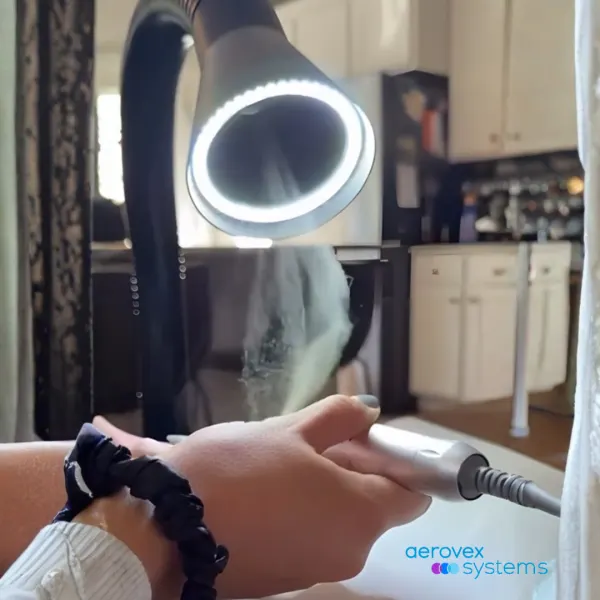
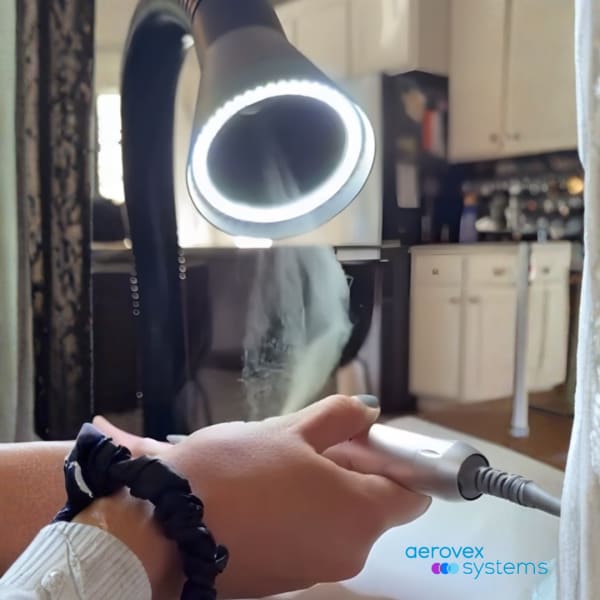
From acrylic monomers to airborne bio-dust, the air inside a nail salon carries risks most professionals never see coming. Aerovex Systems reveals the source-capture and room-purification strategies that are setting a new standard for salon safety.
Sponsored by Aerovex Systems

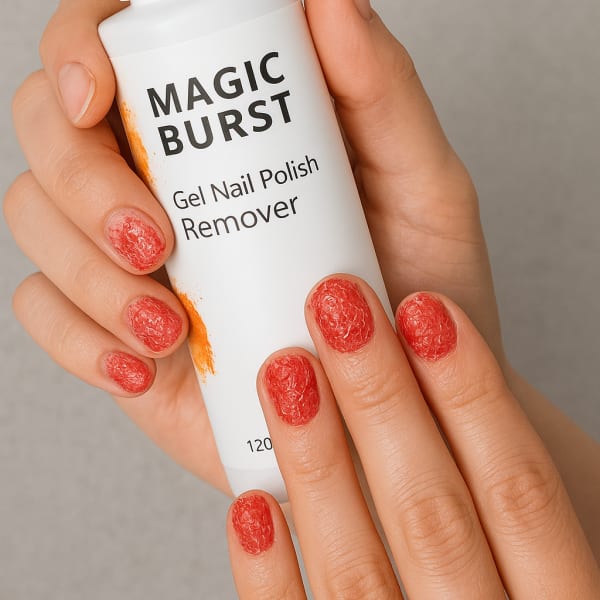
Products marketed as 'magic' or 'burst' gel removers may contain methylene chloride, a federally banned, highly toxic chemical.

Working in beauty doesn’t have to hurt. Learn how Somatic Movement helps hairstylists, lash artists, and other beauty pros release tension, improve posture, and extend their careers.

As a spa or salon professional, your clients expect more than just beauty—they expect safety, hygiene, and peace of mind. Fungal infections like Athlete’s Foot and Nail Fungus are more common than you think, especially in environments where tools and footbaths are reused without proper sanitation. This blog covers how to stop these issues before they start, using proven infection prevention strategies for salons and spas.

A federal initiative aimed at studying chemical exposure in nail salons has ended due to staffing and budget changes. Here’s what the project set out to do—and what its conclusion means for salon professionals.

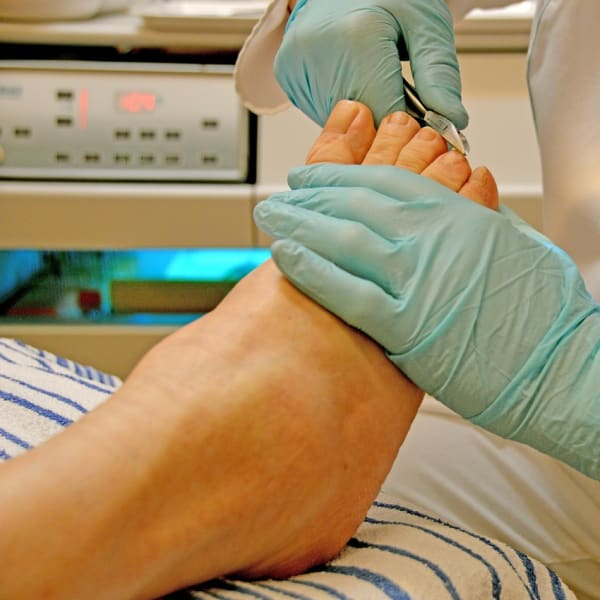
For many people, a pedicure is a relaxing beauty ritual. But what most don’t realize is that this simple service, if done without proper hygiene and sanitation, can cause serious infections and long-term health issues.

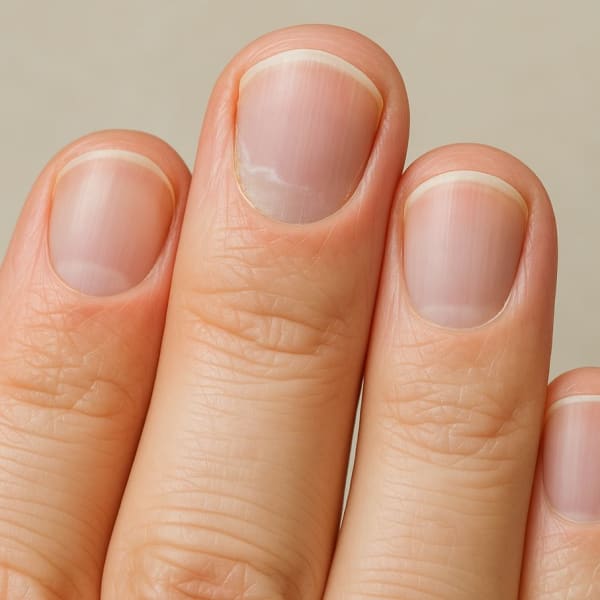
Onycholysis is the separation of the nail plate from the nail bed. While it may look painful, it typically isn’t—at least not at first. But without proper care, this common nail disorder can lead to infections, deformities, and long-term damage.

Mckenzie Kool, Psychologist, MC, RPsych provides us with guidance on what may or not be helpful in speaking with someone who has suffered a significant loss.

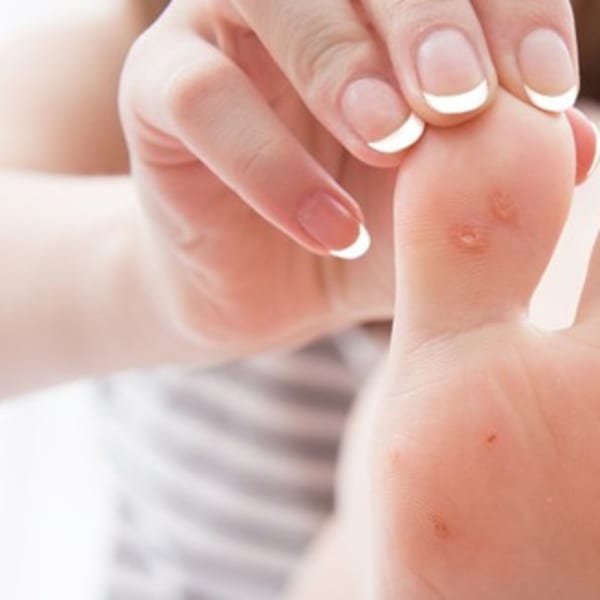
Clients come to you to feel their best—not leave with a viral souvenir. Warts and cold sores can spread fast in busy salons, but a few smart habits make all the difference. Let’s talk about what’s really lurking in your salon (and how to kick it to the curb).

As Earth Day approaches, The Green Beauty Community Foundation and the Green Spa Network invite beauty pros to step forward and embrace sustainability through the Green Pledge--a powerful initiative designed by and for beauty industry leaders.

Don’t cancel Valentine’s Day altogether, urges Jill Palmquist. Instead, think of it as a (frilly, flowery, Champagne-bubbly) wake-up call to fall deeply in love with your own life.

Life coach and Culture Ambassador of Sam Villa, Andrew Carruthers, outlines how to tell if your burnout is temporary - or if it's time to make a bigger career change.

Cancer treatment can create very specific challenges for your guest when it comes to hair, skin, and also nails. Here are some tips for working with your salon client who is going through cancer treatment to help you provide a relaxing, enjoyable, and also safe experience.

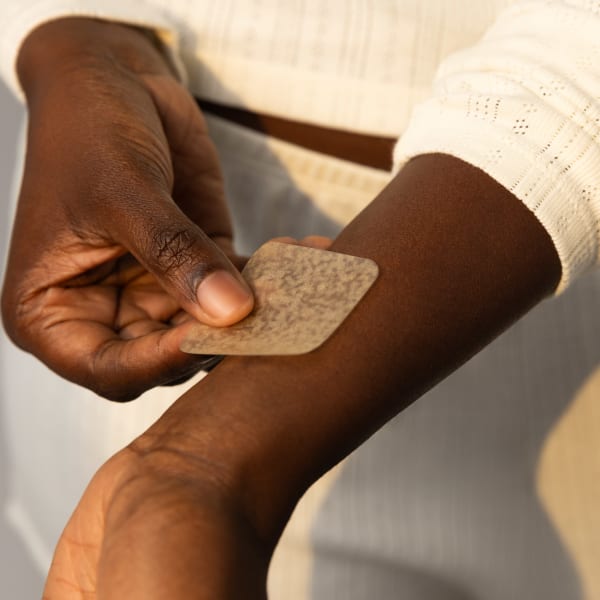
For those clients concerned about exposure from UV lamps, the Sun Patch might be a solution. Sun Patches are waterproof, reusable (up to 10 wears) block 98% of UVA/UVB rays, and maintain their UPF 50+ rating all day long.

One of the most common conditions that affects the nail is onycholysis, which is the separation of the nail plate from the nail bed. Onycholysis occurs as a result of or along with a great variety of nail traumas and disorders. Probably the most common cause of onycholysis is a fungal infection of the nail.

Hairdressing is a physically taxing career integrating simple stretches into your daily routine can reduce the strain repetitive motion puts on your body, help you stay flexible and strong and eventually prolong your career.