Feet Smarts: When to Refer Your Client to a Podiatrist
As a nail tech, you’ve probably seen your share of calluses, ingrown nails, fungi, and other yucky foot ailments. But how do you know when to declare “hands off” and refer your client to a podiatrist?
Now more than ever, nail techs are seeing a wide variety of foot and nail ailments in the salon. Because of an aging population, increased rates of diabetes, and stressful lifestyles, more and more people are having foot-related problems. These people are coming to nail techs seeking advice and resolution. “I like to refer to these pedicurists as ‘first liners,’ because frequently they are the first to see these problems before any medical professional,” says Debra Bourque, BSc.Pod, CPod, CMP, executive director of member services for the International Pedicure Association (IPA).
Vicki Malo, president of North American School of Podology (NASP), concurs. “There are increasing numbers of diabetic, senior, and immune-compromised clients opting for pedicures,” Malo says. “It’s therefore imperative that technicians have advanced training and know how to proceed with a safe pedicure.”
Both Bourque and Malo agree it is vital for nail techs to understand and implement the 3R’s of safe pedicuring:
1. Recognize the issue being presented. 2. Recommend the proper pedicure service, products, and home maintenance. 3. Refer the client to a medical professional when necessary.
Here are the most common foot and nail ailments seen in salons, along with recommendations from Bourque and Malo for safe pedicuring and home management:
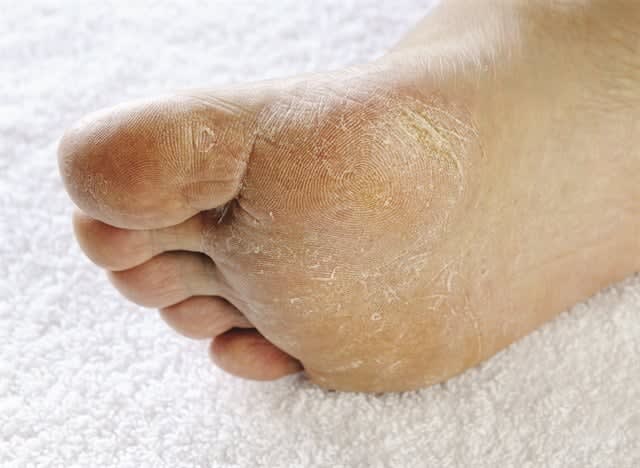
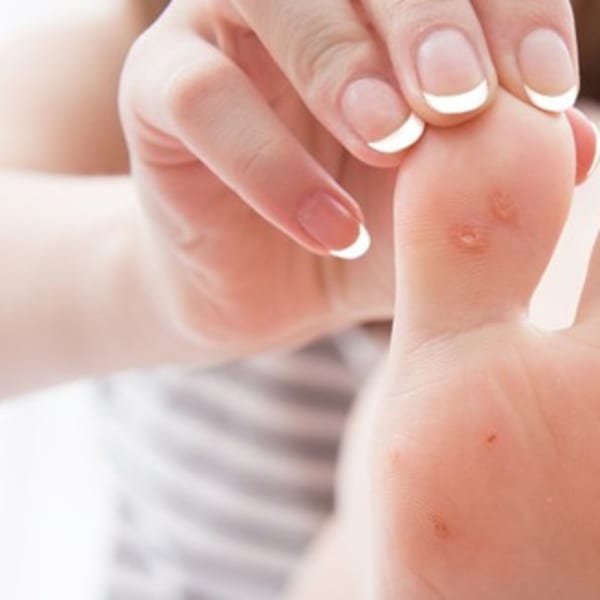
Problem: Tinea pedis (fungal infection of the feet, or “athlete’s foot”) Description: Dry, rough, red, itchy peeling skin on the bottom of the feet and/or between the toes. What to do: Technicians should not diagnose, only recognize and recommend. If they suspect a client has a fungus, they must refer her to a physician. Do not perform salon service if broken skin is present. Advise your client to keep her feet clean and dry, and use a nonocclusive antifungal product daily or as prescribed by a doctor.
Ad Loading...
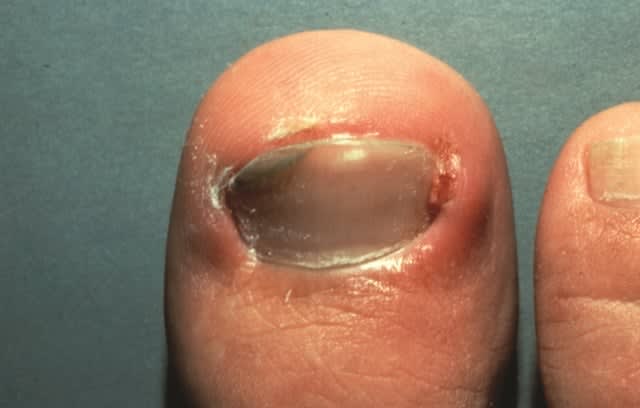
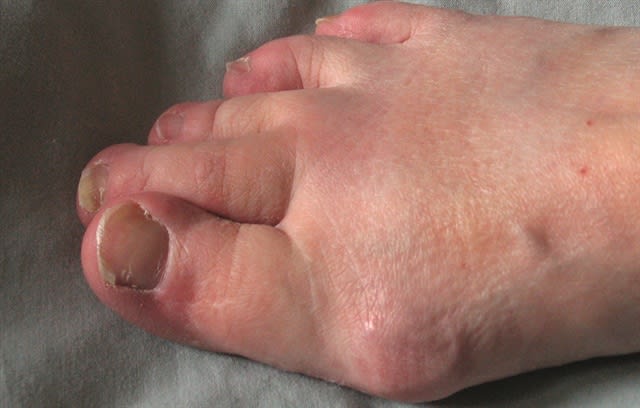
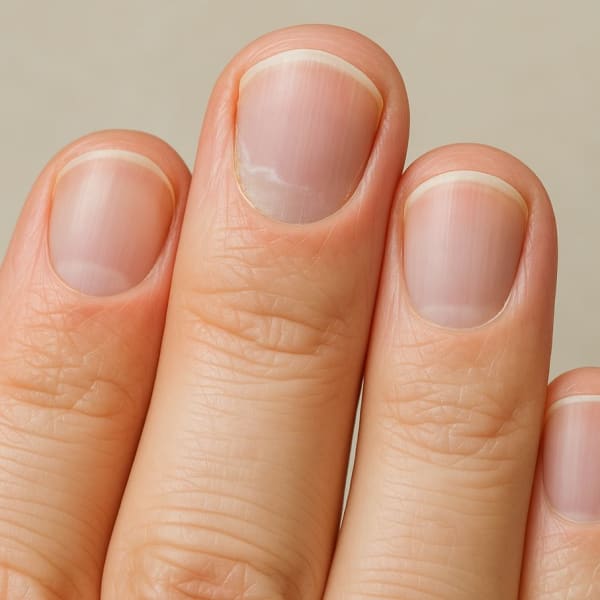
Problem: Onychomycosis (fungal infection of the nail plate) Description: The nail can be thickened and/or crumbly and often has yellow, white, or brown discoloration. The cuticle may appear red, and there may be significant debris under the nail and the surrounding nail folds. What to do: Salon service is not recommended while the fungus is live/active. Advise your client to see a doctor, who will likely prescribe a topical antifungal, oral medication, and/or laser treatments.
Problem: Ingrown nails Description: A condition where the nail penetrates the surrounding skin. An ingrown nail usually affects only one side of the finger or toe. Once the nail has penetrated the skin, bacteria can get into the cut and the area is at risk for infection. What to do: Do not perform service if the skin is broken or there are signs of infection; instead, refer your client to a doctor. If the condition is mild enough, use flat-edged nippers to remove the piece of nail cutting into the skin, and file. You can also apply a BS Brace enhancement to provide immediate pain relief. Advise your client to wear shoes that allow her toes to move around.
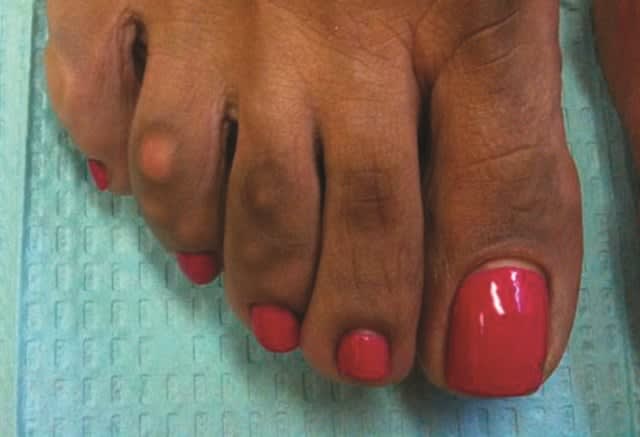
Problem: Pedal Keratosis (calluses and corns) Description: A hard thickening of the skin on the bottom of the feet (callus) or on or near a toe (corn). What to do: Use a non-aggressive hydrating callus softener and carefully reduce the callus to a safe level. (Never use a credo blade, even if they are legal in your state.) Advise your client to use a non-occlusive moisturizing formula daily and wear proper fitting shoes with orthotic supports if necessary. Don’t attempt to reduce a corn.
Problem: Fissure (deeply cracked heels) Description: A deep crack in the skin that penetrates the dermis. What to do: If no blood is present, soak with a moisturizing foot soak (no salts), carefully reduce the callus, and apply a non-occlusive moisturizing formula to keep the skin soft.
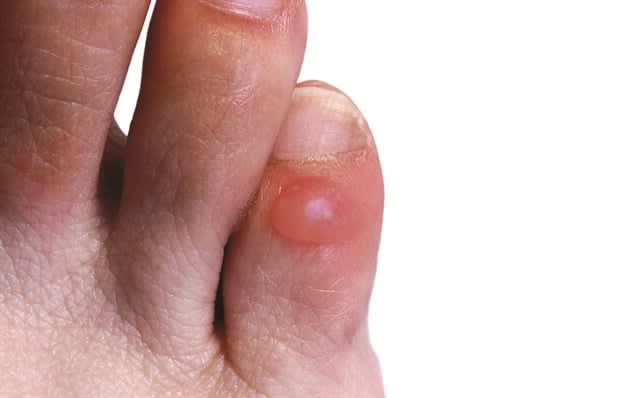
Problem: Bulla (blister) Description: A fluid-filled bubble between the layers of the skin What to do: Do not break or puncture; avoid the area during pedicure service. Advise your client to keep the area clean, avoid continued rubbing on the affected area, and wear proper fitting shoes.
Ad Loading...
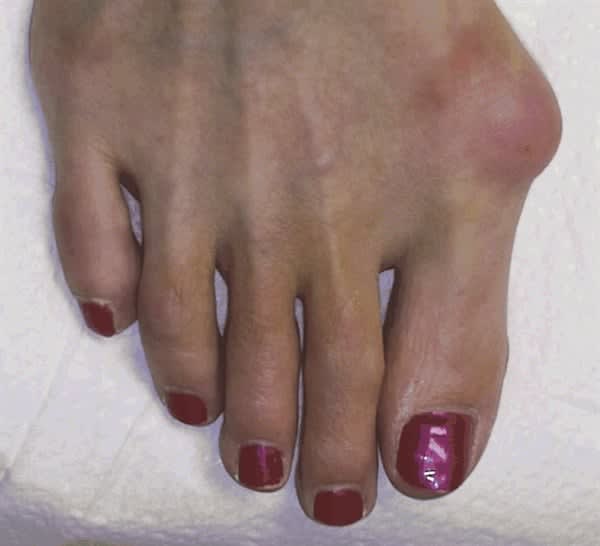
Problem: Digital deformities Description: Dropped arches, bunions, Haglund’s deformity (pump bump), hammertoe What to do: Bourque advises pedicuring as usual, using caution when massaging, as bones may be rigid and painful. Encourage client to use non-occlusive moisturizer daily, wear shoes with additional room to accommodate deformities, and possibly use orthotic support and toe props for comfort and stability.
Problem: Thickened toenails Description: Thicker than average toenails caused by friction or trauma on the delicate matrix (where the nail grows from). What to do: Carefully reduce the nail just enough for a good esthetic. If the nails are fungal, refer the client to a podiatrist.
Technicians should never:
> Work on anything infected (red, inflamed, warm to touch, oozing) > Work on any bleeding, broken skin or open wounds > Work on or reduce a discolored / brownish callus > Break or pop a blister > Remove a foreign object from the foot > Work on active mycotic/fungal nails > Work on any client presenting with something they cannot recognize. (When in doubt send it out!)
If any of these situations are present, always refer to a medical professional for proper treatment to ensure the safety of clients and to prevent potential lawsuits. When it comes to what a technician can ‘safely’ work on, it depends on individual State Board rules and regulations, Bourque says.
Footlogix Cracked Heel Formula: Designed for severely cracked heels and fissures, this formula moisturizes and protects extremely callused, cracked skin. The formula is permeable, allowing skin to return to its natural functions (important for diabetics).
Ad Loading...
Gehwol Med Lipidro Cream: Formulated with avocado oil, sea buckthorn oil, urea, glycerin, and algae extracts, this cream moisturizes the skin and helps protect against itching and fungal infections.
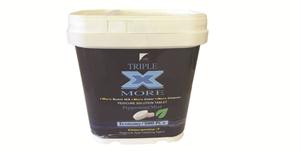
Cory Labs Triple XXX Pedicure Solution Tablets: Containing natural minerals, anti-inflammatory properties, and natural moisturizing and essential oils, this pedicure soak tablet soothes, hydrates, and deodorizes the feet.
Blaine Labs Vite 20 Antifungal Cream: Tea tree oil, lavender, and undeclynic acid work together in this concentrated cream to kill the fungi that causes fungal nails. It also soothes and moisturizes the skin
Uncured gel polish and microscopic e-file dust contain active acrylates that penetrate the skin, triggering permanent contact dermatitis. Learn the chemistry behind these irritants and how to protect your clients and yourself.
The Good Patch is a leading wearable wellness patch brand, offering wellness and skincare patches that support everyday needs including energy, sleep, relaxation and more.
Orthopedic PT reveals three daily exercises plus ergonomic advice that can help salon professionals avoid the aches and injuries caused by standing, bending and repetitive overhead work.
From acrylic monomers to airborne bio-dust, the air inside a nail salon carries risks most professionals never see coming. Aerovex Systems reveals the source-capture and room-purification strategies that are setting a new standard for salon safety.
Working in beauty doesn’t have to hurt. Learn how Somatic Movement helps hairstylists, lash artists, and other beauty pros release tension, improve posture, and extend their careers.
As a spa or salon professional, your clients expect more than just beauty—they expect safety, hygiene, and peace of mind. Fungal infections like Athlete’s Foot and Nail Fungus are more common than you think, especially in environments where tools and footbaths are reused without proper sanitation. This blog covers how to stop these issues before they start, using proven infection prevention strategies for salons and spas.
A federal initiative aimed at studying chemical exposure in nail salons has ended due to staffing and budget changes. Here’s what the project set out to do—and what its conclusion means for salon professionals.
For many people, a pedicure is a relaxing beauty ritual. But what most don’t realize is that this simple service, if done without proper hygiene and sanitation, can cause serious infections and long-term health issues.
Onycholysis is the separation of the nail plate from the nail bed. While it may look painful, it typically isn’t—at least not at first. But without proper care, this common nail disorder can lead to infections, deformities, and long-term damage.
Mckenzie Kool, Psychologist, MC, RPsych provides us with guidance on what may or not be helpful in speaking with someone who has suffered a significant loss.
Clients come to you to feel their best—not leave with a viral souvenir. Warts and cold sores can spread fast in busy salons, but a few smart habits make all the difference. Let’s talk about what’s really lurking in your salon (and how to kick it to the curb).
As Earth Day approaches, The Green Beauty Community Foundation and the Green Spa Network invite beauty pros to step forward and embrace sustainability through the Green Pledge--a powerful initiative designed by and for beauty industry leaders.
Don’t cancel Valentine’s Day altogether, urges Jill Palmquist. Instead, think of it as a (frilly, flowery, Champagne-bubbly) wake-up call to fall deeply in love with your own life.
Life coach and Culture Ambassador of Sam Villa, Andrew Carruthers, outlines how to tell if your burnout is temporary - or if it's time to make a bigger career change.