As a nail tech, you may have at one time suffered from product-related allergies. From itchy, dry cuticles, to burning skin and eczema, symptoms caused by allergies to common ingredients can range from mild to severe. Learn to spot these aggravating symptoms and treat them accordingly.
Expert Opinion: Nail techs often suffer from skin or respiratory allergies to nail products; these allergies differ from hypersensitivities, as they develop over time rather than being immediate. According to Chris Adigun, M.D., and member of Dermelect’s board of advisors, nail techs are especially at risk. “Interestingly, one of the ways our skin immune system works is that we actually develop allergies to products we are more frequently exposed to and use regularly. This gives our immune system time to ‘learn’ these products, and then cause symptoms. This is a common complaint from nail techs and can be occupationally very difficult.”
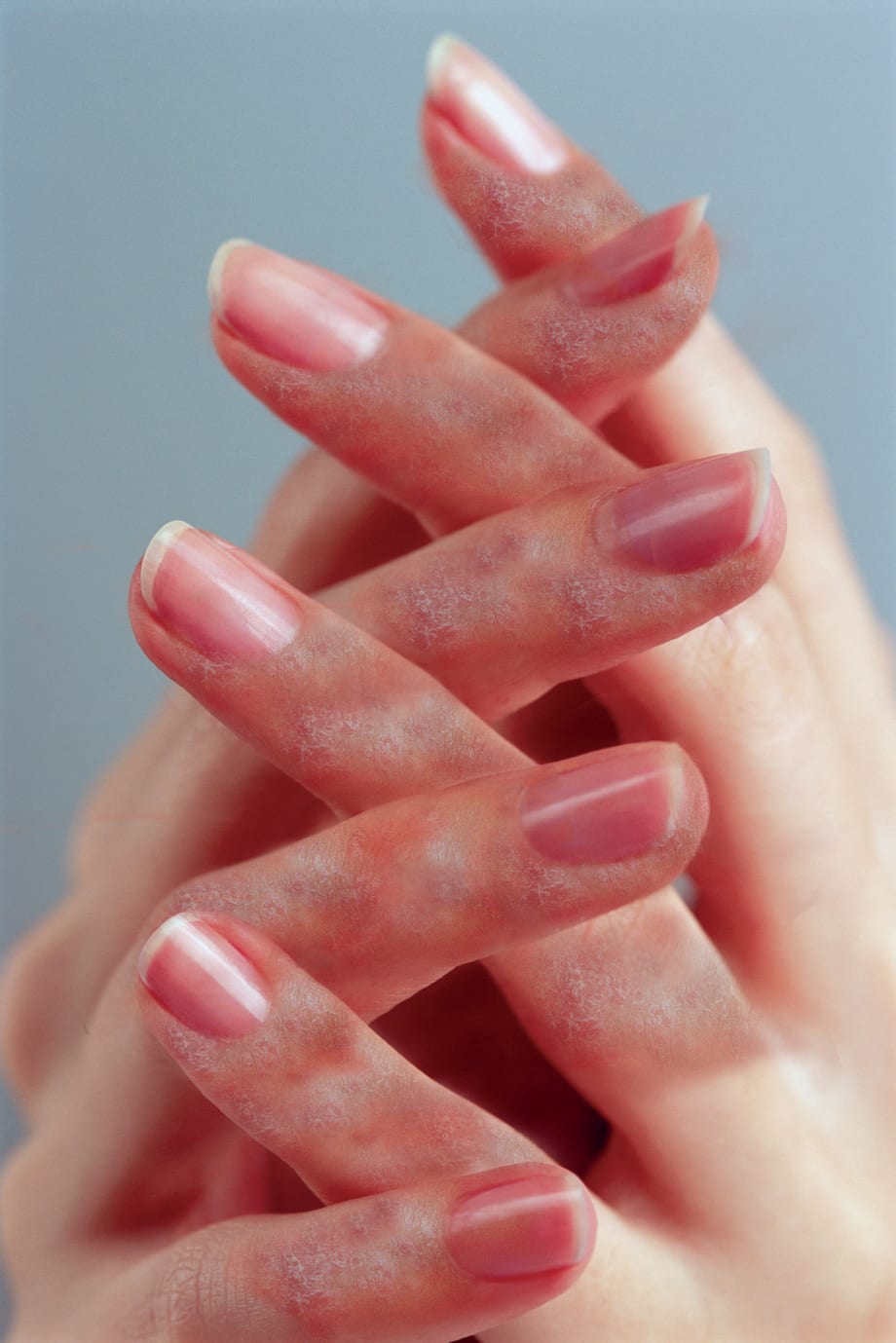
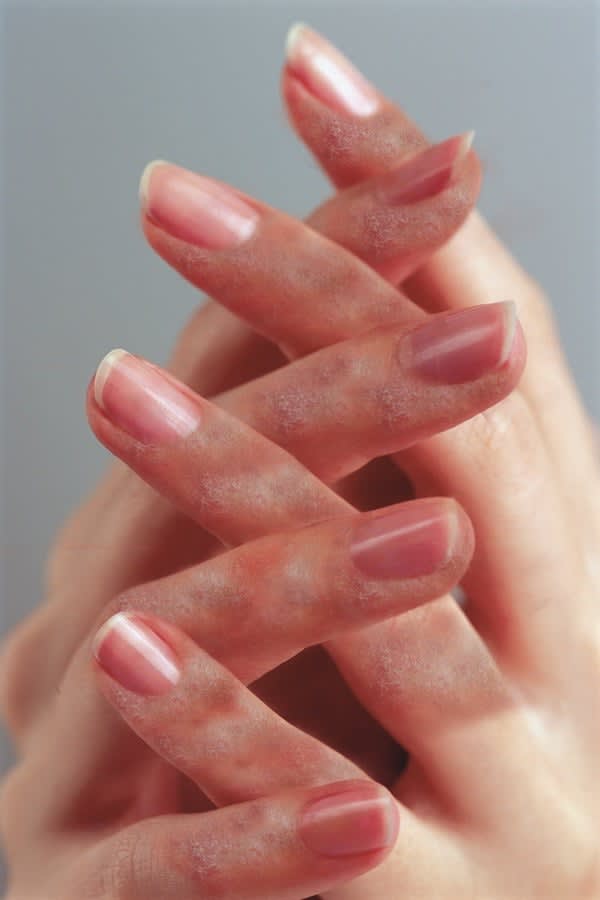
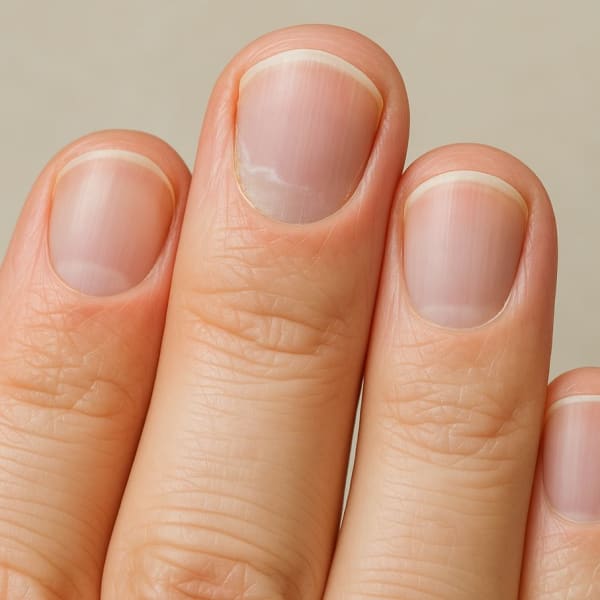
It’s important to be aware of allergies as soon as they develop. “Symptoms of ACD (allergic contact dermatitis) caused by nail products usually occur days after exposure,” explains Dana Stern, M.D., board-certified dermatologist and assistant clinical professor of dermatology at the Mount Sinai Medical Center.” Symptoms may show up as redness and swelling, blisters, crusting, lifted nails, fingertip tenderness, and/or eyelid, mouth, or neck rash.”
Components of all types of nail products can cause ACD, says Adigun. The most common of these is tosylamide/formaldehyde resin, which is found in nail lacquers and nail hardeners. “This chemical is notorious for inducing ACD in those exposed to it,” Addigan says. “And symptoms can arise after the tech comes into contact with either wet or dry enamel.”
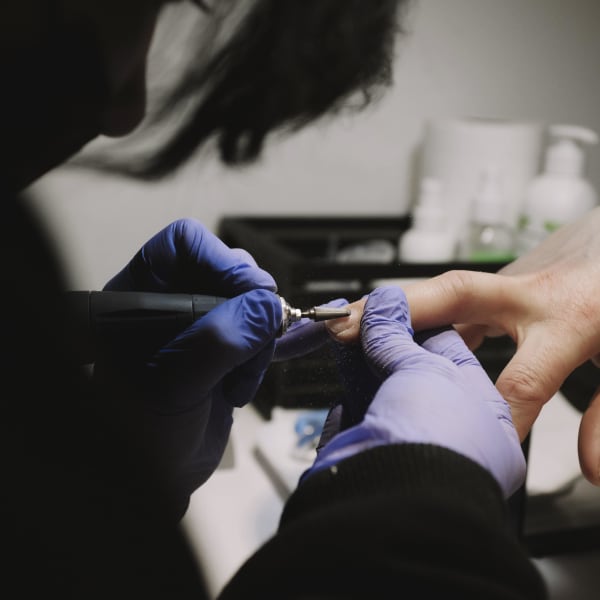
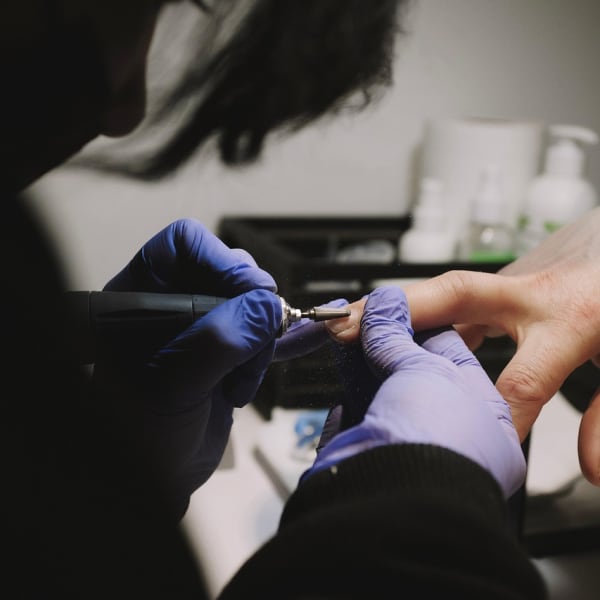
According to Adigun, other common products found in the salon that contain potentially allergenic chemicals are nail lacquers and hardeners (formaldehyde and nickel) UV-cured traditional nail gels and shellacs (uncured methacrylate or acrylate oligomers and monomers), acrylic nails and primers (methyl methacrylate monomer [MMA]), and cuticle removers. Additionally, some chemicals/filings, such as dust from acrylics and fumes from glues, can cause respiratory allergies and asthma, especially if the salon has poor ventilation. Tips for preventing and treating salon allergies:
> Avoid any nail product coming into contact with your skin, and wash your hands thoroughly prior to touching your face or eye area. > Avoid any contact with the filings or dusts of incompletely cured monomers (such as those in gels/shellacs). To avoid exposure to filings/dusts, wearing a mask is recommended. > Make sure your salon has adequate ventilation to protect from these. If possible, work near an open window or door. > If you suddenly develop allergic symptoms, seek medical attention. If you wear enhancements, do not soak them off until you have seen a dermatologist to calm the reaction. > If allergic symptoms do not dissipate after taking all precautions, you may need to consider promoting your business as all-natural/no acrylics. There are also five-free and phthalate-free products available that allow nail techs to be able to continue to use high-performance nail products without the worry of sensitization or irritation.
Suggested Reading: Nail Structure and Product Chemistry This classic tome by industry expert Doug Schoon is the definitive book of fact-based information about natural and artificial nails. It supplies information about nail allergies/dermatology and products as well toxicology, anatomy and physiology, chemistry, physics, and materials science in a readable, easy-to-understand format. www.schoonscientific.com
Ad Loading...
Tech Tips: Ventilation is a must. Use a dust extractor fan in the desk, wear a face mask, and open windows where possible. If skin allergies are from products, apply petroleum jelly around the skin (careful not to get it on the actual nail, as this can affect product adhesion) so there’s no contact with the product and the skin. If all else fails use natural products. Jenny Hallas, Rose Nails, Burntwood, England
When doing acrylics, avoiding contact with the built nail even during finish and using the correct liquid-and-powder products during build is key. Wearing gloves also helps. Nitrile gloves are best, as they are thicker and less allergy-inducing than latex gloves. You should switch products the moment you begin feeling heat in your skin or even a slight itching after fills. Janet McCormick, Salon Gurus and Nailcare Academy, Fort Myers, Fla.
Uncured gel polish and microscopic e-file dust contain active acrylates that penetrate the skin, triggering permanent contact dermatitis. Learn the chemistry behind these irritants and how to protect your clients and yourself.
The Good Patch is a leading wearable wellness patch brand, offering wellness and skincare patches that support everyday needs including energy, sleep, relaxation and more.
Orthopedic PT reveals three daily exercises plus ergonomic advice that can help salon professionals avoid the aches and injuries caused by standing, bending and repetitive overhead work.
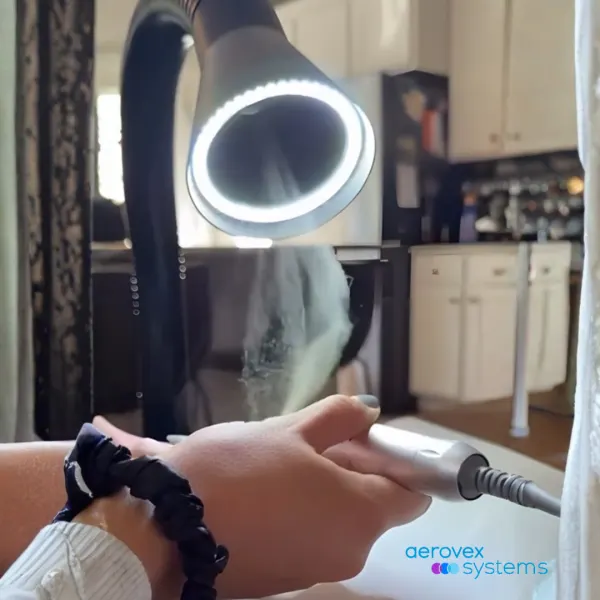
From acrylic monomers to airborne bio-dust, the air inside a nail salon carries risks most professionals never see coming. Aerovex Systems reveals the source-capture and room-purification strategies that are setting a new standard for salon safety.
Working in beauty doesn’t have to hurt. Learn how Somatic Movement helps hairstylists, lash artists, and other beauty pros release tension, improve posture, and extend their careers.
As a spa or salon professional, your clients expect more than just beauty—they expect safety, hygiene, and peace of mind. Fungal infections like Athlete’s Foot and Nail Fungus are more common than you think, especially in environments where tools and footbaths are reused without proper sanitation. This blog covers how to stop these issues before they start, using proven infection prevention strategies for salons and spas.
A federal initiative aimed at studying chemical exposure in nail salons has ended due to staffing and budget changes. Here’s what the project set out to do—and what its conclusion means for salon professionals.
For many people, a pedicure is a relaxing beauty ritual. But what most don’t realize is that this simple service, if done without proper hygiene and sanitation, can cause serious infections and long-term health issues.
Onycholysis is the separation of the nail plate from the nail bed. While it may look painful, it typically isn’t—at least not at first. But without proper care, this common nail disorder can lead to infections, deformities, and long-term damage.
Mckenzie Kool, Psychologist, MC, RPsych provides us with guidance on what may or not be helpful in speaking with someone who has suffered a significant loss.
Clients come to you to feel their best—not leave with a viral souvenir. Warts and cold sores can spread fast in busy salons, but a few smart habits make all the difference. Let’s talk about what’s really lurking in your salon (and how to kick it to the curb).
As Earth Day approaches, The Green Beauty Community Foundation and the Green Spa Network invite beauty pros to step forward and embrace sustainability through the Green Pledge--a powerful initiative designed by and for beauty industry leaders.
Don’t cancel Valentine’s Day altogether, urges Jill Palmquist. Instead, think of it as a (frilly, flowery, Champagne-bubbly) wake-up call to fall deeply in love with your own life.
Life coach and Culture Ambassador of Sam Villa, Andrew Carruthers, outlines how to tell if your burnout is temporary - or if it's time to make a bigger career change.