Science & Medicine Panelists:
Phoebe Rich, M.D., Doug Schoon, Johanna Youner, D.P.M.
This Month’s Nail Technician Experts:
Shari Finger is the owner of Finger’s Nail Studio in W Dundee, III.
Tiffany Greco is a nail technician at Hair Addix, in Carlsbad, Calif.
Patricia Yankee Williams is the owner of Pattie’s Place in Baldwin, N Y
I work with a lot of elderly people. Their natural nails are often very soft and lift from the nail bed. What is the proper treatment for this condition?
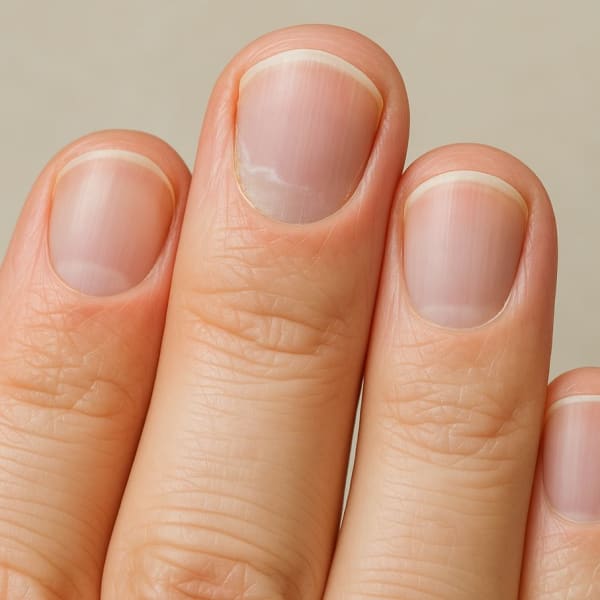
Dr. Phoebe Rich: Our nails do not escape the effects of aging. The normal changes we see in elderly nails are a decrease in growth rate, thinning of the nail plate, and lengthwise ridges (like wrinkles in the nails). Because the nails grow more slowly, there is more time for the nail to suffer exposure to harsh environmental irritants such as detergents. The longitudinal ridges are weak areas in the nail plate that can chip and nick easily.
Encourage your elderly clients to use gloves for wet work and household chores. Be careful to treat their nails gently; don’t over-use solvents like polish remover, and don’t clean too vigorously under the free edge of the nail. Moisturizing nails with a heavy moisturizer may be helpful, and biotin (a B vitamin) taken orally for at least six months is sometimes useful in strengthening brittle, fragile, and soft nails. I am not a fan of nail hardeners or lacquer- based nail strengthening treatments, especially those applied daily, because in some cases they may exacerbate the brittle nail condition.
Does the tanning bed actually cause the acrylic to yellow or is the problem the tanning lotions and bronzers put on before tanning?
Doug Schoon: Both tanning beds and lotions/bronzers can discolor artificial nails. Tanning beds emit UV light, which is responsible for the discoloration of everything from paper to paints to plastics. Artificial nails are no exception. Some artificial nails are designed to be more resistant to UV-light discoloration, but all are susceptible under the right conditions. Tanning lotions and bronzers contain ingredients that can be absorbed into the artificial nails to soften and discolor them. They can even affect nail polish in the same way. Tanning lotions are often the true reason for many sun-related discolorations of the artificial nail. It is probably best to avoid putting tanning lotions on your artificial nails. Wearing gloves or covering the fingertips are far better alternatives.
What is causing air bubbles in every acrylic I use? I have glided instead of patted, slid instead of poked, and licked the acrylic in. I am starting to think all acrylics bubble.
Patricia Yankee Williams: If you are getting air bubbles, the problem is most likely in your application technique. Before each client, dip your brush all the way to the bottom of the monomer dish, gently press the hairs flat, and rock the brush back and forth. Be sure to coat all the hairs of your brush with liquid, as this will eliminate any air that may be trapped between the hairs. Air trapped in the hairs of your brush will create bubbles when applying your product.
Next, make sure your liquid-to-powder mix ratio is correct. An improper mix ratio, whether too dry or too wet, can result in bubbles. When applying each bead of product, press your product into the nail with a flattened brush. This will assure complete contact with the natural nail plate and eliminate bubbles. Continue to work your product with a firm pressing technique and your brush held flat, parallel to your working zone.
Concentrate on your technique when applying your product. Be aware and focus on how you perform each procedure. Paying extra attention to your work procedures will improve your techniques and help to eliminate problems such as air bubbles.
How do you keep pink-and-white gels and acrylics looking like new after a month? They look so nice when I first do them, but by the second fill, they start looking a little worse for the wear.
Tiffany Greco: Keeping your clients” nails looking like a brand new set all the time is fairly simple. Remember how easily the product went on that first time? I like the feeling of creating my own smile line, so at each fill I thin out the product across the entire nail by at least 50% and re-apply my product the same way I did in the first service, recreating the smile line and putting the apex back where it should be since it will have grown out. By reducing and re-applying the product, you always have what looks like a brand new set.
When doing a pink-and-white full set or backfill, do I do the white on all 10 nails first, then come back and do the nail beds, or do I do each nail one at a time, applying the white and then the pink portion immediately after? Does this affect the strength of the nail?
Shari Finger: Doing all 10 white and then all 10 pink nails is a great way to increase speed and produce a consistent-looking nail while you are learning. But you cannot bend a nail that is applied that way. If you apply the white to all 10 first, it will harden before the pink is applied so you cannot pinch or bend the nail to the desired shape. Whichever method you use, I don’t think it will affect the strength of the nail.
Greco: This is certainly a personal choice, and as long as you do not contaminate the already prepped surface and you place the apex in the correct place, either way is efficient and effective. It is more what works for you.