




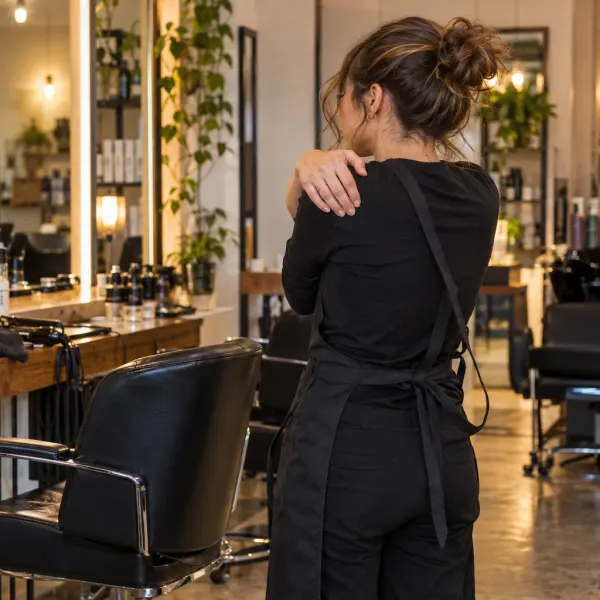
Why Salon Work Makes Your Body Ache & What You Can Do to Feel Better
We learn some simple moves and strategies to keep the blood pumping through the muscles and limit posture problems from The Balanced Beauty Pro
by Anne Moratto

 MENU
MENU SEARCH
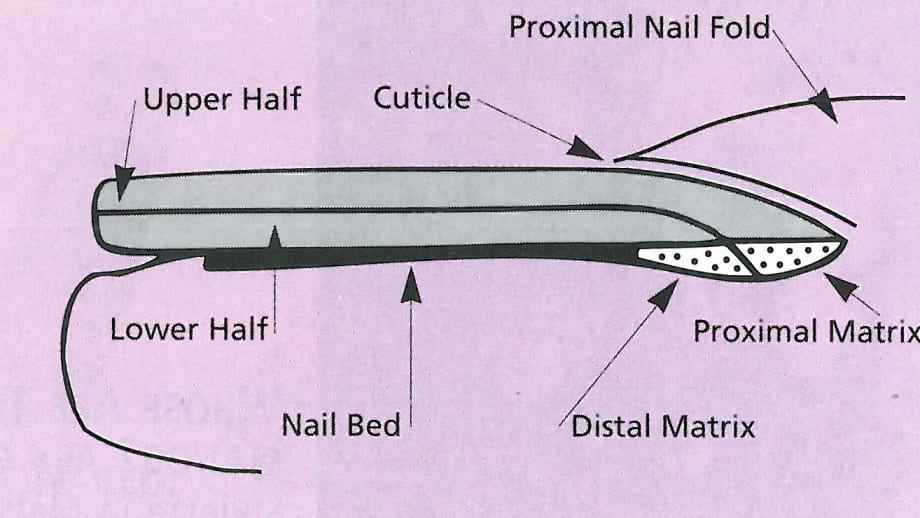
The nail is formed by the matrix a boomerang-shaped structure located under the sin of the proximal nail fold and cuticle. The lunula, the white half-moon between the cuticle and nail bed is the only visible portion of the nail bed.
NAILS welcomes Paul Kechijian, M.D., as the new Nail Doctor. Dr. Kechijian, who practices in upstate New York, is chief of the nail section at New York University Medical Center. Kechijian has written numerous articles and done many presentations on nail diseases and disorders. He is currently writing a chapter on nails for a medical textbook.

Besides their ornamental role, nails serve several important, less appreciated, functions. They act as weapons of offense or defense, enable you to scratch that troublesome itch, protect the fingertip from injury (imagine slamming the car door on your finger without having a fingernail to protect it), enhance fingertip sensitivity (you can discern whether you have two or three pages between your fingers), and facilitate find tactile movement such as picking up tiny objects like pins or buttoning a shirt or blouse
The nail is formed by the matrix a boomerang-shaped structure located under the sin of the proximal nail fold and cuticle. The lunula, the white half-moon between the cuticle and nail bed is the only visible portion of the nail bed. The remainder of the matrix is concealed under the nail fold but it is continuously manufacturing new nail plate, day in and day out.
For practical purposes, the matrix can be divided in two: the near proximal) portion and the far distal portion. The proximal portion of the matrix manufactures the upper half of the nail plate while the distal portion including the lunula manufactures the lower half.
Nails grow continuously approximately 0.1 mm per day or 3 mm per month. The rate of nail growth is affected by a number of activities and environmental conditions. For example, during the day and in the summer, nails grow faster than at night or in winter. Nails grow more rapidly on longer fingers and on the dominant hand. Fever and serious illness slow the growth rate, while pregnancy enhances it. Minor trauma such as nail biting also stimulates nail growth, while in mobilization and poor nutrition slow it. Nails grow more rapidly in men and younger people than in women and the elderly. Toenails grow at one-half to one-third the rate of fingernails.
Why do nails grow at different rates? Just as the skin is stimulated by friction to produce a callus, injury to the nail can provoke “healing” by stimulating the matrix to regenerate the nail at a faster rate. During the day, the hand is more active, which means increased blood circulation. At the same time, nails and fingers are subject to repeated mild trauma and the nails grow faster.
Accordingly, since the dominant hand is more active, the nails on it grow faster. Longer fingers are subject to more trauma in proportion to their length; accordingly, those nails grow faster as well. In summer, because we tend to be more active, our circulation is better, we’re warmer, and our nails grow faster. And toenails grow more slowly than fingernails because toes are not as mobile as fingers and circulation in the feet is less efficient than in the hands.
Why men’s nails grow faster than women’s is open to speculation, but I believe that it’s because, in general, men are physically bigger and stronger than women. Pregnant women, however, have an elevated metabolic rate, which means everything in the body runs at a more rapid rate. Age is a factor because general body metabolism, circulation, activity, and health are generally at their highest level in younger persons. As things slow down with age, one would expect the nail matrix to slow down as well, making nails grow more slowly.
The matrix is a rapidly dividing tissue that is subject to the vagaries of health. With malnutrition, severe illness, or poor health, the matrix responds by cutting back on the rate of nail production, just as the body itself slows down.
In spite of all that’s beam written about growth enhancers, only the vitamin biotin has been shown to speed up nail growth. This single study also showed that biotin makes nails grow thicker and stronger as well. Other studies, however, have yet to confirm the effectiveness of this vitamin. I have not noted significant changes with biotin in the patients I have treated. Biotin is readily available in the vitamin section of most pharmacies. And, contrary to popular belief, neither gel nor calcium stimulates nail growth.
We learn some simple moves and strategies to keep the blood pumping through the muscles and limit posture problems from The Balanced Beauty Pro
Uncured gel polish and microscopic e-file dust contain active acrylates that penetrate the skin, triggering permanent contact dermatitis. Learn the chemistry behind these irritants and how to protect your clients and yourself.
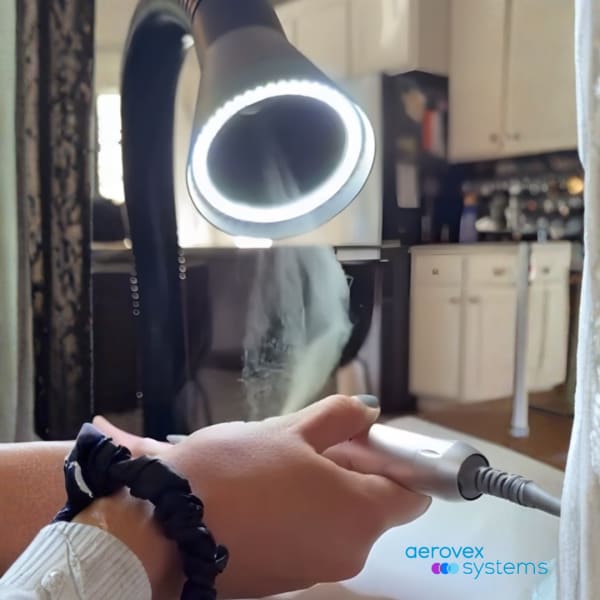
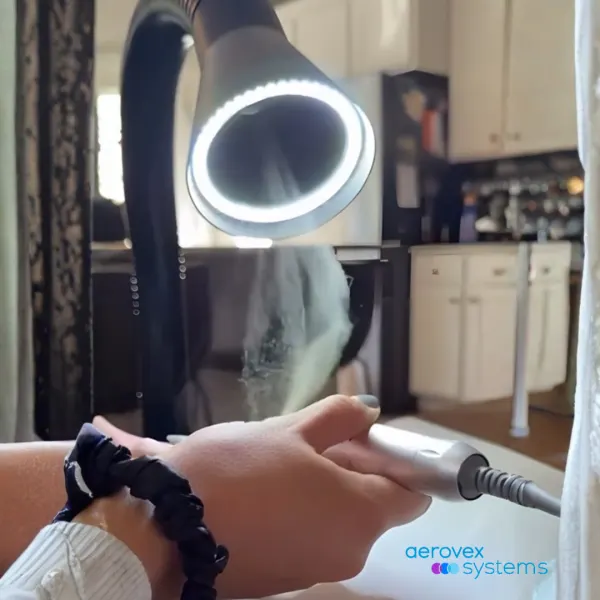
What actually counts as 'source capture' under nail salon ventilation code, and what doesn't (even if it feels like it should).
Sponsored by Aerovex Systems
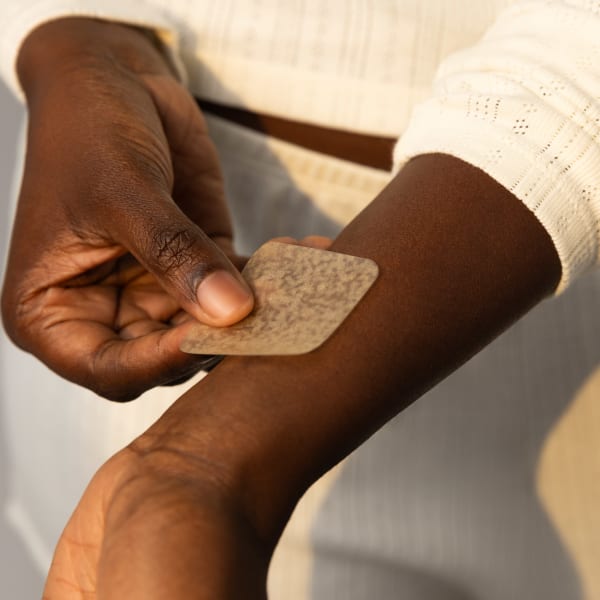
The Good Patch is a leading wearable wellness patch brand, offering wellness and skincare patches that support everyday needs including energy, sleep, relaxation and more.

Orthopedic PT reveals three daily exercises plus ergonomic advice that can help salon professionals avoid the aches and injuries caused by standing, bending and repetitive overhead work.

From breaking free of external validation to creating joy-based goals, discover a more sustainable and fulfilling path to success.
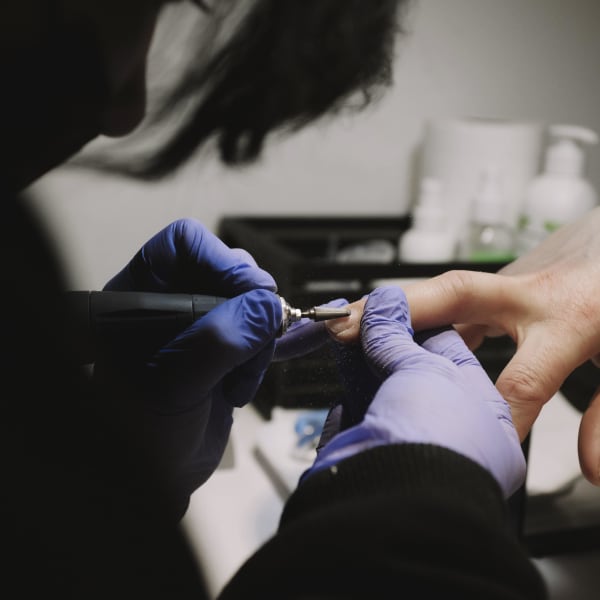
From acrylic monomers to airborne bio-dust, the air inside a nail salon carries risks most professionals never see coming. Aerovex Systems reveals the source-capture and room-purification strategies that are setting a new standard for salon safety.
Sponsored by Aerovex Systems
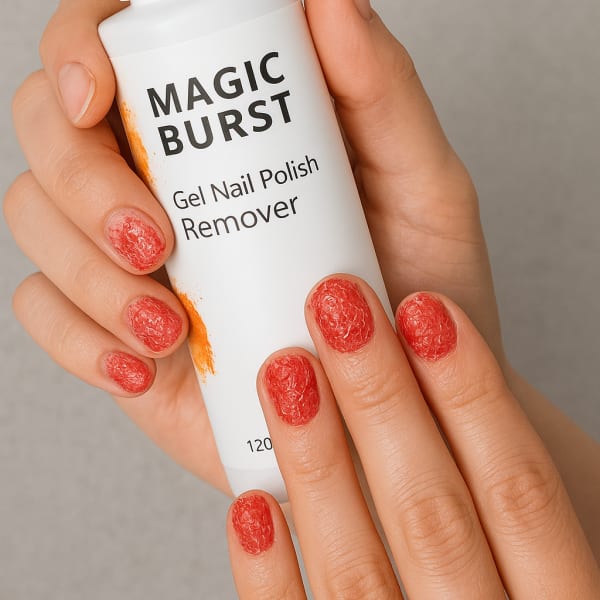
Products marketed as 'magic' or 'burst' gel removers may contain methylene chloride, a federally banned, highly toxic chemical.
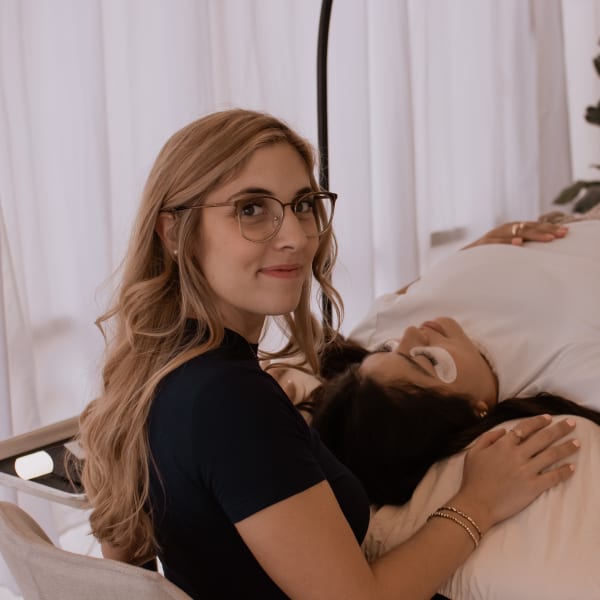
Working in beauty doesn’t have to hurt. Learn how Somatic Movement helps hairstylists, lash artists, and other beauty pros release tension, improve posture, and extend their careers.
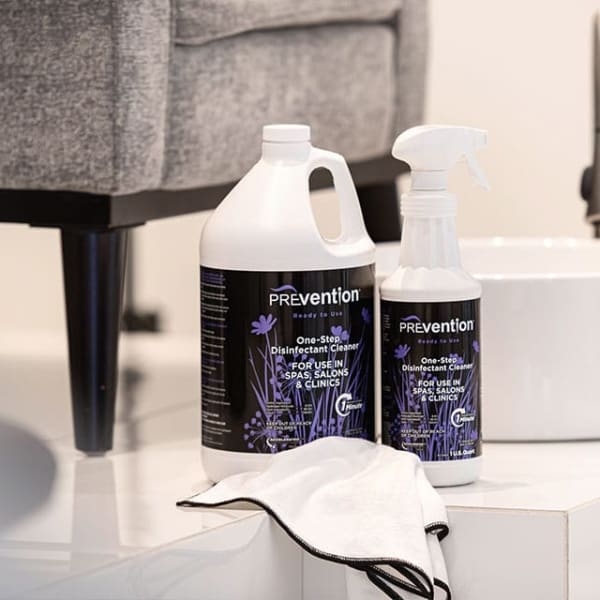
As a spa or salon professional, your clients expect more than just beauty—they expect safety, hygiene, and peace of mind. Fungal infections like Athlete’s Foot and Nail Fungus are more common than you think, especially in environments where tools and footbaths are reused without proper sanitation. This blog covers how to stop these issues before they start, using proven infection prevention strategies for salons and spas.
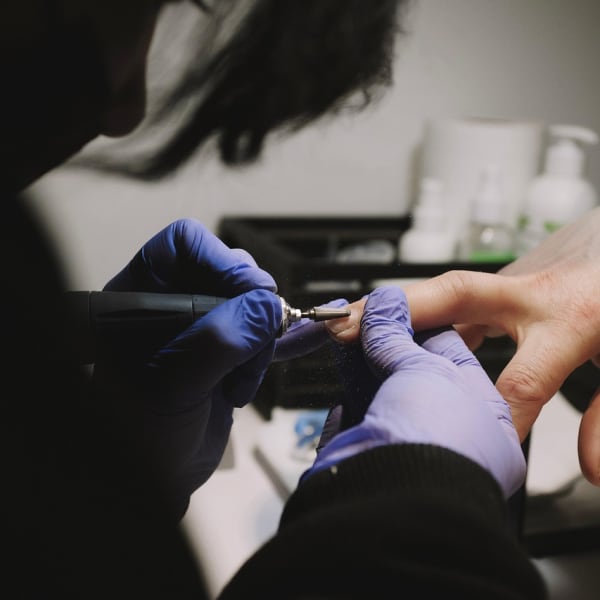
A federal initiative aimed at studying chemical exposure in nail salons has ended due to staffing and budget changes. Here’s what the project set out to do—and what its conclusion means for salon professionals.
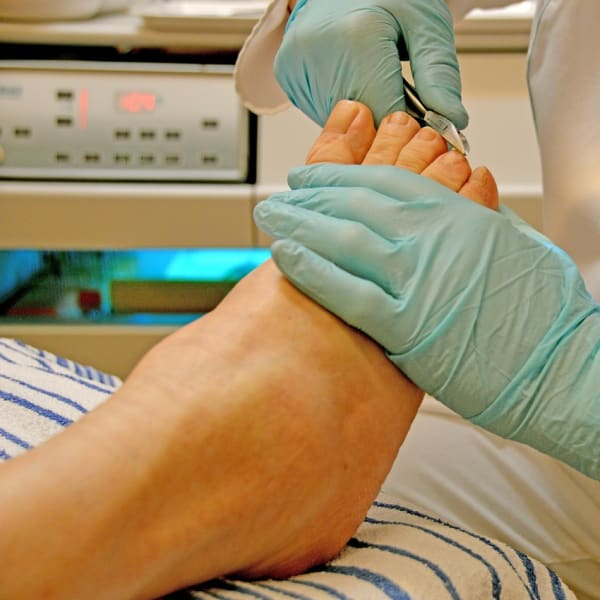
For many people, a pedicure is a relaxing beauty ritual. But what most don’t realize is that this simple service, if done without proper hygiene and sanitation, can cause serious infections and long-term health issues.
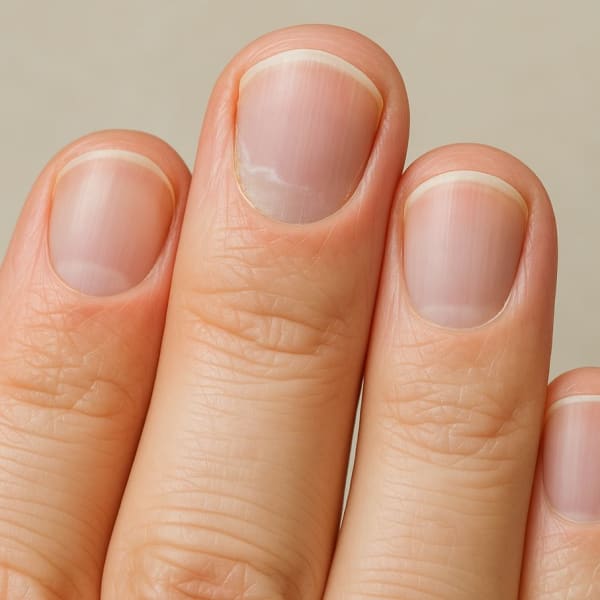
Onycholysis is the separation of the nail plate from the nail bed. While it may look painful, it typically isn’t—at least not at first. But without proper care, this common nail disorder can lead to infections, deformities, and long-term damage.

Mckenzie Kool, Psychologist, MC, RPsych provides us with guidance on what may or not be helpful in speaking with someone who has suffered a significant loss.
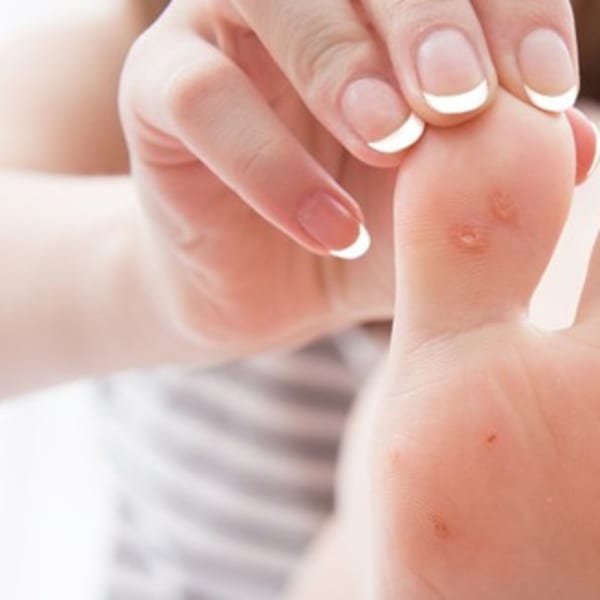
Clients come to you to feel their best—not leave with a viral souvenir. Warts and cold sores can spread fast in busy salons, but a few smart habits make all the difference. Let’s talk about what’s really lurking in your salon (and how to kick it to the curb).

As Earth Day approaches, The Green Beauty Community Foundation and the Green Spa Network invite beauty pros to step forward and embrace sustainability through the Green Pledge--a powerful initiative designed by and for beauty industry leaders.

Don’t cancel Valentine’s Day altogether, urges Jill Palmquist. Instead, think of it as a (frilly, flowery, Champagne-bubbly) wake-up call to fall deeply in love with your own life.