Salon sanitation has never been more important. With the recent swine flu scare and the dreaded MRSA lurking on surfaces all over, cleanliness and proper sanitation are essential to keep clients safe and your salon out of the news. To help combat germs in the salon, knowledge, a commitment to your clients, and an assortment of professional sanitation methods can keep you in the clean. BY TIM CROWLEY
We’ve all heard the scare tactics before: “Woman Dies from Routine Pedicure: Story at 11.” A woman contracts a horrific flesh-eating bacteria from a routine nail salon visit and she’s left with permanent scarring and a lawsuit against the salon where she got it — or worse. With newer and more dangerous bugs popping up year after year, the odds of a client contracting a deadly pathogen and ultimately dying from it have never been higher.
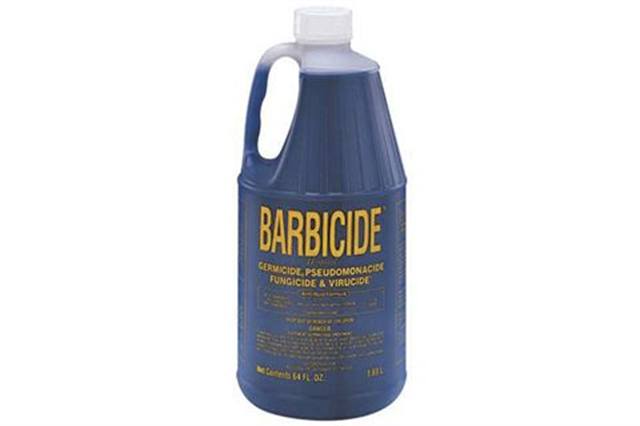
Luckily, salon industry manufacturers are staying on top of the situation and have come out with innovative products that make salon sanitation easier and more effective than ever so services remain safe for clients (and technicians). Alan Murphy, president of King Research and BlueCo Brands, which manufacture the Barbicide line of sanitation products, is hoping to “educate, embrace, and excite” salon owners about sanitation.
“We try to educate salon owners and technicians so they know proper details about disinfection,” says Murphy, “and then get them to embrace it by following proper sanitation procedures in full, and finally excite them so they can proudly show their commitment to sanitation to their own clientele.”
Murphy believes owners and technicians need to start seeing sanitation as a fundamental human decency as opposed to a government mandated obligation and says salons can essentially eliminate contamination if they follow proper sanitation procedures. “We want to educate owners and techs as to what is out there, but not scare them into thinking that contamination is inevitable. There are products that can kill the bugs, just follow the procedures and the rules, and you won’t have to worry.”
The Bugs
So just what kind of stuff is lurking in nail salons? Registered Nurse (RN) and head of Woodward Laboratories’ quality control and hand hygiene program, Faye Shinder talks about what techs should be aware of. “Some of the most common germs in a nail salon are not so different than anywhere else,” she says. “Since all salons have restrooms, insufficient hand washing can lead to the spread of E. Coli, which is a normal occupant of our digestive system, but when it gets into the body from an outside source it can make people really sick.”
Methicillin-resistant staph aureus (MRSA) is another bug Shinder warns about. “MRSA is also known as the flesh-eating bacteria, and it’s received a lot of attention lately because of the severity of its infections.”
MRSA is a strain of bacteria that is resistant to most antibiotics and can cause massive scarring and even lead to death if the infection spreads to vital organs.
Another bug that has received a lot of attention lately is the H1N1/09 virus, also known as the swine flu. The virus is spread like the common flu, through coughing, sneezing, and close body contact, and has similar flu-like symptoms that can intensify after a week and lead to death if the body does not rid the virus on its own.
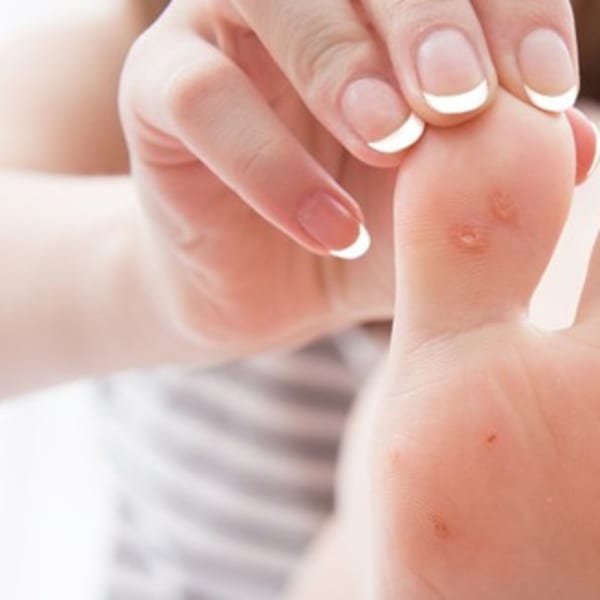
While not quite as life-threatening, athlete’s foot is also very contagious and can wreak havoc on a salon’s reputation if it encounters a string of consecutive infections.
The Solution
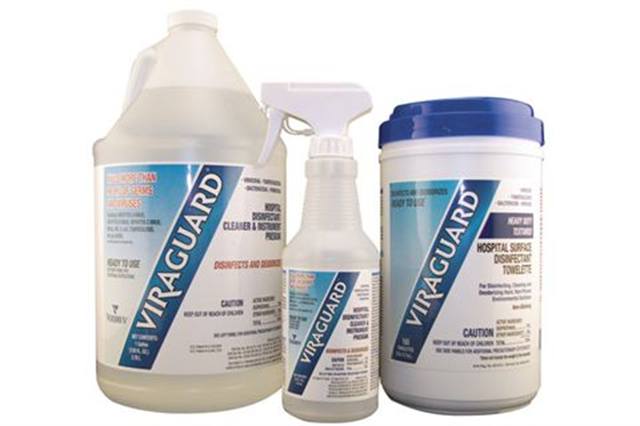
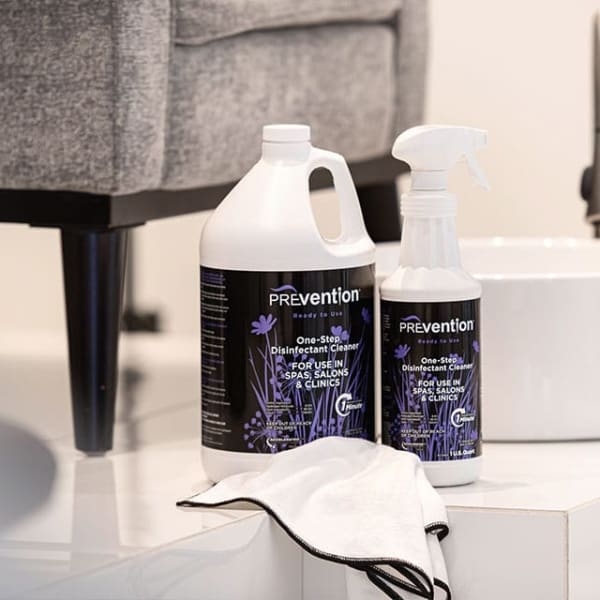
So what do we do against these bugs? Manufacturers are in constant pursuit to ensure their products kill the bad bugs and keep clients and technicians safe. Erick Westcott, CEO of Gelousy Gel Nail Systems, which manufacturers Viraguard, explains that manufacturers must be vigilant in order to keep their products registered with the U.S. government and up-to-date on the latest killer bugs. “Hard surface disinfectants are registered by the Environmental Protection Agency (EPA), and any disinfectant that comes in contact with the skin is considered a drug and is registered by the Food and Drug Administration (FDA),” Westcott says.
For both the EPA and FDA, manufacturers have to present paperwork showing testing and efficacy results before they are approved for use in the United States. And for hard disinfectants meeting EPA approval, they have to show testing results for each and every bug they claim to kill. So if a disinfectant says it kills HIV, hepatitis B and C, and mycobacterium tuberculosis, that means it has been tested for each one specifically.
“This is why when a new super-bug, like the swine flu, comes out it takes some time before manufacturers can say their product effectively kills it,” Westcott says.
But whichever disinfectant you end up using, the most important thing to remember is to pay attention to the required contact time. Shinder says this is one of the most common mistakes made in salon sanitation. “A lot of people do not leave the product on long enough to be able to do the job,” says Shinder. “Most manufacturers recommend leaving a cleaned surface saturated with a disinfectant for at least 10 minutes.”
Westcott echoes this saying it happens frequently with pedicure tubs, where technicians will run the tub with a disinfectant in it, but not for the full 10 minutes required.
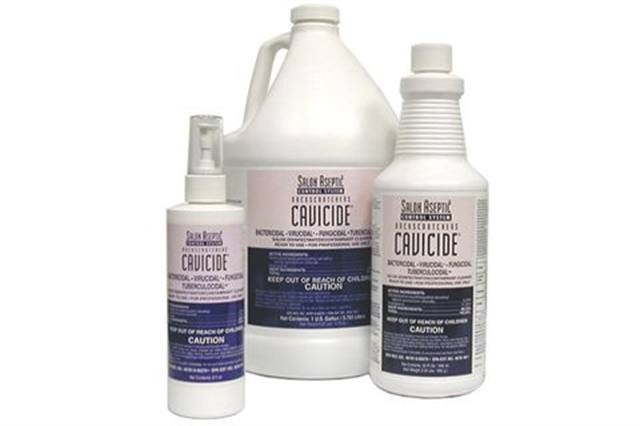
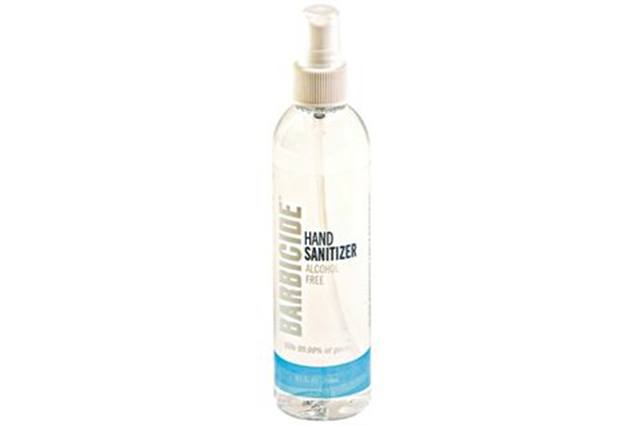
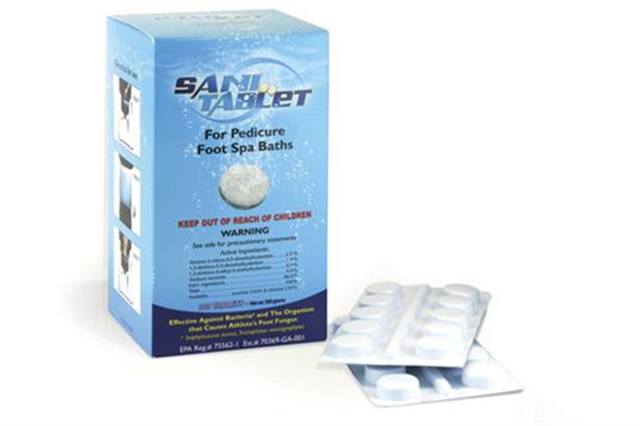
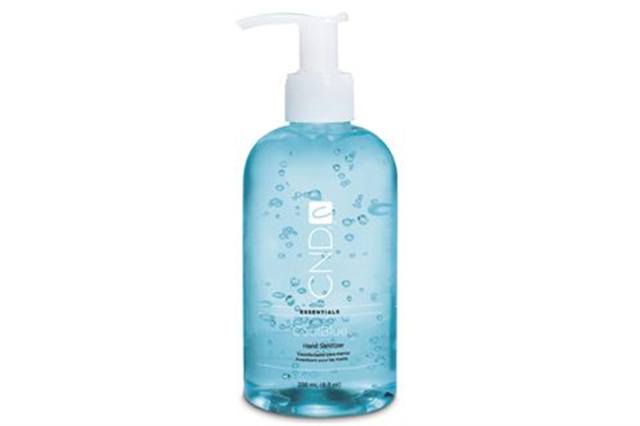
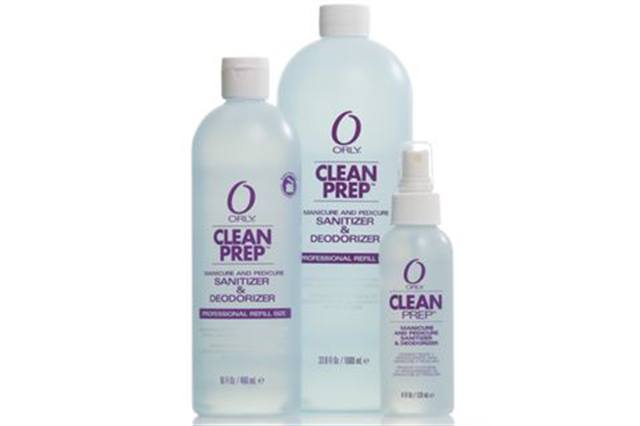
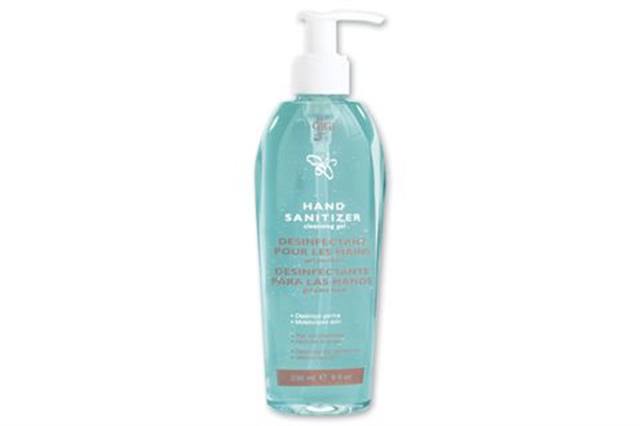
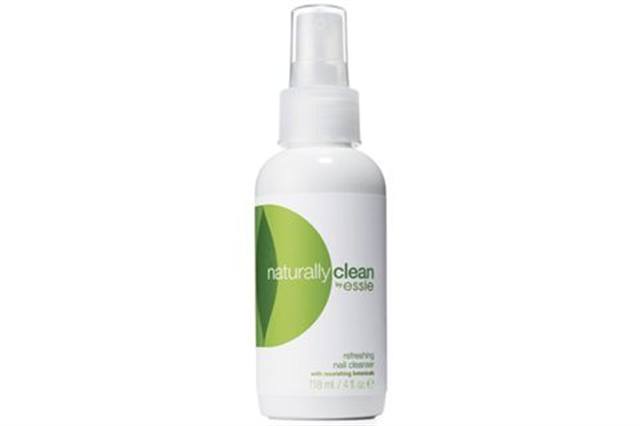
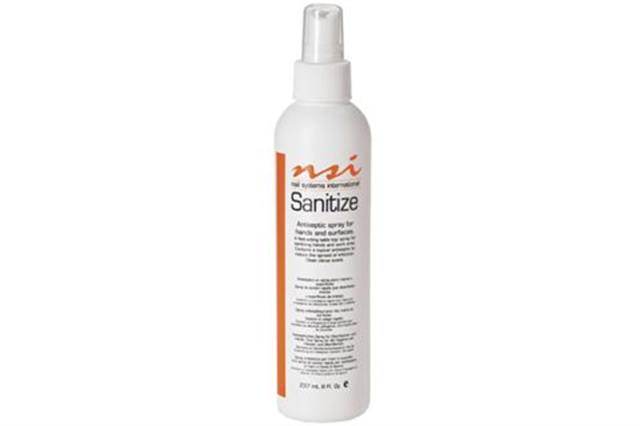
Luckily there are a number of different disinfection systems out there, some specific to hand and foot sanitizing, while others are for implements, counters, and tubs. Here’s a sampling of what’s being offered today, so you can build your arsenal in the battle against bugs.