Natural, Organic, Cruelty-Free — What Does It All Mean?
Navigating the myriad of claims in the cosmetic world may leave you wondering what these terms mean and who sets the standard. You’ll find it’s not clear cut.
Consumers are more demanding than ever when it comes to the products they choose to use. Whether it is prompted by media reports, a desire to make healthier choices, or just to be more environmentally friendly, this all has an impact on which products fly off the shelves of your salon. But, in the hurry to make new lifestyle choices, little has been done to standardize what the different claims mean and what entity enforces them. “Natural,” “organic,” and “cruelty-free” are just a few of the claims making their way onto cosmetic labels.
The U.S. Food & Drug Administration is generally tasked with regulating cosmetics. The FDA also actively collects reports of adverse reactions involving cosmetic products. It is important to note that this applies to handmade products as well as mass-produced commercial products. The makers of cosmetics are responsible for making sure that products are safe to use according to labeling instructions.
Ad Loading...
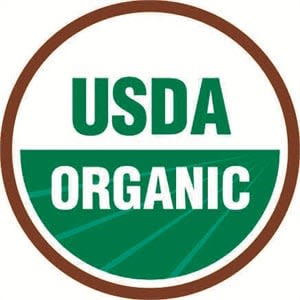
Products made with less than 95% organic ingredients are not eligible to display the USDA Organic logo on their packaging
“Natural” may one of the vaguest claims in use today. The FDA states that, “From a food science perspective, it’s difficult to define a food product that is ‘natural’ because the food has probably been processed and is no longer a product of the earth.” So, the FDA doesn’t attempt to define the term “natural” in respect to food or cosmetics at this time.
It’s safe to say that even though people may be led to perceive so-called “natural” products as safer or healthier, that may not be the case. There are plenty of natural things that come from the earth that just are not good for us. Two items that quickly come to mind are lead and asbestos, both of which we wouldn’t want in our cosmetics.
It becomes clear that as salon professionals, our jobs may also be to help clients understand the ins-and-outs of labeling and help them start asking the correct questions. When a client asks if a product is natural, they may in fact be expressing the concern that adulterated substances may make it into the products they use.
The “organic” claim is currently governed for agricultural products by the U.S. Department of Agriculture (USDA). “The FDA does not define or regulate the term ‘organic,’ as it applies to cosmetics, body care, or personal care products,” according to the USDA Agricultural Marketing service, which oversees the National Organic Program (NOP). The USDA/NOP will, however, allow the use of the “USDA Organic” logo if the product is made up of agricultural ingredients and can meet the organic production, handling, processing, and labeling standards set by the USDA/NOP. All of the entities who supply ingredients, handle, or are part of the manufacturing process of the product must be certified by a USDA-accredited organic certifying agent. Once certified, products are broken down into categories — 100% organic, organic, and made with organic ingredients. Products made with less than 95% organic ingredients are not eligible to display the USDA Organic logo on their packaging.
Simply, cosmetic products can claim to be organic as long as they don’t violate the use of a governing authority’s program logo. There is no demand that cosmetics comply with the USDA/NOP program if they don’t claim to be certified in accordance with it.
Ad Loading...
Diving deeper into the murky waters of cosmetic claims we find products that purport themselves to be “cruelty-free.” There are currently no restrictions for claims such as “cruelty-free” or “not tested on animals,” according to the FDA. Even though the claims are not regulated, the government, through the USDA, has moved toward a model that improves animal welfare. In 1966, the Animal Welfare Act went into effect. It has been modified numerous times over the years. The amendments cover things such as animal fighting, improved standards for lab animals, protection of pets, and research facility inspections.
Products that choose to display the Leaping Bunny logo must adhere to a single, comprehensive standard.
So, “cruelty-free” may not mean that a product was not tested on animals. A salon professional/consumer needs to ask very specific questions of manufacturers in order to buy products that align with her individual idea of “cruelty-free.”
Consumers can also look for private certifications, such as the “Leaping Bunny.” Products that display the Leaping Bunny logo must adhere to a single, comprehensive standard. Eligible products must not test on animals during any stage of product development, suppliers must make the same pledge to ensure the entire product meets the guidelines, and they must allow on-site audits of practices. This is a voluntary process and not mandated by any U.S. government agency.
Whether you as a salon professional are seeking to provide more conscious choices for your clients or are seeking to define what all the claims mean, it is important to do some research. Be ready to help educate clients and answer their burning questions. Who are the packaging claims backed by (if anyone) and are they enforceable by law? Natural, organic, and cruelty-free may not mean what you thought they did.
Uncured gel polish and microscopic e-file dust contain active acrylates that penetrate the skin, triggering permanent contact dermatitis. Learn the chemistry behind these irritants and how to protect your clients and yourself.
The Good Patch is a leading wearable wellness patch brand, offering wellness and skincare patches that support everyday needs including energy, sleep, relaxation and more.
Orthopedic PT reveals three daily exercises plus ergonomic advice that can help salon professionals avoid the aches and injuries caused by standing, bending and repetitive overhead work.
From acrylic monomers to airborne bio-dust, the air inside a nail salon carries risks most professionals never see coming. Aerovex Systems reveals the source-capture and room-purification strategies that are setting a new standard for salon safety.
Working in beauty doesn’t have to hurt. Learn how Somatic Movement helps hairstylists, lash artists, and other beauty pros release tension, improve posture, and extend their careers.
As a spa or salon professional, your clients expect more than just beauty—they expect safety, hygiene, and peace of mind. Fungal infections like Athlete’s Foot and Nail Fungus are more common than you think, especially in environments where tools and footbaths are reused without proper sanitation. This blog covers how to stop these issues before they start, using proven infection prevention strategies for salons and spas.
A federal initiative aimed at studying chemical exposure in nail salons has ended due to staffing and budget changes. Here’s what the project set out to do—and what its conclusion means for salon professionals.
For many people, a pedicure is a relaxing beauty ritual. But what most don’t realize is that this simple service, if done without proper hygiene and sanitation, can cause serious infections and long-term health issues.
Onycholysis is the separation of the nail plate from the nail bed. While it may look painful, it typically isn’t—at least not at first. But without proper care, this common nail disorder can lead to infections, deformities, and long-term damage.
Mckenzie Kool, Psychologist, MC, RPsych provides us with guidance on what may or not be helpful in speaking with someone who has suffered a significant loss.
Clients come to you to feel their best—not leave with a viral souvenir. Warts and cold sores can spread fast in busy salons, but a few smart habits make all the difference. Let’s talk about what’s really lurking in your salon (and how to kick it to the curb).
As Earth Day approaches, The Green Beauty Community Foundation and the Green Spa Network invite beauty pros to step forward and embrace sustainability through the Green Pledge--a powerful initiative designed by and for beauty industry leaders.
Don’t cancel Valentine’s Day altogether, urges Jill Palmquist. Instead, think of it as a (frilly, flowery, Champagne-bubbly) wake-up call to fall deeply in love with your own life.
Life coach and Culture Ambassador of Sam Villa, Andrew Carruthers, outlines how to tell if your burnout is temporary - or if it's time to make a bigger career change.