




Why Salon Work Makes Your Body Ache & What You Can Do to Feel Better
We learn some simple moves and strategies to keep the blood pumping through the muscles and limit posture problems from The Balanced Beauty Pro
by Anne Moratto


 MENU
MENU SEARCH
Clients “on the run” need a different kind of foot care than the average client. Learn to recognize signs of diseases and disorders common to athletes so that you can service them better.
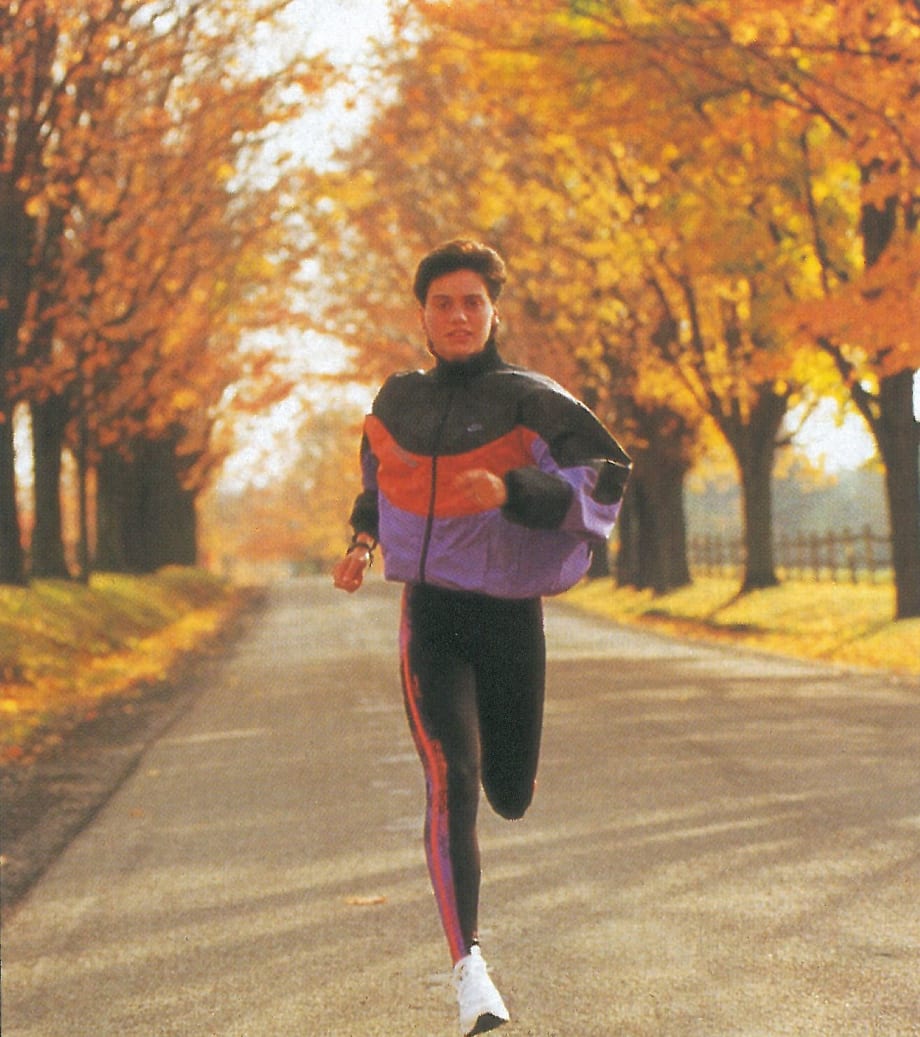

Runners, aerobics buffs, tennis players, hikers, basketball players... besides a love for sports, they all have one thing in common- overworked feet. While athlete’s bodies reap the benefits of exercise, their feet pay the price: blisters, calluses, subungal haemorrhages of the toenails, striated nails, and athlete’s foot are just some of the problems that can plague the athlete who ignores her feet.
Offering pedicures tailored to athletes’ needs opens a whole new market segment that you can woo into the pedicure chair. But before you start planning promotions, you need to understand what athletes want and need from your service. Also, since athletes are so hard on their feet, familiarize yourself with the common foot disorders and know which ones you can service and which ones should be referred to a podiatrist.
THINK LIKE A JOCK
Thinking like a jock means seeing the pedicure service from the athlete’s perspective. While your typical pedicure client wants her feet to look pampered, most athletic clients could care less about polished nails and probably shudder at the thought of losing their calluses.
Health, not beauty is your angle for these clients. Athletes spend months toughening up their feet to withstand the abuses of their sport. No runner will thank you for reducing a callus into nonexistence because it probably will take her weeks to regain the protective layer of skin, and she may get a few painful friction blisters along the way.
If you’re an athlete yourself, this is a natural clientele to pursue because you understand its needs. If you’re not a fanatic for the physical, there is likely a whole shelf of books at your local library on foot care for athletes to get you started. In particular, look for books with chapters on skin and nail conditions suffered by athletes.
A “NORMAL”FOOT
Each tissue and bone in the foot has a specific function, and in the “normal” foot, the separate components work in harmony. If all the components that make up the foot don’t work in concert, the foot is imbalanced, which means other bones and soft tissues must compensate for those not working correctly.
Think of the parts of a foot as a team of people rowing a boat. If one person is weak or quits rowing, the rest of the team must row harder and faster to compensate. While one person’s weakness won’t stop the boat from reaching its destination, team members may have sore arms, sore backs, and be puffing from the exertion. Likewise, a person with an imbalanced foot may reach her destination, but she may eventually suffer from back pain, aching knees, and foot and ankle pain.
This sounds terrible, but in truth, few people have “normal” feet. Still, most people don’t get the aches and pains and other disorders that an imbalanced foot can cause until they reach middle age because the imbalances are minor and their bodies aren’t under the stress of vigorous exercise.
“Everyone has imbalances, but with athletes it’s accentuated because they use their feet more, so the problems occur at age 30 or 40 instead of 50 or 60,” explains Dr. Wesley Kobayashi, a podiatrist in Huntington Beach, Calif.
ATHLETES FEET
Athletes are much more likely than your average client to develop a foot injury or infection---some of the same type you associate with older clients. The skin can be very dry and the person may have athlete’s foot and thickened calluses. The nails can thicken and have lines and striations caused by microtrauma, which is repeated mild injuries to the nail plate.
Some sports actually cause certain disorders, says Dr. Marc Blatstein, a podiatrist in Holmes, Pa., “Soccer and basketball are associated with black heel, tennis is associated with tennis toe, and hiking is associated with corns, calluses, warts, and blisters. Jogging is associated with jogger’s toe, friction blisters, and runner’s bumps. Finally, any sport requiring specific shoe gear can result in contact-type dermatitis.”
Black heel, explains Blatstein, looks just like it sounds. The skin on the heel turns black because of internal bleeding caused by a shearing or pinching stress from abrupt contact between the foot and a hard surface. It usually occurs early in the playing season and it’s painless. You can service the person with black heel without any worries, says Blatstein, just don’t try to reduce the lesions with a file because they’re part of the skin’s natural protection.
Tennis toe is the common name for subungal hemotoma. It is an accumulation of blood beneath a toenail caused by blunt trauma. “In tennis, the damage usually occurs because a player stops her forward motion abruptly and the body propels the toe into the toebox of the sneaker,” says Blatstein. “The result is a hemorrhage under the nail that is blue/black in color.”
Blatstein describes jogger’s toe as a nail plate separated from the nail bed that is accompanied by redness and swelling. Jogger’s toe is caused by the constant pounding of the foot on a hard surface. Poorly fitted shoes can contribute to the problem.
Athletes are also far more likely than non-athletes to have allergic contact dermatitis on their feet, says Blatstein. It can be exacerbated by the glues and dyes used in athletic footwear and is compounded by sweating and friction.
Other common skin disorders for athletes include corns, calluses, warts, and athlete’s foot. The nails may have white spots or pigmented bands (indicating minor trauma to the matrix), they may be thickened and yellow (indicating a fungal infection), or they may have splits and ridges that don’t grow out (the result of permanent damage to the matrix). Foot injuries such as bruises, blisters, and lacerations occur more frequently.
SOAKS, MASSAGES ARE MUSTS
Your athlete’s pedicure technique will not differ much from a regular pedicure, but you should be aware of the general health of the client’s feet and alert to conditions you should not service in the salon. Inspect the client’s feet before each service. Open wounds or lacerations, unexplained bruises, popped blisters, athlete’s foot, or separated nails should be examined by a podiatrist before you do any service.
Since athletes tend to suffer from rough, dry skin on the feet, both Kobayashi and Blatstein recommend foot soaks and moisturizing creams. And both say reflexology massages are especially appreciated by athletic clients, who are prone to sore muscles in the feet and legs.
The main difference between doing pedicures on athletes and regular clients, however, is how you reduce corns and calluses. The podiatrists say you can reduce them with a pumice stone, but they stress that you should use an especially light hand.
“A callus is the body’s way of protecting itself,” says Blatstein. “If it is reduced in full, you may wind up having a client who is in discomfort, unable to perform her sport, and who eventually fails to return to your place of business.”
Blisters, another common problem for athletes, are a little more tricky to handle, say Blatstein and Kobayashi. You can do the pedicure if the blister is intact, but you must be very careful not to pop it. If the blister is not intact, you should not do the service. Although they seem very minor, popped blisters are open wounds and should be treated as such. You might feel foolish turning away a client, but if an infection results you may be held liable.
Kobayashi recommends trimming the toenails a little shorter than you normally would to help athletic clients prevent nail injuries. “Trim them so they are a little shorter than the tip of the toe to prevent catching on the shoes and direct trauma to the nail.
“Cut them straight across and use a bur to thin down and bevel the distal edge to get rid of sharp edges that can catch on socks, ingrow, or pull off the nail bed,” he advises.
If the client has blood underneath the nail, you should refuse to do a service unless you know the injury is old and healed and that the discoloured nail is just growing out.
A LOVE FOR THE GAME
A few adjustments to your standard pedicure technique and a working knowledge of foot disorders are all you need to know to do pedicures for athletes. The most important rule of the whole service is knowing which disorders you can and can’t treat. Blatstein emphasizes the value of developing a relationship with a podiatrist so you can refer problem clients.
“Look in your neighbourhood or the area where your business is located. Introduce yourself to podiatrists and find one you would feel comfortable with as your doctor. More than likely, your clients will feel comfortable utilizing him too,” he says. “By taking the first step, your clients may benefit from podiatric patients may benefit from your care in turn.”
We learn some simple moves and strategies to keep the blood pumping through the muscles and limit posture problems from The Balanced Beauty Pro

Uncured gel polish and microscopic e-file dust contain active acrylates that penetrate the skin, triggering permanent contact dermatitis. Learn the chemistry behind these irritants and how to protect your clients and yourself.

What actually counts as 'source capture' under nail salon ventilation code, and what doesn't (even if it feels like it should).
Sponsored by Aerovex Systems
The Good Patch is a leading wearable wellness patch brand, offering wellness and skincare patches that support everyday needs including energy, sleep, relaxation and more.

Orthopedic PT reveals three daily exercises plus ergonomic advice that can help salon professionals avoid the aches and injuries caused by standing, bending and repetitive overhead work.

From breaking free of external validation to creating joy-based goals, discover a more sustainable and fulfilling path to success.
From acrylic monomers to airborne bio-dust, the air inside a nail salon carries risks most professionals never see coming. Aerovex Systems reveals the source-capture and room-purification strategies that are setting a new standard for salon safety.
Sponsored by Aerovex Systems
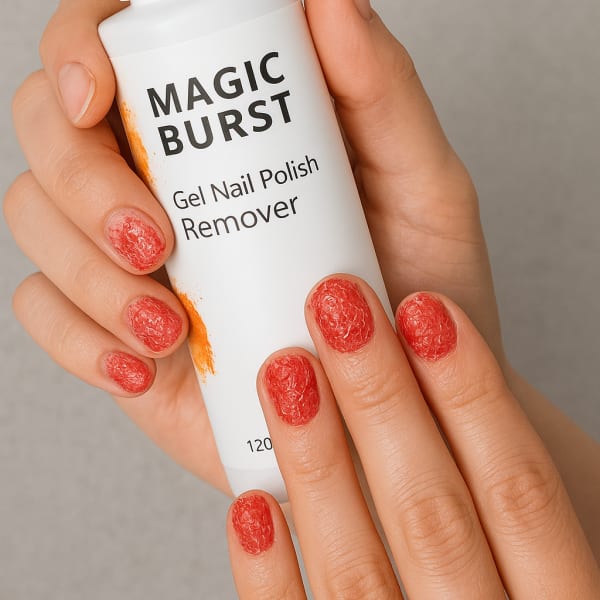
Products marketed as 'magic' or 'burst' gel removers may contain methylene chloride, a federally banned, highly toxic chemical.
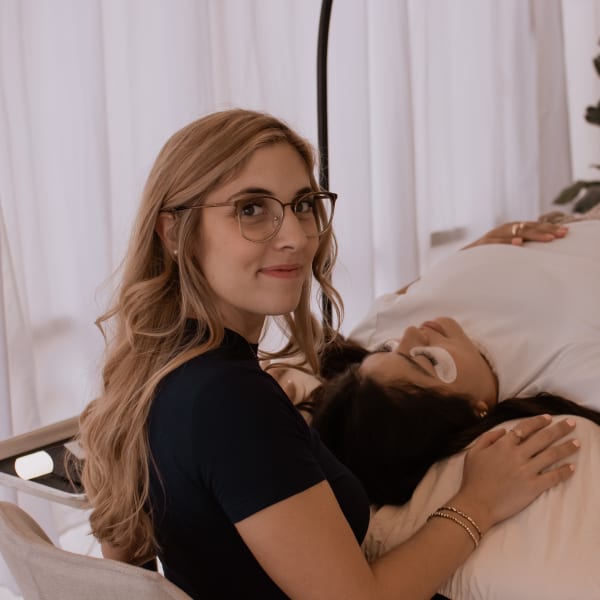
Working in beauty doesn’t have to hurt. Learn how Somatic Movement helps hairstylists, lash artists, and other beauty pros release tension, improve posture, and extend their careers.

As a spa or salon professional, your clients expect more than just beauty—they expect safety, hygiene, and peace of mind. Fungal infections like Athlete’s Foot and Nail Fungus are more common than you think, especially in environments where tools and footbaths are reused without proper sanitation. This blog covers how to stop these issues before they start, using proven infection prevention strategies for salons and spas.
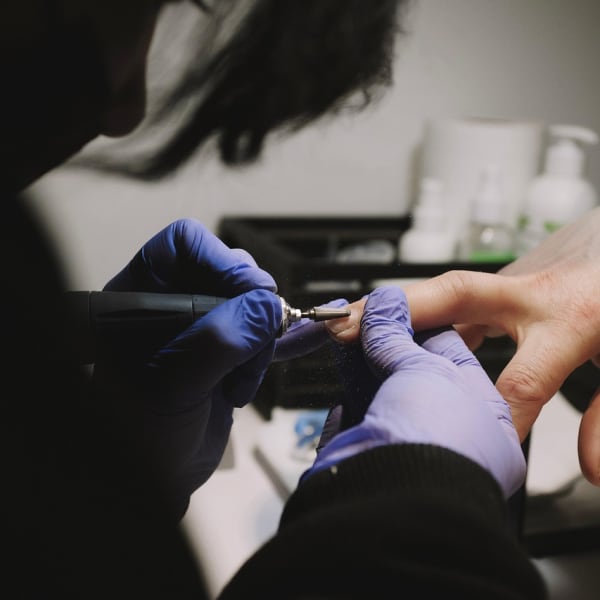
A federal initiative aimed at studying chemical exposure in nail salons has ended due to staffing and budget changes. Here’s what the project set out to do—and what its conclusion means for salon professionals.
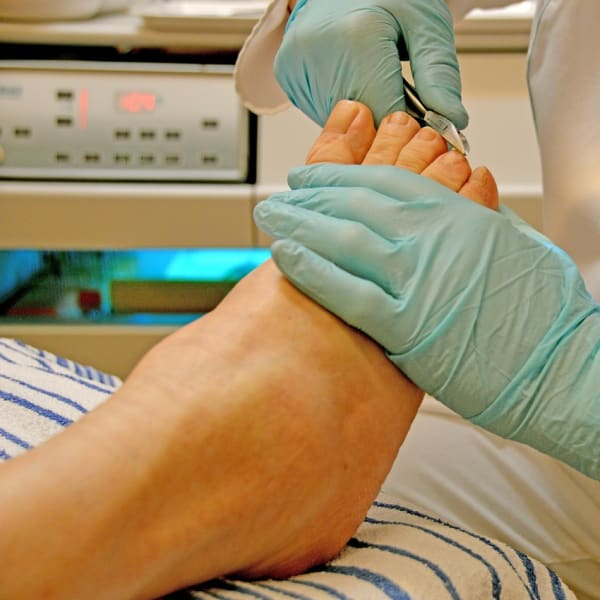
For many people, a pedicure is a relaxing beauty ritual. But what most don’t realize is that this simple service, if done without proper hygiene and sanitation, can cause serious infections and long-term health issues.
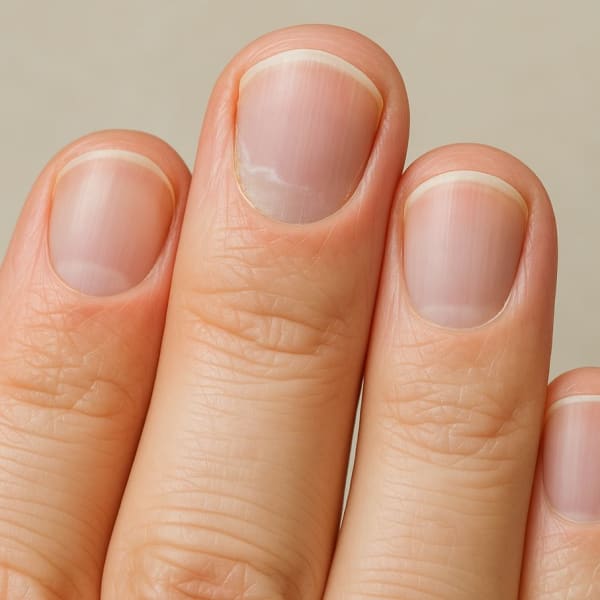
Onycholysis is the separation of the nail plate from the nail bed. While it may look painful, it typically isn’t—at least not at first. But without proper care, this common nail disorder can lead to infections, deformities, and long-term damage.

Mckenzie Kool, Psychologist, MC, RPsych provides us with guidance on what may or not be helpful in speaking with someone who has suffered a significant loss.
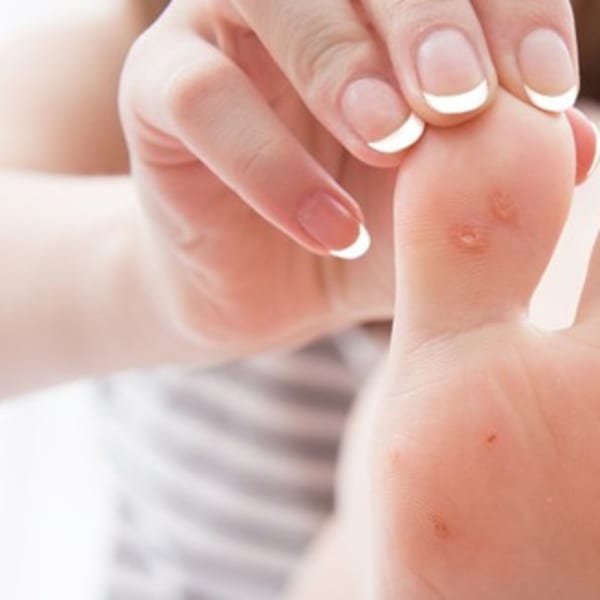
Clients come to you to feel their best—not leave with a viral souvenir. Warts and cold sores can spread fast in busy salons, but a few smart habits make all the difference. Let’s talk about what’s really lurking in your salon (and how to kick it to the curb).

As Earth Day approaches, The Green Beauty Community Foundation and the Green Spa Network invite beauty pros to step forward and embrace sustainability through the Green Pledge--a powerful initiative designed by and for beauty industry leaders.

Don’t cancel Valentine’s Day altogether, urges Jill Palmquist. Instead, think of it as a (frilly, flowery, Champagne-bubbly) wake-up call to fall deeply in love with your own life.