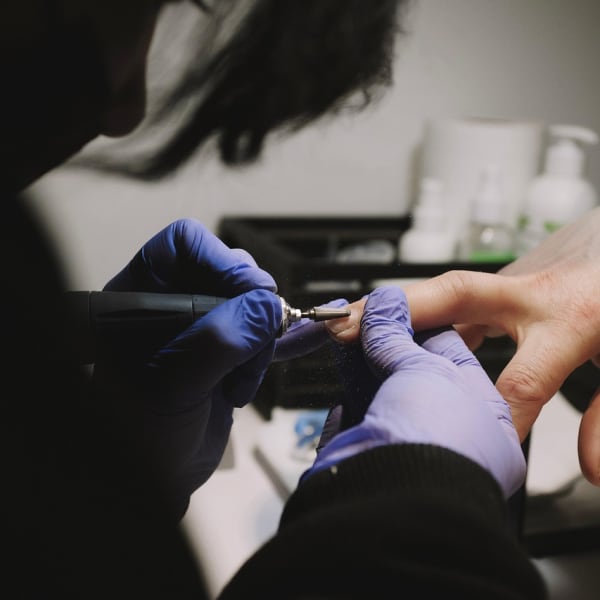
Though more than 100 types of arthritis exist, two are most familiar: osteoarthritis and rheumatoid arthritis. Rheumatoid arthritis is a systemic autoimmune disease. Osteoarthritis, on the other hand, is often referred to as a “wear-and-tear” disease. Because of the repetitive nature of their work, nail techs are at risk to develop this form of arthritis over the course of their careers.
by Staff
August 17, 2013
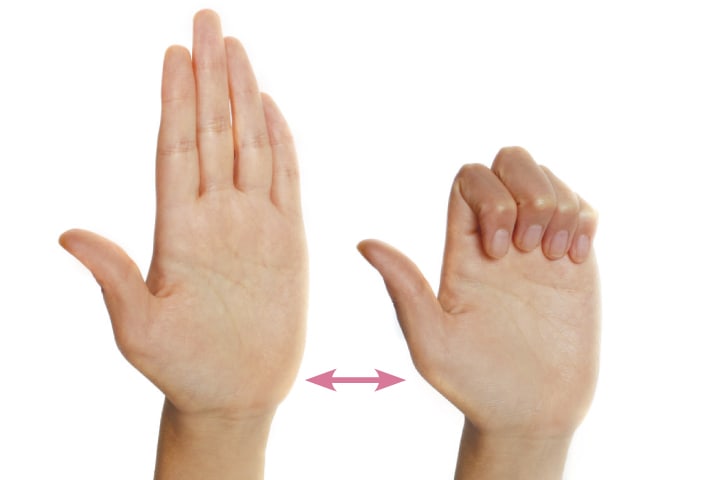
Hold the right hand straight, with fingers and thumb pointing upward. Bend fingers and thumb at the knuckle so fingertips are touching the pads at the bottom of the fingers. Open and bend digits several times, then repeat with the left hand.
3 min to read
Symptoms
Symptoms of osteoarthritis can include swollen joints, warmth, redness, stiffness or soreness, and pain. In severe cases, swollen joints become disfigured. This limits the movement in the joints, making it impossible to flex or bend the joint fully, which, in turn, restricts certain activities. Unlike other forms of arthritis, which could make a person feel ill or tired, osteoarthritis presents as pain at the site of individual joints.
Ad Loading...
Causes
Arthritis occurs when the cartilage surrounding the joints wears out. Without the cushioning protection of the cartilage, bone rubs on bone, causing pain and restricting movement. A number of factors can wear down the cartilage, but all factors cause the same problem: too much is required of the cartilage so it begins to deteriorate. This could be the result of obesity; the excessive weight places too much strain on the cartilage so it doesn’t function as it should. It wears out and places stress on the joints. Osteoarthritis can also occur as part of the normal aging process, especially in those who have a family history of arthritis. Injury and repetitive overuse can also damage the cartilage, causing it to wear out faster than it normally would. If you’re susceptible to osteoarthritis, either from genetics, job requirements, or injury, you could benefit from performing regular stretches to keep mobility in your joints.
At-Home Management/Prevention
Many people respond to the soreness and stiffness of arthritis by resting. It seems to make sense: The area hurts when you move it, so don’t move it. However, this tightens the ligaments and reduces the joint’s range of motion, causing more pain. Keep the joints flexible by performing range-of-motion stretching exercises like the one included here. At work, take time to stretch, bend, and massage the fingers to keep the joints mobile.
To reduce swelling and pain, try anti-inflammatory medications and topical analgesics. Applying ice to the area also reduces swelling, while heat soothes the sore area. Sufferers can also benefit from massage, which will both relieve soreness and increase joint flexibility. Finally, many at-home herbal remedies are rumored to be effective, including supplements such as glucosamine-chondroitin.
Ad Loading...
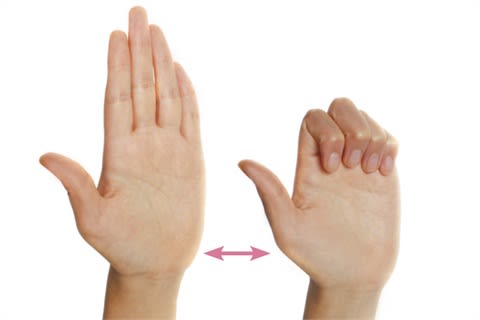
Hold the right hand straight, with fingers and thumb pointing upward. Bend fingers and thumb at the knuckle so fingertips are touching the pads at the bottom of the fingers. Open and bend digits several times, then repeat with the left hand.
Hold the right hand straight, with fingers and thumb pointing upward. Bend fingers and thumb at the knuckle so fingertips are touching the pads at the bottom of the fingers. Open and bend digits several times, then repeat with the left hand.
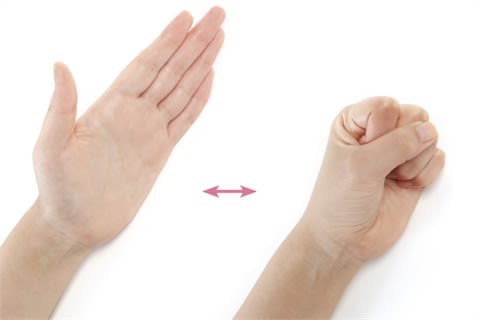
Rest your arm with the side of your hand, wrist and arm lying on a desk or table. Gently bring your fingers and thumb into the palm, rolling them into a gentle fist. Unroll and roll several times and then repeat with alternating hand.
Rest your arm with the side of your hand, wrist and arm lying on a desk or table. Gently bring your fingers and thumb into the palm, rolling them into a gentle fist. Unroll and roll several times and then repeat with alternating hand.
Medical Intervention
If arthritis becomes a source of chronic pain, consult a doctor. She will assess the visual symptoms and exercise the joint to determine range of motion. If necessary, she may draw fluid off the joint. Treatment could include over-the-counter medications, such as Tylenol, Aleve, or Advil. A variety of prescription drugs are available for the treatment of arthritis, and cortisone shots also aid in pain management.
This article is not intended to replace the advice of a doctor.
Uncured gel polish and microscopic e-file dust contain active acrylates that penetrate the skin, triggering permanent contact dermatitis. Learn the chemistry behind these irritants and how to protect your clients and yourself.
The Good Patch is a leading wearable wellness patch brand, offering wellness and skincare patches that support everyday needs including energy, sleep, relaxation and more.
Orthopedic PT reveals three daily exercises plus ergonomic advice that can help salon professionals avoid the aches and injuries caused by standing, bending and repetitive overhead work.
From acrylic monomers to airborne bio-dust, the air inside a nail salon carries risks most professionals never see coming. Aerovex Systems reveals the source-capture and room-purification strategies that are setting a new standard for salon safety.
Working in beauty doesn’t have to hurt. Learn how Somatic Movement helps hairstylists, lash artists, and other beauty pros release tension, improve posture, and extend their careers.
As a spa or salon professional, your clients expect more than just beauty—they expect safety, hygiene, and peace of mind. Fungal infections like Athlete’s Foot and Nail Fungus are more common than you think, especially in environments where tools and footbaths are reused without proper sanitation. This blog covers how to stop these issues before they start, using proven infection prevention strategies for salons and spas.
A federal initiative aimed at studying chemical exposure in nail salons has ended due to staffing and budget changes. Here’s what the project set out to do—and what its conclusion means for salon professionals.
For many people, a pedicure is a relaxing beauty ritual. But what most don’t realize is that this simple service, if done without proper hygiene and sanitation, can cause serious infections and long-term health issues.
Onycholysis is the separation of the nail plate from the nail bed. While it may look painful, it typically isn’t—at least not at first. But without proper care, this common nail disorder can lead to infections, deformities, and long-term damage.
Mckenzie Kool, Psychologist, MC, RPsych provides us with guidance on what may or not be helpful in speaking with someone who has suffered a significant loss.
Clients come to you to feel their best—not leave with a viral souvenir. Warts and cold sores can spread fast in busy salons, but a few smart habits make all the difference. Let’s talk about what’s really lurking in your salon (and how to kick it to the curb).
As Earth Day approaches, The Green Beauty Community Foundation and the Green Spa Network invite beauty pros to step forward and embrace sustainability through the Green Pledge--a powerful initiative designed by and for beauty industry leaders.
Don’t cancel Valentine’s Day altogether, urges Jill Palmquist. Instead, think of it as a (frilly, flowery, Champagne-bubbly) wake-up call to fall deeply in love with your own life.
Life coach and Culture Ambassador of Sam Villa, Andrew Carruthers, outlines how to tell if your burnout is temporary - or if it's time to make a bigger career change.