Due to long hours in a seated position, often straining forward or at a twisted angle, it’s likely you will suffer lower back pain at some point in your nail career.
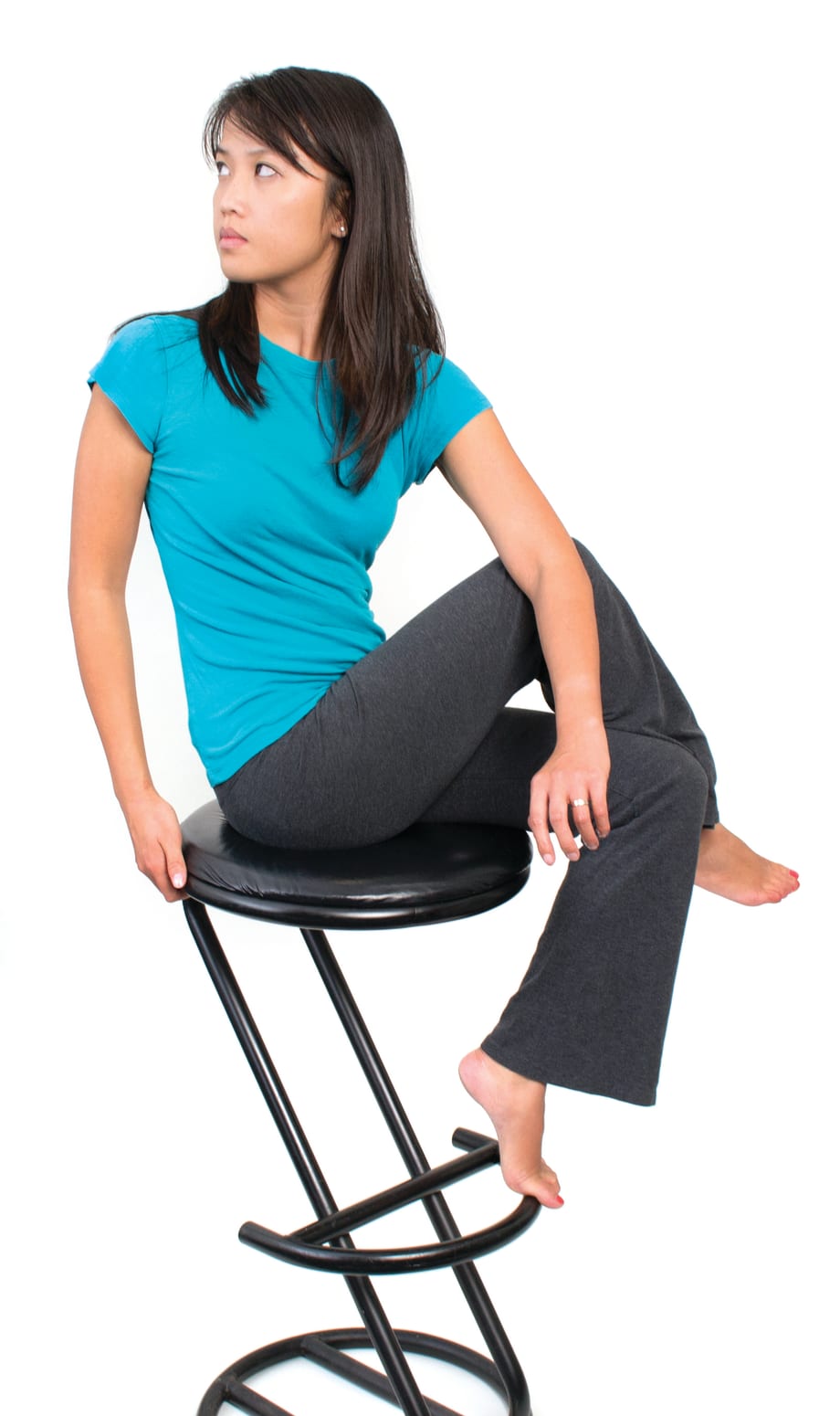
Sit up straight on a chair with no arms. Cross the right leg over the left and drape the left arm over the right leg so the elbow is on the outside of the right knee. Without rounding your shoulders, twist to the side to stretch your spine and lower back muscles. Hold for a count of 10.
3 min to read
Due to long hours in a seated position, often straining forward or at a twisted angle, it’s likely you will suffer lower back pain at some point in your nail career. Whether the result of poor posture or injury, back pain can become a chronic problem when ignored. To combat its effects, make it a habit to stretch throughout the day. This will remove pressure on your spine and help relieve tired achy muscles that cause pain in the lower back.
SYMPTOMS
Ad Loading...
Depending on the severity, back pain can be the dull ache of tired muscles to the excruciating pain of a herniated disk. Some sufferers have a perpetual problem; others have a flare-up after increased activity or prolonged strain. Each person’s pain is unique, but you’ll know it if you have it. You’ll find yourself rubbing the lower back, arching, tucking or twisting your back throughout the day, or popping meds for relief. Don’t ignore your body’s warning.
CAUSES
While the cause of lower back pain can vary, a nail tech’s pain is at least partially due to repeated hours of sitting at and bending over a desk. Poor lumbar support, crossing the legs, twisting the body, and incorrect seat height exacerbate the condition. In addition to muscle strain, the pain may be a result of a misaligned vertebrae.
The bones in the base of spine are designed to bear a tremendous amount of pressure. It’s possible — likely, in fact — that one of the bones is misaligned, which means it doesn’t sit correctly against the bones above or below it. When this happens, the disk between the bones is squeezed, and the nerves that exit the vertebrae at the point of the misalignment are pinched, or restricted. This could cause the muscles to spasm to try to protect the area.
AT-HOME PREVENTION/MANAGEMENT
Ad Loading...
Techs can substantially reduce lower back pain in two ways: stretching and strengthening. Muscles that have been strained all day while bending over a nail desk need relief from the strain. Incorporate counter moves into your stretches; for example, arching the back since it’s been bending forward all day. In addition, by developing strong core muscles a tech will increase support of the lower back. Take 10 minutes to stretch and do core exercises before and after work. Strengthen the core through sit-ups or plank holds.
LOWER BACK/HIP STRETCH
Sit up straight on a chair with no arms. Cross the right leg over the left and drape the left arm over the right leg so the elbow is on the outside of the right knee. Without rounding your shoulders, twist to the side to stretch your spine and lower back muscles. Hold for a count of 10.
Sit up straight on a chair with no arms. Cross the right leg over the left and drape the left arm over the right leg so the elbow is on the outside of the right knee. Without rounding your shoulders, twist to the side to stretch your spine and lower back muscles. Hold for a count of 10.
Repeat with the left leg. Repeat three to five times.
Repeat with the left leg. Repeat three to five times.
MEDICAL INTERVENTIONS
Ad Loading...
Pain relievers and anti-inflammatory medications can mask the problem and provide relief, but for recurring or chronic back problems, techs should consider a reputable chiropractor. Each chiropractor has a different philosophy of care, so interview prospective providers to ensure you’ve chosen one who will correct the misalignments rather than treat the symptoms of pain through electric stimulation or ultrasound. Surgery is considered a last resort; secondary problems can occur, leaving you worse off than you started.
This article is not intended to replace the advice of a doctor.
Uncured gel polish and microscopic e-file dust contain active acrylates that penetrate the skin, triggering permanent contact dermatitis. Learn the chemistry behind these irritants and how to protect your clients and yourself.
The Good Patch is a leading wearable wellness patch brand, offering wellness and skincare patches that support everyday needs including energy, sleep, relaxation and more.
Orthopedic PT reveals three daily exercises plus ergonomic advice that can help salon professionals avoid the aches and injuries caused by standing, bending and repetitive overhead work.
From acrylic monomers to airborne bio-dust, the air inside a nail salon carries risks most professionals never see coming. Aerovex Systems reveals the source-capture and room-purification strategies that are setting a new standard for salon safety.
Working in beauty doesn’t have to hurt. Learn how Somatic Movement helps hairstylists, lash artists, and other beauty pros release tension, improve posture, and extend their careers.
As a spa or salon professional, your clients expect more than just beauty—they expect safety, hygiene, and peace of mind. Fungal infections like Athlete’s Foot and Nail Fungus are more common than you think, especially in environments where tools and footbaths are reused without proper sanitation. This blog covers how to stop these issues before they start, using proven infection prevention strategies for salons and spas.
A federal initiative aimed at studying chemical exposure in nail salons has ended due to staffing and budget changes. Here’s what the project set out to do—and what its conclusion means for salon professionals.
For many people, a pedicure is a relaxing beauty ritual. But what most don’t realize is that this simple service, if done without proper hygiene and sanitation, can cause serious infections and long-term health issues.
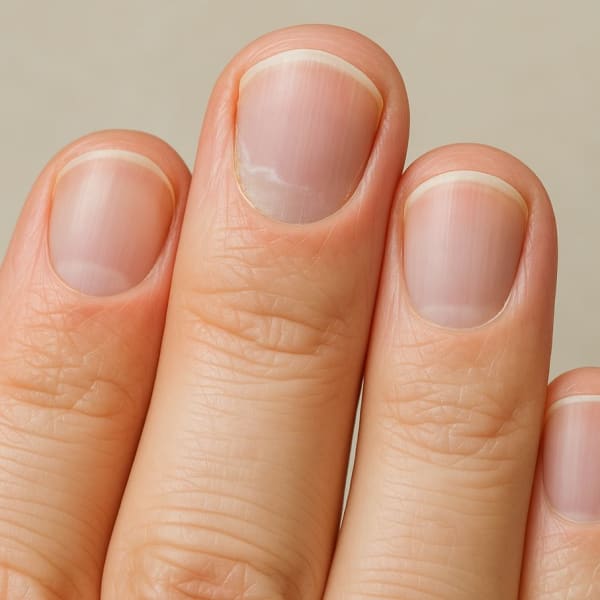
Onycholysis is the separation of the nail plate from the nail bed. While it may look painful, it typically isn’t—at least not at first. But without proper care, this common nail disorder can lead to infections, deformities, and long-term damage.
Mckenzie Kool, Psychologist, MC, RPsych provides us with guidance on what may or not be helpful in speaking with someone who has suffered a significant loss.
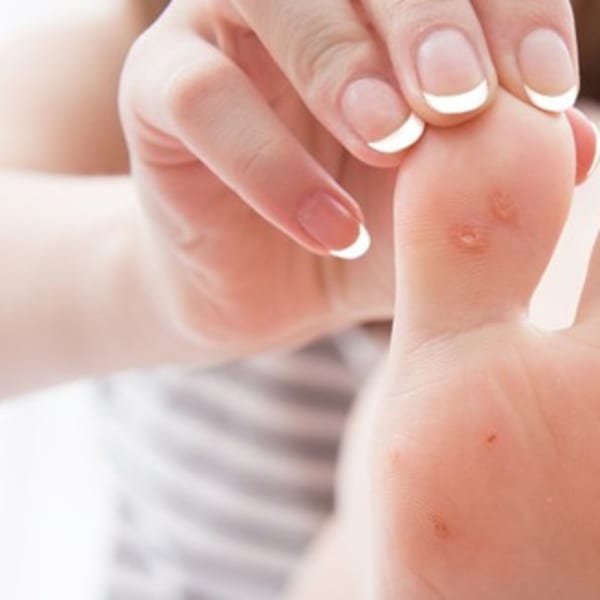
Clients come to you to feel their best—not leave with a viral souvenir. Warts and cold sores can spread fast in busy salons, but a few smart habits make all the difference. Let’s talk about what’s really lurking in your salon (and how to kick it to the curb).
As Earth Day approaches, The Green Beauty Community Foundation and the Green Spa Network invite beauty pros to step forward and embrace sustainability through the Green Pledge--a powerful initiative designed by and for beauty industry leaders.
Don’t cancel Valentine’s Day altogether, urges Jill Palmquist. Instead, think of it as a (frilly, flowery, Champagne-bubbly) wake-up call to fall deeply in love with your own life.
Life coach and Culture Ambassador of Sam Villa, Andrew Carruthers, outlines how to tell if your burnout is temporary - or if it's time to make a bigger career change.