Protecting the Health of Chronically Ill Clients in the Nail Salon
When a client has a chronic illness, precautions may have to be taken to ensure no aspect of the service endangers her health further. Learn who is at risk.
by Janet McCormick
August 31, 2018
6 min to read
The days of, “Have a seat. What are we doing today?” are over for nail professionals who care about their clients’ health. Roughly 50% of Americans have some type of chronic illness, according to The Centers for Disease Control. The longer a person lives, the greater her chances of developing a chronic illness, which in turn increases the risk of infections and other complications. With this in mind, it’s essential that nail techs know if a client has any health conditions that might require a change to your standard service protocol.
The first step is having — and using — a new client sheet. Techs are taught in nail school how and why to use a new client sheets, but in visiting salons, I’ve found fewer than 40% use them. And when they are used, most forms focus on contact information; few have sufficient questions about the client’s health. This is a safety issue for nail services. Without this information, the manicurist cannot determine the changes in protocols needed to service at-risk clients.
Ad Loading...
Along with the new client sheet, techs must perform an analysis/consultation — another part of the service nail technicians often forego. A well-done consultation is essential to defining possible changes in protocols and precautions to be taken. The consultation involves reviewing the health section of the client sheet, looking over the client’s hands and feet thoroughly, then asking questions prior to choosing the protocol for a particular client. These sheets should also be checked each time the client returns, and the client should be asked, “Have there been any changes in your health since I last saw you?”
Precautions and Protocol Changes
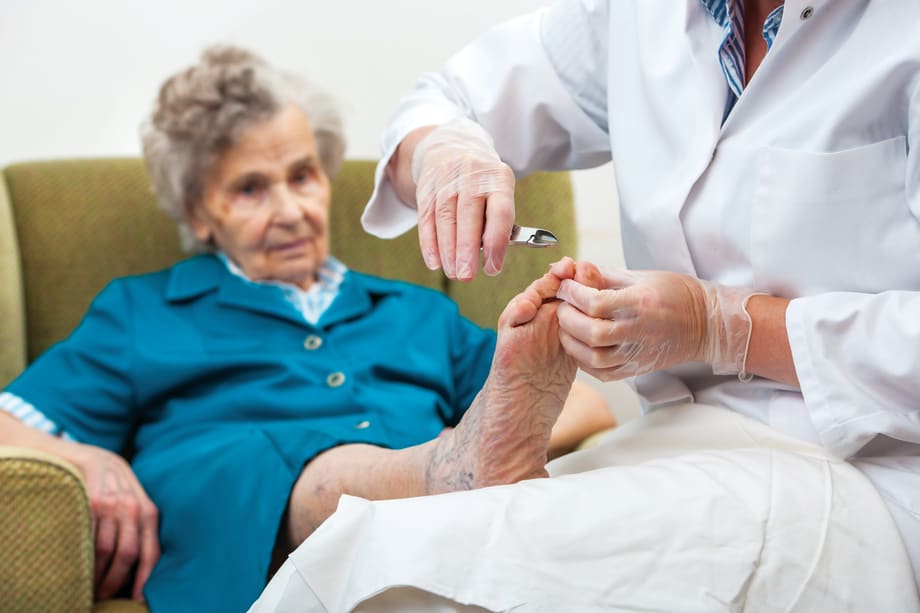
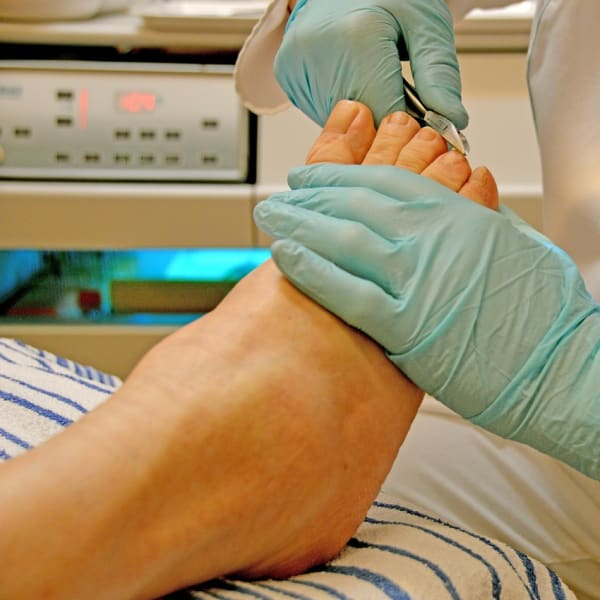
Even if a nail technician has not received the advanced training required to know what precautions should be taken for a specific chronic illness, she can still incorporate some general precautions and protocol changes when she learns of a client’s chronic health issue. Performing services on at-risk clients includes ultimate infection control using high-level disinfection or sterilization of implements, plus the use of aseptic techniques aimed at eliminating pathogens. Aseptic techniques include every protective activity we perform, such as disinfecting surfaces, wearing gloves, and hand-washing by you and your clients. Strict adherence is a necessity as these clients are more susceptible to infection than healthy clients. Precautions may also involve being more gentle and refraining from the use of metal implements on some clients.
For certain clients, massages or soaks may not be appropriate. For example, massage may not be advisable for clients with circulatory diseases, lupus, arthritis, and cancer. For some, it is a matter of lighter touch or avoiding certain areas, such as joints; others cannot be massaged at all. Clients with certain systemic illnesses cannot be soaked as soaking dries out their skin, which can cause complications of their disease. For example, diabetics who are insulin-dependent cannot be soaked due to a tendency toward heavy callusing and ulceration when the skin is dry.
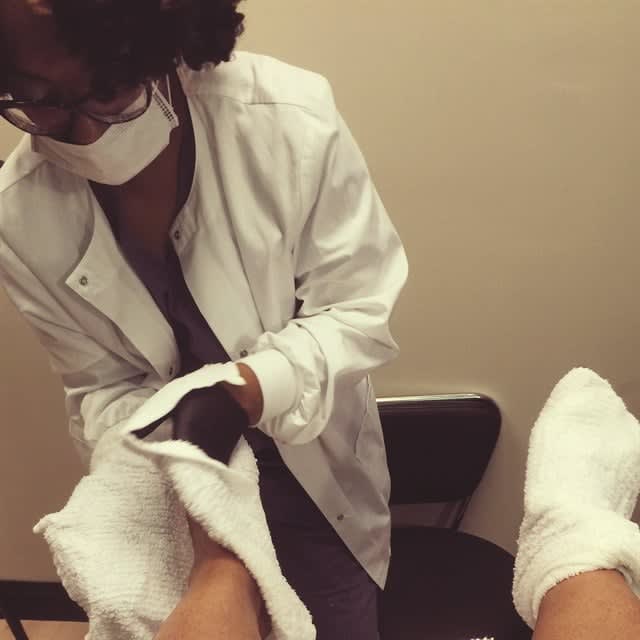
Nail tech Letisha Royster promotes her waterless services as part of an overall commitment to her clients’ health.
When to Refer to a Doctor
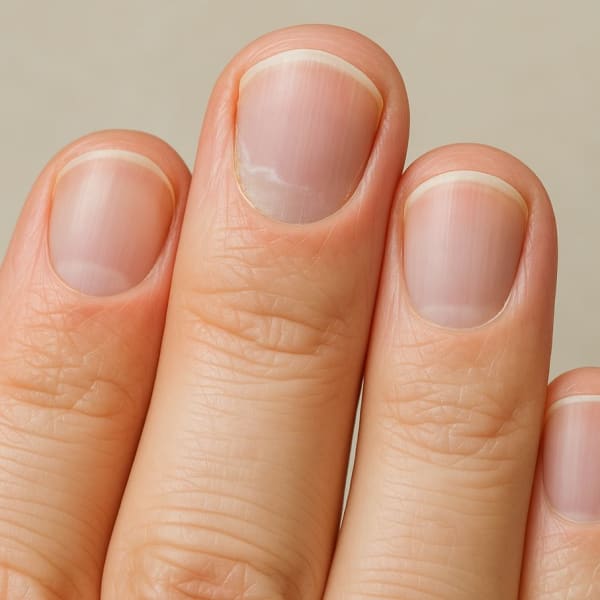
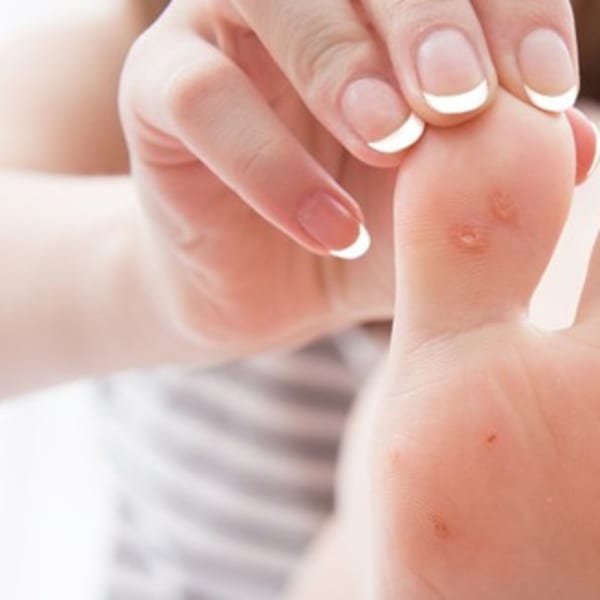
Clients with lesions, such as cuts or blisters, or suspicious coloration indicating an ulcer is developing must be referred to their physician or podiatrist — in fact, a physician referral is a good idea when you notice anything on the nails or skin that doesn’t look normal. Every salon should establish a relationship with a dermatologist, podiatrist, and/or general physician so they can refer those clients without their own provider. But this is not a matter of picking one at random. A salon can start by asking clients for recommendations of who their podiatrist and physicians are. After accumulating names, it is up to the salon owner or manager to take the next step, which may be personally calling on the physician and podiatry offices to ask questions about a referral relationship.
A relationship with a physician or podiatrist can be an advantage for a salon, beyond just having someone to refer to in questionable situations. Friendly ones can be a resource for answers when technicians have questions, but even more, they may begin sending clients to the salon if they see it is clean and safe for their patients.
Ad Loading...
Nail tech Denise Baich opened her studio, Pedicure Plus in St. Louis, Mo., without a single client and called on every podiatrist and physician close to her location. “I wasn’t going to just sit there and worry, so I developed a plan, a presentation, and hit the streets,” she says. Baich opened March 2016, and by September she was 60%-70% booked, unusual growth for a salon opening with no clients. At the one-year mark, she moved into a medical building and is now 80%-100% booked, mostly on referrals from the podiatry office next door to her and from other physicians and podiatrists in the building. She believes her commitment to infection control, developed when taking the Medical Nail Technician Program, and her steadfast plan for calling on the physicians and podiatrists to tell them about it are the main reasons for her growth.
No soak? What Do I Do?
When the first article on “waterless pedicures” appeared in 1998, nail technicians gave it mixed reviews, saying that clients wanted to soak. Since then, however, waterless services have grown in popularity. Now techs are saying things like, “It’s faster,” “I don’t have to deal with getting water,” and “Sanitation isn’t an issue.” Also, with the growing elderly and chronically ill population, it’s becoming an important protocol for their services, both in manicures and pedicures.
“I don’t and won’t soak, and my clients like — even prefer — my soakless services,” says Letisha Royster of Waterless ManiPedi and Nail Spa in Roswell, Ga. Royster believes this has been a positive for the growth of her salon. She is one of many salon owners who are converting all their manicures and pedicures to waterless.
Perfect infection control and the accompanying aseptic techniques are not optional when it comes to nail care, even if the client is not at-risk, but especially for those who are. OSHA dictates nail technicians wear gloves for every service, masks when filing, and eye protection. Further, OSHA says we must assume every client has a contagious disease and that we must protect ourselves and others from the transfer of disease.
Precautions by Condition
The following are some generalized health conditions that require precautions or changes in your service protocols:
Circulatory diseases (diseases of the vascular system), such as high and low blood pressure and varicose veins: the legs cannot be massaged.
Swelling of the legs or feet: No massage, no soak.
Systemic diseases, such as diabetes, lupus, and cancer: No soak.
Joint and bone conditions, such as forms of arthritis or bunions: Gentle massage, avoid joints.
Infections and openings in the skin, such as ulcers, athletes’ foot/fungus, irritations: Send client to their physician or podiatrist.
Traditional Soakless Pedicure
A soakless pedicure eliminates the soaking of the feet and substitutes other techniques to cleanse and soften the skin. Note: Keep the feet wrapped in towels when not working on them.
Ad Loading...
After handwashing, put on gloves. Perform an evaluation/analysis. Perform a dry file of heavy calluses.
Cleanse the feet thoroughly with a gel cleanser using massage movements; use a brush with gel cleanser under the free edge of the toenails. Rub the cleanser into the feet.
Trim and shape the nails.
Apply scrub and rub into the feet focusing on the calluses. Remove the scrub with a warm, wet towel.
Apply cuticle and callus softeners and wrap the feet in warm booties or towels. (Know the maximum amount of time the softeners are allowed on the skin and remove them in a timely manner.)
Perform a cuticle treatment.
Perform a callus reduction.
Perform a massage, as appropriate. Reapply lotion. Dry between the toes.
Cleanse the nail plates and polish the nails.
Bring out homecare products and educate the client on their use.
The same steps can be followed for a waterless manicure, except handwashing is substituted for the gel cleansing.
Veteran nail tech Janet McCormick is co-founder of Salon Gurus (www.salon-gurus.com) and Nailcare Academy (www.nailcare-academy.com). Nailcare Academy offers advanced training in the care of at-risk clients.
Uncured gel polish and microscopic e-file dust contain active acrylates that penetrate the skin, triggering permanent contact dermatitis. Learn the chemistry behind these irritants and how to protect your clients and yourself.
The Good Patch is a leading wearable wellness patch brand, offering wellness and skincare patches that support everyday needs including energy, sleep, relaxation and more.
Orthopedic PT reveals three daily exercises plus ergonomic advice that can help salon professionals avoid the aches and injuries caused by standing, bending and repetitive overhead work.
From acrylic monomers to airborne bio-dust, the air inside a nail salon carries risks most professionals never see coming. Aerovex Systems reveals the source-capture and room-purification strategies that are setting a new standard for salon safety.
Working in beauty doesn’t have to hurt. Learn how Somatic Movement helps hairstylists, lash artists, and other beauty pros release tension, improve posture, and extend their careers.
As a spa or salon professional, your clients expect more than just beauty—they expect safety, hygiene, and peace of mind. Fungal infections like Athlete’s Foot and Nail Fungus are more common than you think, especially in environments where tools and footbaths are reused without proper sanitation. This blog covers how to stop these issues before they start, using proven infection prevention strategies for salons and spas.
A federal initiative aimed at studying chemical exposure in nail salons has ended due to staffing and budget changes. Here’s what the project set out to do—and what its conclusion means for salon professionals.
For many people, a pedicure is a relaxing beauty ritual. But what most don’t realize is that this simple service, if done without proper hygiene and sanitation, can cause serious infections and long-term health issues.
Onycholysis is the separation of the nail plate from the nail bed. While it may look painful, it typically isn’t—at least not at first. But without proper care, this common nail disorder can lead to infections, deformities, and long-term damage.
Mckenzie Kool, Psychologist, MC, RPsych provides us with guidance on what may or not be helpful in speaking with someone who has suffered a significant loss.
Clients come to you to feel their best—not leave with a viral souvenir. Warts and cold sores can spread fast in busy salons, but a few smart habits make all the difference. Let’s talk about what’s really lurking in your salon (and how to kick it to the curb).
As Earth Day approaches, The Green Beauty Community Foundation and the Green Spa Network invite beauty pros to step forward and embrace sustainability through the Green Pledge--a powerful initiative designed by and for beauty industry leaders.
Don’t cancel Valentine’s Day altogether, urges Jill Palmquist. Instead, think of it as a (frilly, flowery, Champagne-bubbly) wake-up call to fall deeply in love with your own life.
Life coach and Culture Ambassador of Sam Villa, Andrew Carruthers, outlines how to tell if your burnout is temporary - or if it's time to make a bigger career change.