




Why Salon Work Makes Your Body Ache & What You Can Do to Feel Better
We learn some simple moves and strategies to keep the blood pumping through the muscles and limit posture problems from The Balanced Beauty Pro
by Anne Moratto


 MENU
MENU SEARCH
Protecting oneself against chemical absorption at the salon starts with the simple practice of wearing gloves, or applying a barrier cream, or both.
Just as safety gates are barriers designed to keep precocious toddlers away from harmful objects, skin barrier creams and gloves help protect hands from harsh chemicals, which can cause contact dermatitis or an allergic reaction, among other maladies.
Unlike gloves, a skin barrier cream lets your skin breathe and perspire normally without clogging pores or affecting the sense of touch. Barrier creams create an invisible barrier between skin and the chemicals and solutions.
How effective are barrier creams in preventing skin disorders and allergic reactions when working with nail products? “They are effective if used correctly” says Doug Schoon, chemist and director of R8dD for Creative Nail Design (Vista, Calif.). “If a nail technician has developed an allergic reaction, using a barrier cream can help reduce contact with the offending product and help speed the healing process.”
When using a barrier cream, don’t touch your client’s fingernails or your brush hairs because the cream will contaminate both. Since barrier creams are designed to resist chemical penetration, they can also cause artificial nails to lift if they come in contact with them.
Bob Kissinger, national sales manager at Allied Cosmetics Group (Berwyn, Pa.), explains barrier creams this way: “It’s an invisible glove.” A good barrier cream won’t irritate or dry skin and should help prevent chapping and cracking. Barrier creams allow you to have a better grip and surface adhesion when properly applied, he adds.
Nail technicians can become sensitized to products and have allergic reactions on their hands and arms due to contact with nail products, says Jeffrey Lauber, M.D., a dermatologist and medical director of the Advanced Skin Treatment Center of Orange County (Newport Beach, Calif.). For this reason, Lauber recommends that nail technicians wear gloves over a barrier cream.
Schoon advises buying nitrile, latex, or vinyl gloves powdered on the inside to make them easier to get on and off and keep hands dry. But powder does have its downside. “Many people are allergic to the corn starch found in powder,” says Schoon. Overall, Schoon says nitrile gloves are a good choice because they are highly chemical resistant, allow greater dexterity, and have a low potential for adverse reactions.
Also, the thicker the glove, the better protection it is going to be, he adds, although he doesn’t recommend buying bulky gloves because they’re clumsy and can actually become a safety hazard.
“If you wear gloves, buy disposable ones because no glove is going to protect against chemicals indefinitely,” says Schoon. “Eventually, the chemical will absorb through to the other side of the glove.”
A reusable glove, on the other hand, tends to be thicker than a disposable one, says Terry Monda, sales manager at ETI in Phoenix, Ariz., a company that manufactures a powder-free, black latex glove. “Powder-free makes it more hypoallergenic and black doesn’t show stains,” says Monda.
If technicians use gloves, they need to choose them carefully because some rubber gloves are made with sulfur compounds, which can aggravate contact dermatitis in people who already have a problem. Choose a different type of glove if you have an existing problem.
We learn some simple moves and strategies to keep the blood pumping through the muscles and limit posture problems from The Balanced Beauty Pro
Uncured gel polish and microscopic e-file dust contain active acrylates that penetrate the skin, triggering permanent contact dermatitis. Learn the chemistry behind these irritants and how to protect your clients and yourself.
What actually counts as 'source capture' under nail salon ventilation code, and what doesn't (even if it feels like it should).
Sponsored by Aerovex Systems
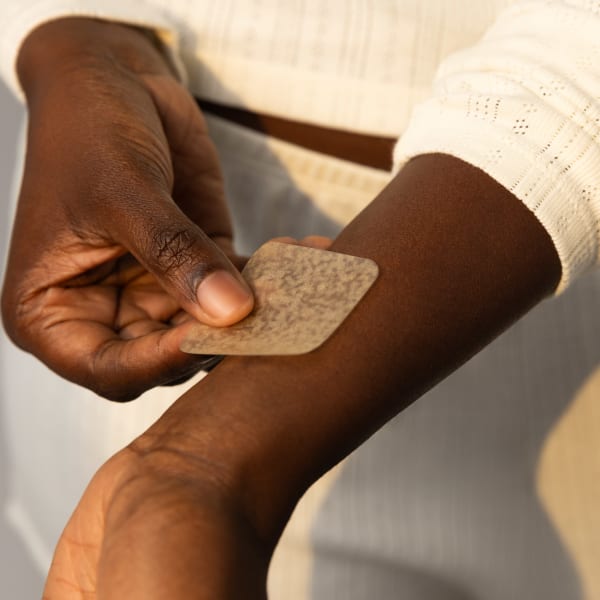
The Good Patch is a leading wearable wellness patch brand, offering wellness and skincare patches that support everyday needs including energy, sleep, relaxation and more.

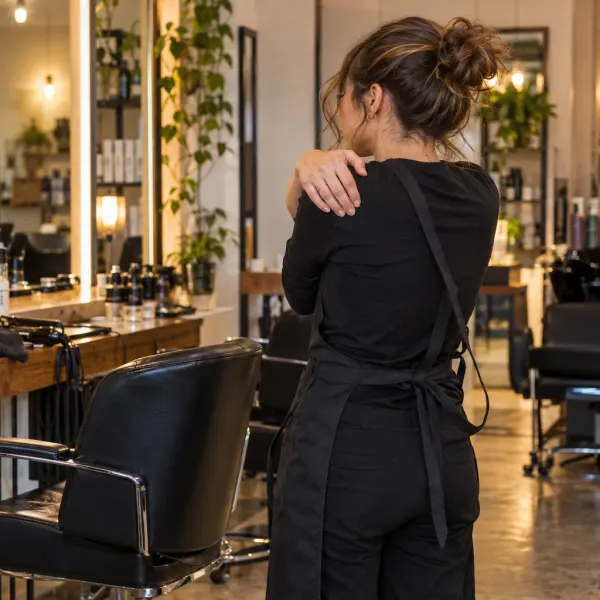
Orthopedic PT reveals three daily exercises plus ergonomic advice that can help salon professionals avoid the aches and injuries caused by standing, bending and repetitive overhead work.

From breaking free of external validation to creating joy-based goals, discover a more sustainable and fulfilling path to success.
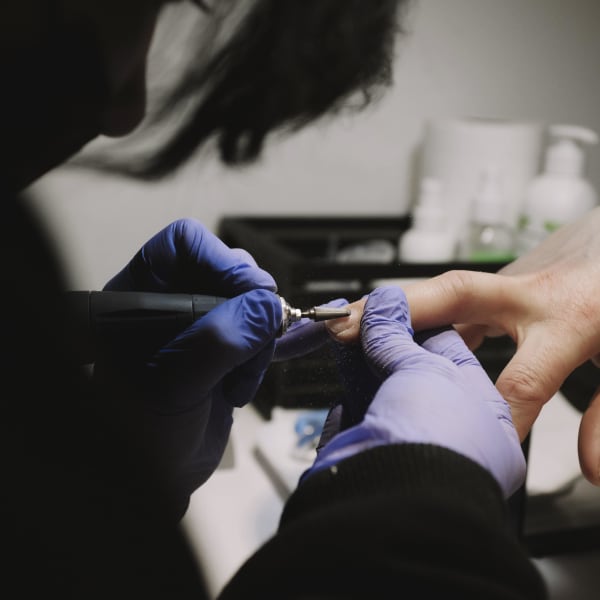
From acrylic monomers to airborne bio-dust, the air inside a nail salon carries risks most professionals never see coming. Aerovex Systems reveals the source-capture and room-purification strategies that are setting a new standard for salon safety.
Sponsored by Aerovex Systems
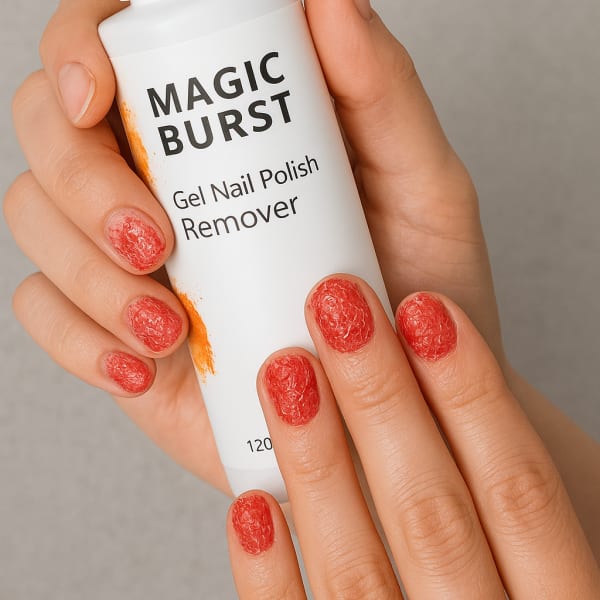
Products marketed as 'magic' or 'burst' gel removers may contain methylene chloride, a federally banned, highly toxic chemical.
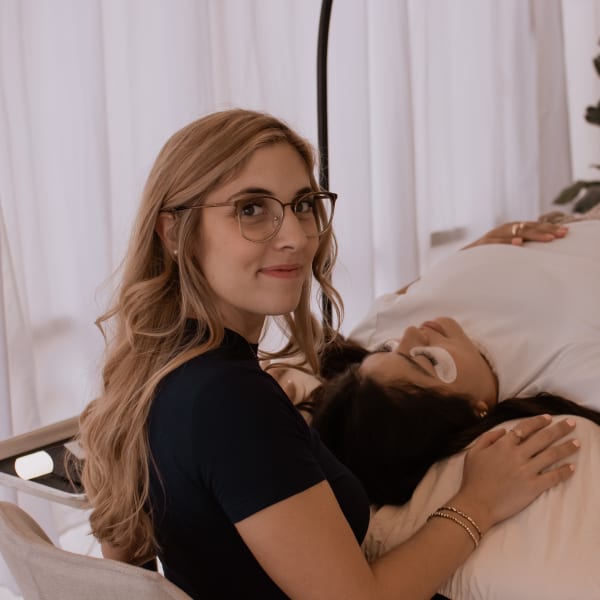
Working in beauty doesn’t have to hurt. Learn how Somatic Movement helps hairstylists, lash artists, and other beauty pros release tension, improve posture, and extend their careers.
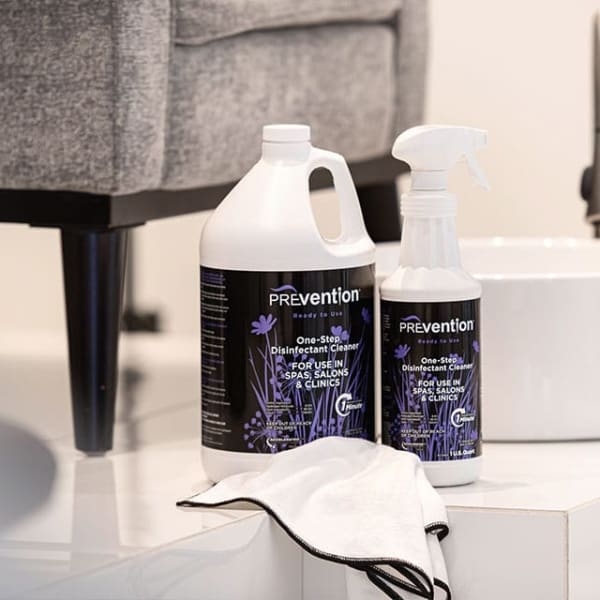
As a spa or salon professional, your clients expect more than just beauty—they expect safety, hygiene, and peace of mind. Fungal infections like Athlete’s Foot and Nail Fungus are more common than you think, especially in environments where tools and footbaths are reused without proper sanitation. This blog covers how to stop these issues before they start, using proven infection prevention strategies for salons and spas.
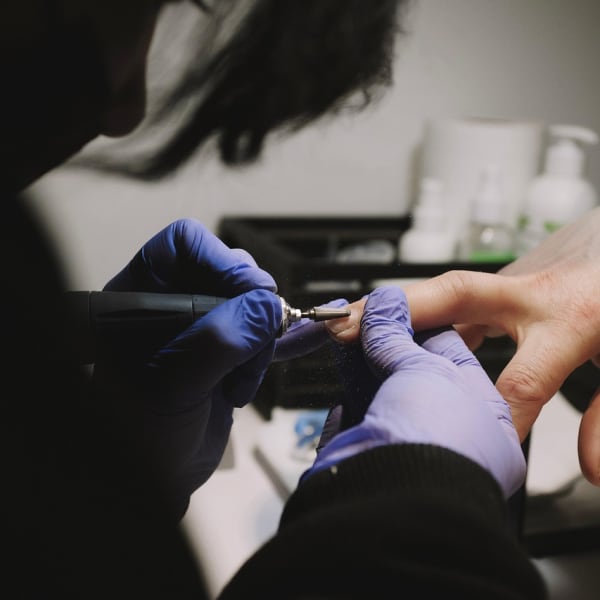
A federal initiative aimed at studying chemical exposure in nail salons has ended due to staffing and budget changes. Here’s what the project set out to do—and what its conclusion means for salon professionals.
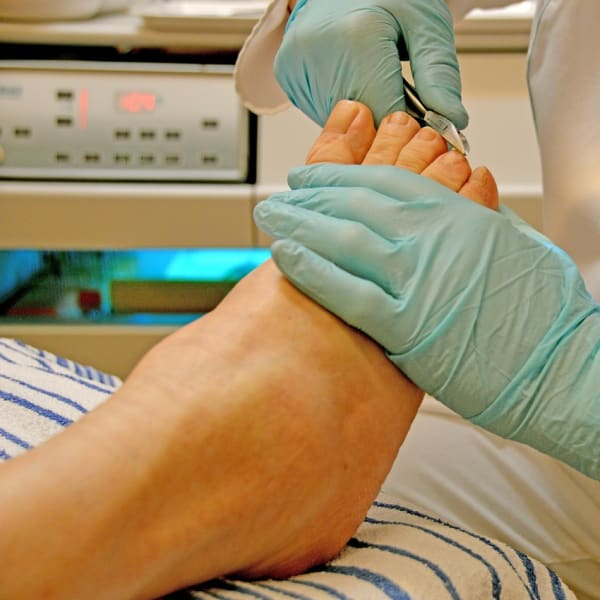
For many people, a pedicure is a relaxing beauty ritual. But what most don’t realize is that this simple service, if done without proper hygiene and sanitation, can cause serious infections and long-term health issues.
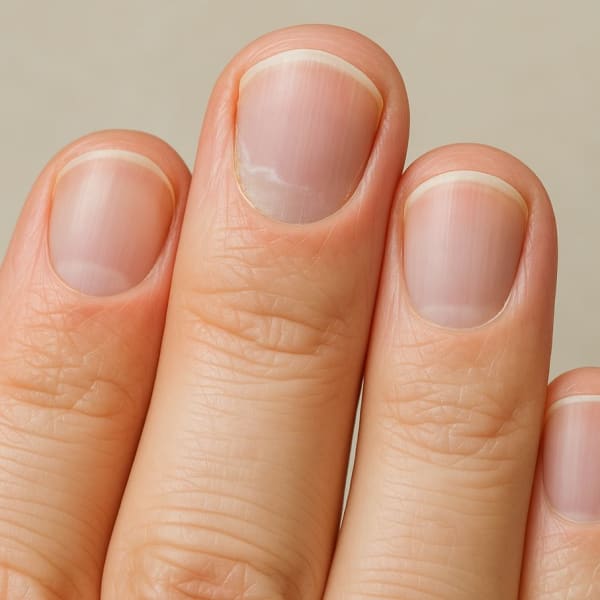
Onycholysis is the separation of the nail plate from the nail bed. While it may look painful, it typically isn’t—at least not at first. But without proper care, this common nail disorder can lead to infections, deformities, and long-term damage.

Mckenzie Kool, Psychologist, MC, RPsych provides us with guidance on what may or not be helpful in speaking with someone who has suffered a significant loss.
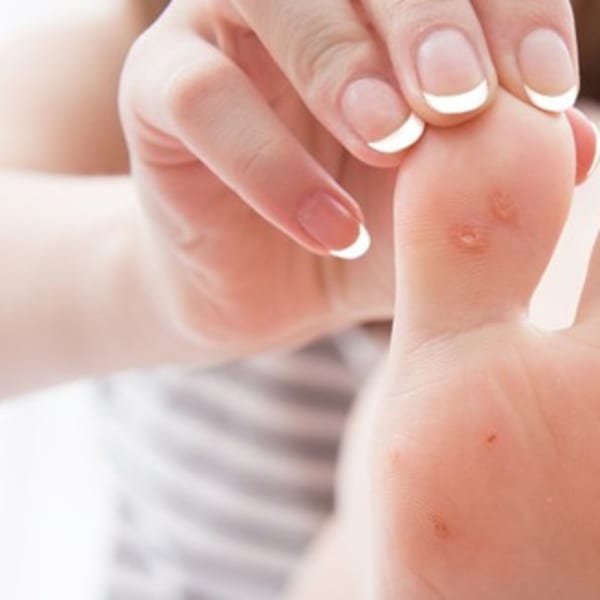
Clients come to you to feel their best—not leave with a viral souvenir. Warts and cold sores can spread fast in busy salons, but a few smart habits make all the difference. Let’s talk about what’s really lurking in your salon (and how to kick it to the curb).

As Earth Day approaches, The Green Beauty Community Foundation and the Green Spa Network invite beauty pros to step forward and embrace sustainability through the Green Pledge--a powerful initiative designed by and for beauty industry leaders.

Don’t cancel Valentine’s Day altogether, urges Jill Palmquist. Instead, think of it as a (frilly, flowery, Champagne-bubbly) wake-up call to fall deeply in love with your own life.