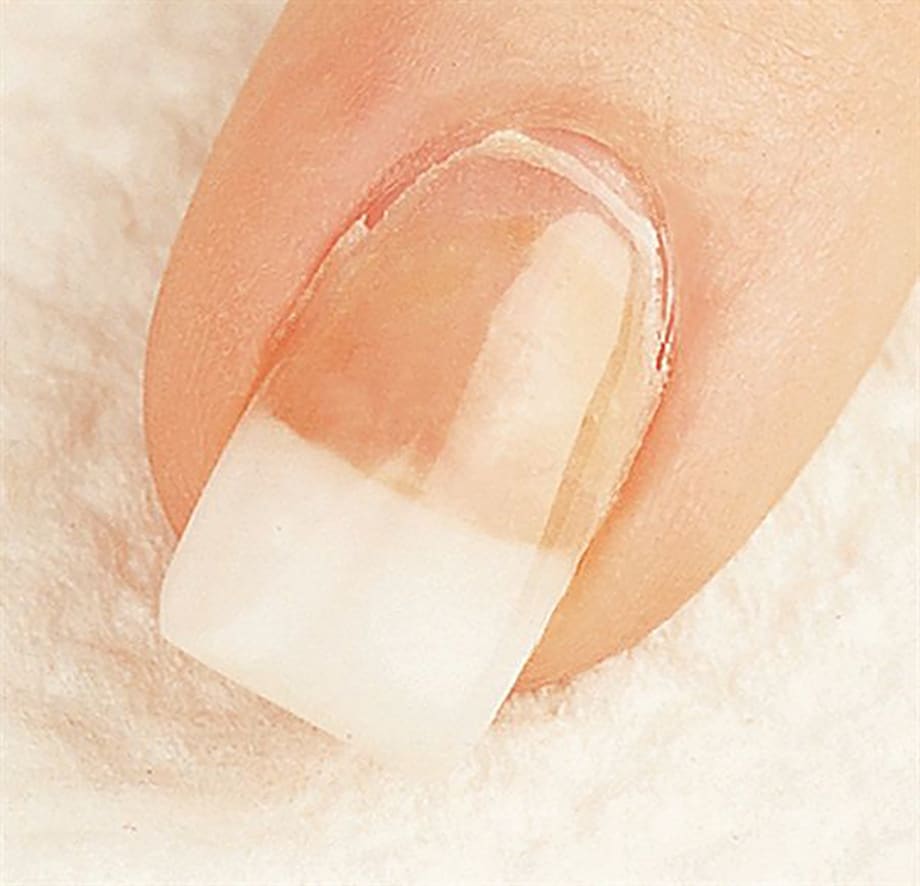
Back when everyone was wearing acrylic nails, it was pretty easy to determine the cause of lifting. Today, with so many different products on the market, the cause is harder to pinpoint. But one thing hasn’t changed: More than likely it has something to do with the tech’s technique.
Some causes of product lifting are out of a tech’s control: Exposure to elements, environmental conditions at the job, and bad habits (particularly picking) on the part of the client all play a role in lifting. But a good place to start troubleshooting is with the person behind the chair.
The technical aspect of our job becomes so routine, we often forget that the smallest change to our prep and application procedures will change the outcome. As a professional, we benefit from an honest evaluation of what our clients’ hands are telling us so we can modify our technique where necessary. Even if you only suspect something you did caused the lifting, an honest approach builds credibility and trust. That conversation could go something like this.
Ad Loading...
Client: I don’t know what I did to my nails. They didn’t hold up well at all.
You: You do have a lot of lifting; but, oddly, it’s happening only on one hand. Did you notice when it started? Did you do anything different in the last few weeks?
Client: I don’t really know when it started. I felt my hair getting caught and realized the nail wasn’t tight near the cuticle. I may have helped it along, because I sort of picked at it. When I realized it was making it worse, I left it alone.
You: Yes, once the seal is broken, water and debris get under the nail and it lifts easily. The first thing I want to look at is if any of the product ran over your cuticle. If so, it can’t adhere to the nail plate, and you’ll definitely have lifting. Hmm … No, that’s not it.
Client: I heard some medications can cause it, but I’m not on any prescriptions.
Ad Loading...
You: Short-term medications generally won’t cause lifting. They only affect the nails if they are in your body for long periods of time, such as with chemotherapy. Some say certain heart meds might cause lifting, but their effect wouldn’t show up immediately in the nails.
Client: What else could cause it?
You: Oh, gosh, so many things. Often it’s from oil or dirt being left on the nail. The surface of the nail needs to be cleaned thoroughly or the product won’t bond to it — something as small as someone running her hands through her hair after the nails are prepped can affect adhesion. Another problem could come from not dehydrating the nail’s surface, or from the product being too wet, too dry, or not curing correctly before a tech starts to file. Other times it’s a result of mixing products from different manufacturers or using the wrong light to cure gel. But I don’t do that, so I know that’s not what happened here.
Client: At the last appointment, you got up to do something and I reached into my purse to get my phone. My nails came out with some fuzz, so a rubbed them on my jeans to clean them up. Could that have caused it?
You: Absolutely. It’s a relief to know it wasn’t something I did! Well, now you know all that goes into making sure nails don’t lift — and why I tell clients to keep their hands on the desk.
Uncured gel polish and microscopic e-file dust contain active acrylates that penetrate the skin, triggering permanent contact dermatitis. Learn the chemistry behind these irritants and how to protect your clients and yourself.
The Good Patch is a leading wearable wellness patch brand, offering wellness and skincare patches that support everyday needs including energy, sleep, relaxation and more.
Orthopedic PT reveals three daily exercises plus ergonomic advice that can help salon professionals avoid the aches and injuries caused by standing, bending and repetitive overhead work.
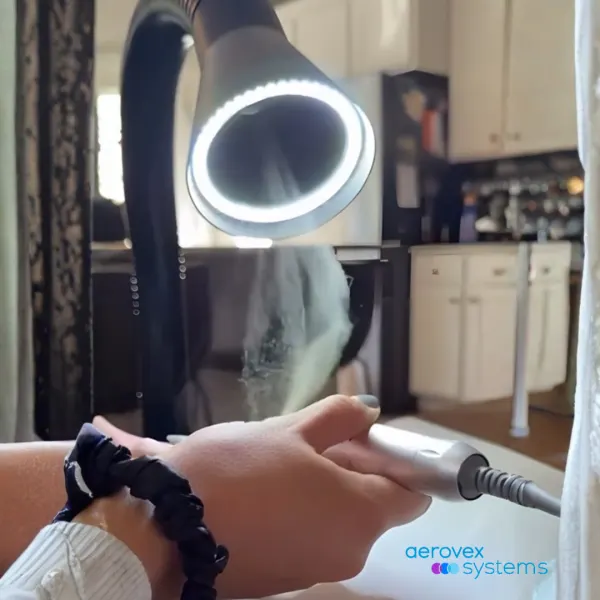
From acrylic monomers to airborne bio-dust, the air inside a nail salon carries risks most professionals never see coming. Aerovex Systems reveals the source-capture and room-purification strategies that are setting a new standard for salon safety.
Working in beauty doesn’t have to hurt. Learn how Somatic Movement helps hairstylists, lash artists, and other beauty pros release tension, improve posture, and extend their careers.
As a spa or salon professional, your clients expect more than just beauty—they expect safety, hygiene, and peace of mind. Fungal infections like Athlete’s Foot and Nail Fungus are more common than you think, especially in environments where tools and footbaths are reused without proper sanitation. This blog covers how to stop these issues before they start, using proven infection prevention strategies for salons and spas.
A federal initiative aimed at studying chemical exposure in nail salons has ended due to staffing and budget changes. Here’s what the project set out to do—and what its conclusion means for salon professionals.
For many people, a pedicure is a relaxing beauty ritual. But what most don’t realize is that this simple service, if done without proper hygiene and sanitation, can cause serious infections and long-term health issues.
Onycholysis is the separation of the nail plate from the nail bed. While it may look painful, it typically isn’t—at least not at first. But without proper care, this common nail disorder can lead to infections, deformities, and long-term damage.
Mckenzie Kool, Psychologist, MC, RPsych provides us with guidance on what may or not be helpful in speaking with someone who has suffered a significant loss.
Clients come to you to feel their best—not leave with a viral souvenir. Warts and cold sores can spread fast in busy salons, but a few smart habits make all the difference. Let’s talk about what’s really lurking in your salon (and how to kick it to the curb).
As Earth Day approaches, The Green Beauty Community Foundation and the Green Spa Network invite beauty pros to step forward and embrace sustainability through the Green Pledge--a powerful initiative designed by and for beauty industry leaders.
Don’t cancel Valentine’s Day altogether, urges Jill Palmquist. Instead, think of it as a (frilly, flowery, Champagne-bubbly) wake-up call to fall deeply in love with your own life.
Life coach and Culture Ambassador of Sam Villa, Andrew Carruthers, outlines how to tell if your burnout is temporary - or if it's time to make a bigger career change.